Which Form of Iron Best Binds Hydrogen Sulphide?
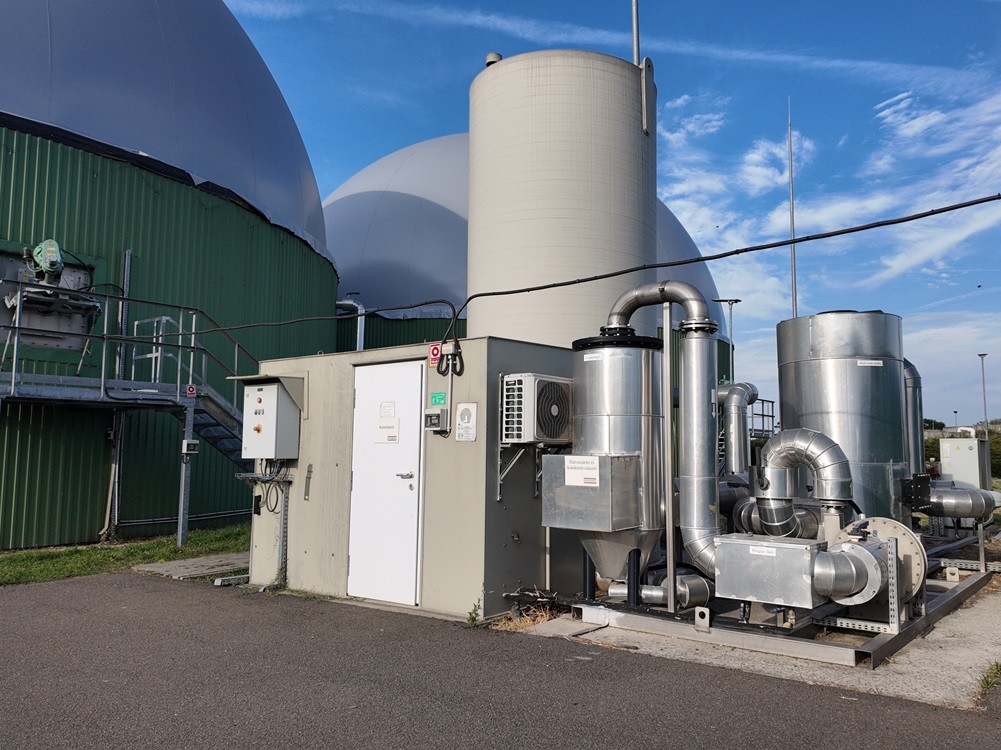
Hydrogen sulphide is a recurring problem at every biogas plant. It corrodes gas engines, heat exchangers and pipework, and inside the digester it holds back the methanogens as well. Many plants fight it on two fronts at once: they inject air into the digester and add an iron compound to the feedstock. How well the iron works depends on the form in which it goes in. Iron chloride, iron hydroxide, iron oxide and metallic iron react with sulphide very differently, and each carries its own risks.
Why bind sulphur in the digester?
Hydrogen sulphide comes from feedstocks rich in protein and sulphur compounds. Raw biogas can contain up to 18,000 mg/m³, or about 1.32% by volume (Okoro & Sun, 2019). In the engine it burns to sulphur dioxide, which forms sulphuric acid with water, corroding the engine and degrading the lubricating oil quickly; hydrogen sulphide itself attacks pipework, compressors and gas holders (Bailon Allegue & Hinge, 2014).
Manufacturers therefore set tight limits. Depending on the type, gas engines need less than 500 ppm, and some less than 50 ppm (Bailon Allegue & Hinge, 2014); a more recent review puts the typical manufacturer limit for stationary power generation at 100 ppm (Vu et al., 2022).

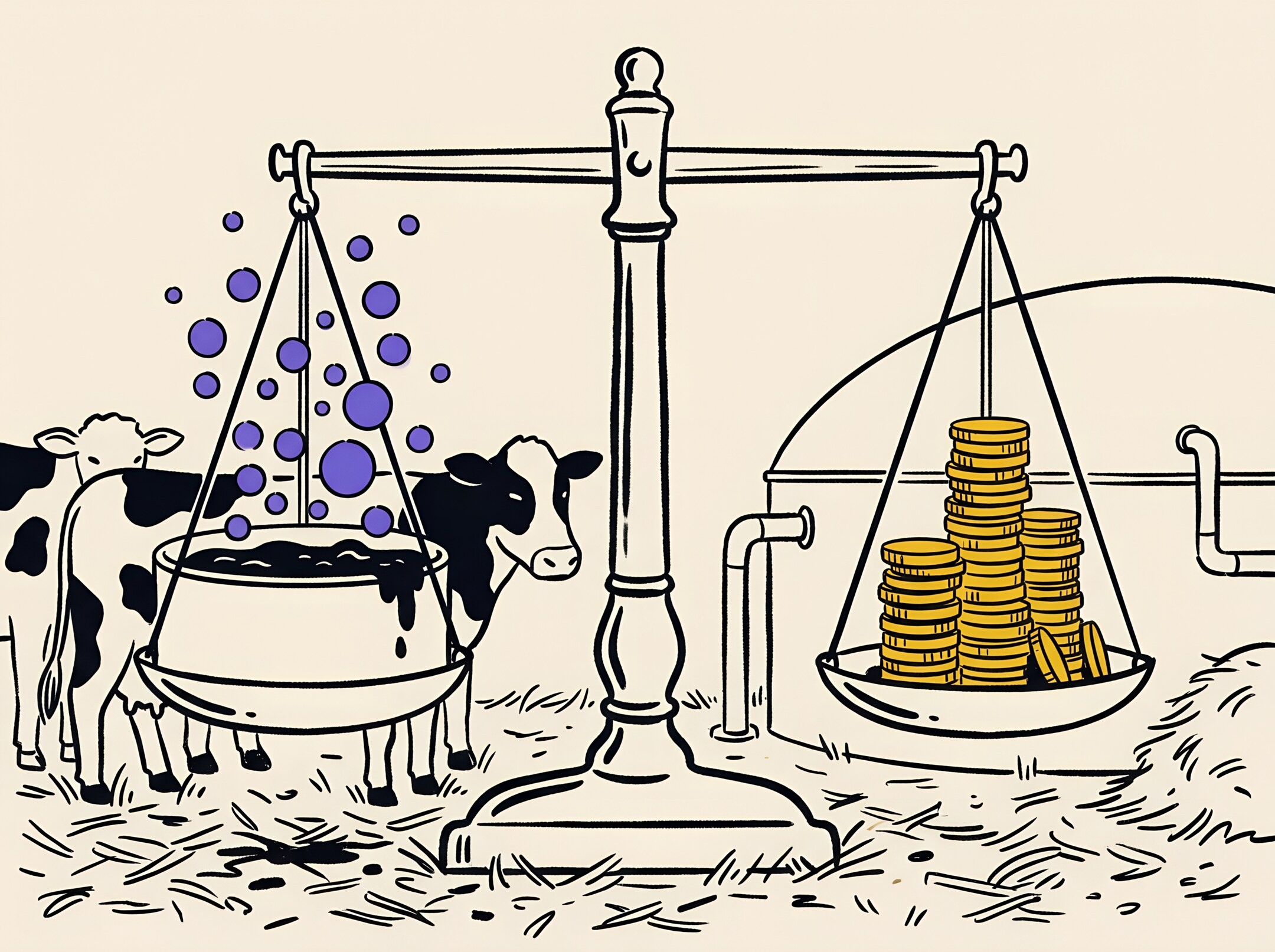

A model update in the United States quadrupled the tax credit for dairy-farm biomethane overnight, because the US credit pays for carbon intensity, while the European Union mostly measures the same performance as a pass or a fail.
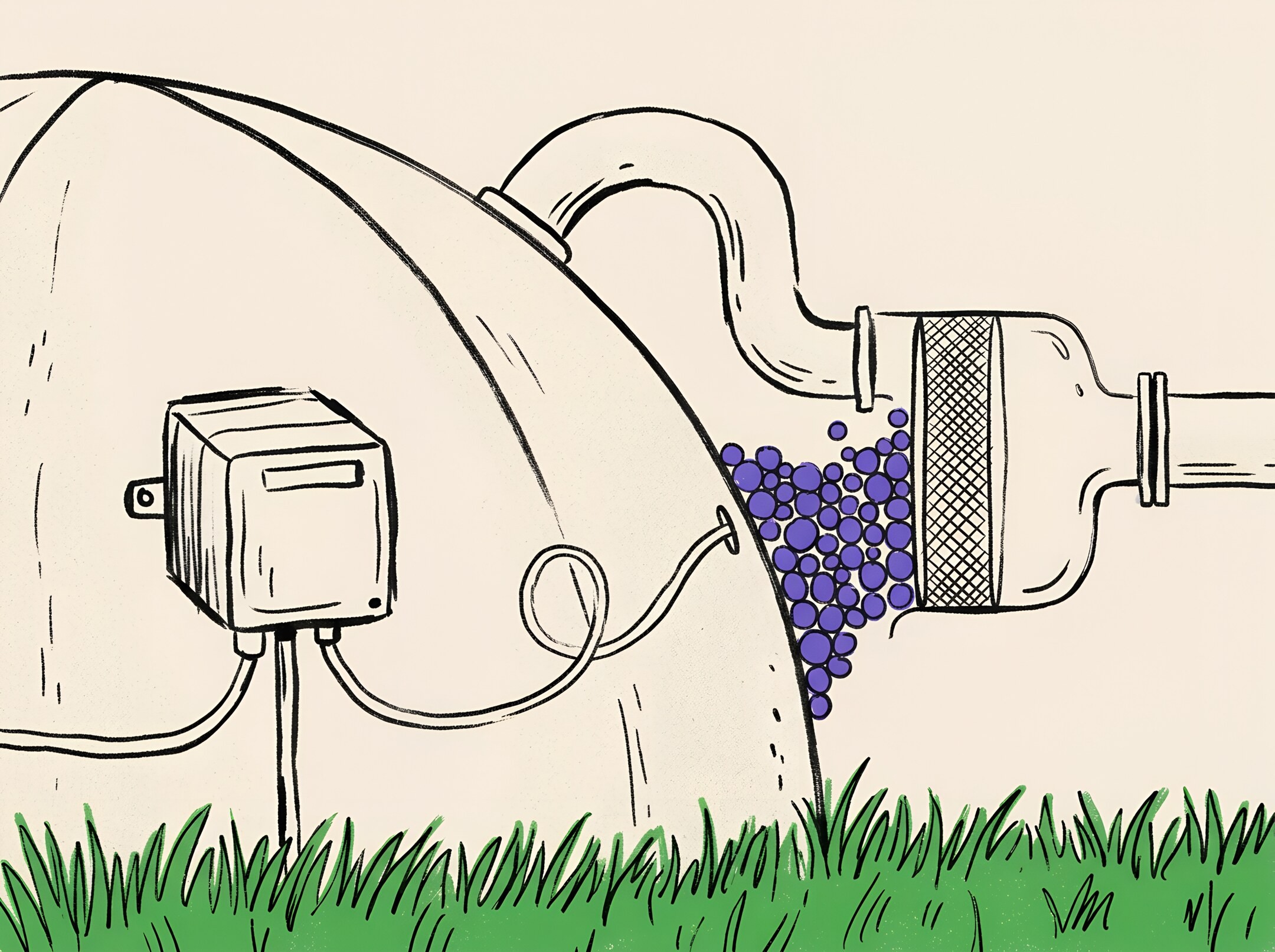

A clause buried in a gas tariff order makes oxygen a design parameter for Spanish biomethane plants, and shows how differently Europe handles a problem it hasn't yet agreed on.

Calculations by the DVGW research centre in Karlsruhe show that if small biogas plants reach the gas grid through a shared upgrading unit and injection point, investment falls by up to 55% and the biomethane injected rises by 16% compared with connecting plants one by one.

Market data from Bavaria's state agricultural research institute show biogas plants earning 3–9 cents more per kilowatt-hour by producing in the most expensive hours instead of running at baseload, provided they invest in gas storage, larger engines and daily trading.