US Water Bills Up 62%, Hungary's Unchanged
Two countries, two extremes. In the United States, a typical household's drinking water bill has risen by 62% in ten years, faster than inflation and incomes (Food & Water Watch, 2026). In Hungary, according to Eurostat, water prices did not change at all over the same period (Eurostat, 2026).
The US figures were compiled by a group that campaigns against water privatisation, which is worth bearing in mind when reading them. Even so, they show what happens when accumulated infrastructure needs are passed on through tariffs. The Hungarian figures show what happens when they are not.
500 systems, 155 million people
Food & Water Watch collected December 2025 rates for the 500 largest US community water systems from utility websites, local ordinances and direct enquiries. Together they serve around 155 million people, 45% of the population. The comparison is based on a household using 60,000 gallons, roughly 227 m³, of water indoors a year, and covers drinking water only, not wastewater or stormwater charges. The ten-year change was measured across 452 systems that also appeared in the group's 2015 survey.


Europe's water utilities are investing 16% more than a year ago, but EurEau's latest figures show that construction inflation absorbed most of the increase and that pipe renewal has not sped up.

The Czech agriculture ministry can list pipelines, ponds and hectares after nine years of drought spending, but in the worst groundwater summer in decades it cannot yet show what they changed.
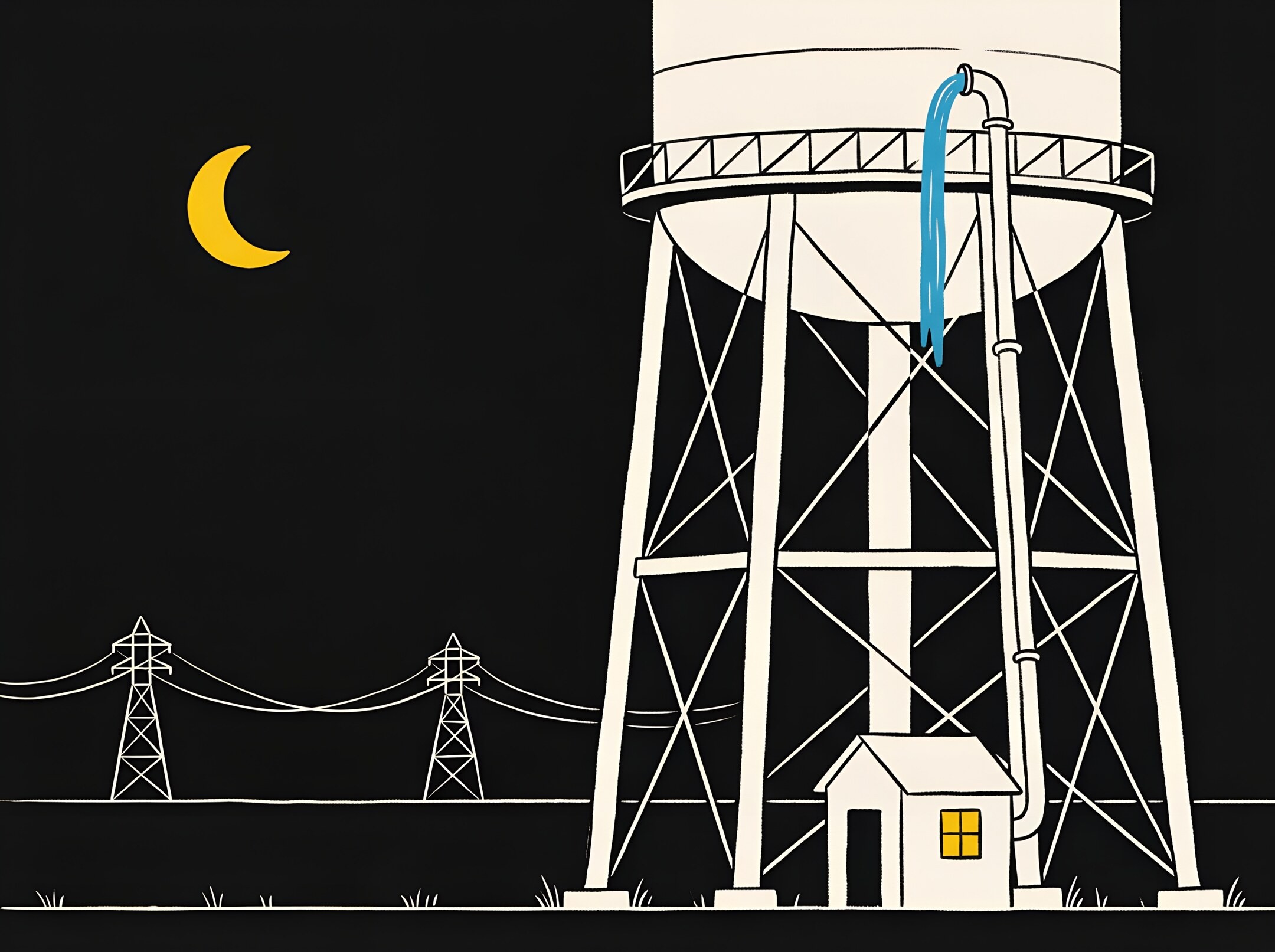
The Commission wants network tariffs to reward whoever can shift load away from the peak, and that makes pumping stations and aeration basins, which rarely feature in the debate, part of the argument.
The Commission's proposed Climate Resilience Law would give every member state the same warming path to plan against, put water security in every national plan and set deadlines that collide with the next river basin cycle.