Who Pays for Quaternary Wastewater Treatment?
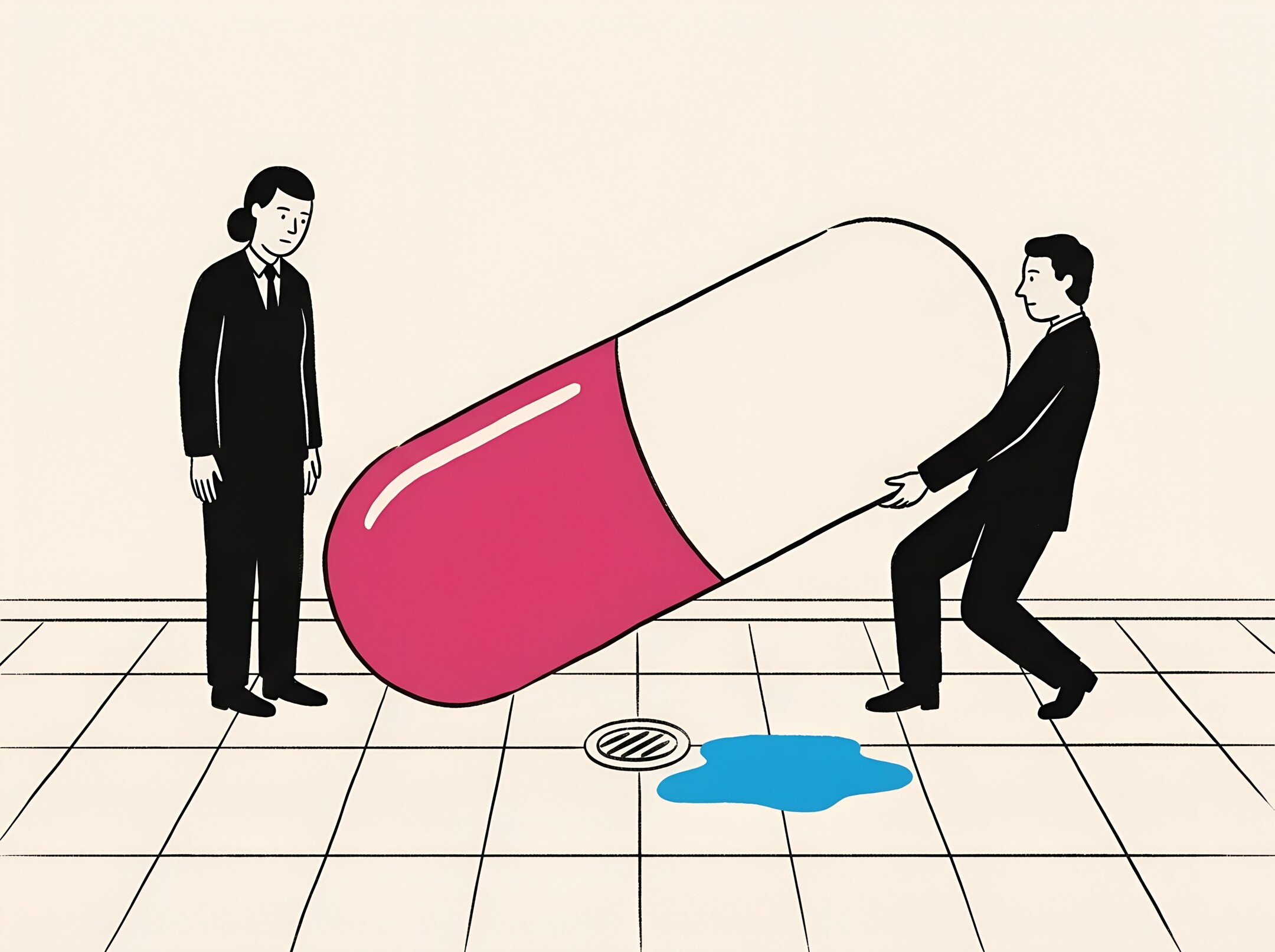
The recast Urban Wastewater Treatment Directive is the biggest change to European wastewater law since the original directive of 1991. One of its key innovations is a fourth treatment stage to remove pharmaceutical residues, hormones and other micropollutants. Another is just as significant: most of the cost would be borne not by utilities and bill payers but by producers of medicines and cosmetics. That second point has been the subject of a legal and political battle since 2025, which entered a new phase in September 2026.
What the directive requires
Directive (EU) 2024/3019 entered into force on 1 January 2025, and member states must transpose it by 31 July 2027. Quaternary treatment is defined by performance, not technology: plants must remove at least 80% of a defined panel of indicator substances. The rollout is staged: 20% of large plants must be equipped by 2033, 60% by 2039 and all by 2045. The candidate technologies – ozonation, powdered or granular activated carbon, high-retention membranes – differ widely in cost and operating demands.
Financing is set out in Article 9 and Annex III. Through an extended producer responsibility scheme, member states must ensure that producers of the products listed in Annex III cover at least 80% of the investment, operating and monitoring costs of quaternary treatment, and member states may raise that share to 100%. The annex currently lists two product groups: human medicines and cosmetics. The schemes must be in place by the end of 2028.

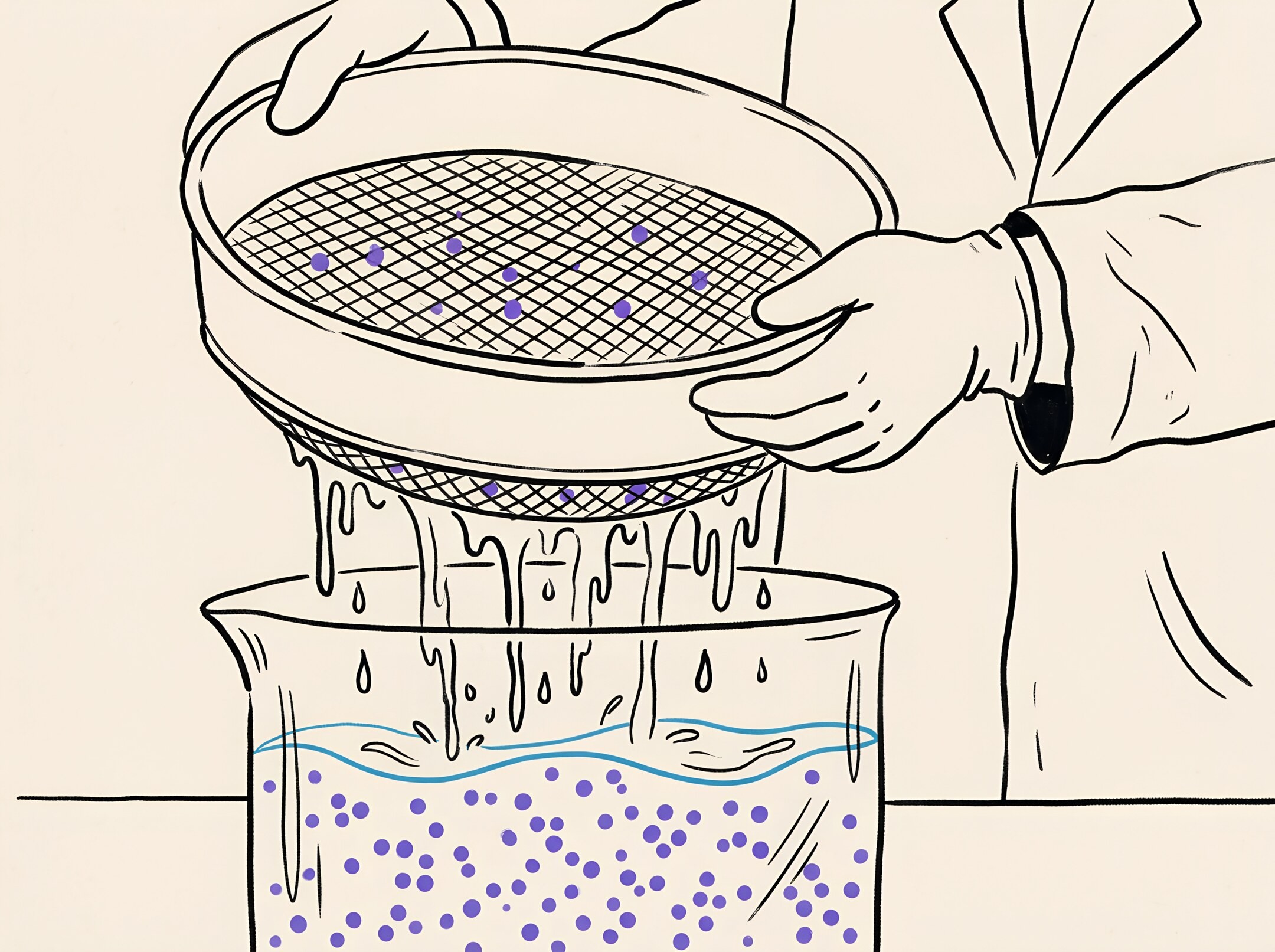

A national Swiss campaign has run every PFAS method in the Commission's guidelines side by side, and none of them can name most of the organic fluorine in wastewater.
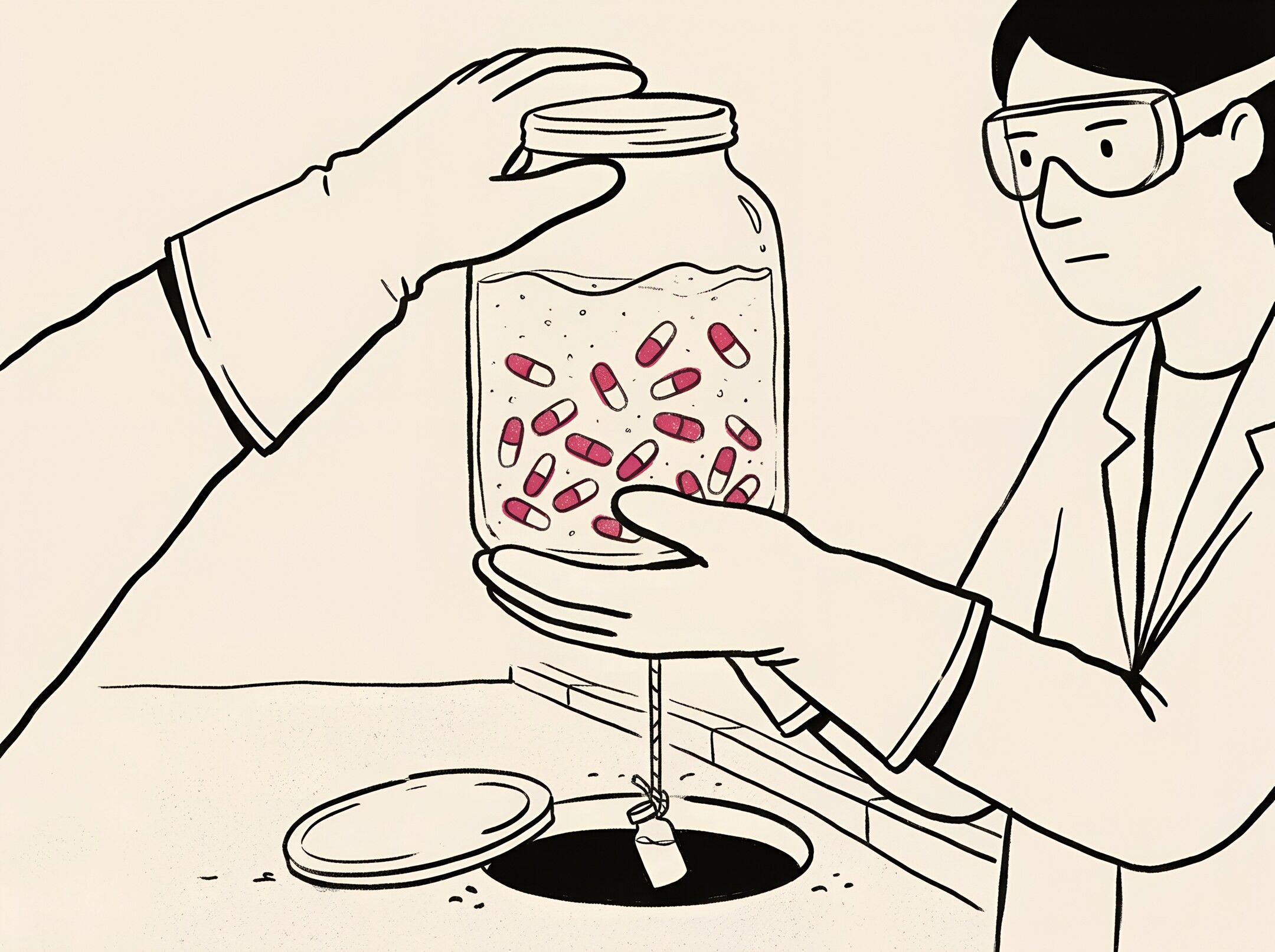
Europe is about to make wastewater monitoring for antimicrobial resistance routine, while researchers warn that the numbers it produces can't yet say how many people are affected or what risk they face.

A meta-analysis of 455 datasets finds that fertilisers made from separated urine and faeces perform as well as mineral fertiliser, so the open questions are now quality assurance and regulation.

Prague's draft law transposing the recast EU wastewater directive puts the investment bill at up to CZK 176 billion and gives a detailed view of what the rules mean for a central European member state.