New EU Rules for Drinking Water Materials
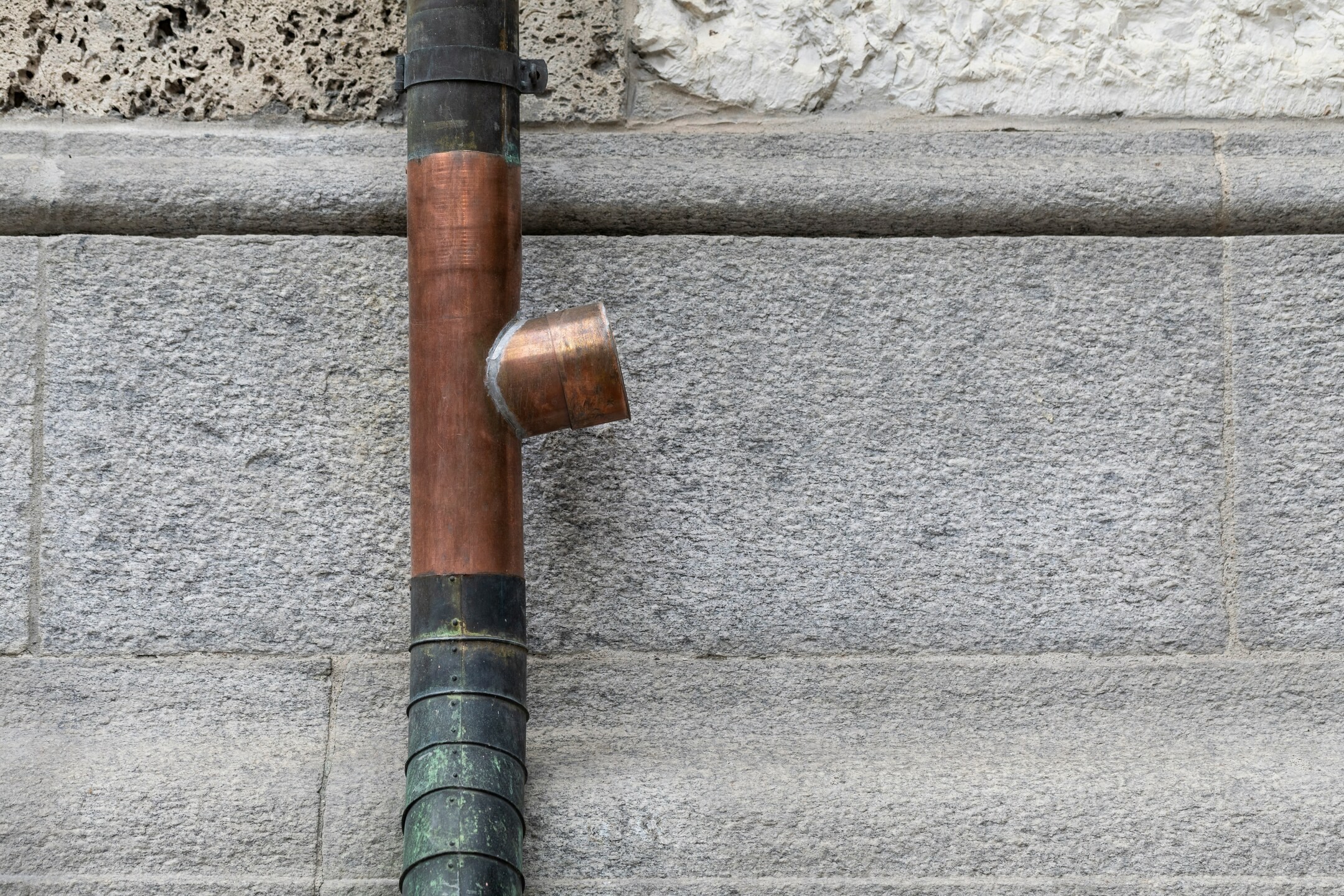
From 1 January 2027, harmonised EU requirements will apply to every material and product that comes into contact with drinking water – from pipes, valves and meters to the seals and coatings inside them. Built on Article 11 of the Drinking Water Directive, the system creates a single EU market for manufacturers and replaces national approval schemes that still differ from country to country. For utilities, contractors and distributors it is also a procurement issue: products installed after 2027 will have to meet the new rules.
What the new system covers
Under the Directive, materials used in new installations – or in existing ones during repair or reconstruction – that are in contact with water from abstraction through to distribution must not endanger human health, adversely affect the colour, odour or taste of water, enhance microbial growth, or leach contaminants at levels higher than their intended purpose requires. Once water leaves the tap, the rules on food contact materials take over.
The backbone of the system is the European positive list. Only the starting substances, compositions and constituents on it may be used, across four groups of materials: organic, cementitious, metallic, and enamels and ceramics or other inorganic materials. The Commission adopts the lists on the basis of scientific work by the European Chemicals Agency (ECHA), and substances carry expiry dates.

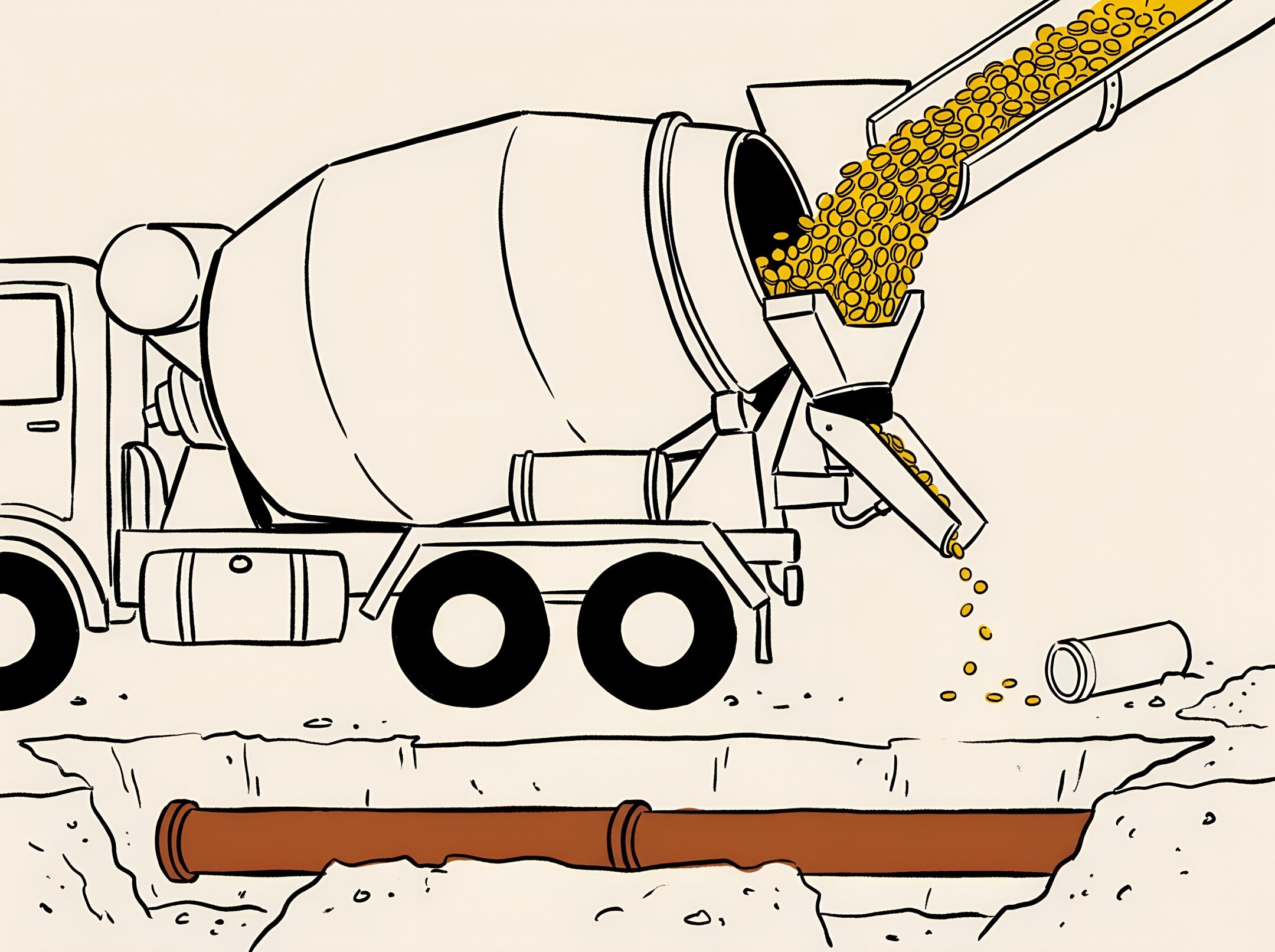

Europe's water utilities are investing 16% more than a year ago, but EurEau's latest figures show that construction inflation absorbed most of the increase and that pipe renewal has not sped up.
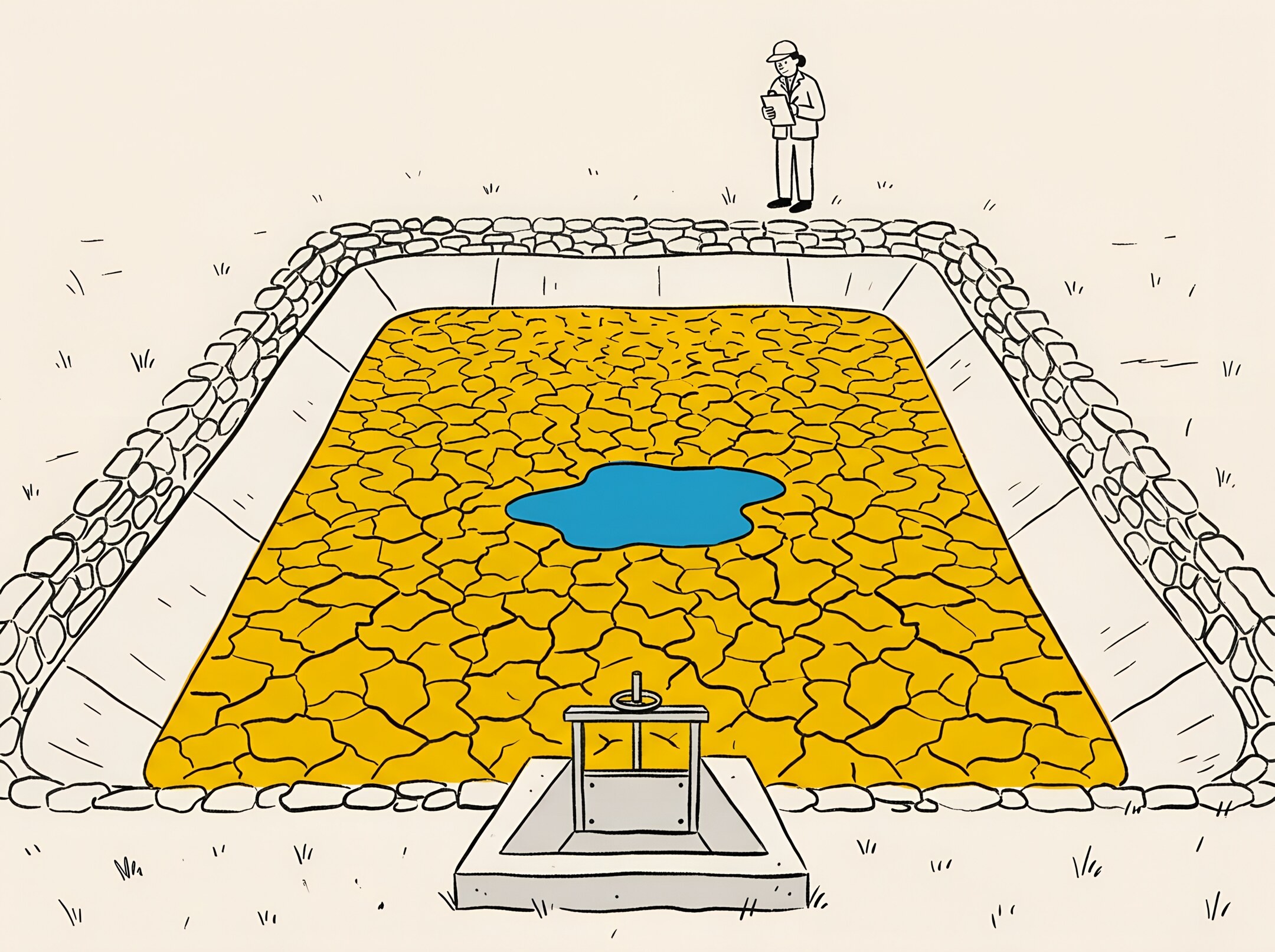

The Czech agriculture ministry can list pipelines, ponds and hectares after nine years of drought spending, but in the worst groundwater summer in decades it cannot yet show what they changed.
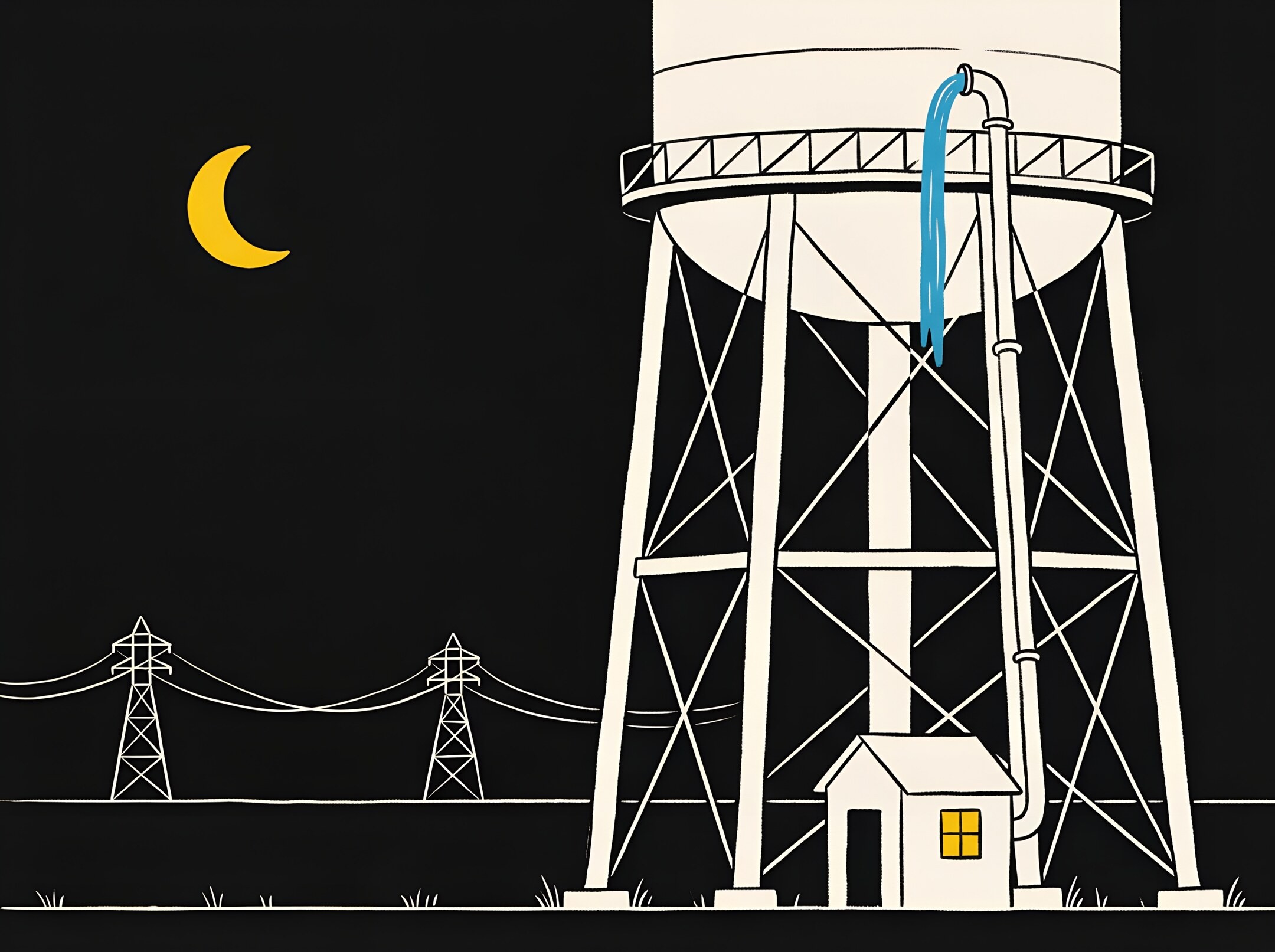
The Commission wants network tariffs to reward whoever can shift load away from the peak, and that makes pumping stations and aeration basins, which rarely feature in the debate, part of the argument.
The Commission's proposed Climate Resilience Law would give every member state the same warming path to plan against, put water security in every national plan and set deadlines that collide with the next river basin cycle.