Professional articles
In-depth analysis, technology comparisons and interviews.
Professional content is free to read with a W4 account.Create an accountSign in
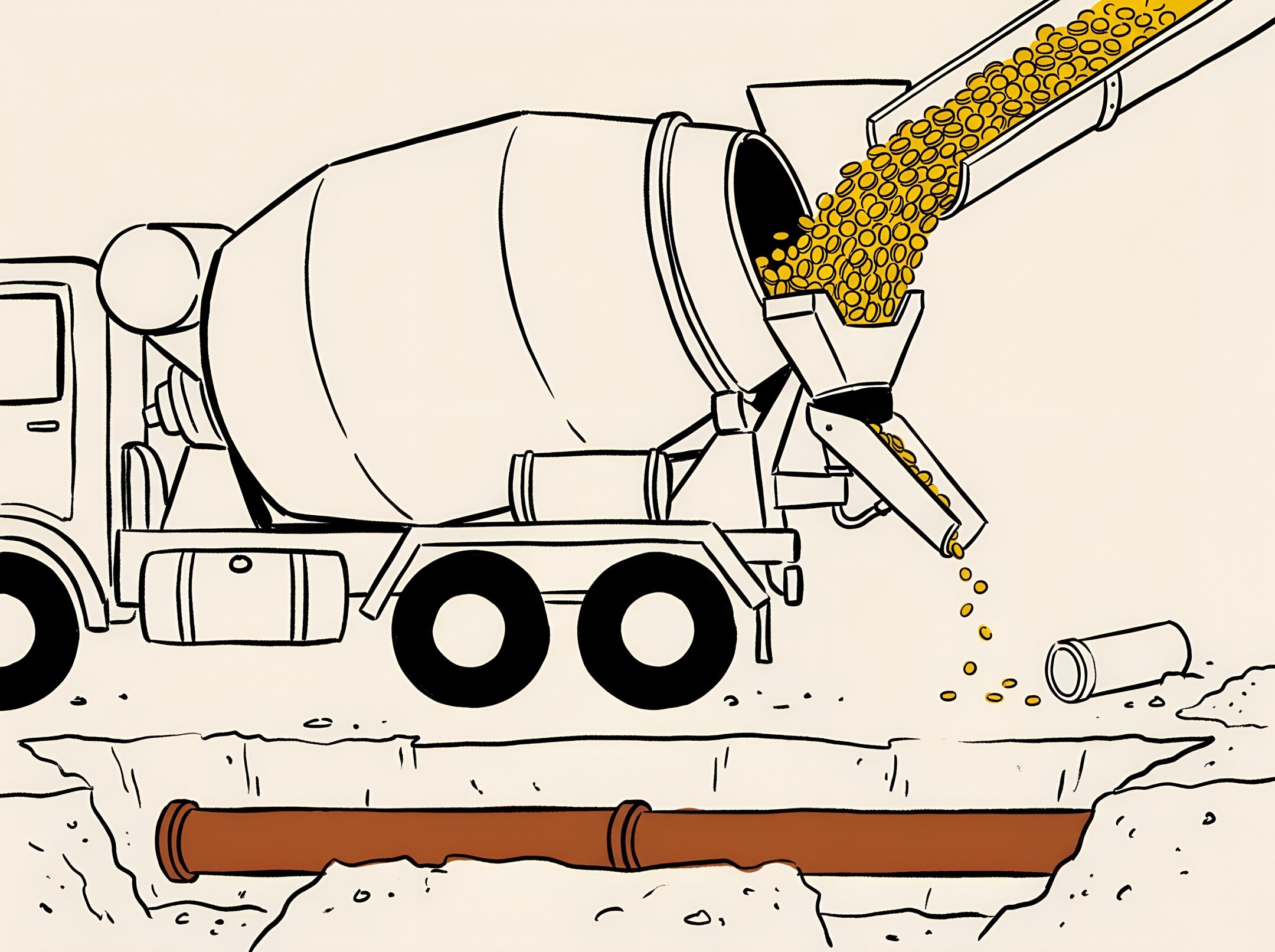

Europe's water utilities are investing 16% more than a year ago, but EurEau's latest figures show that construction inflation absorbed most of the increase and that pipe renewal has not sped up.
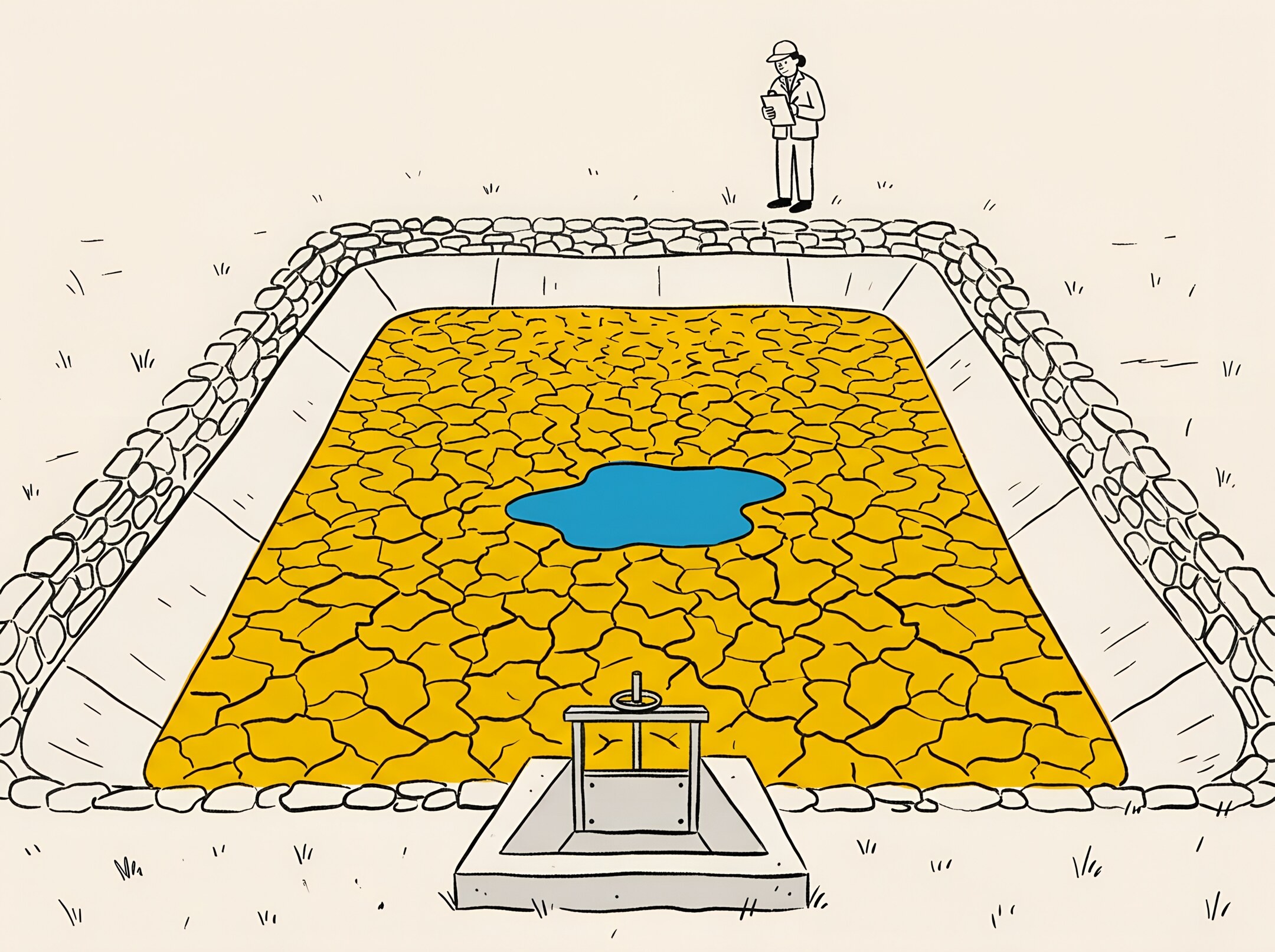

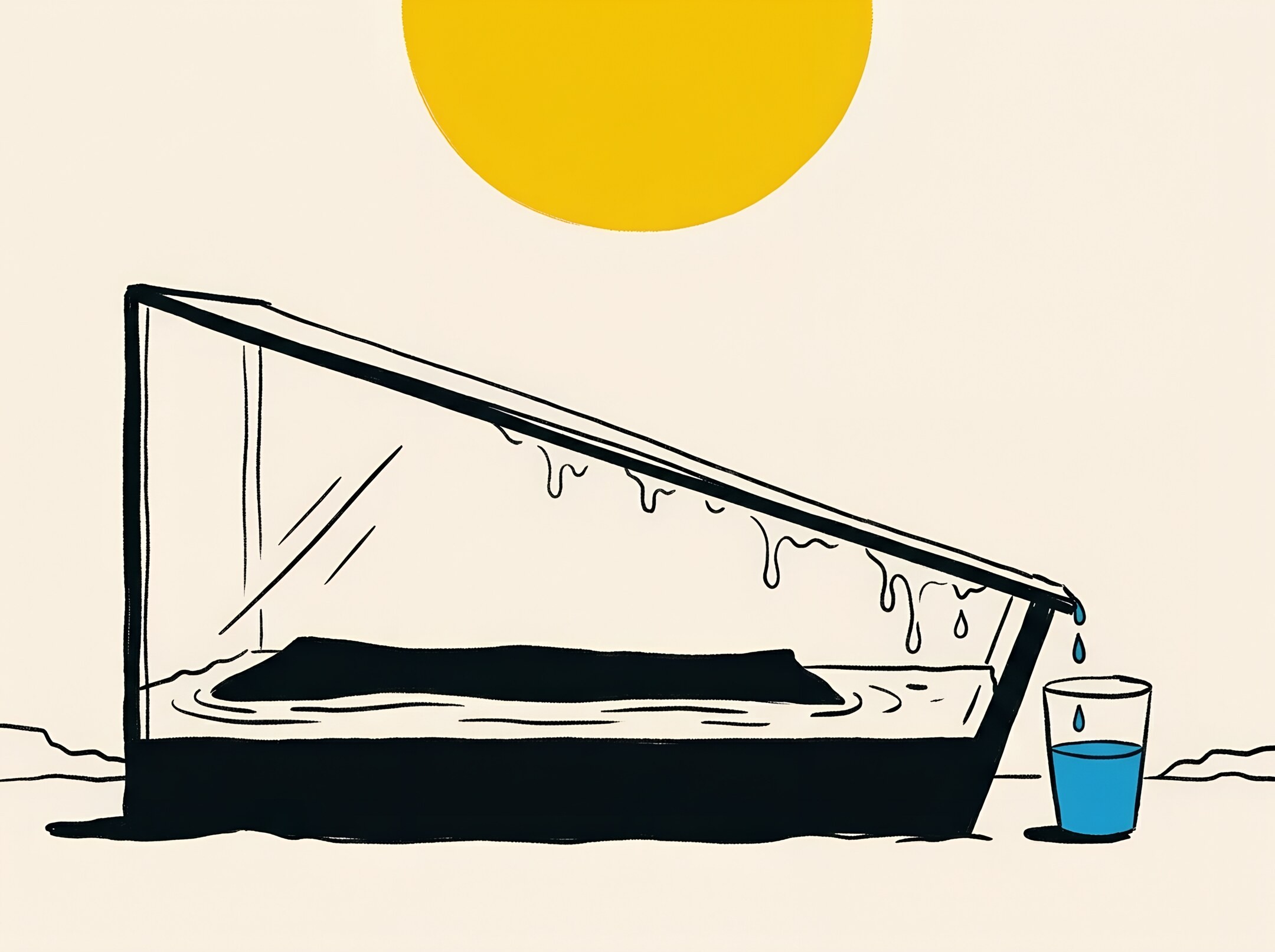
Researchers in China have used a global model to work out where solar-driven interfacial evaporation could supply drinking water, and how much – a promising result in which the assumptions matter as much as the headline.
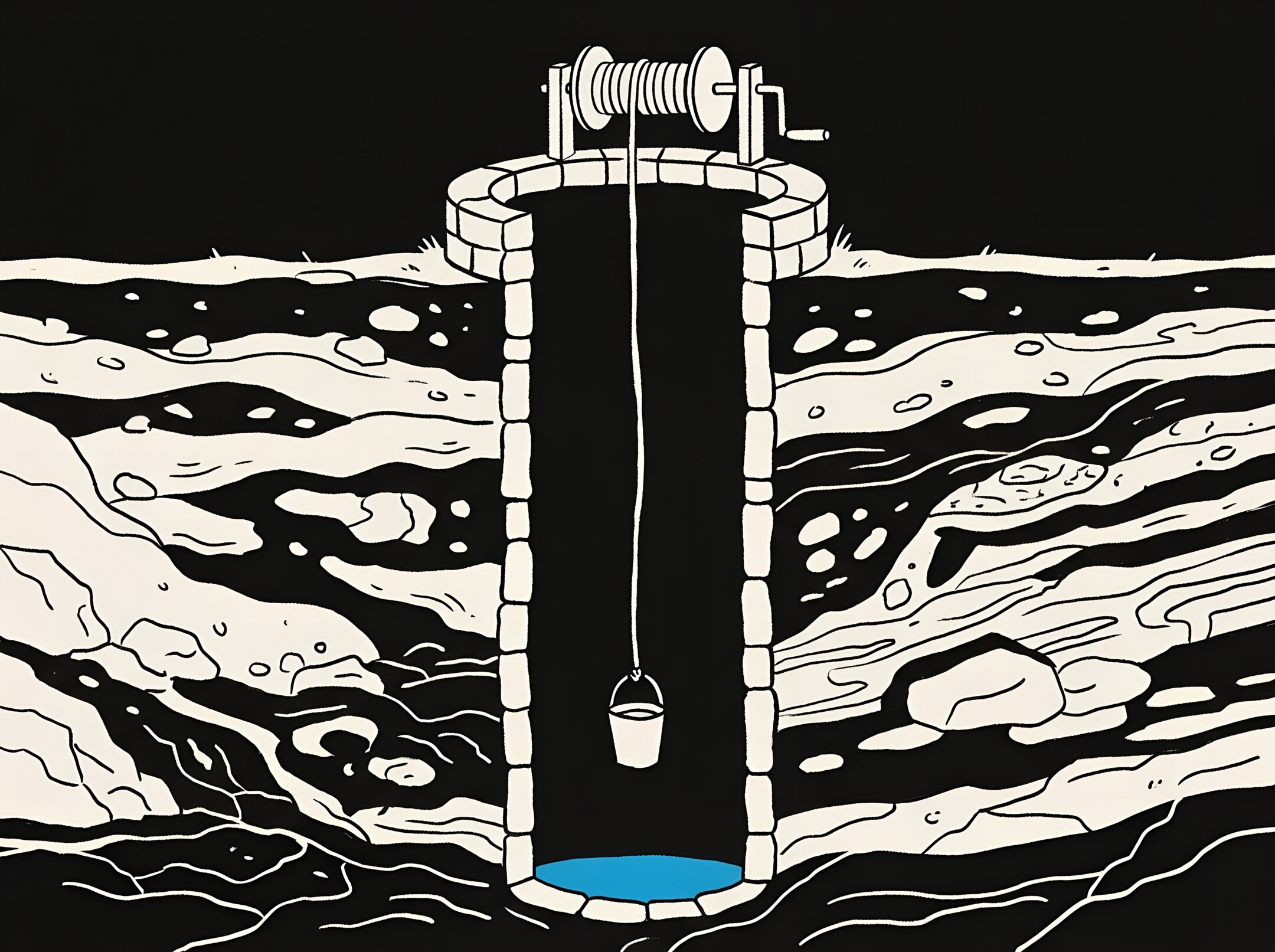
The World Meteorological Organization reports that river flows in 2025 were among the lowest in 35 years, with Central and Eastern Europe among the hardest-hit regions as groundwater declines year after year.
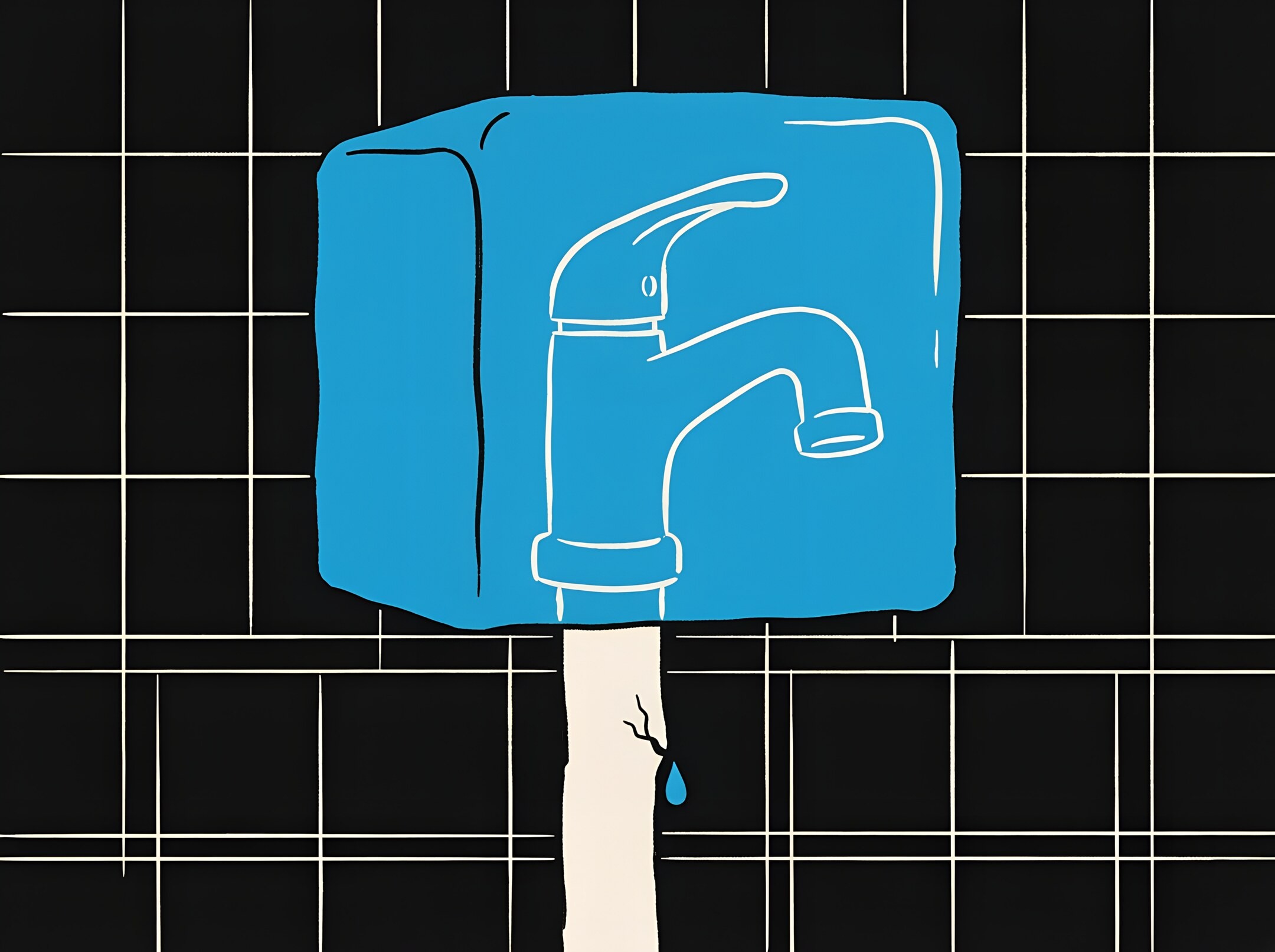
Drinking water in the United States has become 62% more expensive in ten years, while Eurostat shows Hungarian water prices did not move at all over the same period – two extremes that give two bad answers to the same question.
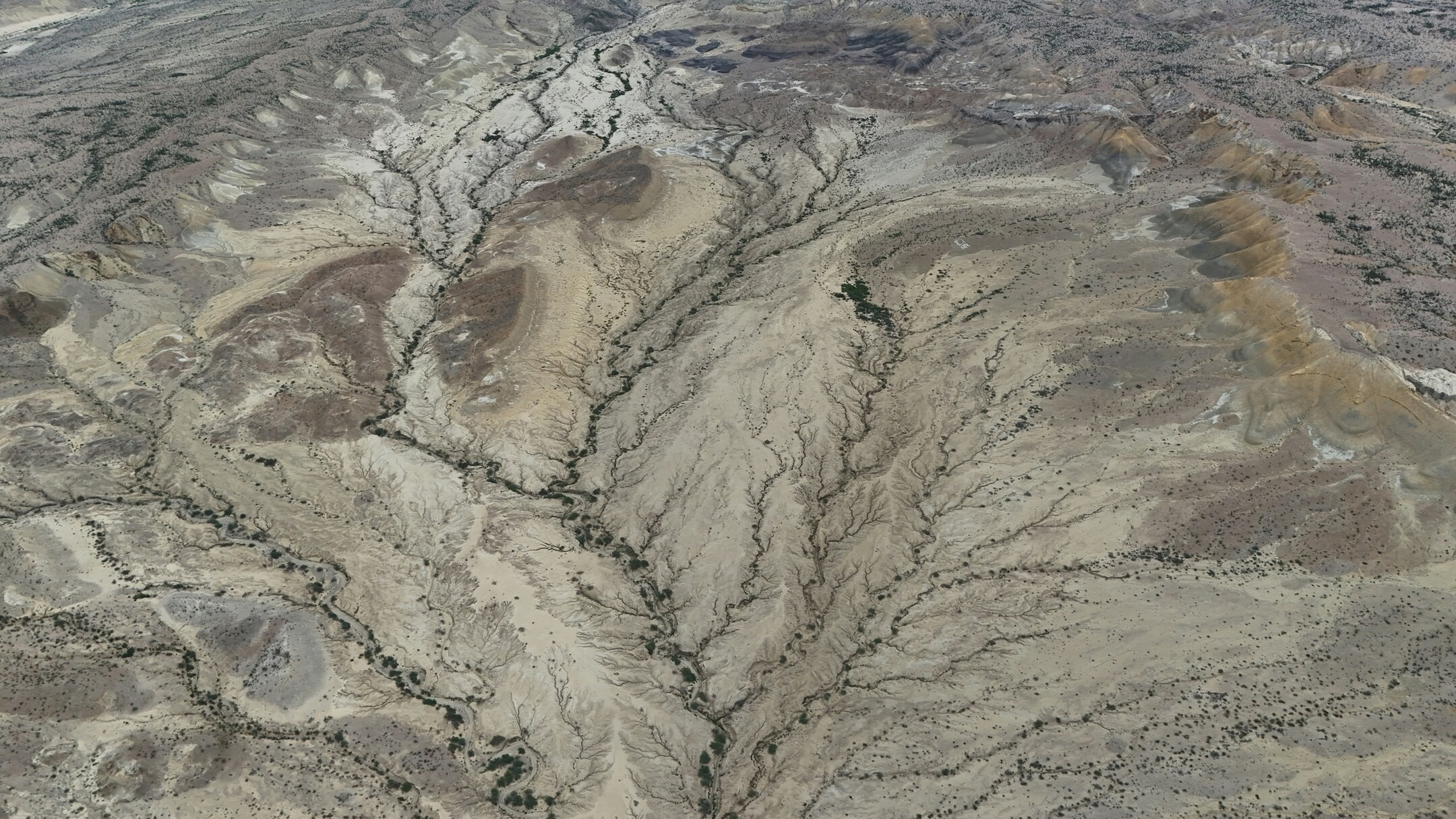
Streamflow records from 19,000 catchments show that a drying atmosphere does not translate evenly into river-flow deficits – a finding that argues for catchment-specific drought planning.

Satellite gravity data show that the snow-fed Upper Colorado River Basin lost more groundwater in the latest drought than the drier Lower Basin – a warning about what surface monitoring misses.

The European Commission's new Water Resilience Investment Accelerator will help 20 pilot projects become bankable and attract private finance, with applications open until the end of October.

The Commission has promised a new water initiative to tackle leakage, while the Drinking Water Directive already sets a binding timetable for measuring and reducing network losses.
From 1 January 2027, harmonised EU hygiene requirements will apply to pipes, fittings and seals in contact with drinking water – yet a new survey suggests most manufacturers are not ready.
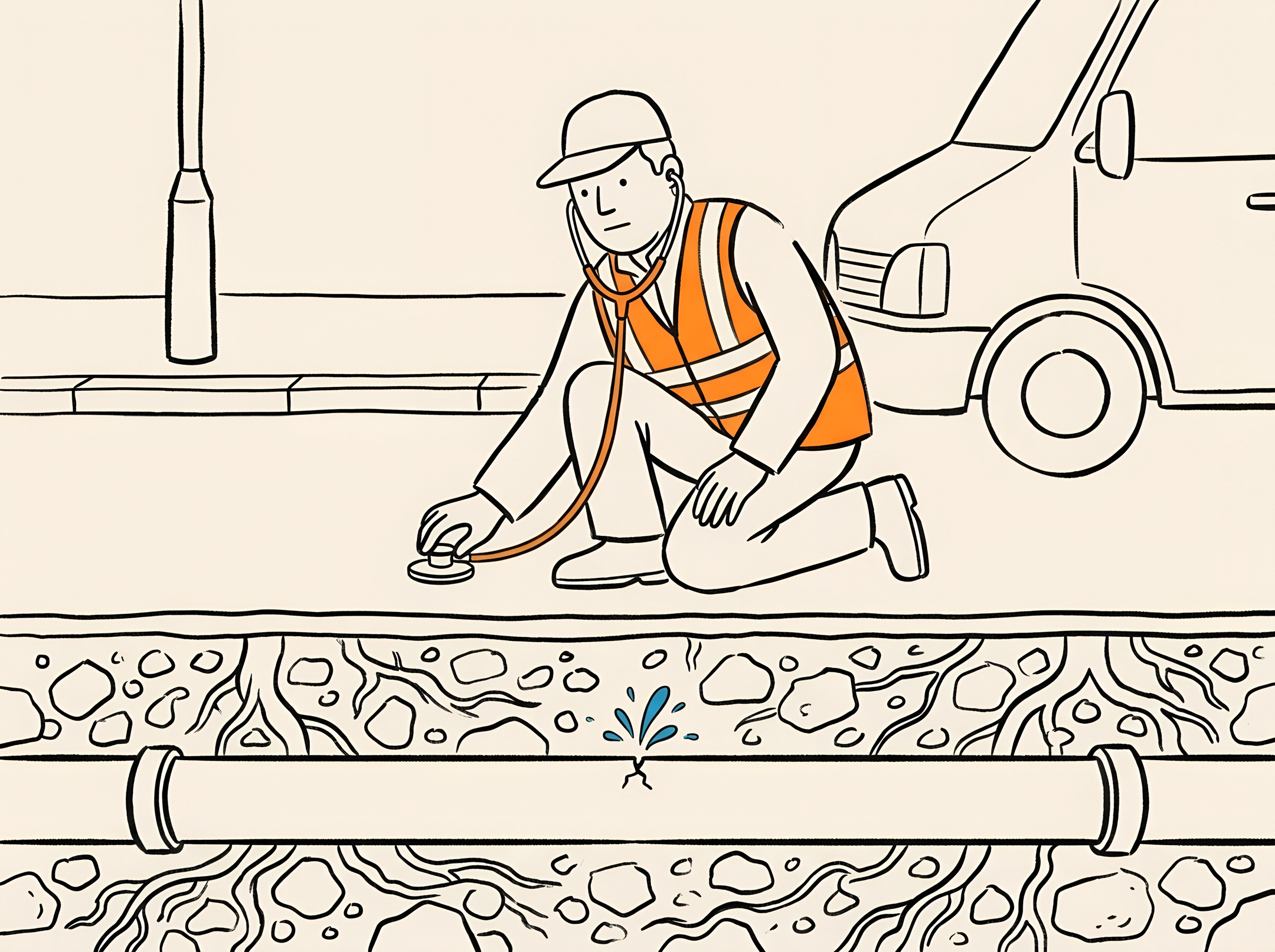
Together, artificial intelligence and IoT sensors can predict pipe bursts, optimise network pressure and cut distribution losses in real time.