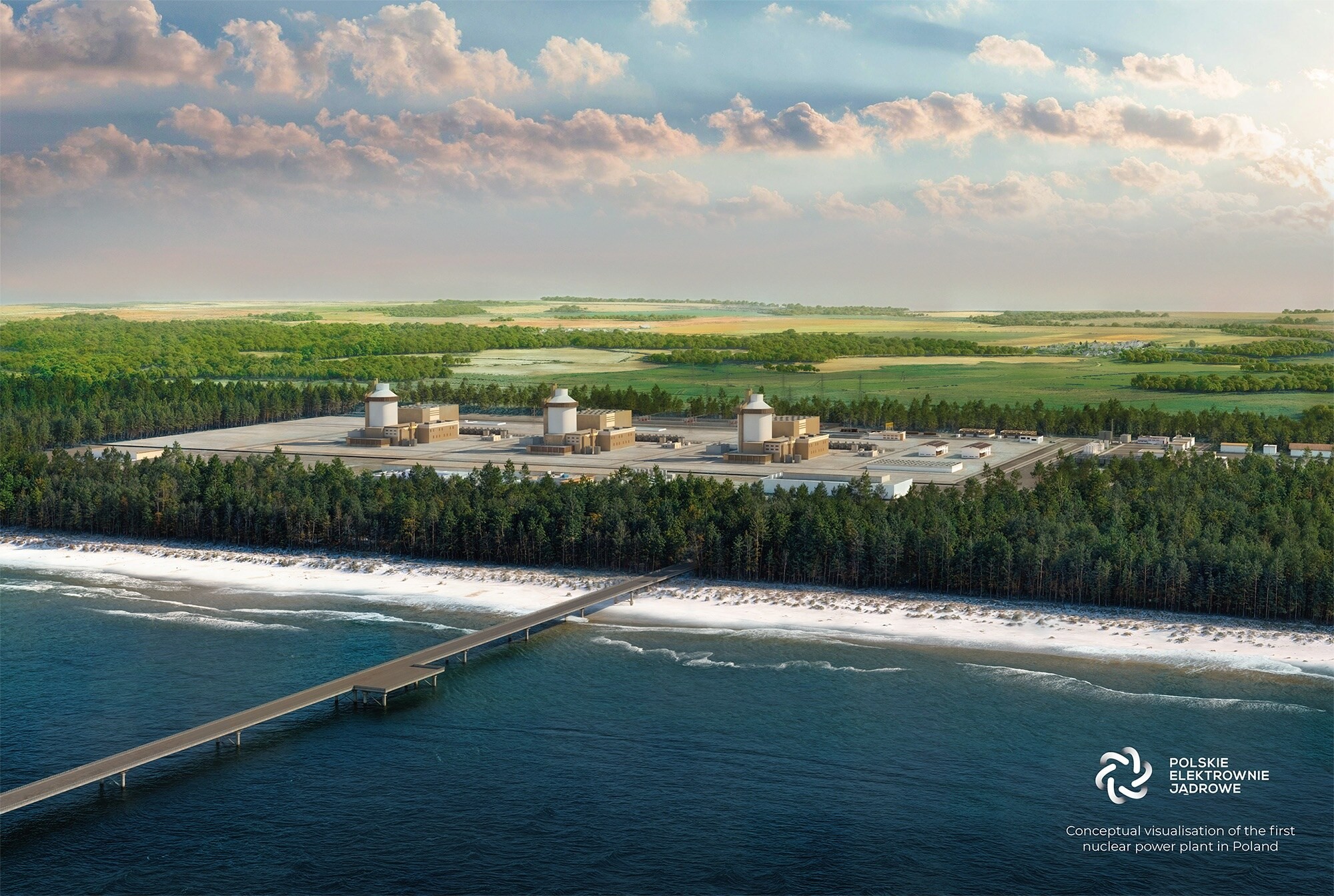
WMO: River Flows Among Lowest in 35 Years
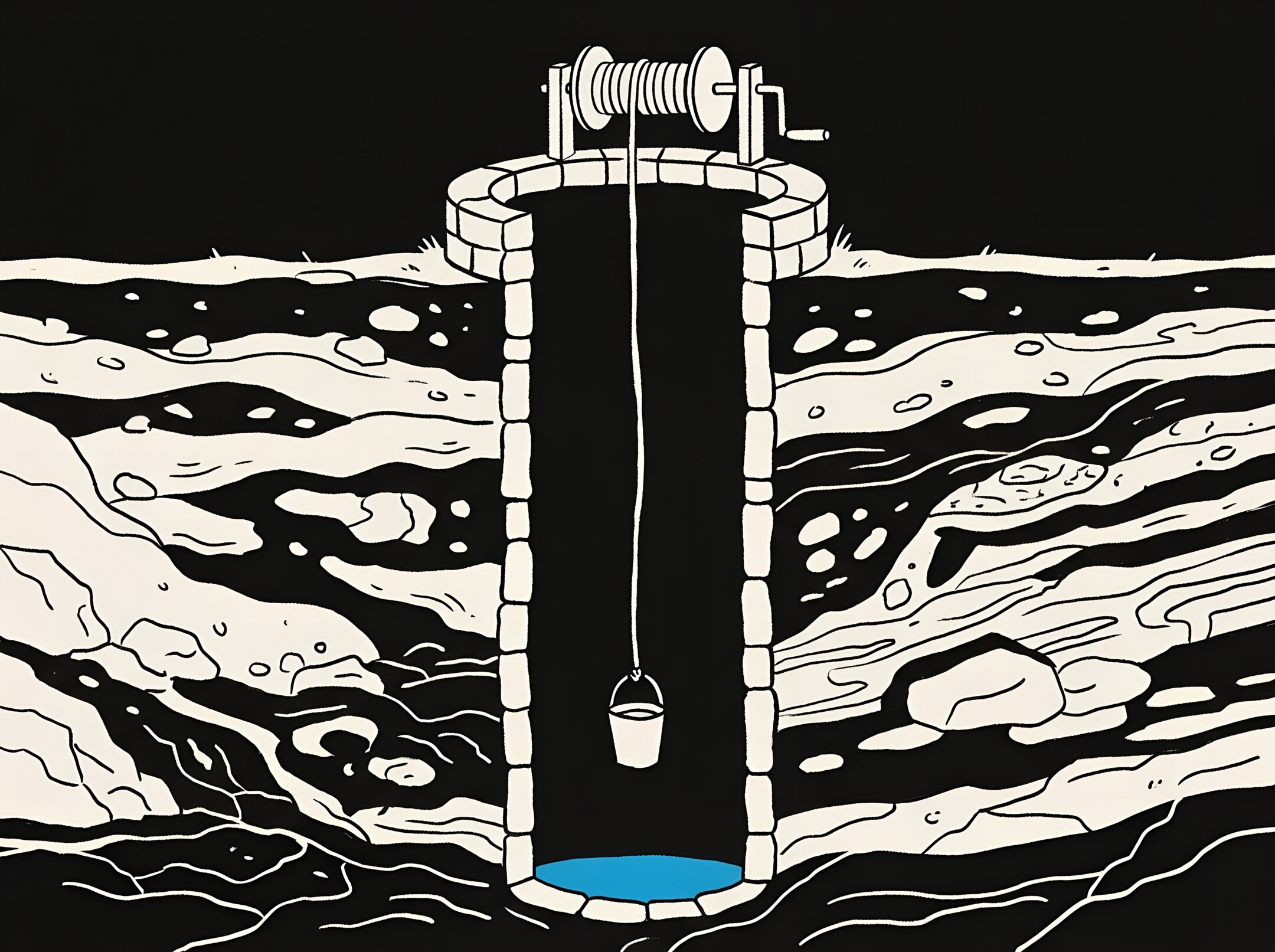
The World Meteorological Organization's report on global water resources in 2025, published on 17 September (WMO, 2026), finds that last year was one of the driest for river flows in 35 years. The report is not about one bad year but about a pattern that has now lasted seven – and Central and Eastern Europe is on the losing side of it.
Seven years of unusual river flows
Drawing on simulations from 13 global hydrological models, the WMO found that below-normal discharge affected 36% of the world's basin area in 2025. For the seventh year in a row, only 34–38% of basins were in "normal" condition, against a 1991–2020 average of 46%. These seven years have seen the fewest rivers with normal flows since 1991.
Lake and reservoir levels followed the same geographical pattern as rivers. In Europe, Eastern European basins saw below-normal to much-below-normal discharge, and the WMO reports severe drought in Eastern Europe, the Mediterranean and the Middle East. Snow was below normal across Europe.

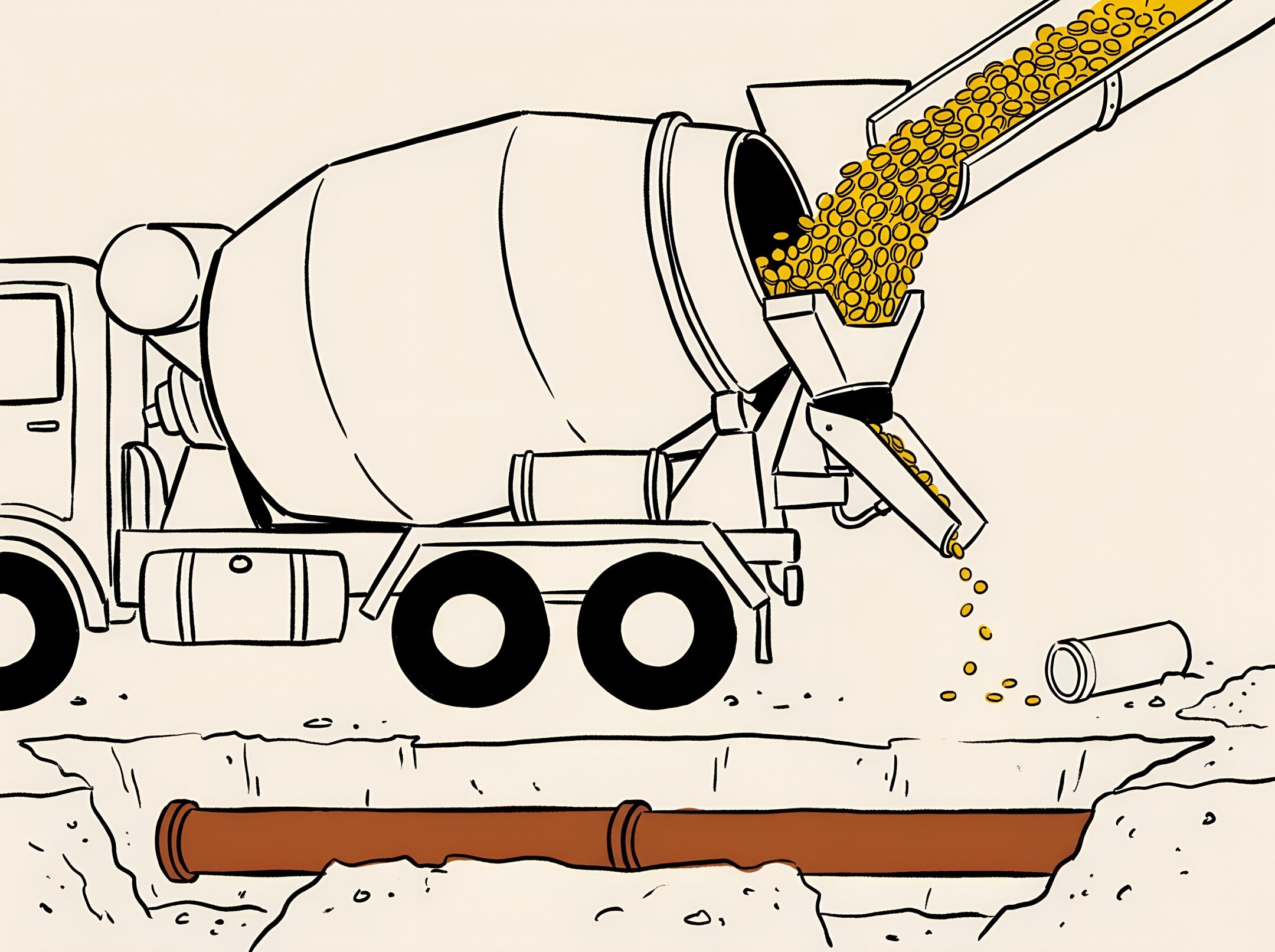

Europe's water utilities are investing 16% more than a year ago, but EurEau's latest figures show that construction inflation absorbed most of the increase and that pipe renewal has not sped up.
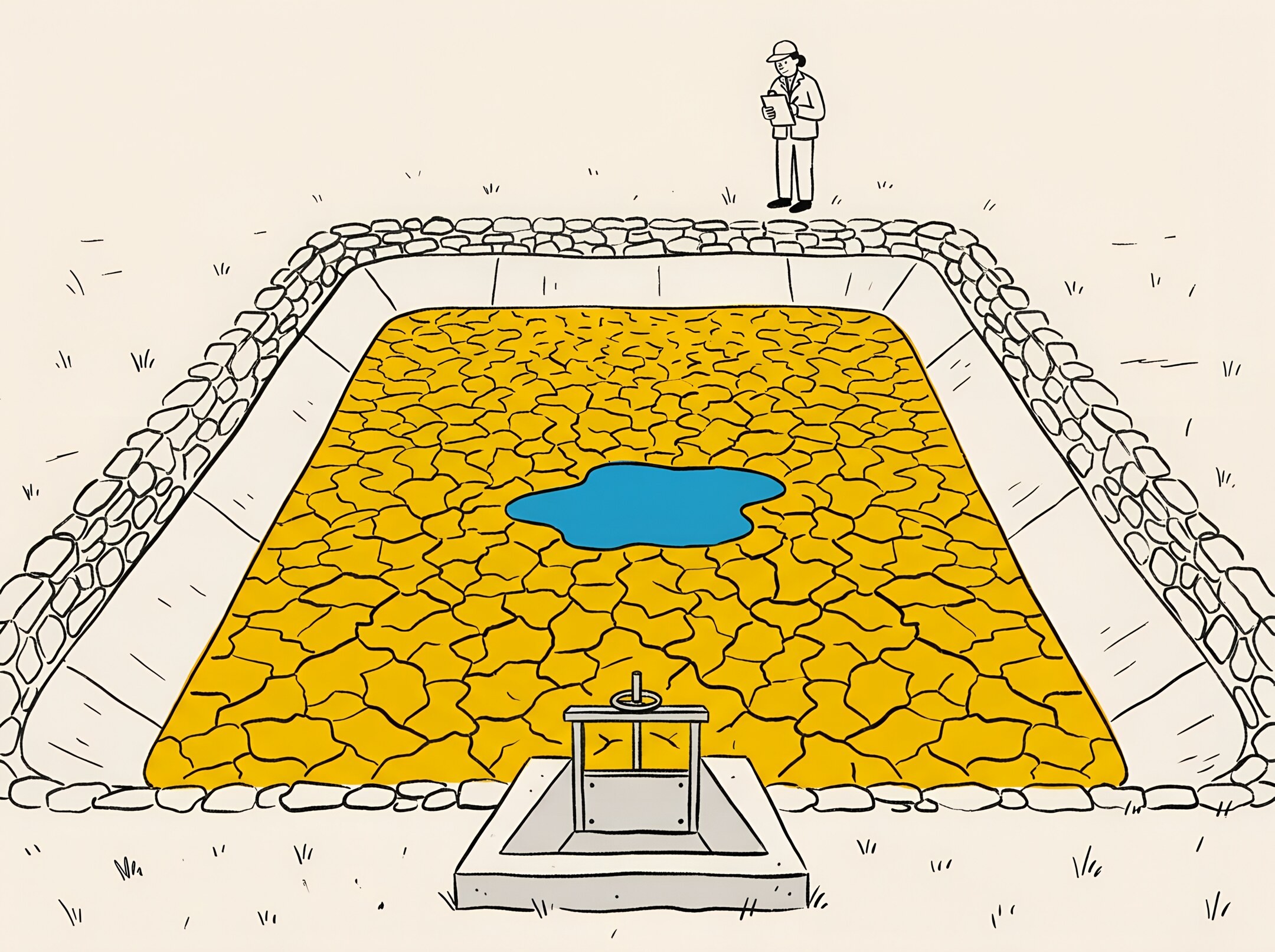

The Czech agriculture ministry can list pipelines, ponds and hectares after nine years of drought spending, but in the worst groundwater summer in decades it cannot yet show what they changed.
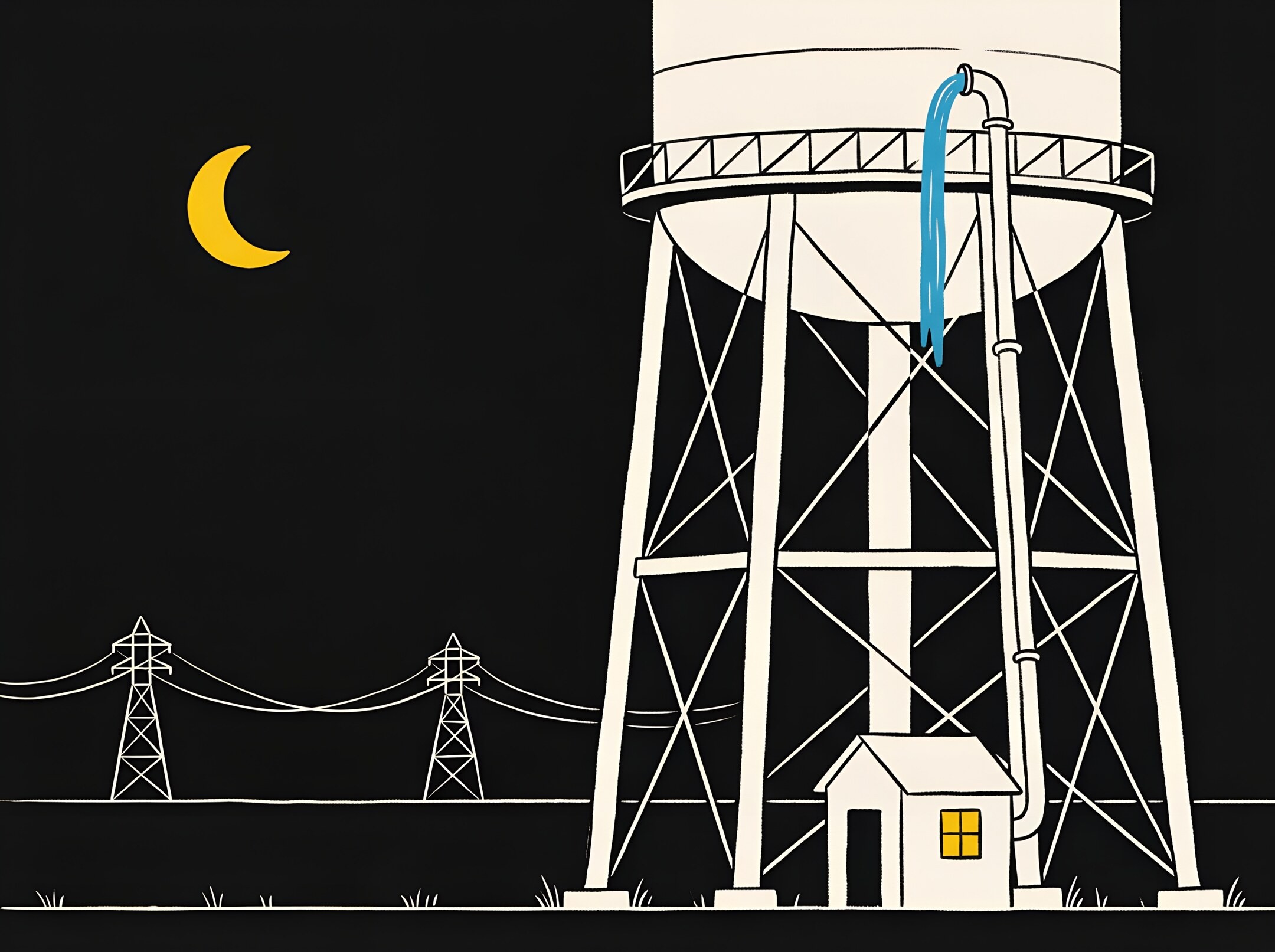
The Commission wants network tariffs to reward whoever can shift load away from the peak, and that makes pumping stations and aeration basins, which rarely feature in the debate, part of the argument.
The Commission's proposed Climate Resilience Law would give every member state the same warming path to plan against, put water security in every national plan and set deadlines that collide with the next river basin cycle.