Central Europe's Nuclear Build-Out Gathers Pace
In a single week in early October, three moves showed Central Europe's nuclear programmes shifting from planning towards delivery. Westinghouse placed orders with Polish suppliers, ČEZ filed the environmental documentation for its small modular reactor, and Slovakia took its new unit's developer fully into state hands. The region's four programmes are taking four different routes, in technology, ownership and financing alike. For suppliers and investors, the differences say as much as the headlines.
Poland: a timetable and state money
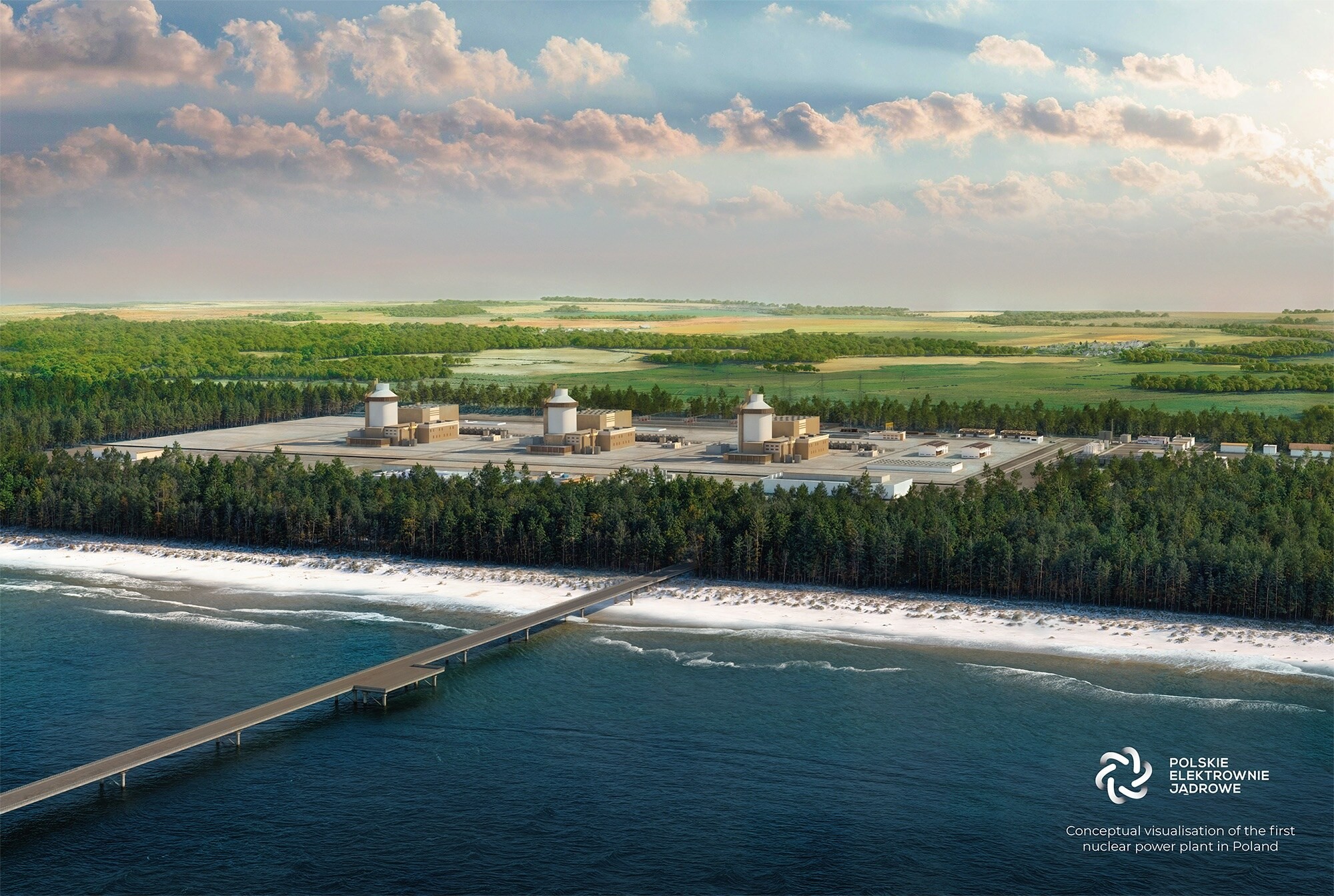
Poland's government adopted an update to its nuclear power programme on 29 September, published in the official gazette on 6 October (Rada Ministrów, 2026). The programme plans 6–9 GWe of nuclear capacity at two plants. For the first, three Westinghouse AP1000 units at Lubiatowo-Kopalino in Pomerania, the timetable is:
- first nuclear concrete: 2028;
- commercial operation of unit 1 in 2036, unit 2 in 2037 and unit 3 in 2038.
For the second plant, technology will be chosen in 2027 and the site in 2028, with first concrete in 2032 and the first two units in 2040 and 2041 – dates the programme itself describes as preliminary.


A new KfW study says Germany must more than double its yearly climate investment, and it leaves the hardest financing problem on the balance sheets of municipal utilities.
The Commission wants network tariffs to reward whoever can shift load away from the peak, and that makes pumping stations and aeration basins, which rarely feature in the debate, part of the argument.
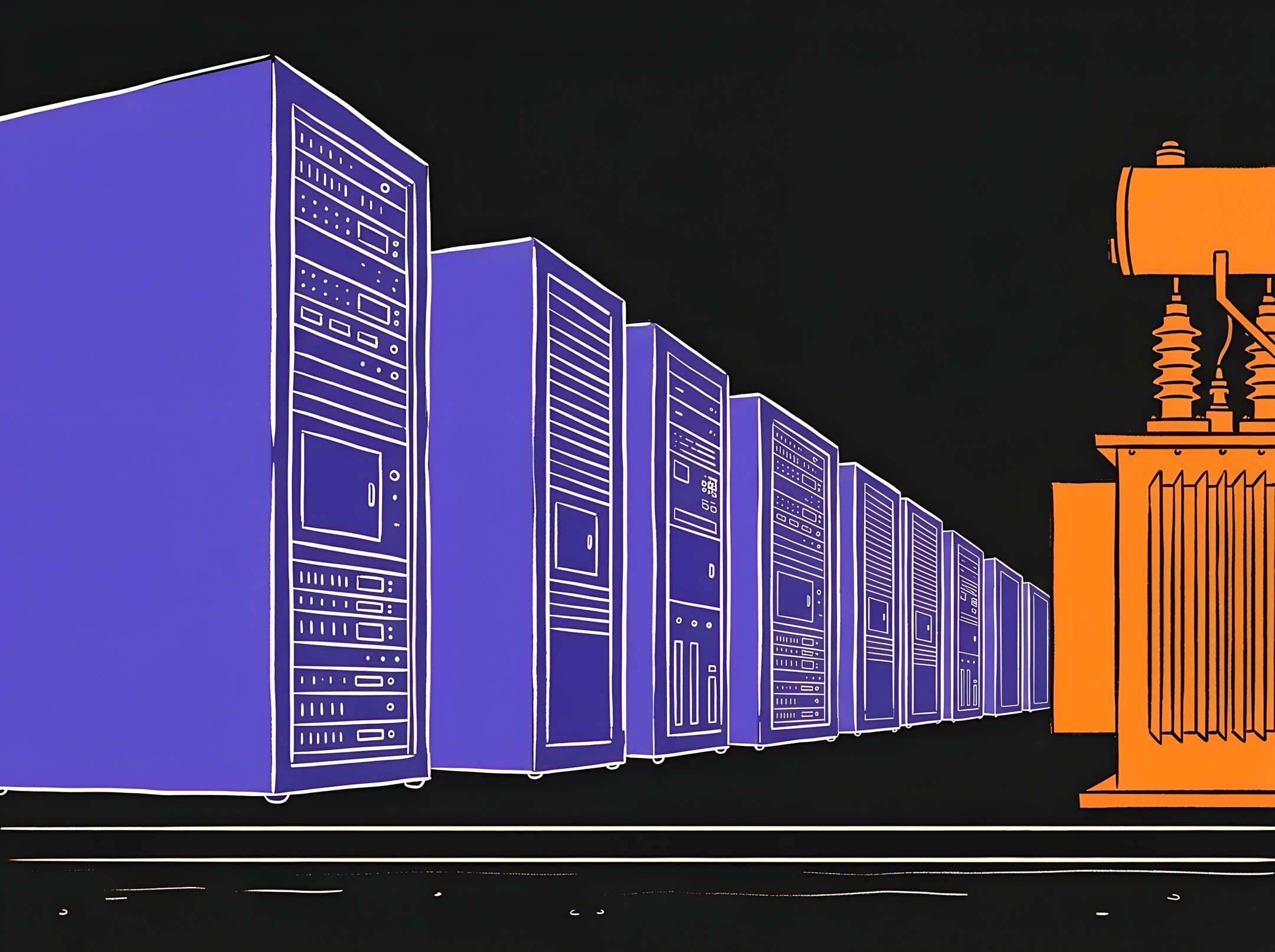
The International Energy Agency has reviewed 134 policies and regulations for fitting data centres into power systems, and its clearest lesson is that a flexible connection is faster than waiting for firm capacity.
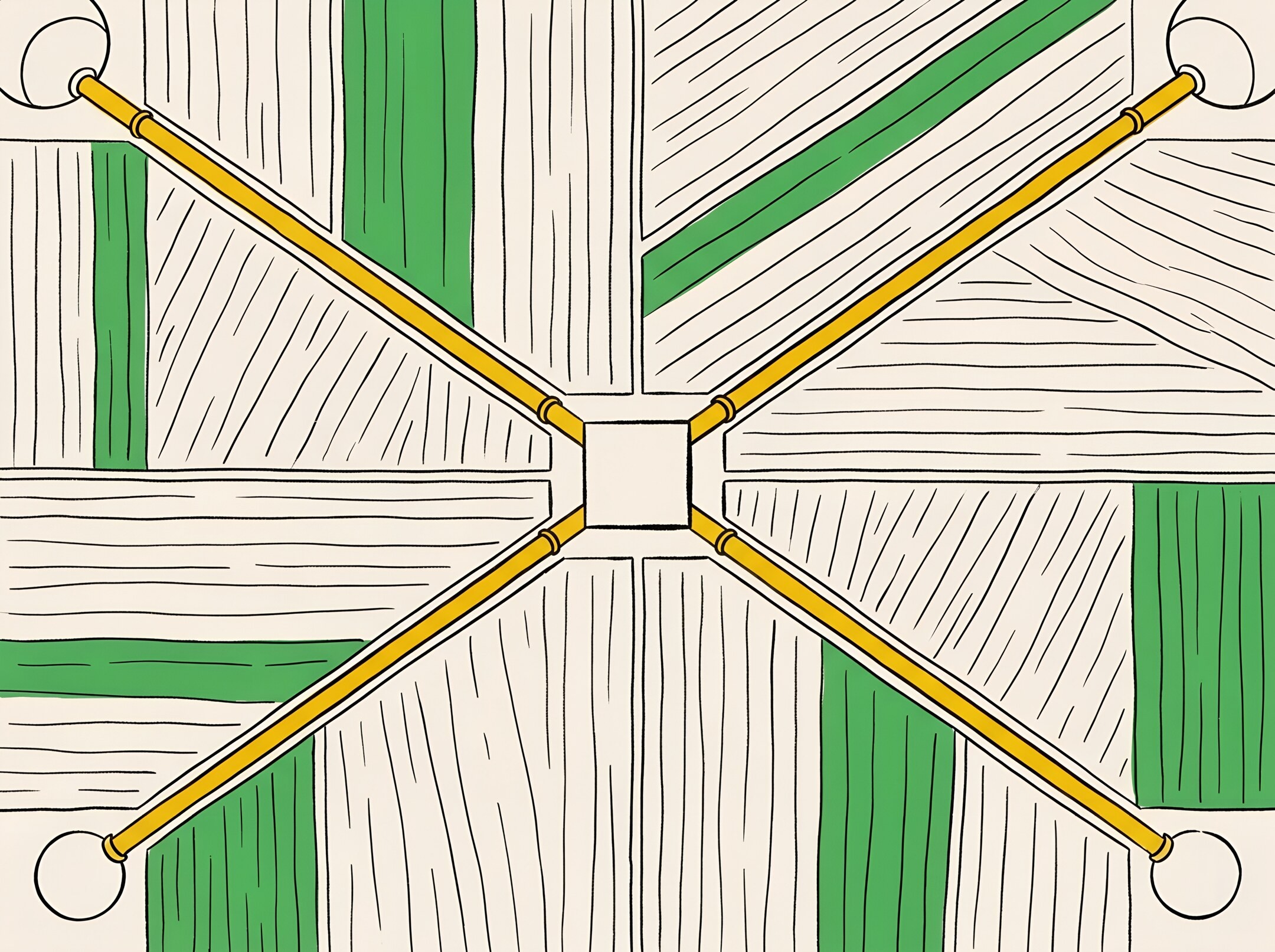
Calculations by the DVGW research centre in Karlsruhe show that if small biogas plants reach the gas grid through a shared upgrading unit and injection point, investment falls by up to 55% and the biomethane injected rises by 16% compared with connecting plants one by one.