European Industry Pays Twice as Much for Power
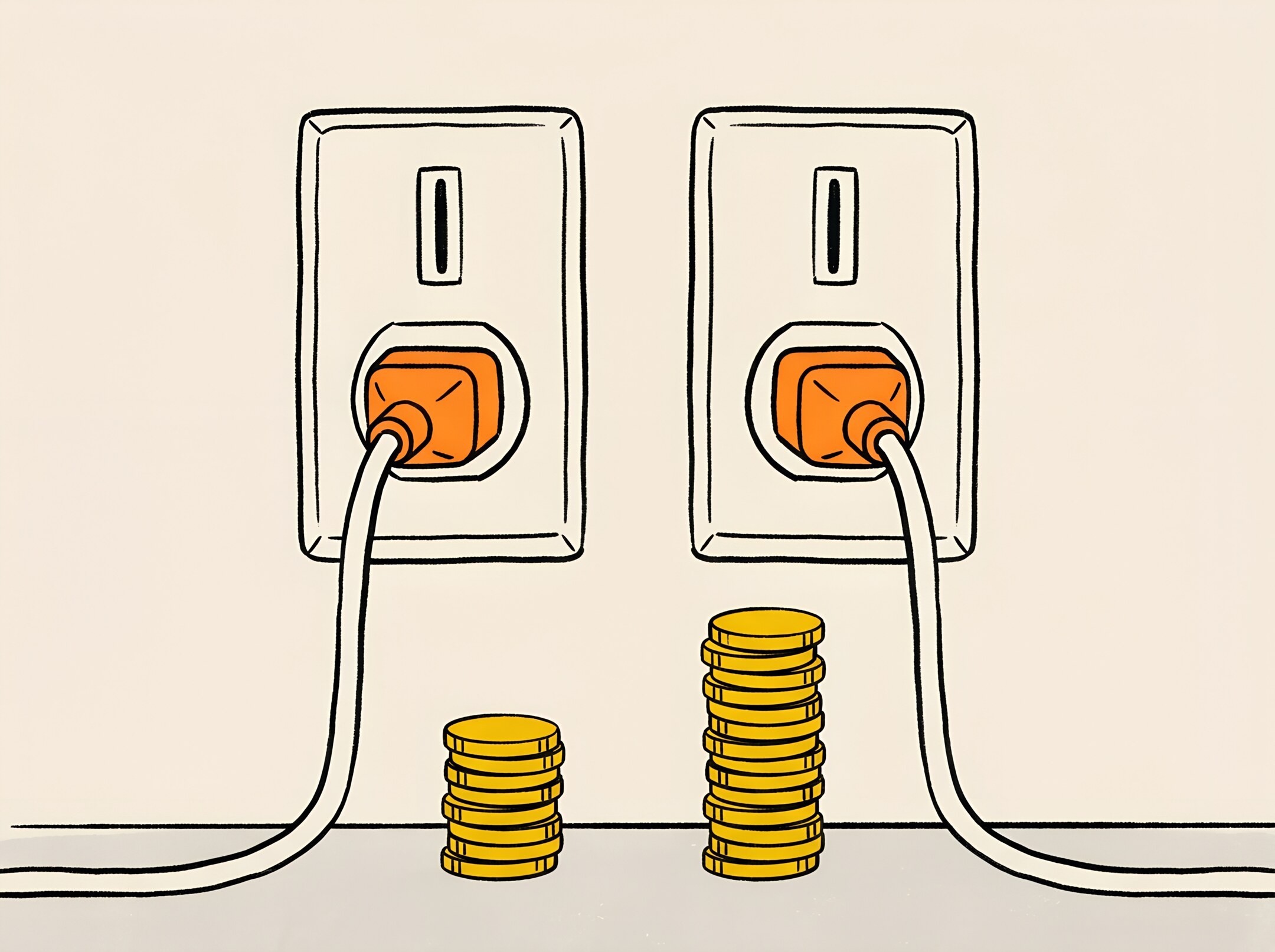
Electricity is one of the largest operating costs for water utilities, biogas plants and energy-intensive industry. A new BloombergNEF (BNEF) analysis compares retail power prices in 37 markets from 2019 to 2025, and its findings make uncomfortable reading for European industry. In 2025 a German industrial customer paid twice as much per megawatt-hour as an American one, and a British customer three times as much (Cuming, 2026).
Hungarian data add a further twist. According to Eurostat figures for the first half of 2026, updated on 19 October, Hungarian businesses pay more for power than German ones before VAT, and taxes are not the reason.
37 markets, six years, adjusted for inflation
BNEF compared household and industrial retail prices in real terms, in US dollars, between 2019 and 2025. The US figure averages all 50 states and Washington DC. In about three-quarters of the markets, power prices rose faster than inflation. Industrial prices rose by 24% in real terms on average, household prices by 12% (Cuming, 2026).

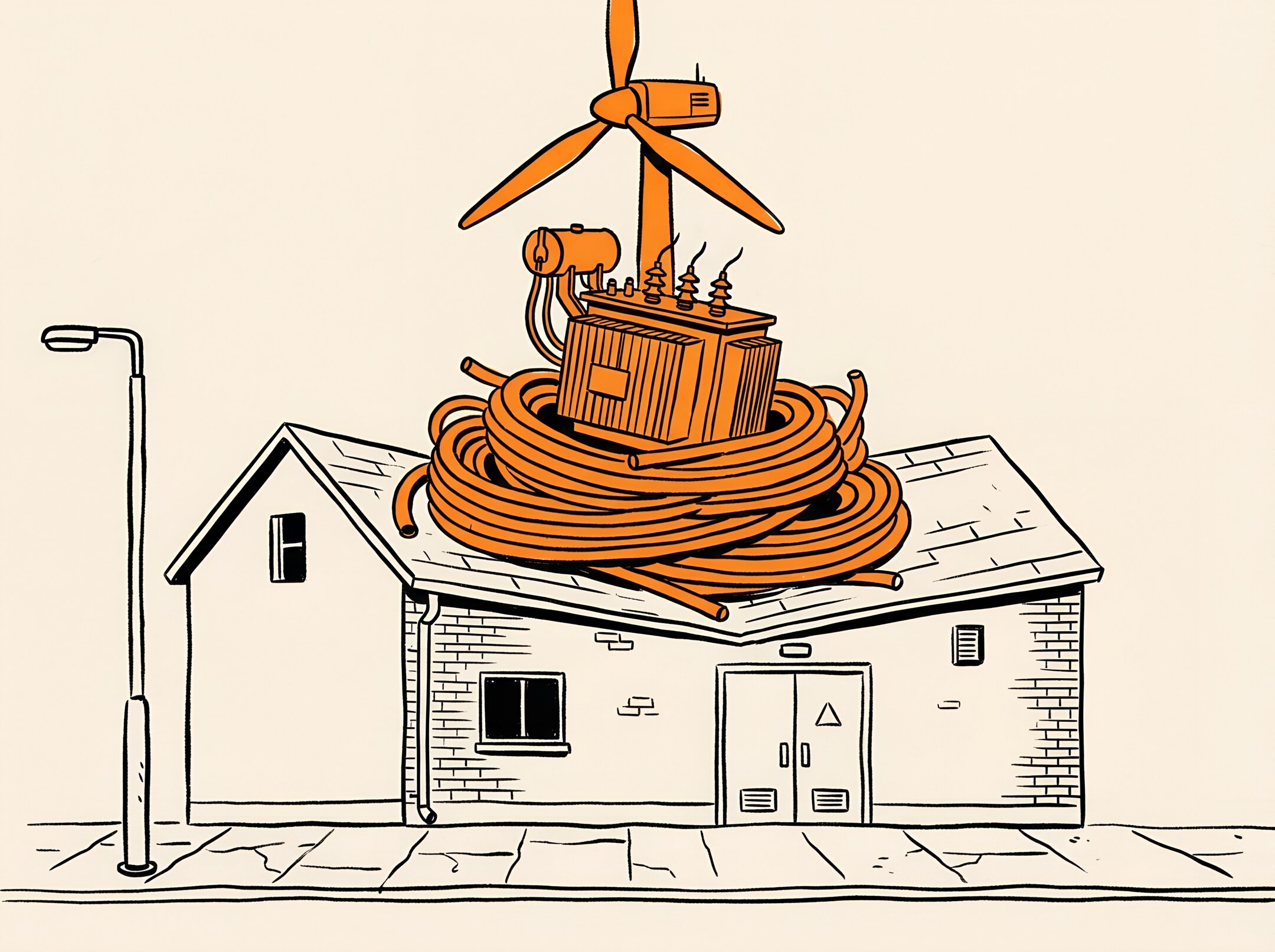

A new KfW study says Germany must more than double its yearly climate investment, and it leaves the hardest financing problem on the balance sheets of municipal utilities.
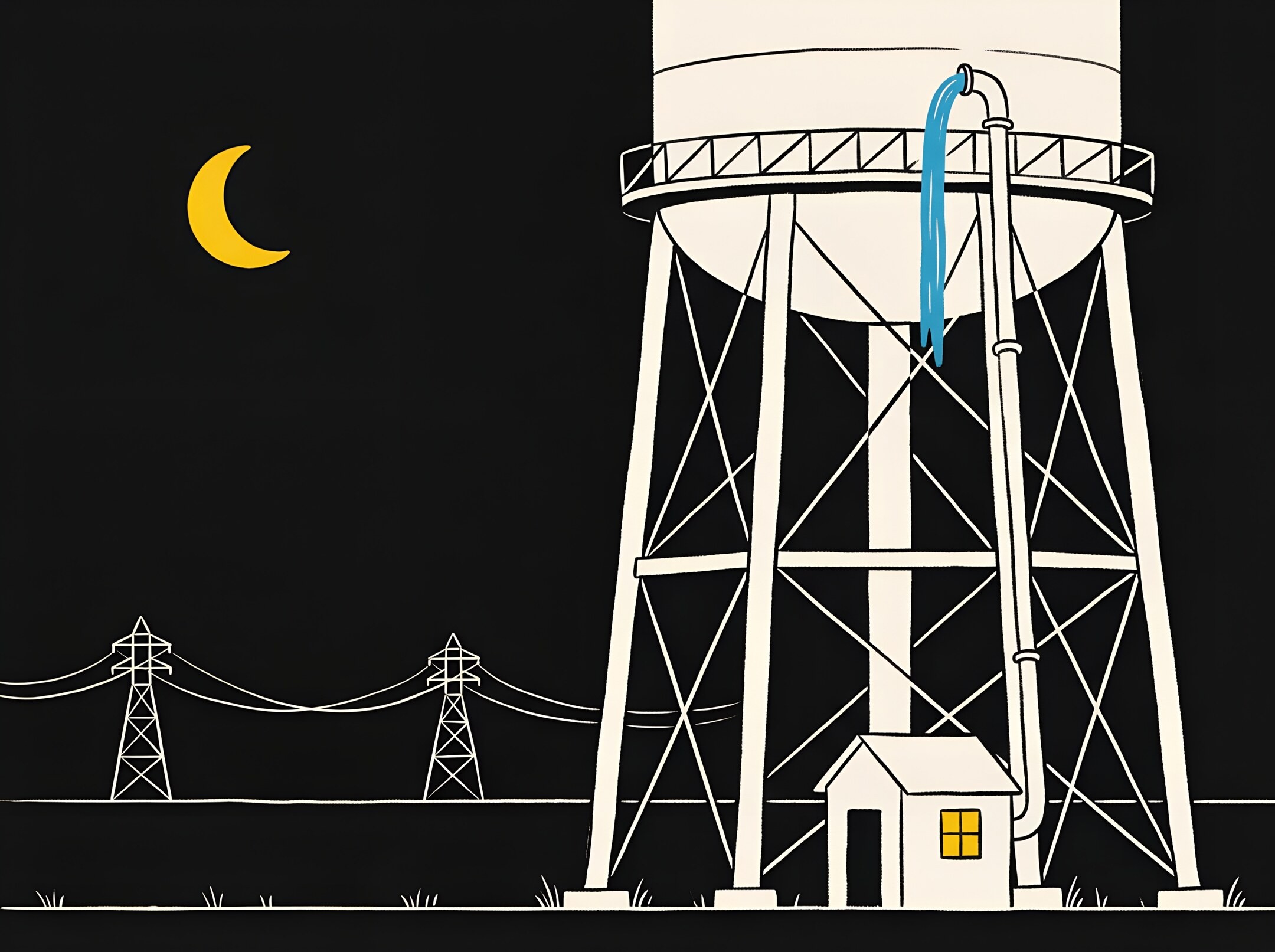
The Commission wants network tariffs to reward whoever can shift load away from the peak, and that makes pumping stations and aeration basins, which rarely feature in the debate, part of the argument.
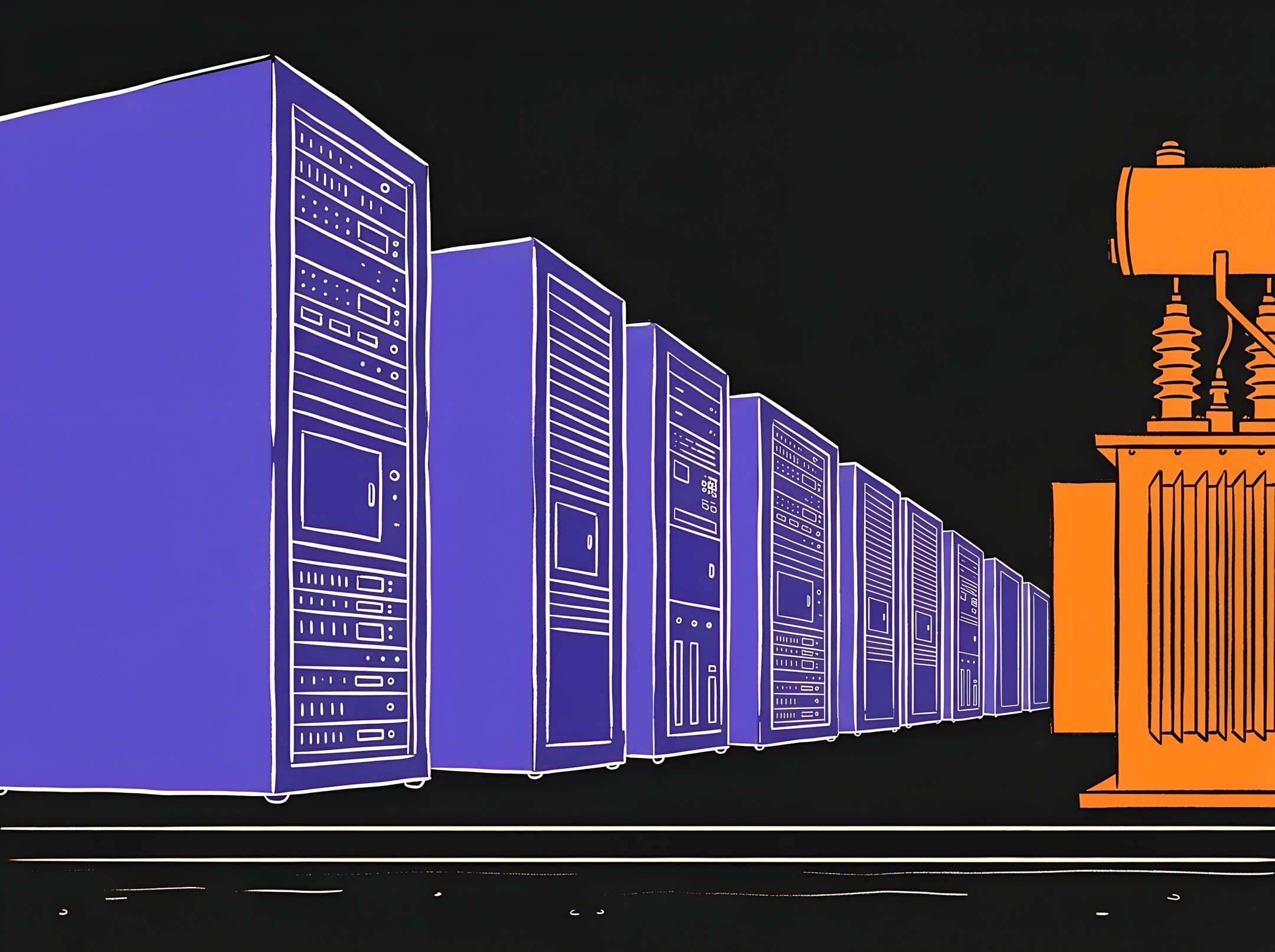
The International Energy Agency has reviewed 134 policies and regulations for fitting data centres into power systems, and its clearest lesson is that a flexible connection is faster than waiting for firm capacity.

Calculations by the DVGW research centre in Karlsruhe show that if small biogas plants reach the gas grid through a shared upgrading unit and injection point, investment falls by up to 55% and the biomethane injected rises by 16% compared with connecting plants one by one.