Germany's €6 Trillion Climate Bill: Who Pays?
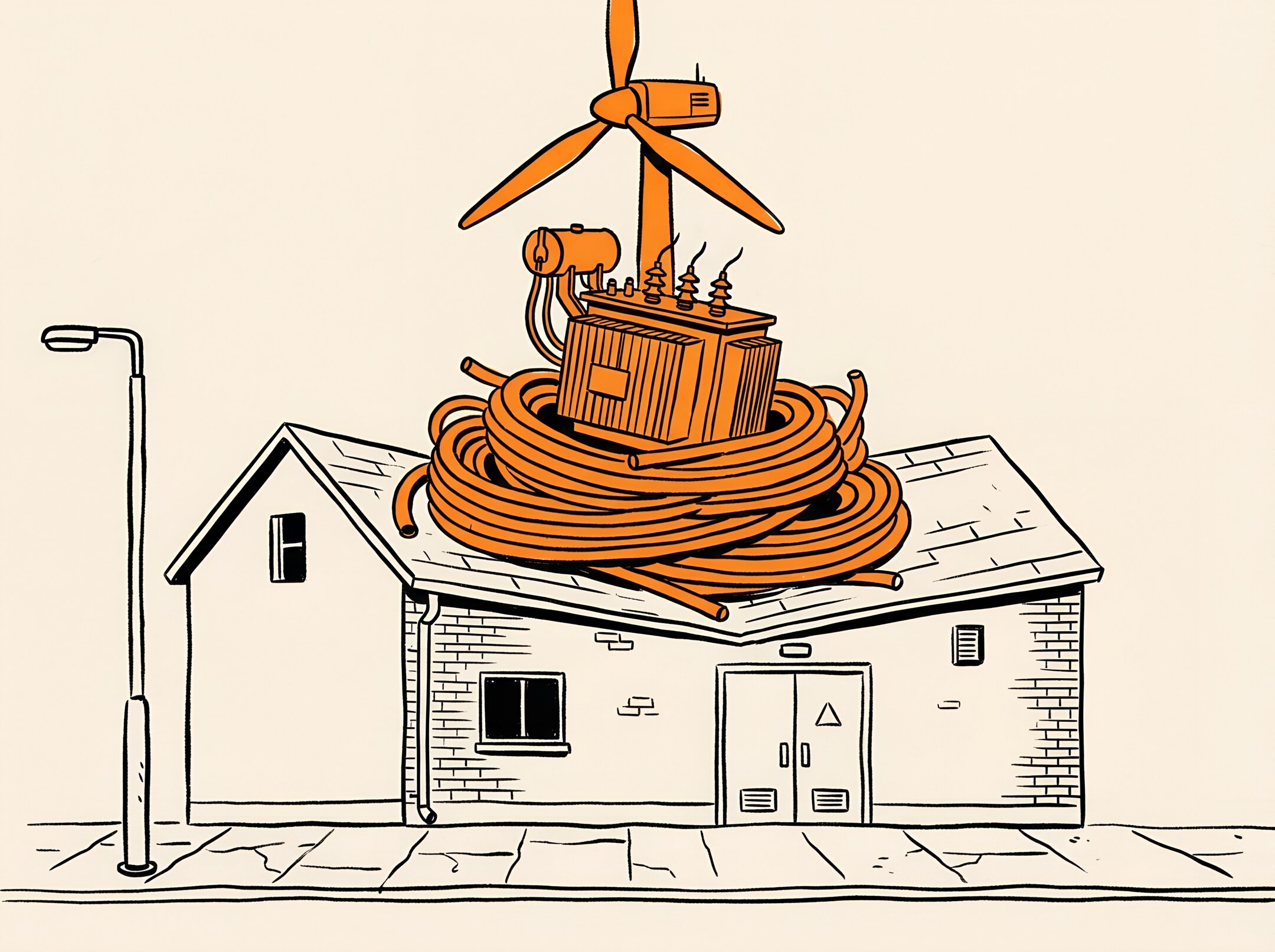
Germany's state development bank has put a new price on the country's climate goal. According to a study by the research firm Prognos for KfW, reaching climate neutrality by 2045 will take about €6 trillion of investment, or €290 billion a year (KfW Research, 2026b).
The headline will be read as a cost. The more useful question is who has to find the money, and on that point the study has a clear message for anyone running a municipal utility. It also leaves something out: water and wastewater do not appear in it at all, although they draw on the same owners and the same lenders.
Bigger than it looks, smaller than it sounds
Across the scenarios it compares, the study finds a need of €5.7–6.4 trillion, or €270–300 billion a year. The last comparable estimate, from 2021, was €5 trillion. KfW attributes the rise to price increases and to a backlog, because too little was invested in recent years (KfW, 2026a).

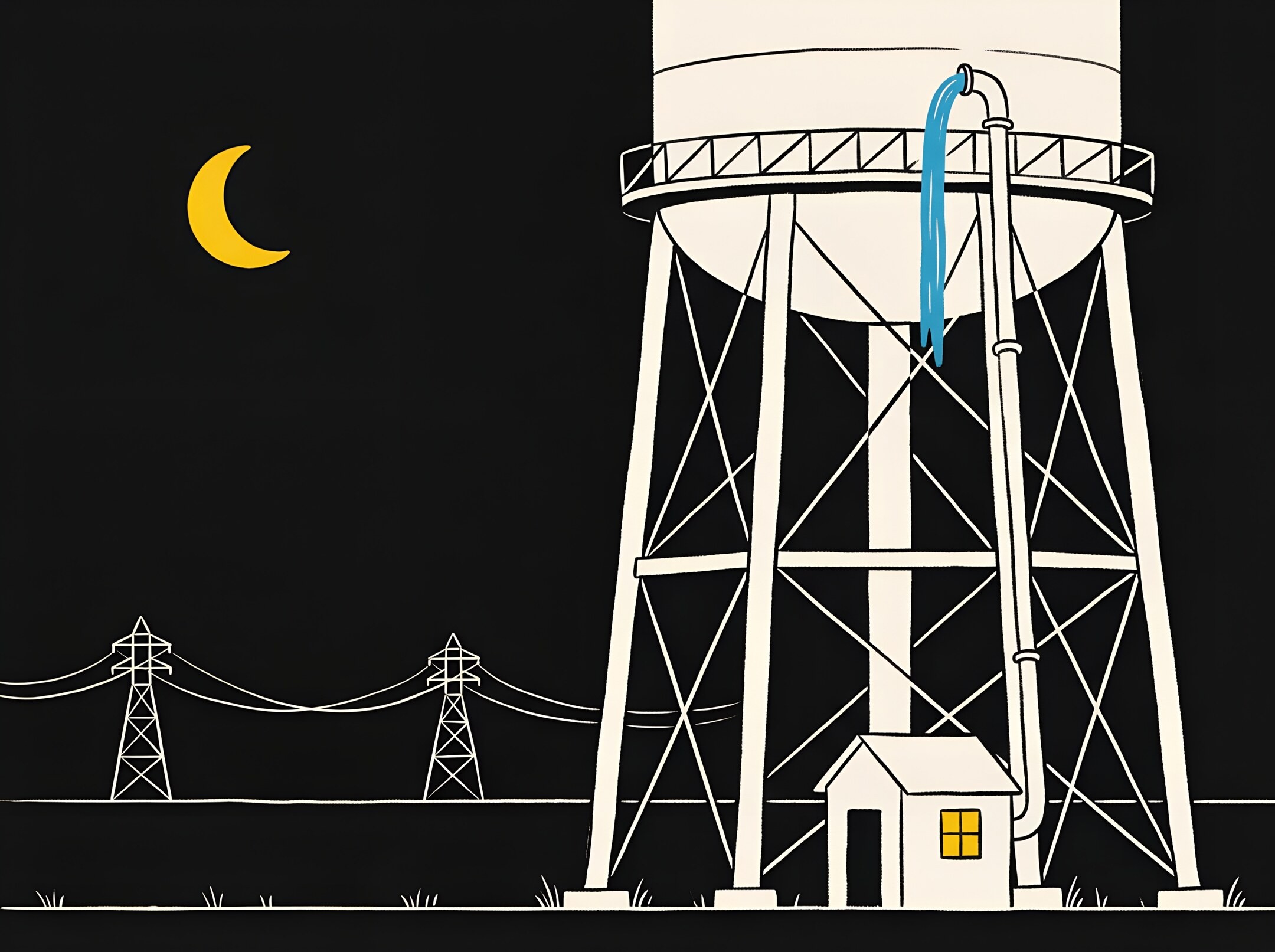

The Commission wants network tariffs to reward whoever can shift load away from the peak, and that makes pumping stations and aeration basins, which rarely feature in the debate, part of the argument.
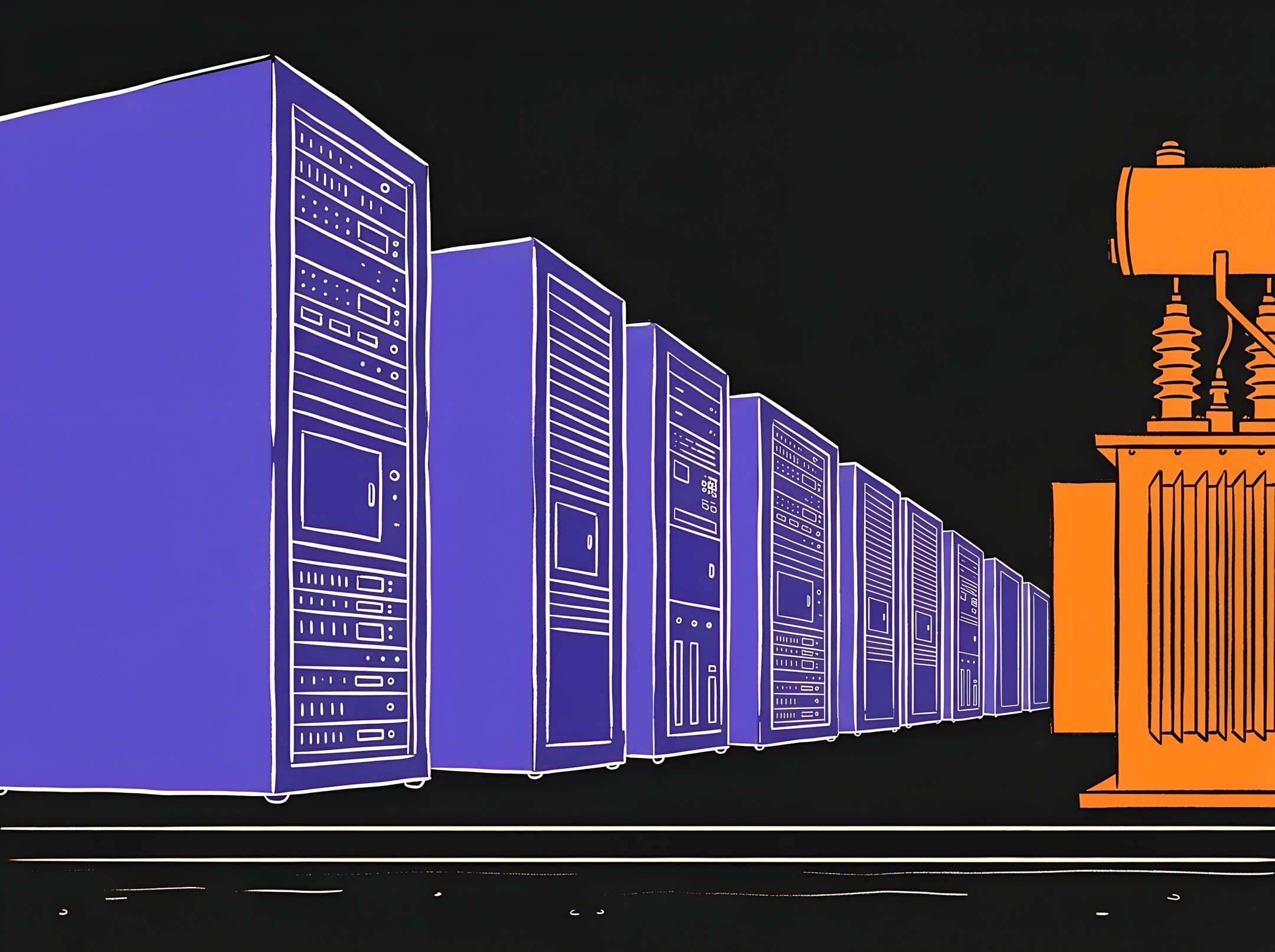
The International Energy Agency has reviewed 134 policies and regulations for fitting data centres into power systems, and its clearest lesson is that a flexible connection is faster than waiting for firm capacity.
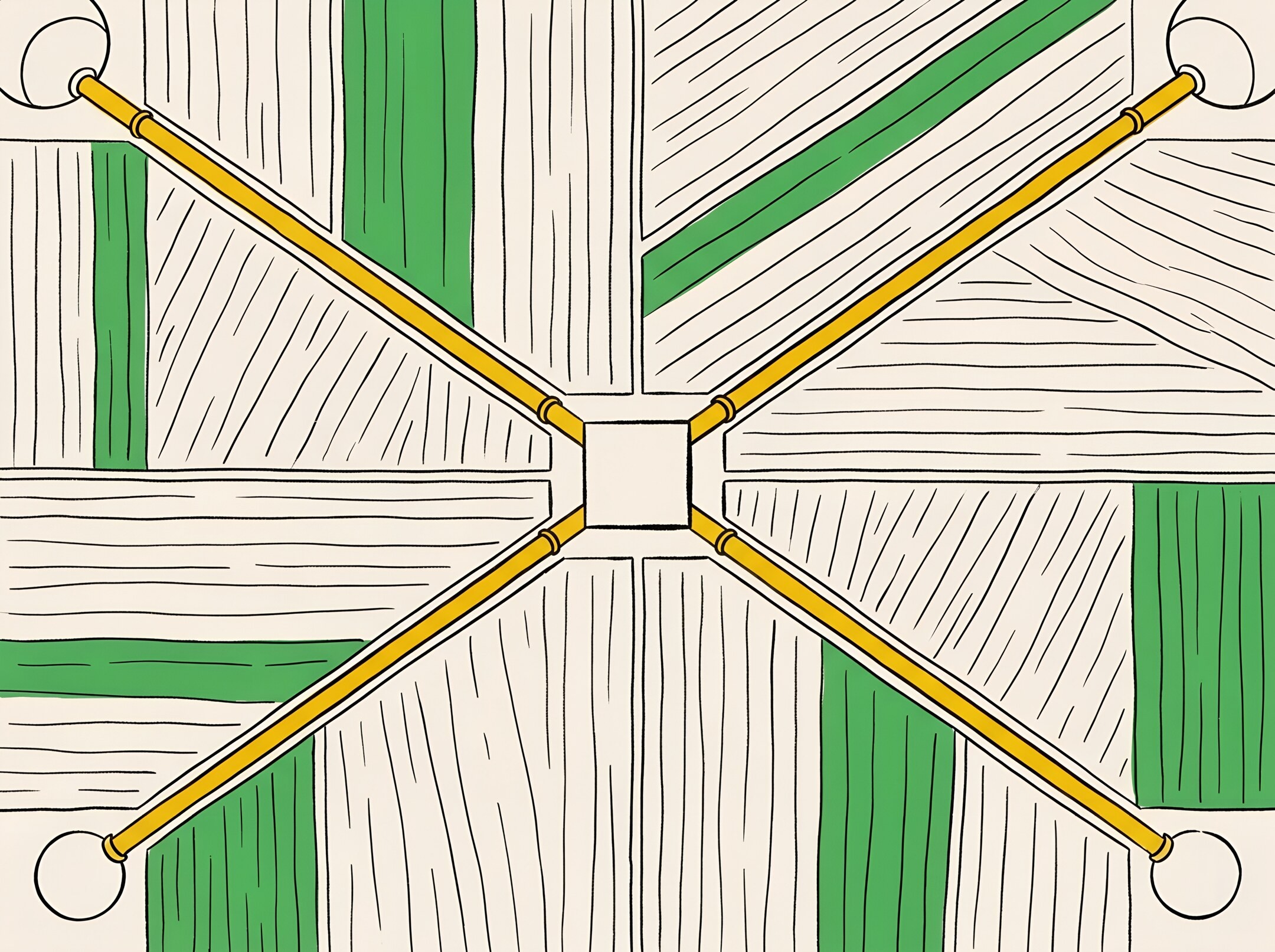
Calculations by the DVGW research centre in Karlsruhe show that if small biogas plants reach the gas grid through a shared upgrading unit and injection point, investment falls by up to 55% and the biomethane injected rises by 16% compared with connecting plants one by one.
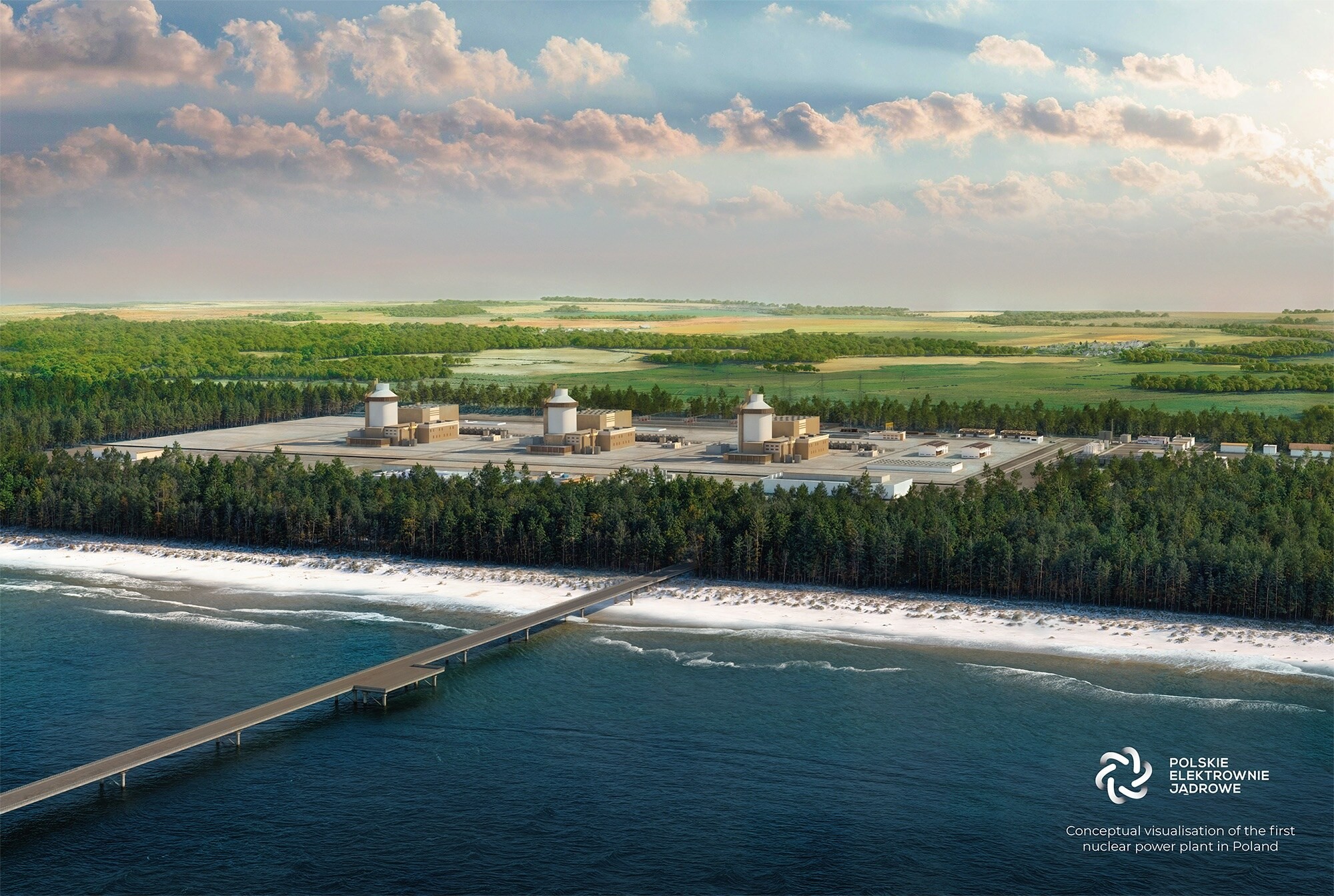
In a single week Westinghouse placed orders with Polish suppliers, ČEZ filed the environmental documentation for its small modular reactor and Slovakia took full control of its Bohunice project, as the region's four nuclear programmes take four different routes.