ETS2 Gets a Price Brake and a Review
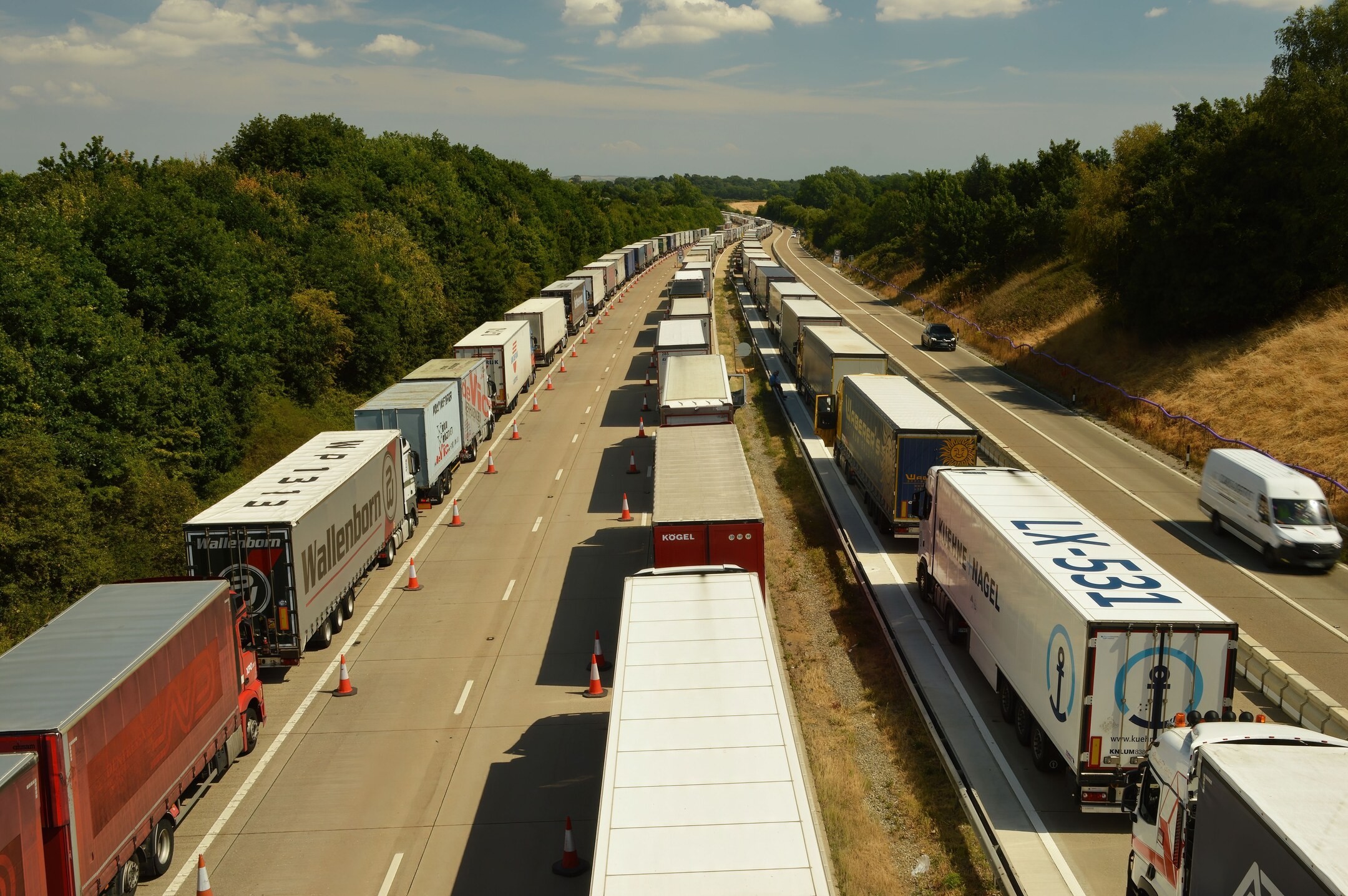
For two decades, the EU emissions trading system has made power plants, heavy industry and aviation pay for their carbon emissions. From 2028, a second system, ETS2, will extend that principle to heating buildings and road transport – areas where the cost lands directly on households. Amid concern about the burden on households, EU member states on 9 October 2026 gave final approval to a stronger price brake for the system. A week later, EU leaders went further: they did not postpone ETS2, but asked the Commission to reassess its impacts.
What ETS2 is
ETS2 was created in 2023 as part of the Fit for 55 package. It aims to cut emissions from buildings, road transport and smaller industrial sectors by 42% by 2030 compared with 2005 levels. The system will start a year late, in 2028.
Unlike the existing system, ETS2 applies not to emitters but upstream, to fuel distributors. They monitor and report the emissions from the fuels they sell and must surrender a matching number of allowances. The number of allowances available falls every year, creating an incentive to cut emissions. Distributors pass the cost on in the price of heating and transport fuels, so the ETS2 price directly affects households and hauliers.

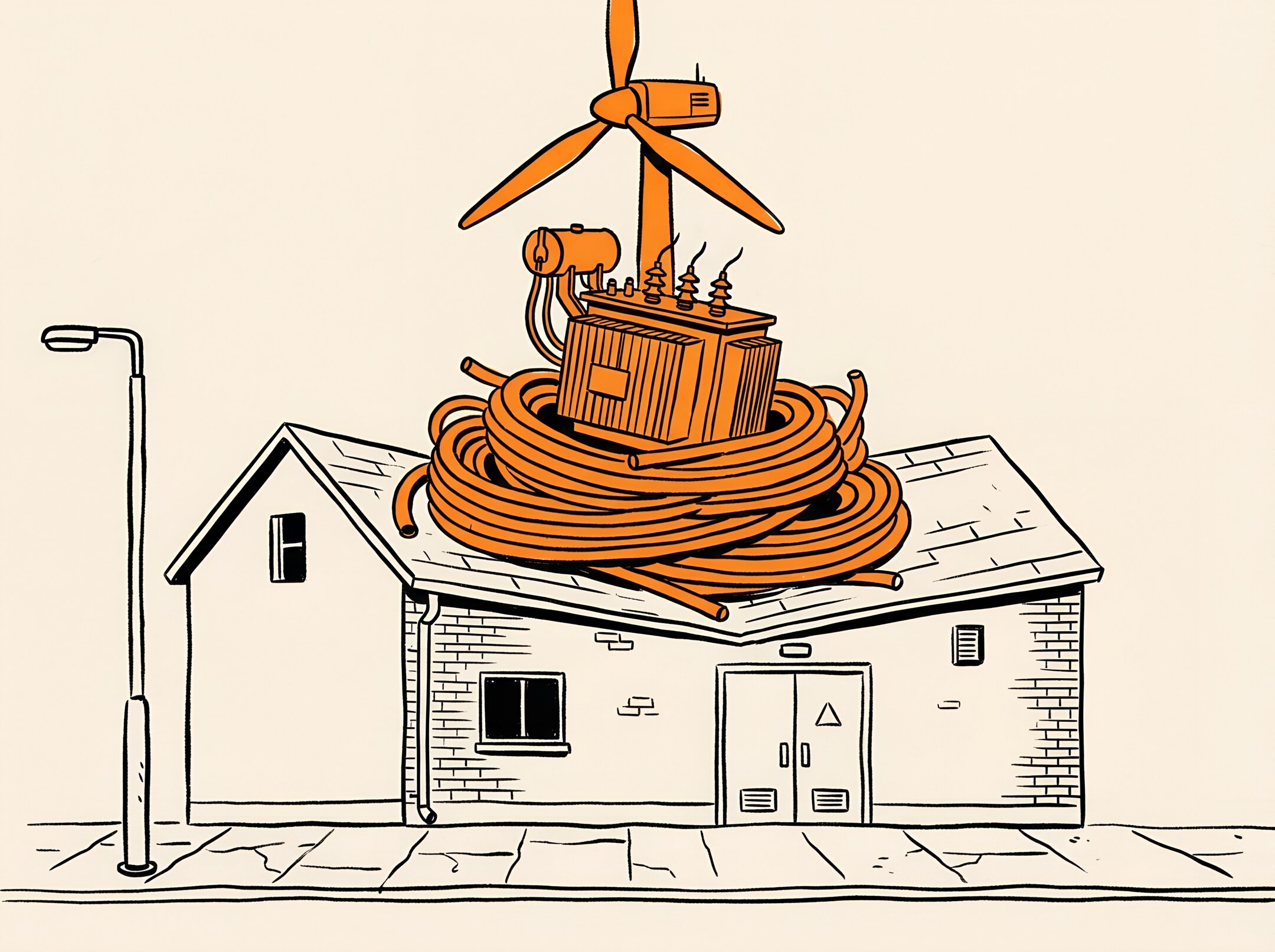

A new KfW study says Germany must more than double its yearly climate investment, and it leaves the hardest financing problem on the balance sheets of municipal utilities.
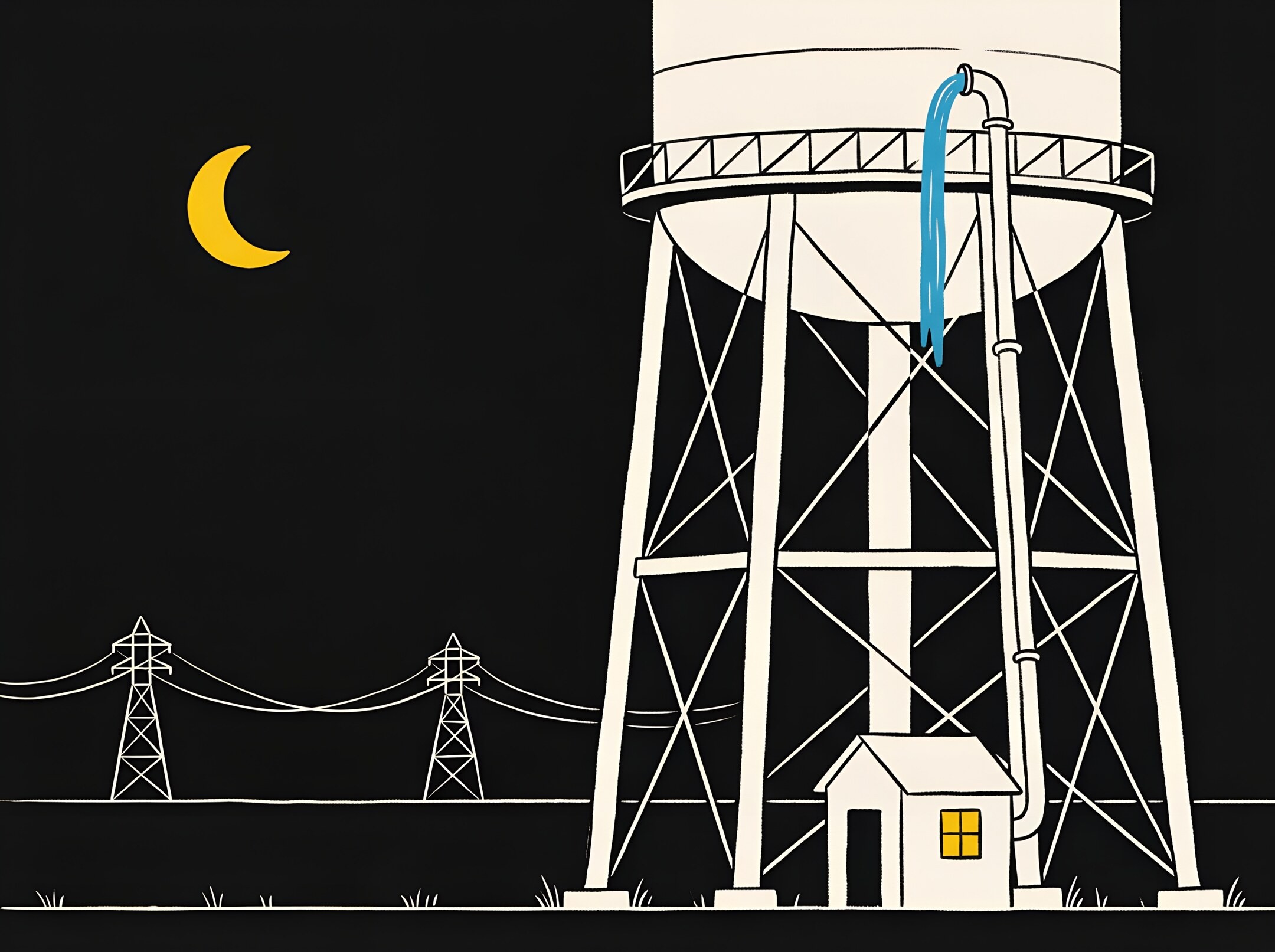
The Commission wants network tariffs to reward whoever can shift load away from the peak, and that makes pumping stations and aeration basins, which rarely feature in the debate, part of the argument.
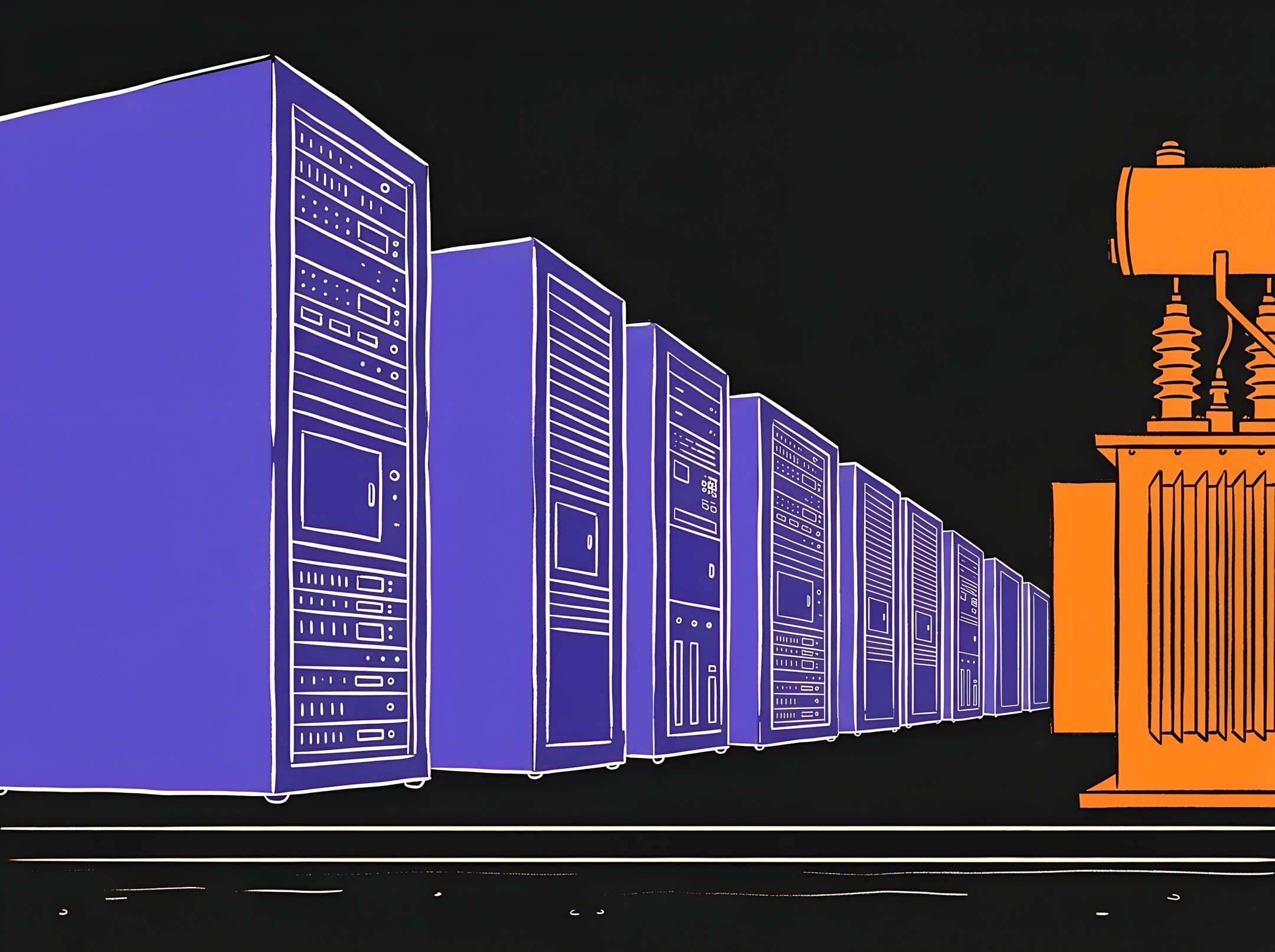
The International Energy Agency has reviewed 134 policies and regulations for fitting data centres into power systems, and its clearest lesson is that a flexible connection is faster than waiting for firm capacity.
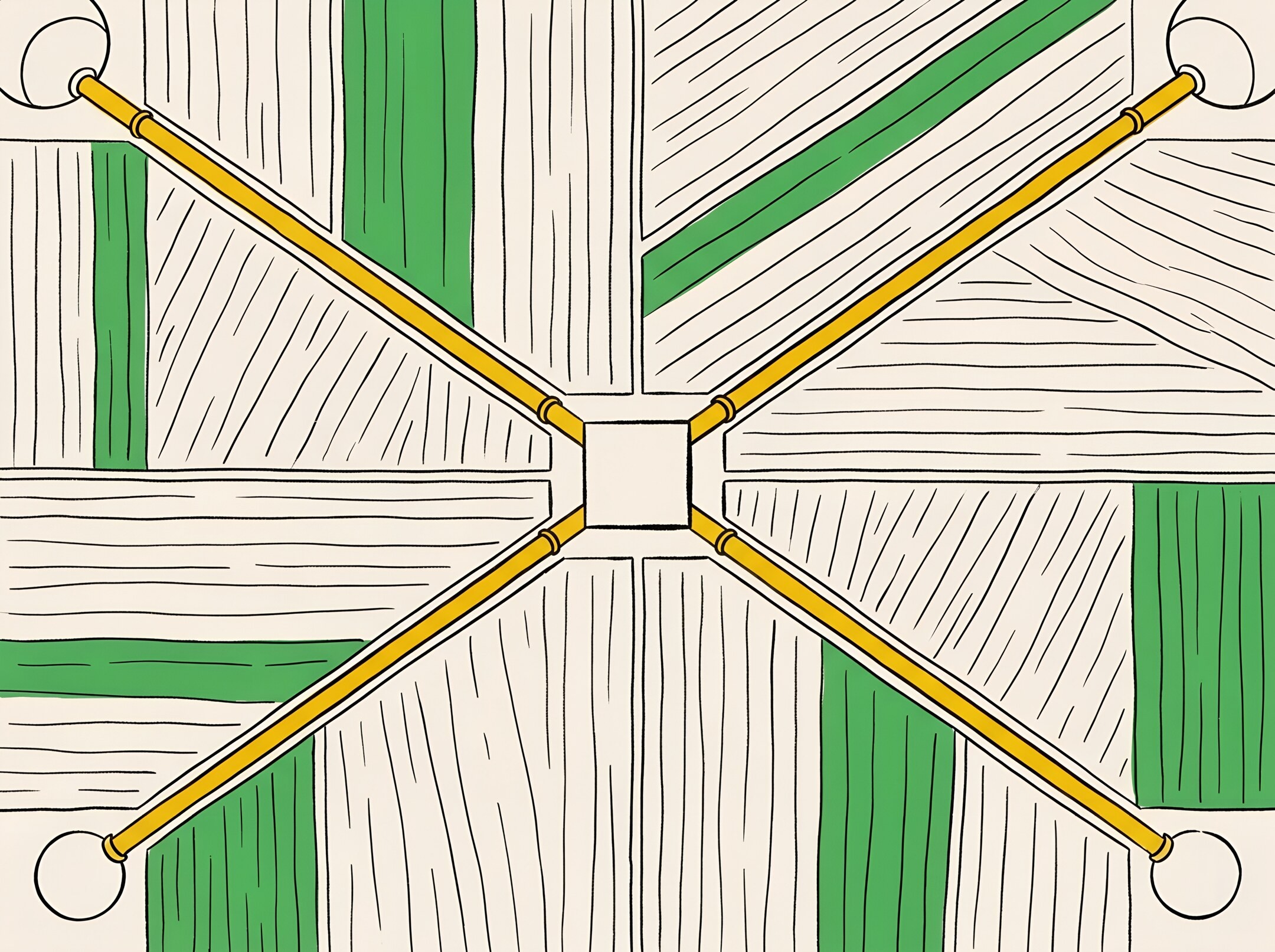
Calculations by the DVGW research centre in Karlsruhe show that if small biogas plants reach the gas grid through a shared upgrading unit and injection point, investment falls by up to 55% and the biomethane injected rises by 16% compared with connecting plants one by one.