What the Wastewater Directive Costs Czechia

The recast EU Urban Wastewater Treatment Directive has been in force since the beginning of 2025, and member states are now working out what it will cost them. Czechia has put a number on it. The draft amendment to the Water Act prepared by the Ministry of Agriculture, which completed its interministerial comment procedure in September 2026, gives a detailed picture of what the directive means for a central European country – in money, in plants and in energy (Ministerstvo zemědělství, 2026).
The bill and its price
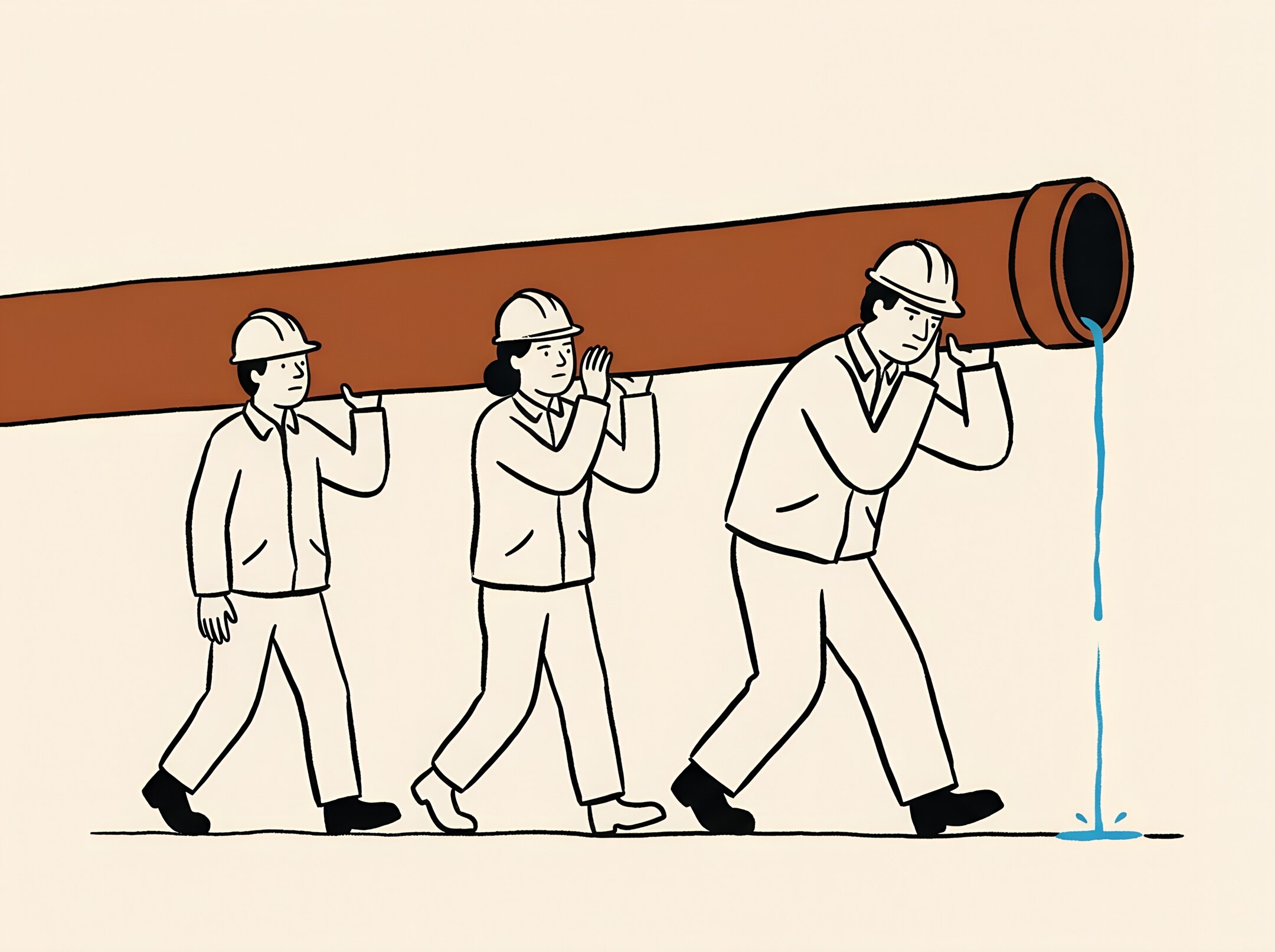
According to the explanatory memorandum to the draft, the measures needed to implement Directive (EU) 2024/3019 are put, in a preliminary estimate, at CZK 115.8–176.1 billion in investment and CZK 5.0–6.5 billion in operating costs. The memorandum stresses that this is not a one-off bill: the directive's requirements are phased in, some of them up to 2045.
The figures are a first estimate. The regulatory impact assessment attached to the draft notes that a reliable national total cannot yet be given and that the final estimate will be set out in the national implementation programme, which the directive requires member states to submit by 1 January 2028. Czechia must transpose the directive by 31 July 2027, and the implementing decree is proposed to take effect on 1 July 2027.

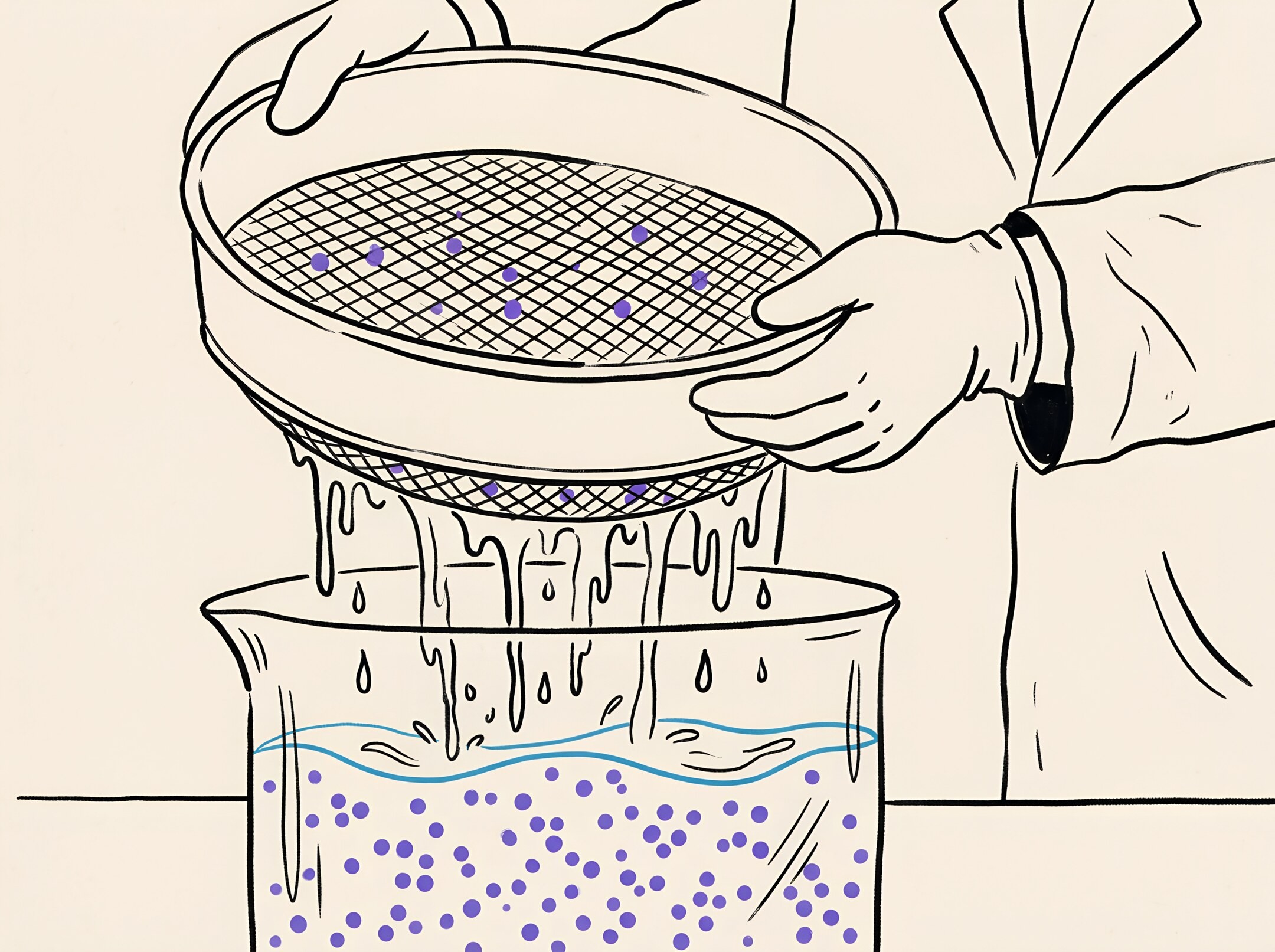

A national Swiss campaign has run every PFAS method in the Commission's guidelines side by side, and none of them can name most of the organic fluorine in wastewater.
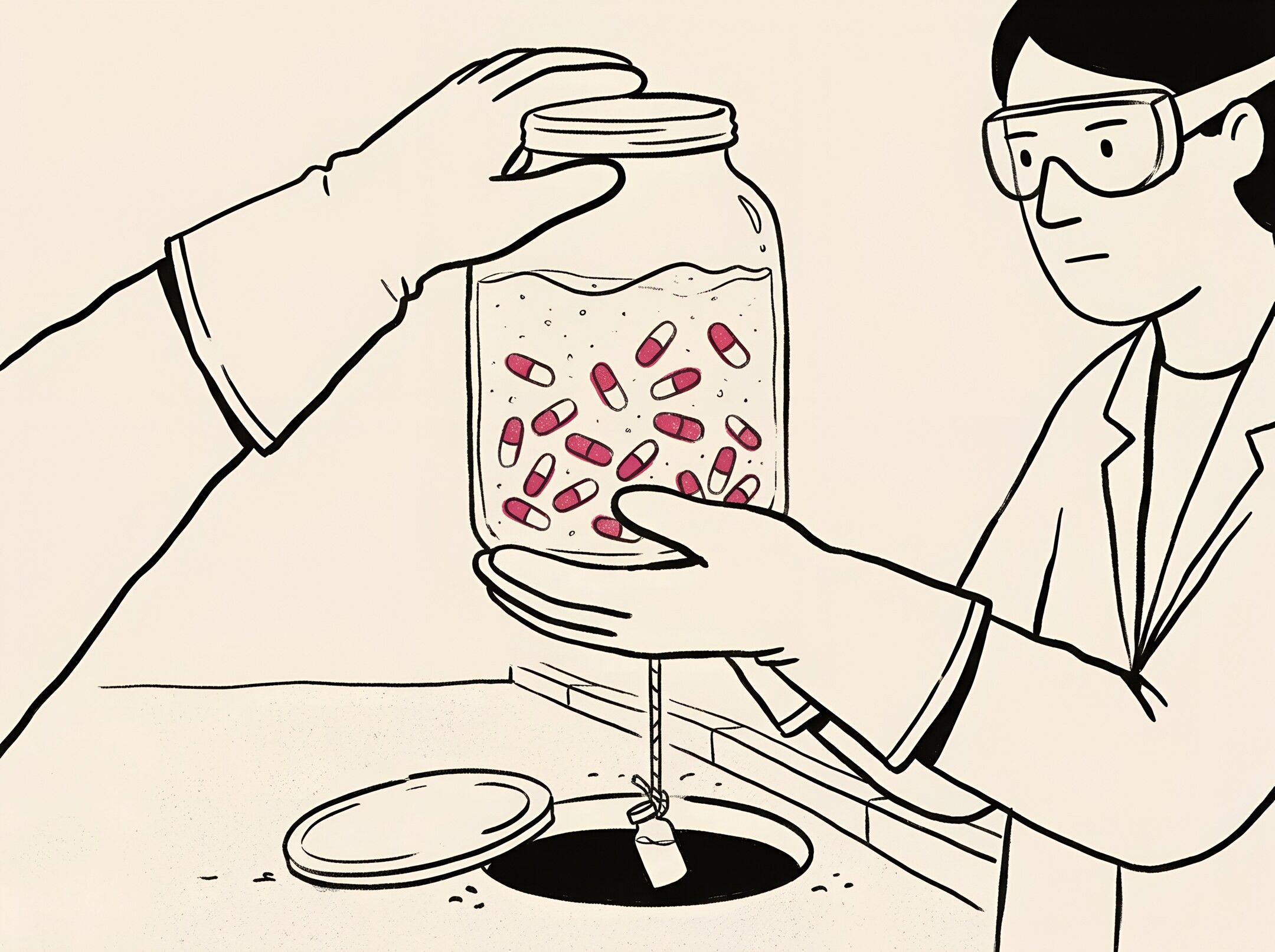
Europe is about to make wastewater monitoring for antimicrobial resistance routine, while researchers warn that the numbers it produces can't yet say how many people are affected or what risk they face.
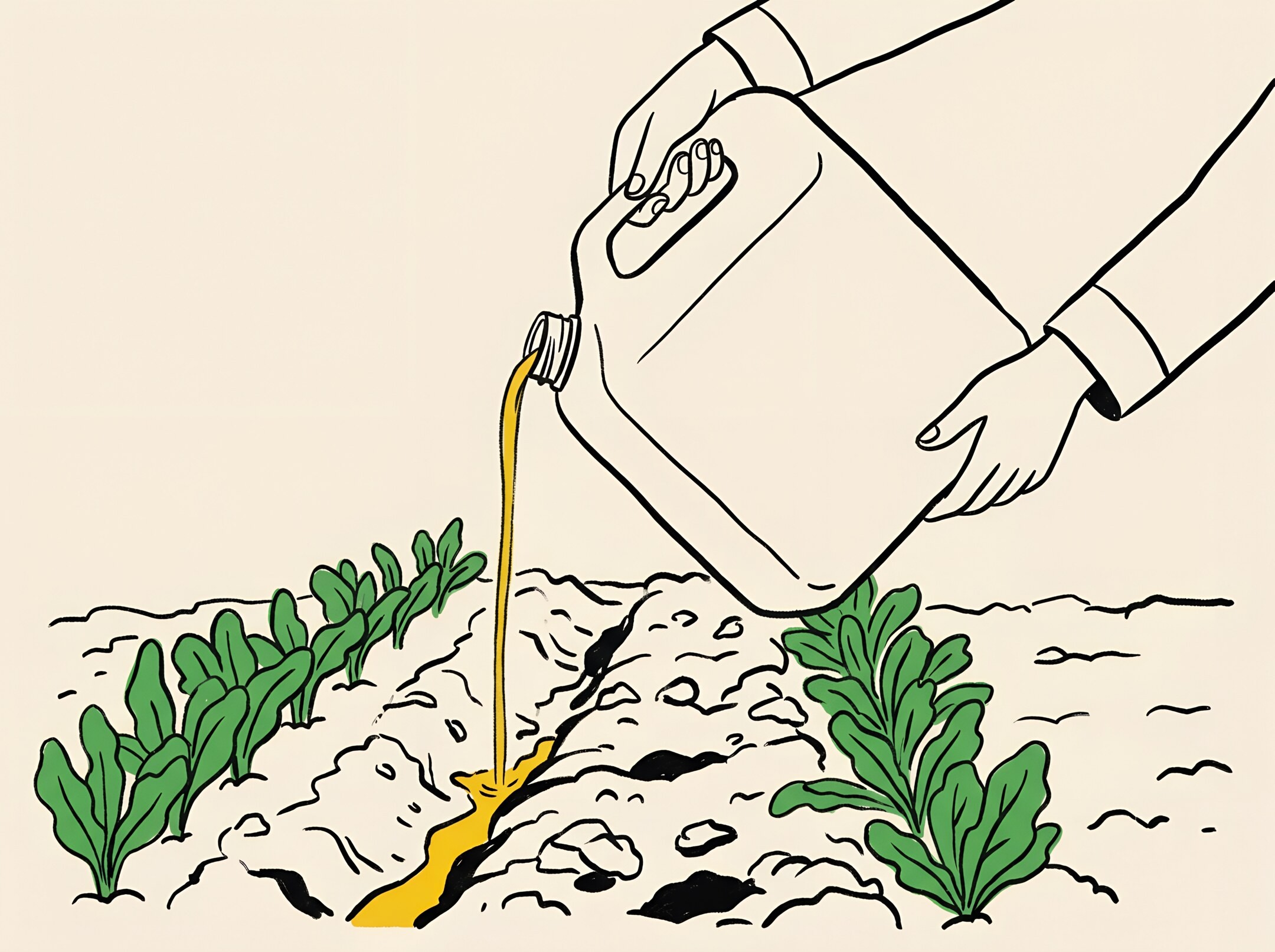
A meta-analysis of 455 datasets finds that fertilisers made from separated urine and faeces perform as well as mineral fertiliser, so the open questions are now quality assurance and regulation.
A Stanford model shows that if neighbouring wastewater plants plan their nutrient removal upgrades together, capital and operating costs can fall by almost half.