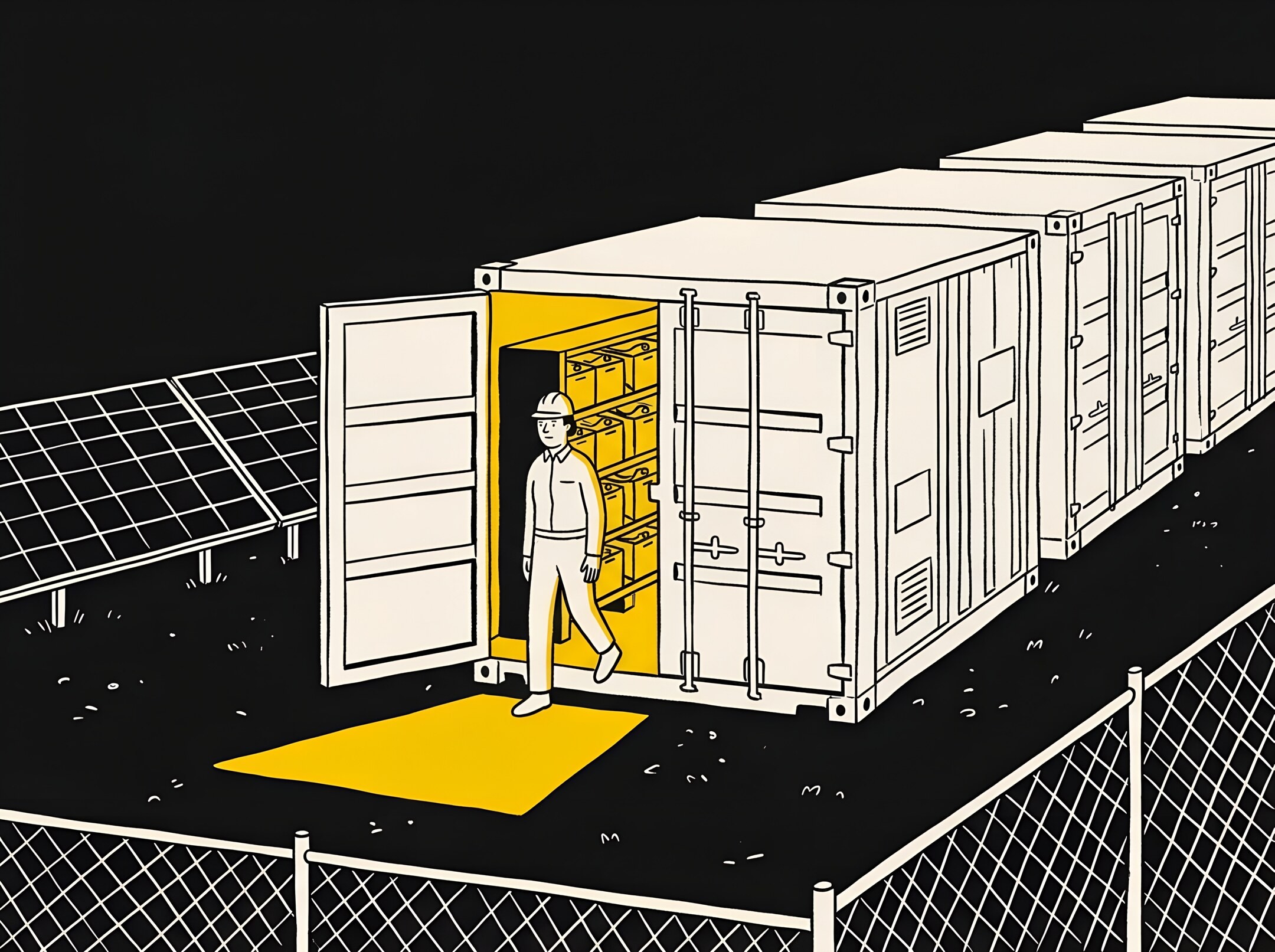
Coordinating Plants Cuts Nutrient Removal Costs by 48%

Nutrient removal upgrades at wastewater plants are usually planned one plant at a time: each operator looks for the cheapest way to meet its own discharge permit inside its own fence line. A Stanford University study published on 24 September 2026 (Abi Farraj et al., 2026) shows how costly that approach is. If neighbouring plants decide together what to build, where and when, the bill can fall by almost half.
San Francisco Bay's $10 billion bill
Faced with algal blooms and fish kills, regulators have ordered wastewater plants around the bay to cut nitrogen discharges by 40% by 2035. The conventional route – each of the region's 37 plants upgrading its own facilities – is projected to cost more than $10 billion and add roughly $200 a year to household sewer charges (Stanford Woods Institute, 2026).
Until now, the researchers say, there has been no reliable way to calculate how much coordination could save. Existing tools optimise upgrades within a single facility, not across plants sharing a watershed, leaving utilities dependent on consultants' estimates built on inconsistent methods.



A national Swiss campaign has run every PFAS method in the Commission's guidelines side by side, and none of them can name most of the organic fluorine in wastewater.
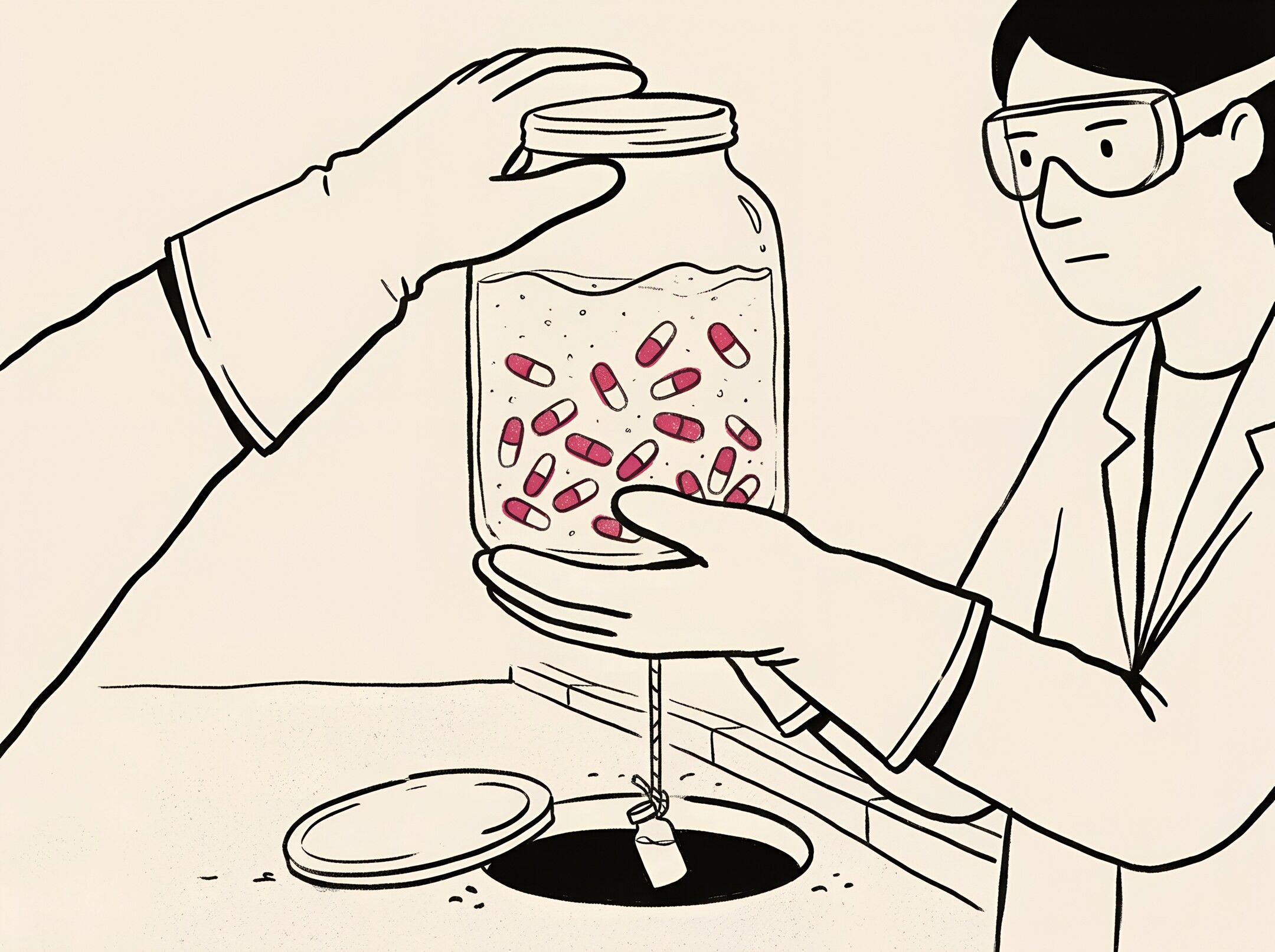
Europe is about to make wastewater monitoring for antimicrobial resistance routine, while researchers warn that the numbers it produces can't yet say how many people are affected or what risk they face.

A meta-analysis of 455 datasets finds that fertilisers made from separated urine and faeces perform as well as mineral fertiliser, so the open questions are now quality assurance and regulation.

Prague's draft law transposing the recast EU wastewater directive puts the investment bill at up to CZK 176 billion and gives a detailed view of what the rules mean for a central European member state.