Professional articles
In-depth analysis, technology comparisons and interviews.
Professional content is free to read with a W4 account.Create an accountSign in
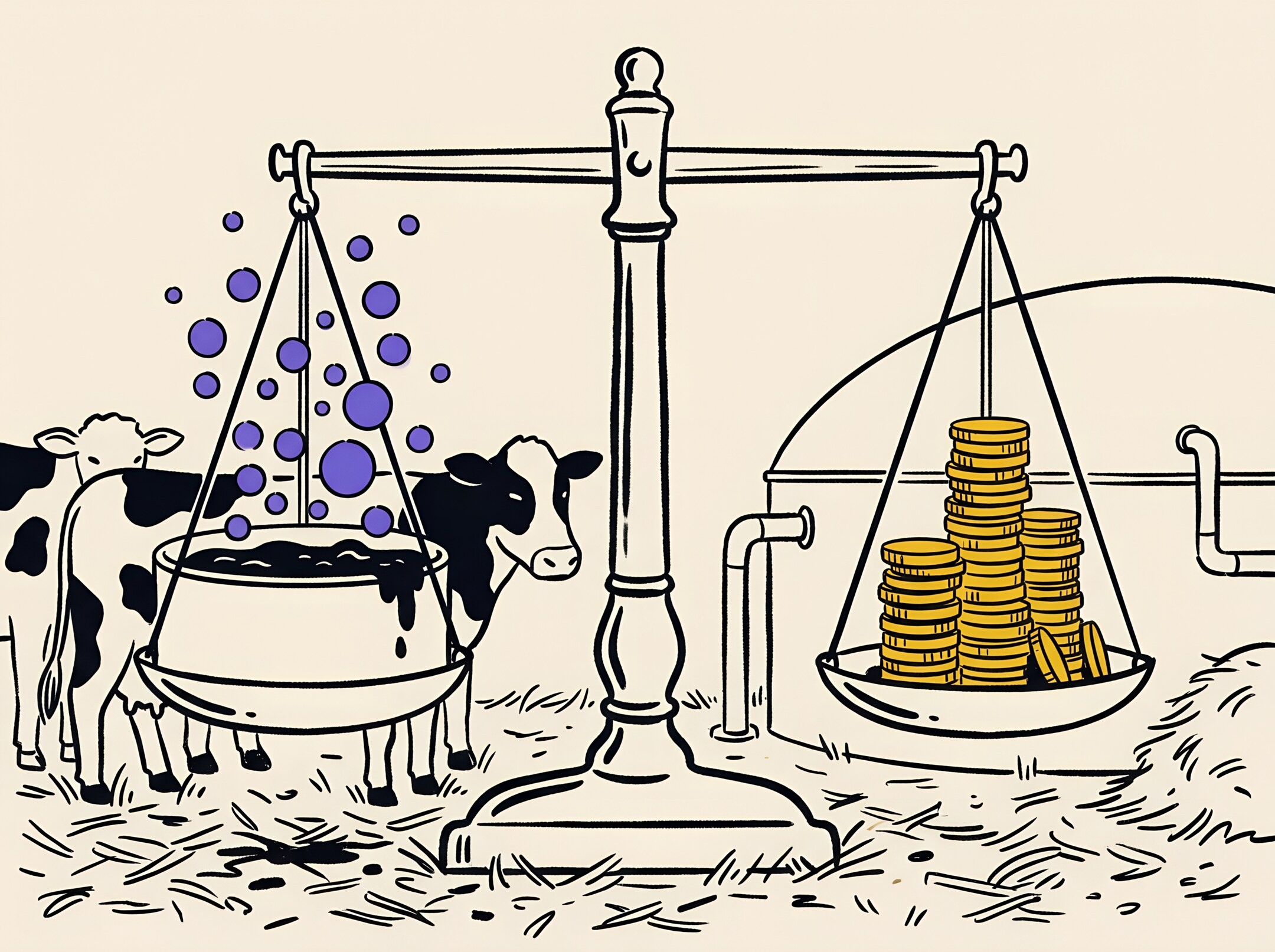

A model update in the United States quadrupled the tax credit for dairy-farm biomethane overnight, because the US credit pays for carbon intensity, while the European Union mostly measures the same performance as a pass or a fail.
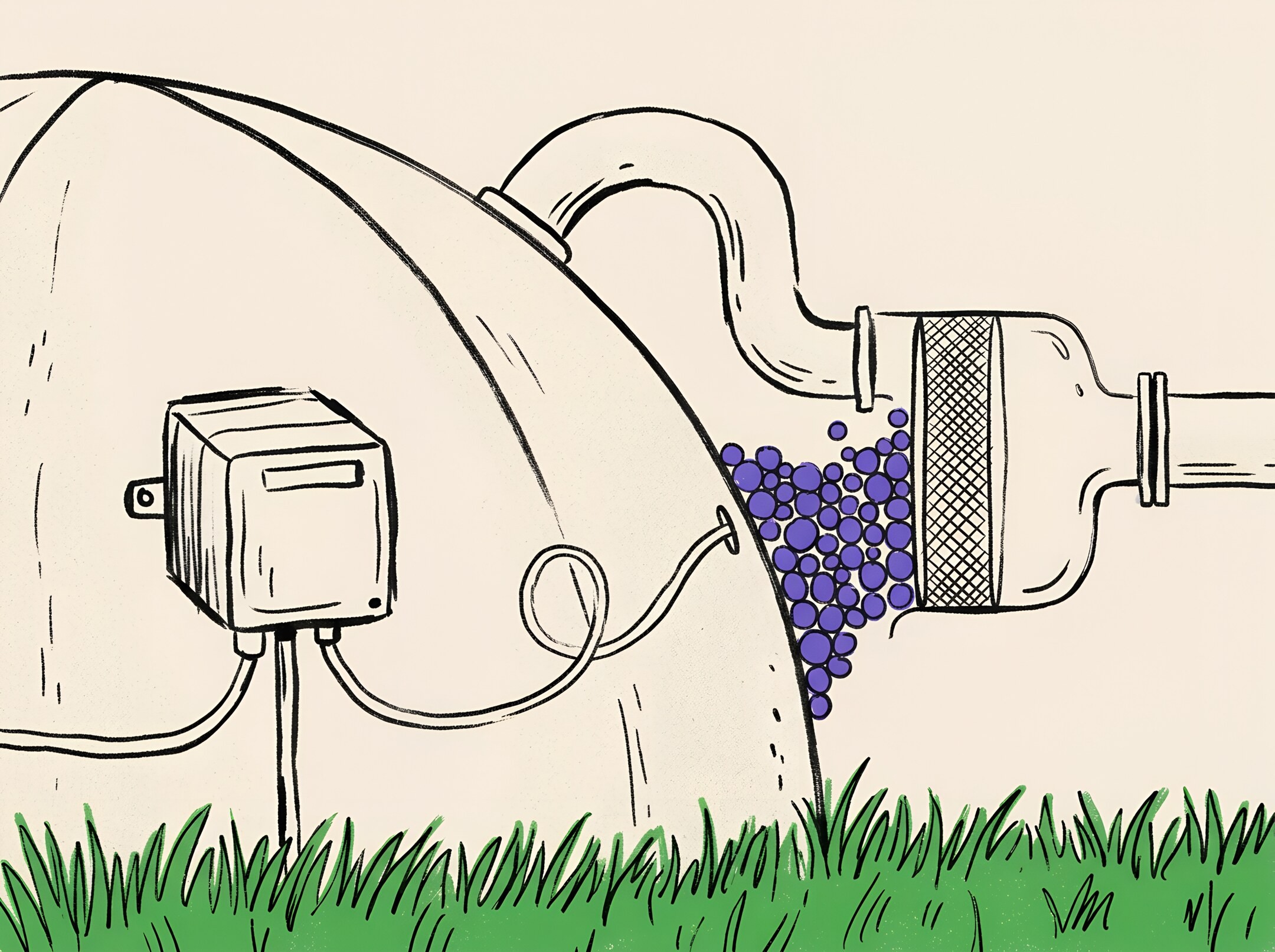


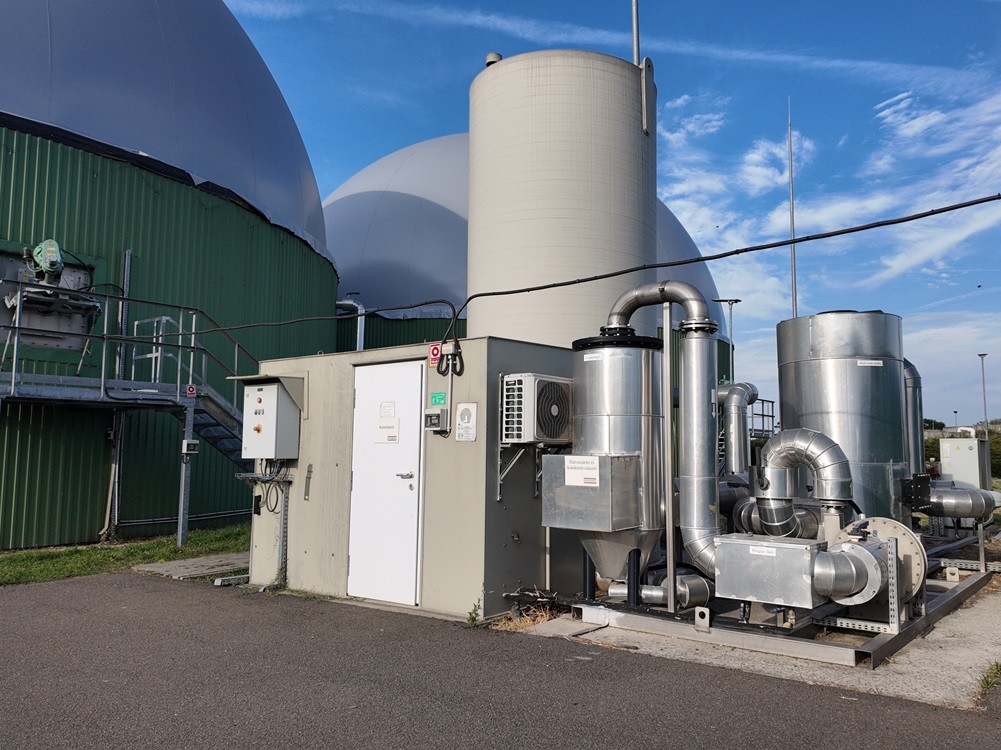

Market data from Bavaria's state agricultural research institute show biogas plants earning 3–9 cents more per kilowatt-hour by producing in the most expensive hours instead of running at baseload, provided they invest in gas storage, larger engines and daily trading.
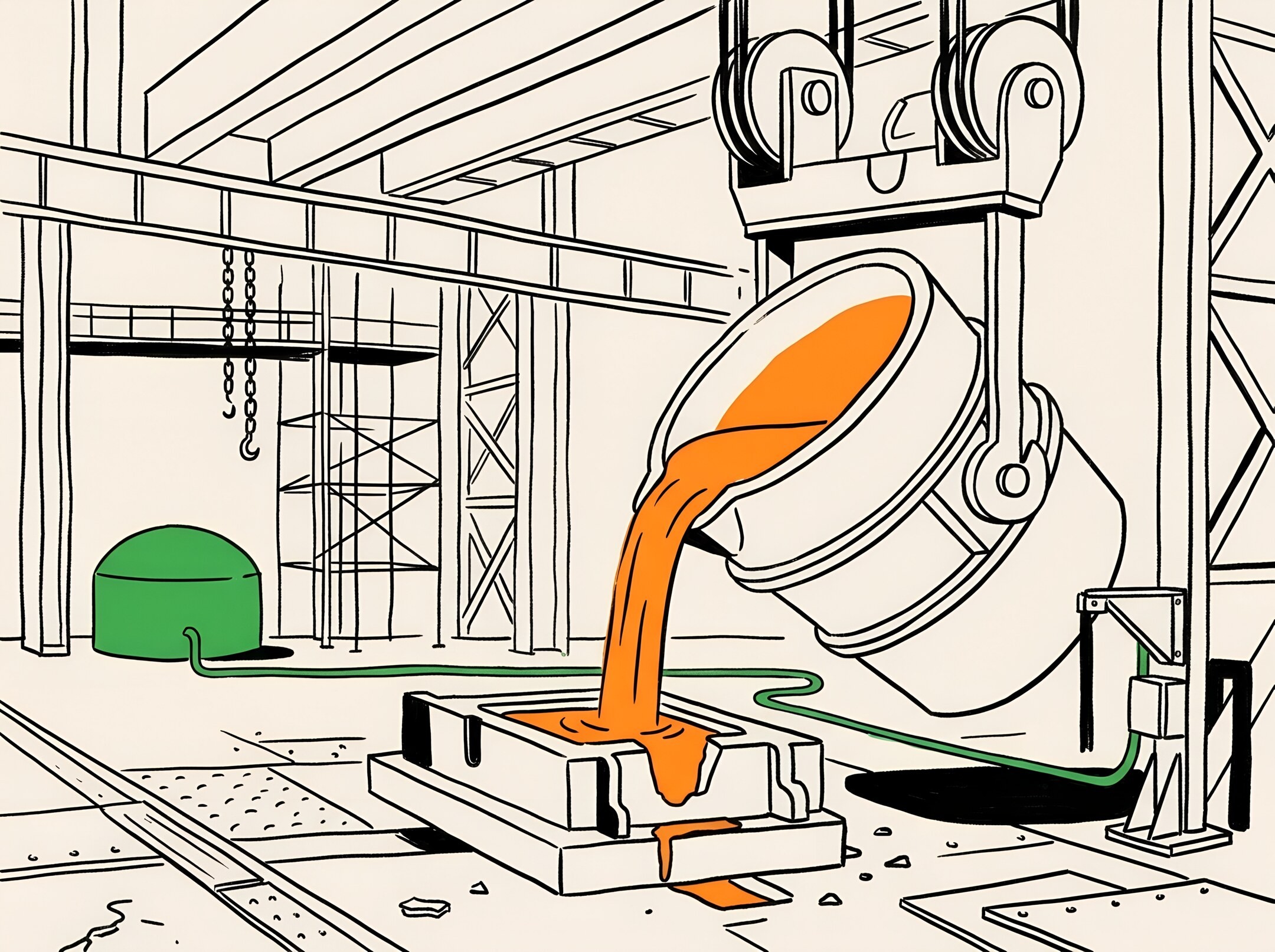
A study commissioned by the European Biogas Association finds that European industry's demand for biomethane could reach 35 billion cubic metres a year by 2050, led by steelmaking and high-temperature processes.
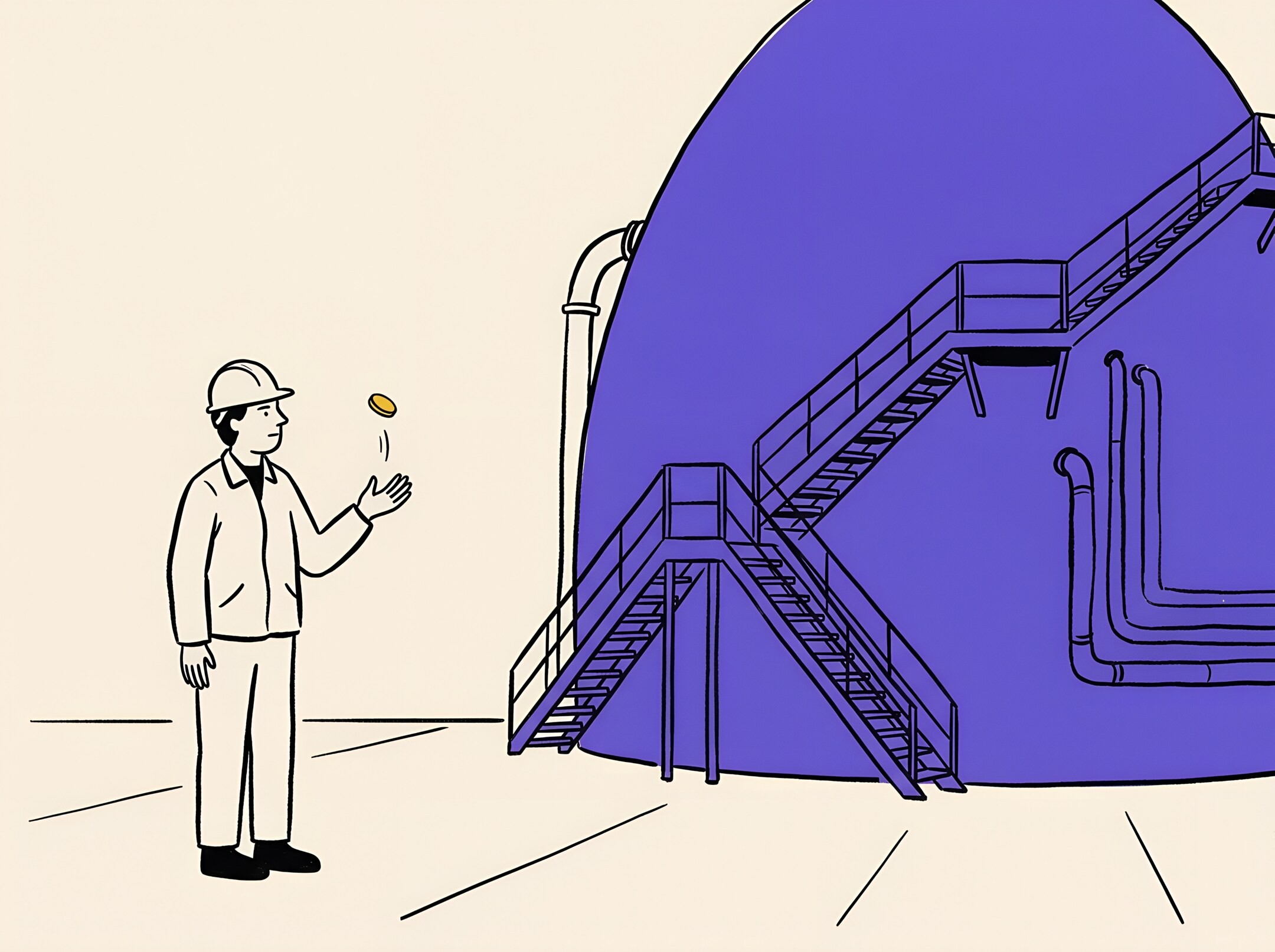
Two new studies on artificial intelligence in anaerobic digestion reach the same sober conclusion: so far, AI predicts and advises, but nobody has yet shown it delivering more methane on a live plant.

The European Biogas Association has mapped what is slowing the growth of biogas and biomethane across five areas, and points to national examples that show how each barrier can be overcome.

A measurement campaign at 65 German biogas plants suggests the sector emits around twice as much methane as the national inventory implies – but most of the loss is concentrated in a few plants and can be prevented.
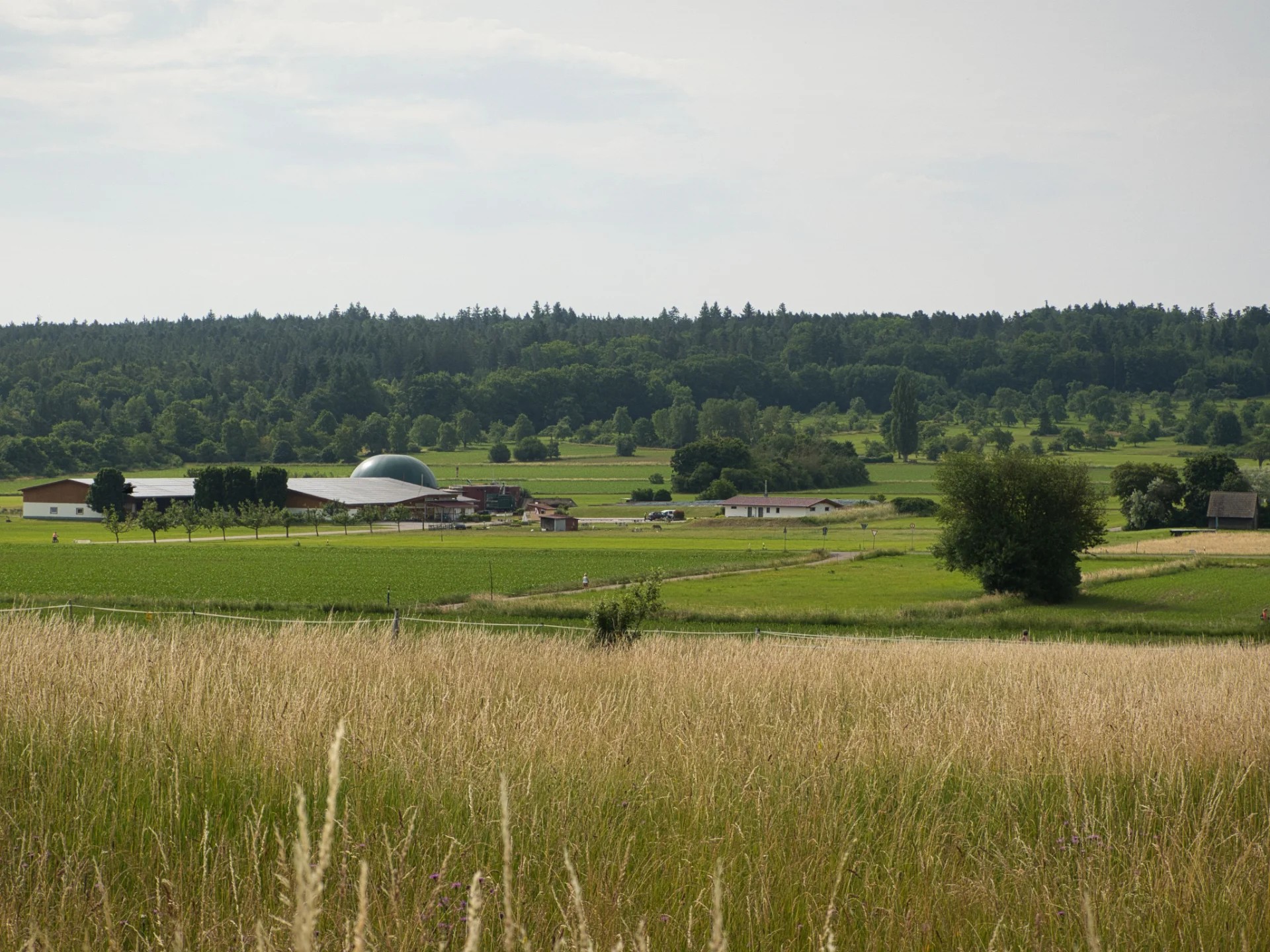
The Czech government's first biomethane support auction drew bids for more than four times the expected capacity, pushing down the price of the winning offers.
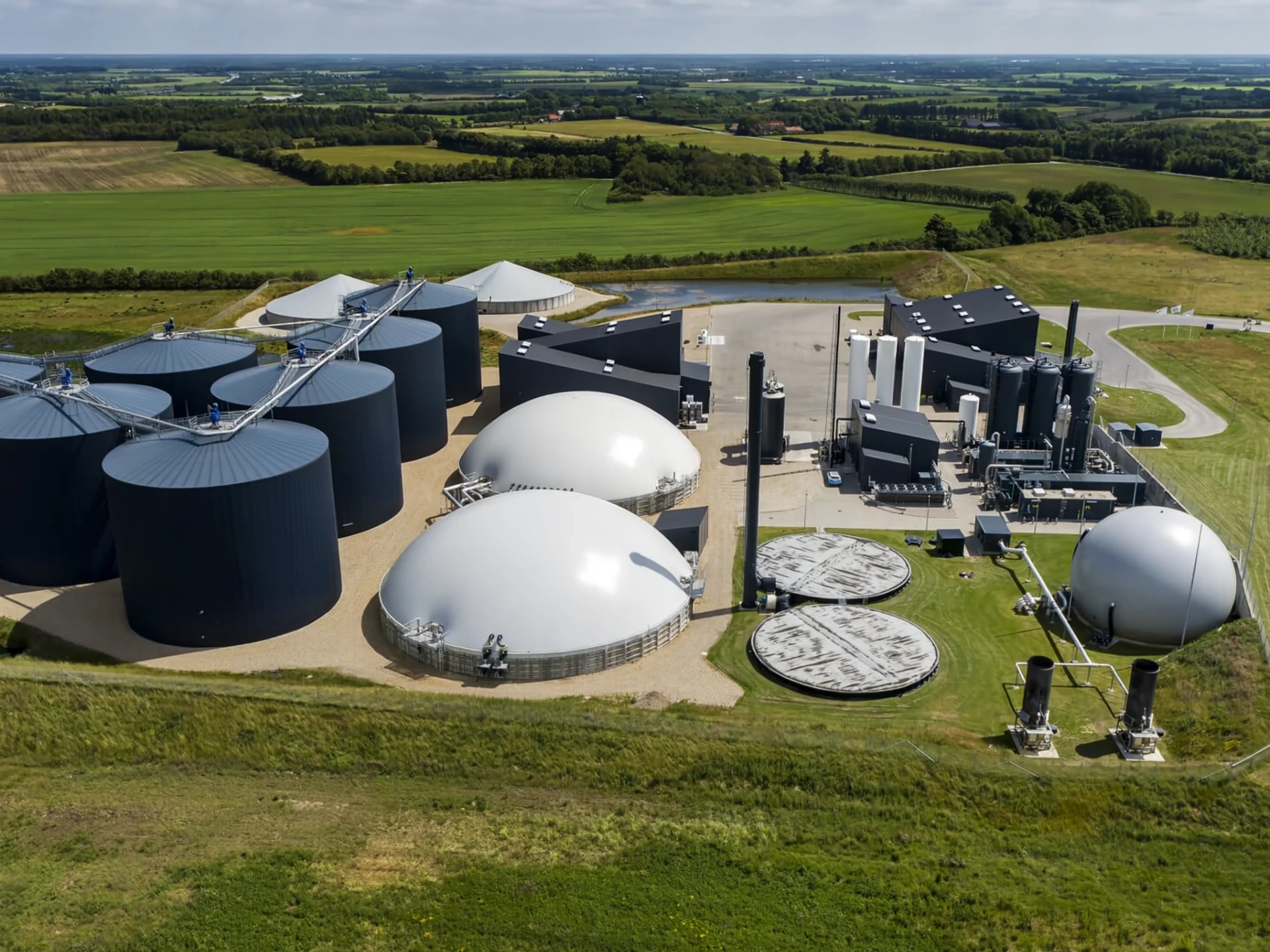
According to the latest map from EBA and GIE, the continent's biomethane production grew by 17% in a year, but 95% of capacity is still concentrated in just five countries.
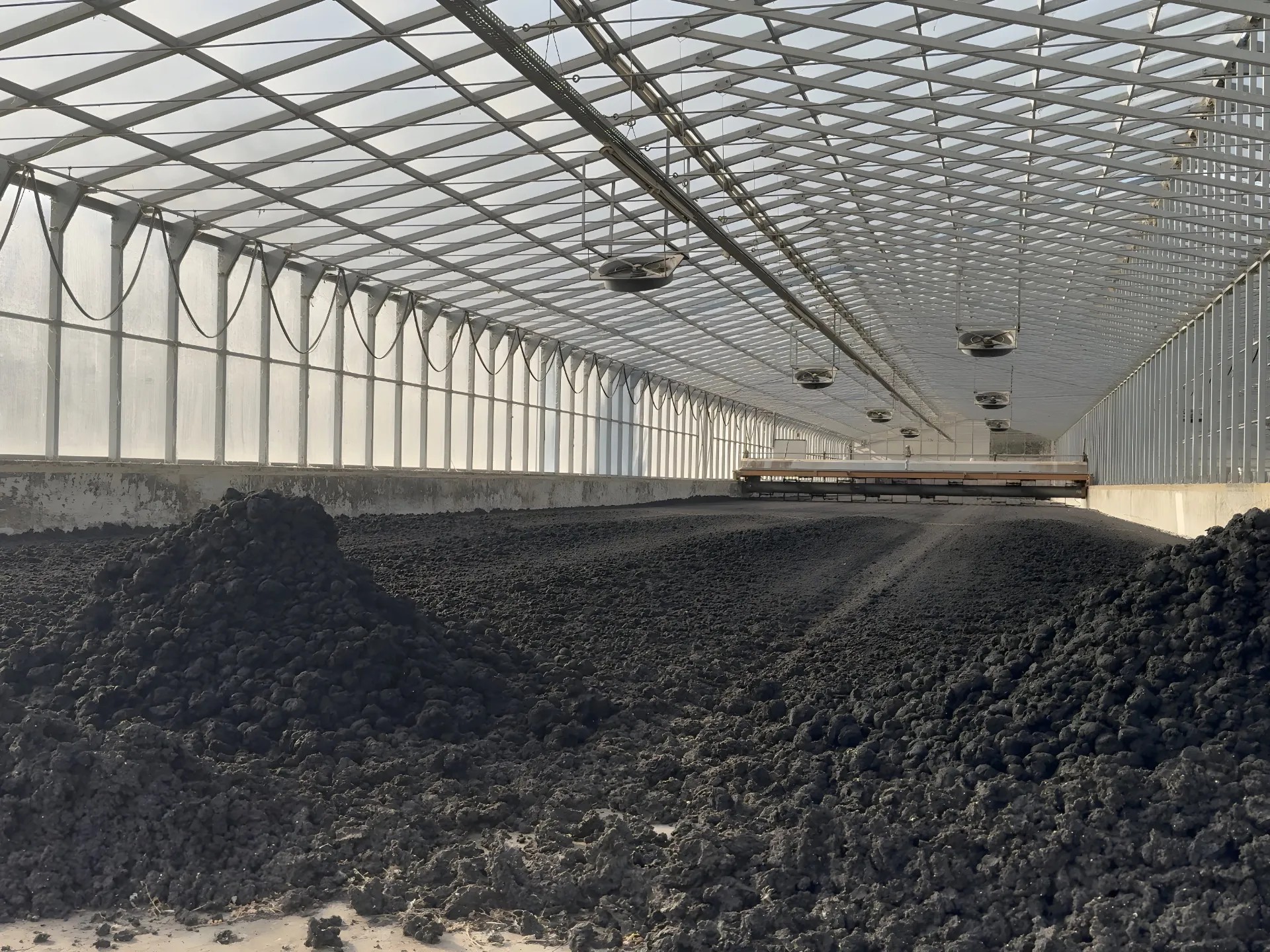
A significant share of biogas systems at US wastewater treatment plants leak so much methane that the climate benefit of the renewable energy they produce disappears entirely, according to a new study in Nature Sustainability.
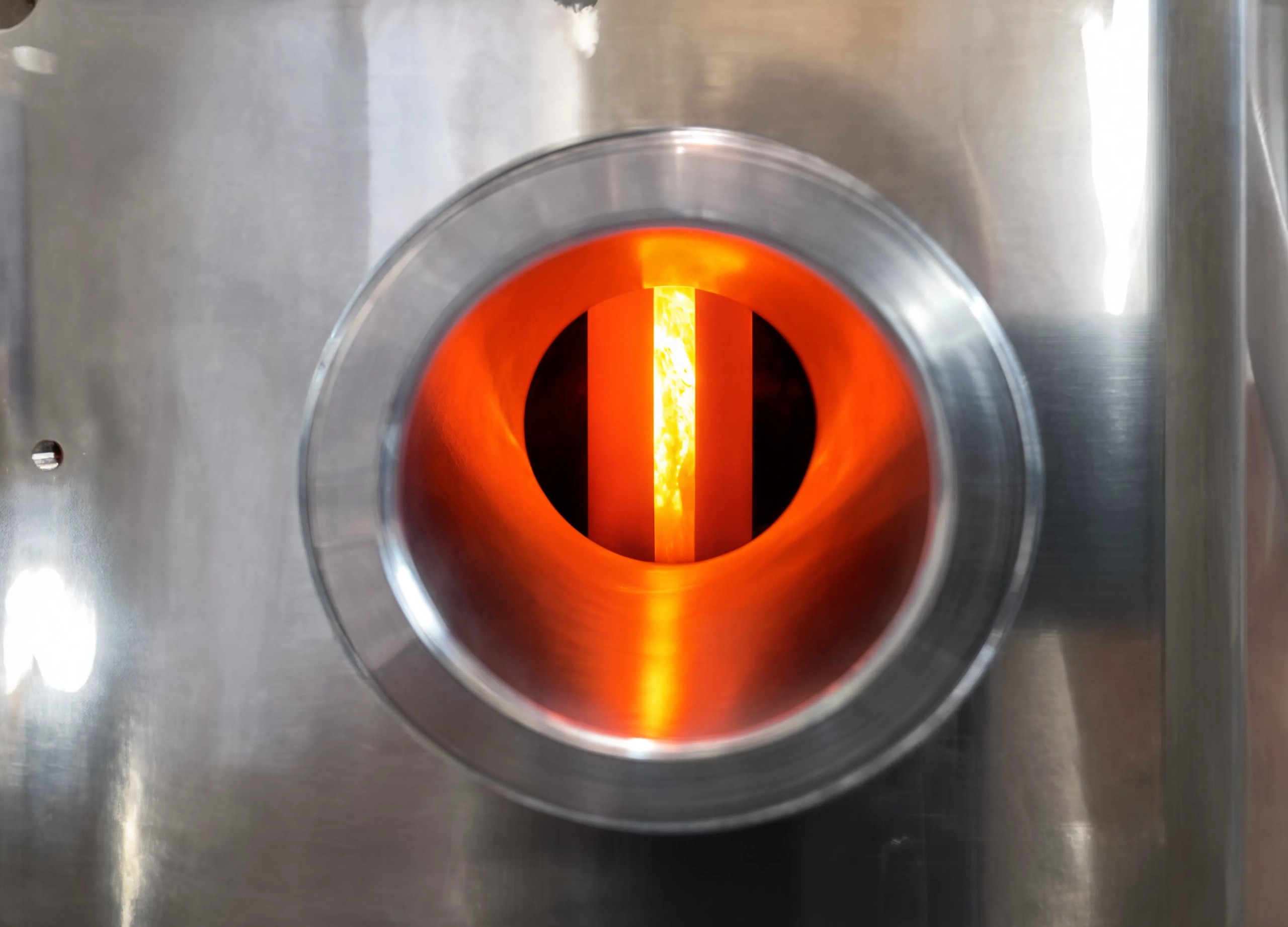
The TITAN project, funded by the EU's Horizon Europe programme, has shown that a microwave-heated fluidised reactor can produce hydrogen from raw biogas almost three times more efficiently than electrolysis – while the solid carbon by-product can be locked away in soil for the long term.