Climate Neutrality Leaking Away at American Wastewater Plants
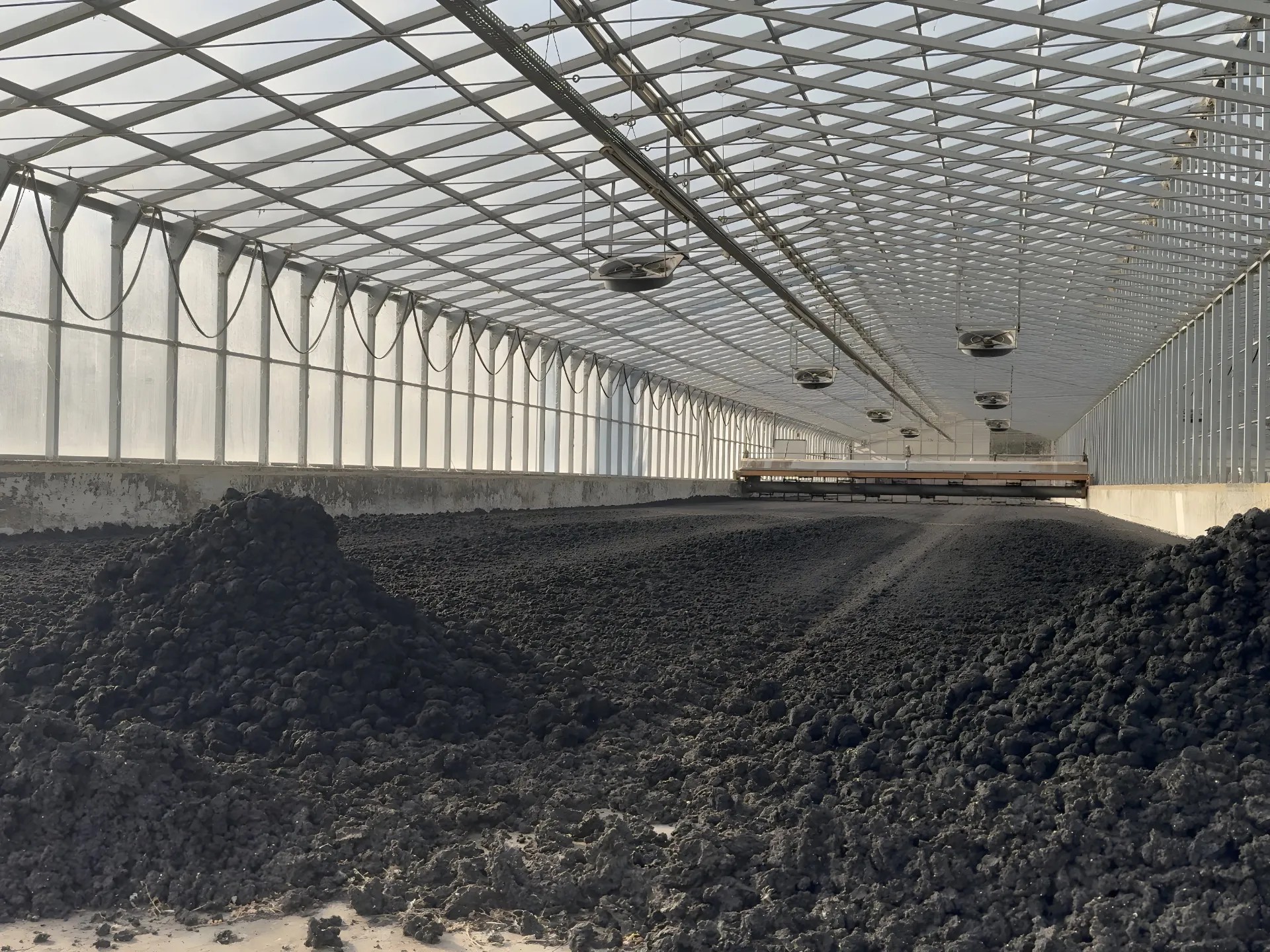
For decades, anaerobic digesters at wastewater treatment plants have been one of renewable energy's quiet success stories: sewage sludge produces biogas, which can be turned into electricity, heat or even natural-gas-quality biomethane. A study led by researchers at Princeton University and published in Nature Sustainability, however, highlights a risk that has barely been quantified so far: if the system leaks, the climate benefit not only shrinks but can disappear altogether (Li et al., 2026). Examining data from more than 50 US wastewater treatment plants, the researchers found leakage rates ranging from 0.4% to 65%, and a large share of current systems exceed the net-zero emissions threshold above which biogas production loses its climate benefit.
How much does a treatment plant's energy balance matter?
Wastewater treatment is one of the most energy-intensive sectors of municipal infrastructure. In the United States, wastewater treatment plants together use more than 30 TWh of electricity a year, up to 3% of national electricity demand. Against this background, it is understandable that the biogas produced during sludge digestion – which can yield 0.75–1.12 Nm³ of methane per kilogram of volatile solids – is of strategic importance: it is estimated that biogas from US wastewater treatment plants could generate up to 28 TWh of electricity a year, almost equal to the sector's entire electricity demand.
In practice, plants use biogas in two ways: either burning it on site in combined heat and power (CHP) units, or upgrading it to biomethane and injecting it into the gas grid (RNG). Both routes offer real economic and climate benefits – provided the methane stays in the system and does not leak along the way.
The net-zero threshold: when green energy becomes a loss
The researchers built a national-scale model that weighs the energy demand of digestion, the emissions avoided and the impact of leaking methane in a single balance. For every plant, technology and scenario, the result is a so-called net-zero leakage threshold: the leakage rate above which the system no longer reduces but increases net emissions.

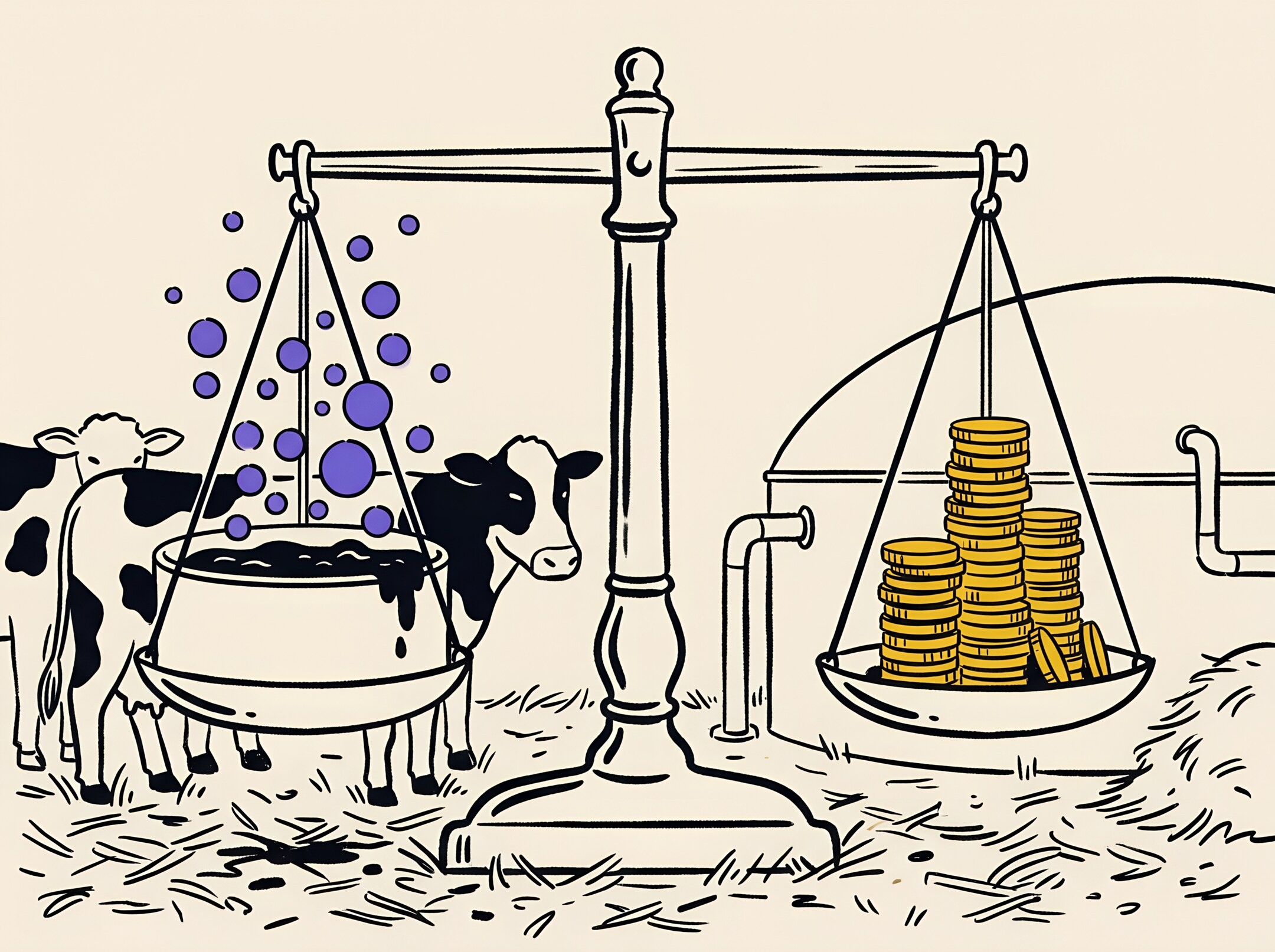

A model update in the United States quadrupled the tax credit for dairy-farm biomethane overnight, because the US credit pays for carbon intensity, while the European Union mostly measures the same performance as a pass or a fail.
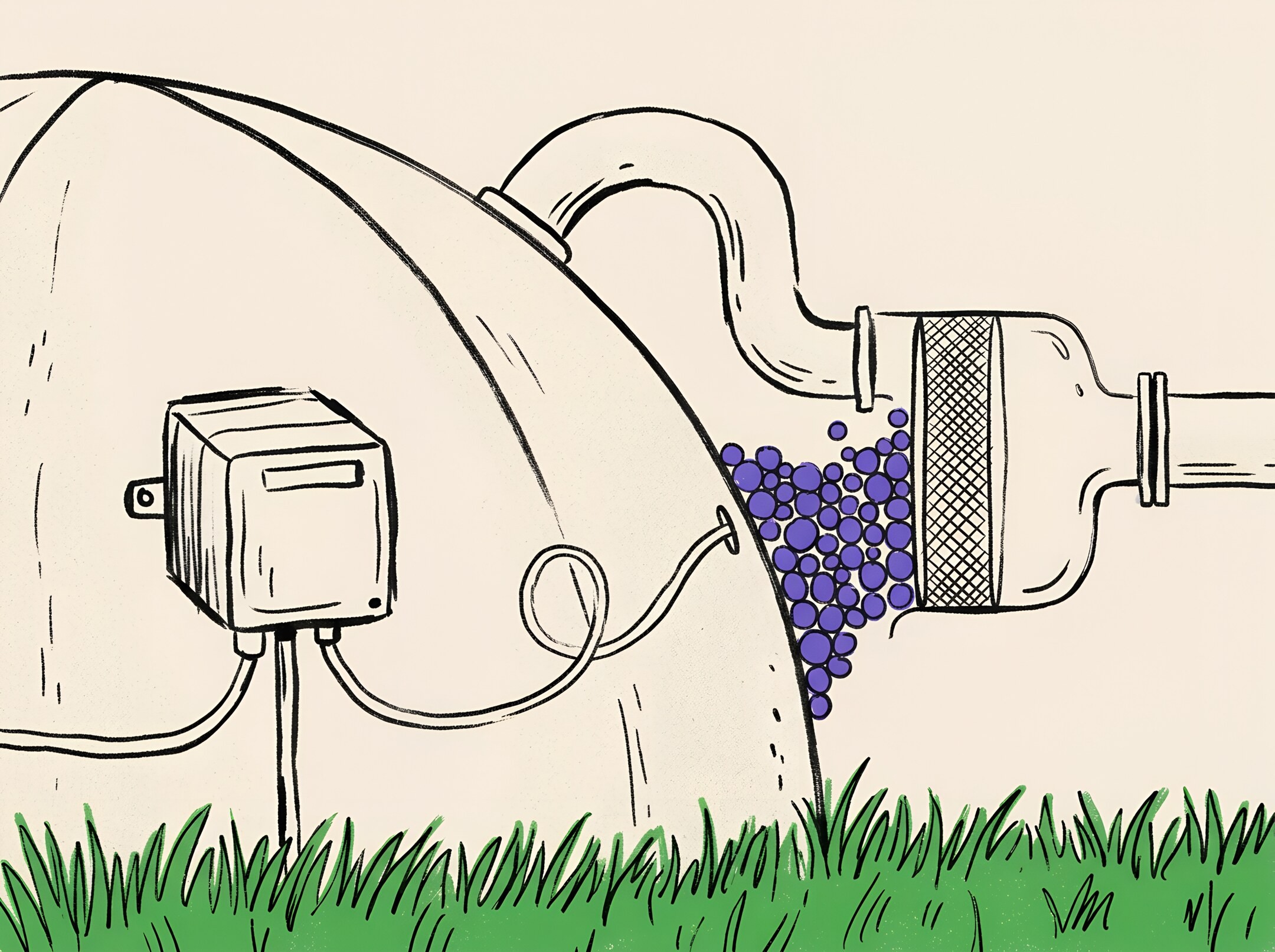

A clause buried in a gas tariff order makes oxygen a design parameter for Spanish biomethane plants, and shows how differently Europe handles a problem it hasn't yet agreed on.

Calculations by the DVGW research centre in Karlsruhe show that if small biogas plants reach the gas grid through a shared upgrading unit and injection point, investment falls by up to 55% and the biomethane injected rises by 16% compared with connecting plants one by one.
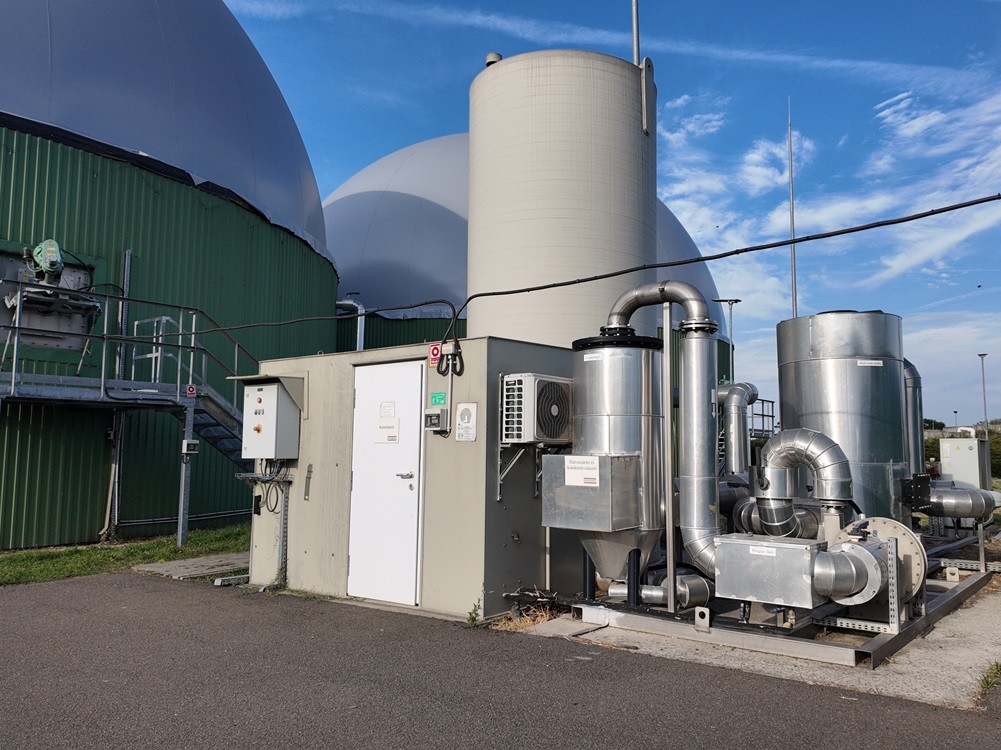
Dosing iron into the digester is one of a biogas plant's main defences against hydrogen sulphide, but iron chloride, iron hydroxide and iron oxide behave very differently – and reactivity matters more than the price per kilo.