Brussels' Market-Restricting Move Against Chinese Inverters
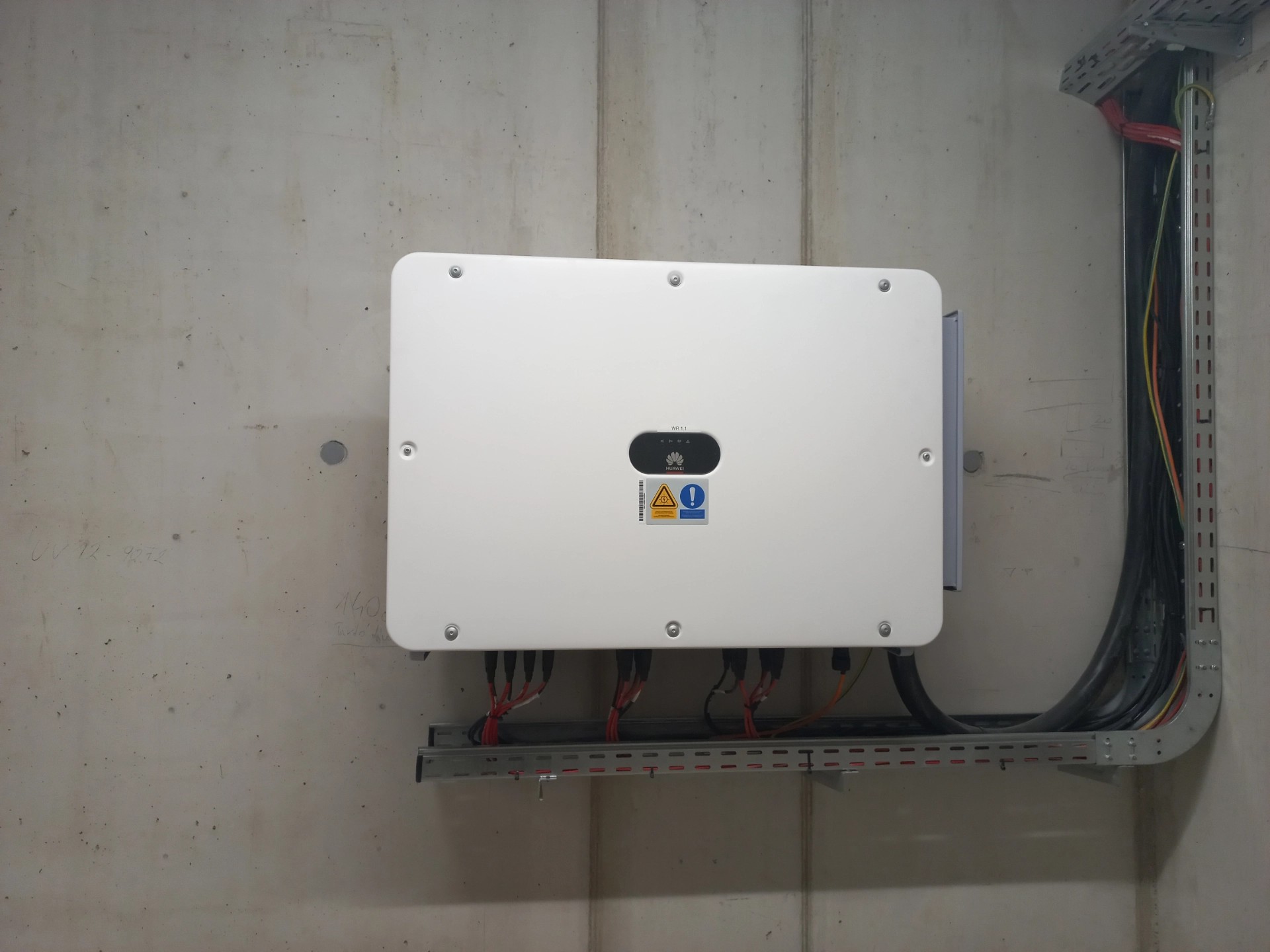
A conference room in Brussels may not seem the most obvious place to announce a market turning point, yet that is exactly what happened in June, when Fluence's head of regulatory affairs, Lars Stephan, said on the stage of European Sustainable Energy Week (EUSEW) that the European Commission's inverter financing ban is already reshaping customers' procurement decisions. Behind the statement lies a regulatory step introduced quietly in April that fundamentally reorganises one of the least visible but strategically most important segments of the solar industry: inverter manufacturing.
The decision: a quiet announcement with a sharp impact
In April 2026 the Commission issued guidance – without an official press release – excluding inverters from countries classified as high-risk from energy projects financed with EU funds. A European Commission spokesperson confirmed that the Commission already faces concrete risks requiring immediate action.
Of the four countries concerned – China, Russia, Iran and North Korea – only one matters in practice: Chinese manufacturers hold about 80% of the global solar inverter market.
The ban applies to all financing instruments of the European Investment Bank (EIB) and the European Investment Fund, and it is not limited to solar – it also covers converters used in wind turbines and battery energy storage (BESS). According to the Commission, the EIB alone financed about 20% of the EU's new solar capacity in 2025, which shows the decision's potential weight.


A new KfW study says Germany must more than double its yearly climate investment, and it leaves the hardest financing problem on the balance sheets of municipal utilities.
The Commission wants network tariffs to reward whoever can shift load away from the peak, and that makes pumping stations and aeration basins, which rarely feature in the debate, part of the argument.
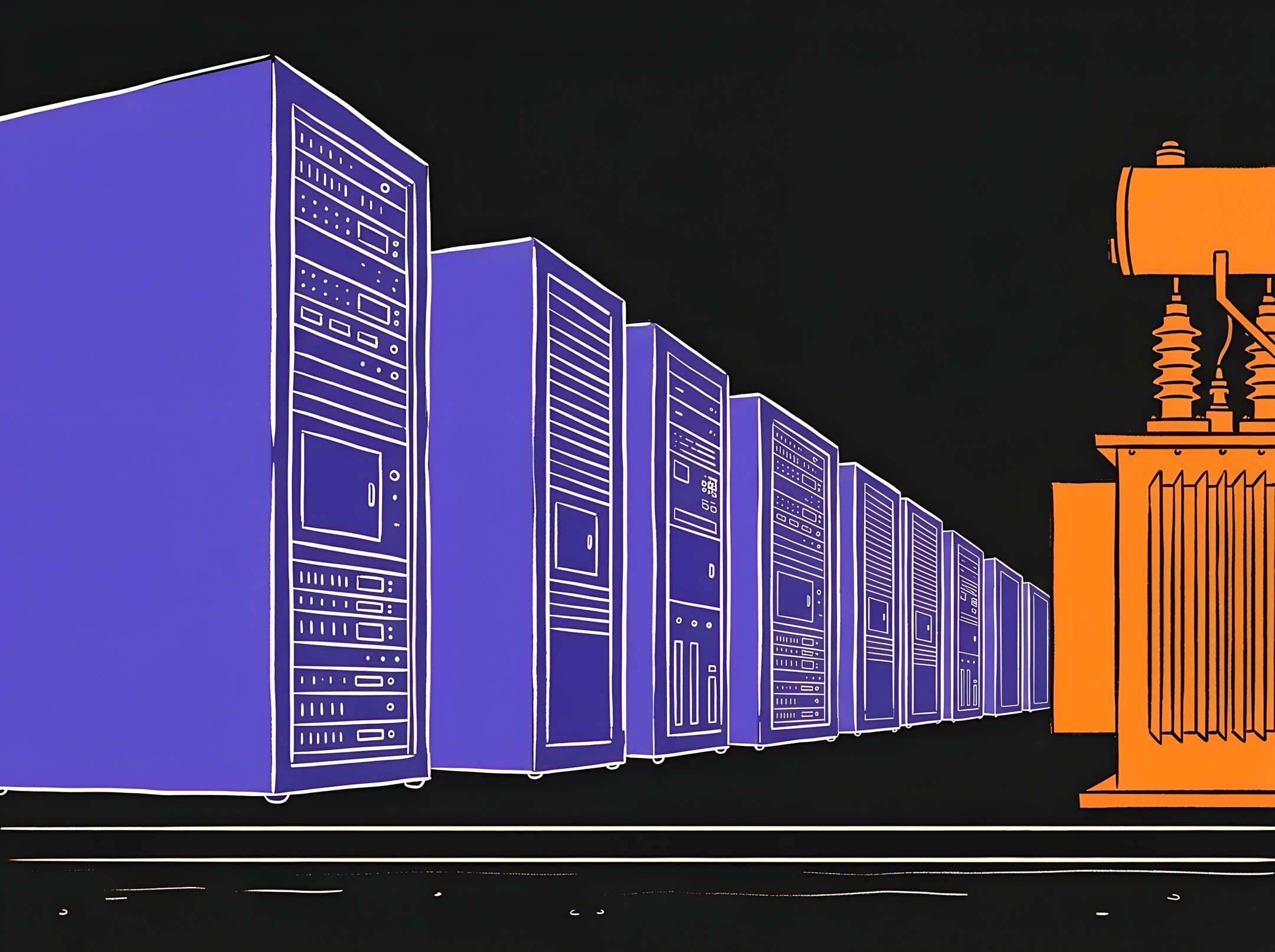
The International Energy Agency has reviewed 134 policies and regulations for fitting data centres into power systems, and its clearest lesson is that a flexible connection is faster than waiting for firm capacity.

Calculations by the DVGW research centre in Karlsruhe show that if small biogas plants reach the gas grid through a shared upgrading unit and injection point, investment falls by up to 55% and the biomethane injected rises by 16% compared with connecting plants one by one.