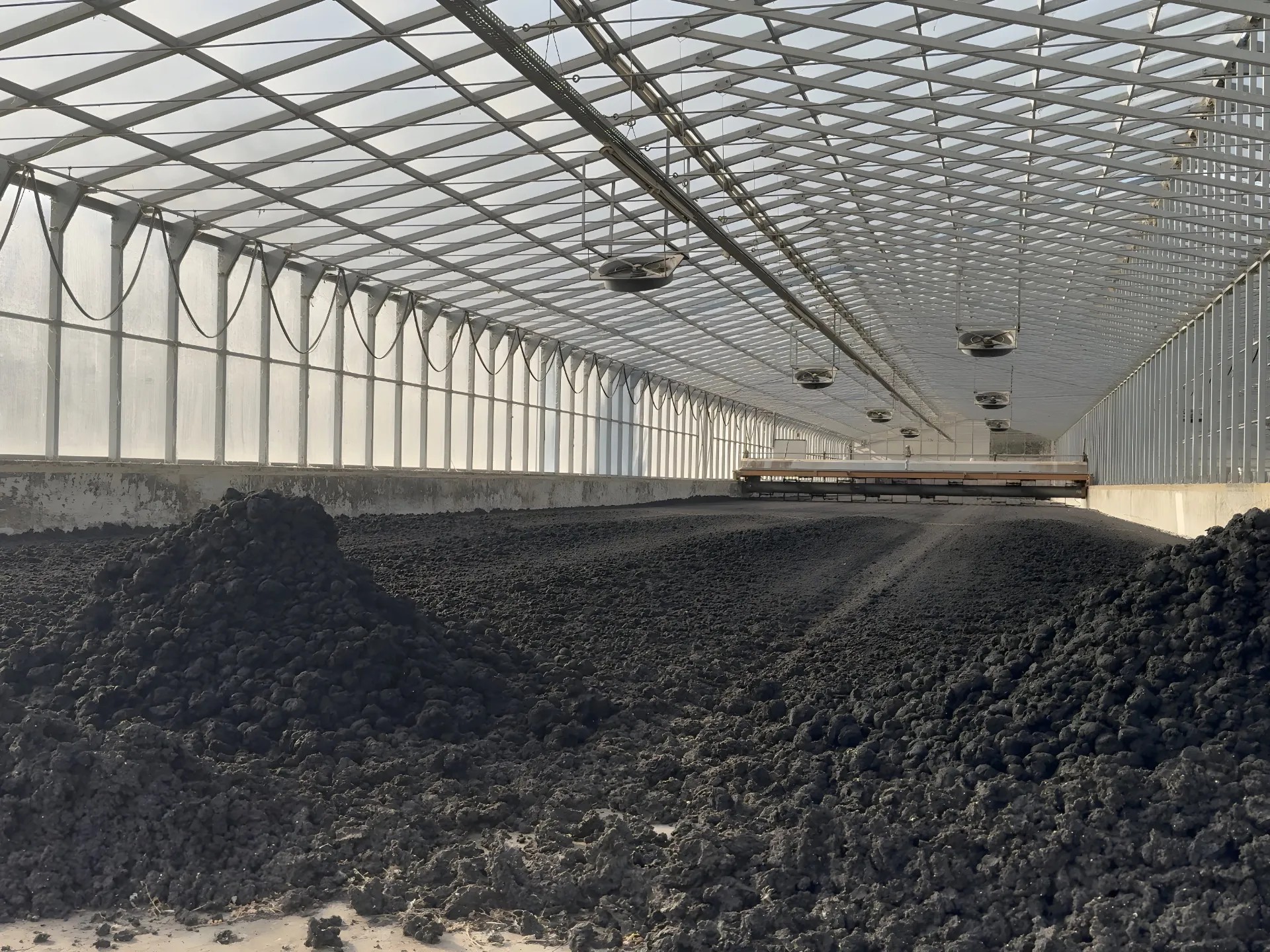
Europe's Energy Storage Crisis – Caught in the Renewables Trap
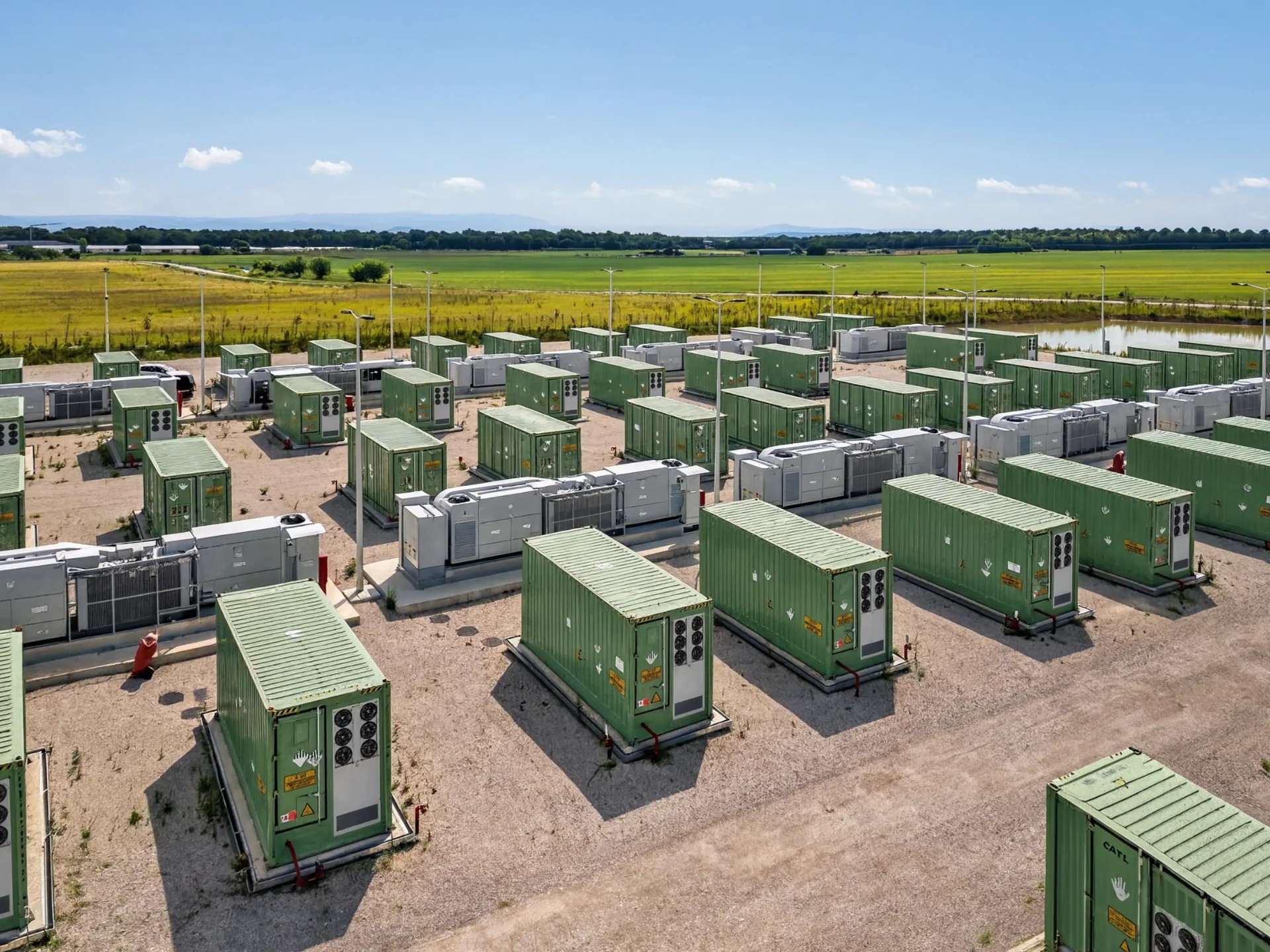
On Friday 17 July 2026, the European Commission published its final Electrification Action Plan, confirming the previously leaked target that the European Union will need 200 GW of energy storage capacity by 2030 – almost four times the current 55 GW. The document also states that as much as 500 GW of storage capacity could be justified by 2050. The announcement did not come out of nowhere: in the first quarter of this year, electricity prices on the EU's day-ahead power exchanges were negative for 1,223 hours – roughly twice as many as in earlier periods – because solar and wind generation regularly exceeds the momentary capacity of the grid and demand.
The action plan and the 200 GW target
The Electrification Action Plan does not stand alone: it is closely linked to the tripartite agreement signed by EU energy ministers on 26 June, under which 22 member states committed to building a combined 30–35 GW of new storage capacity by 2028.
The aim is for stored energy to cover at least 10% of peak demand, compared with around 5% today.
The industry association Energy Storage Europe (ESE) welcomed the plan but stressed that the positive signals must be turned into concrete deployment measures, and also proposed drawing up a dedicated European storage roadmap.

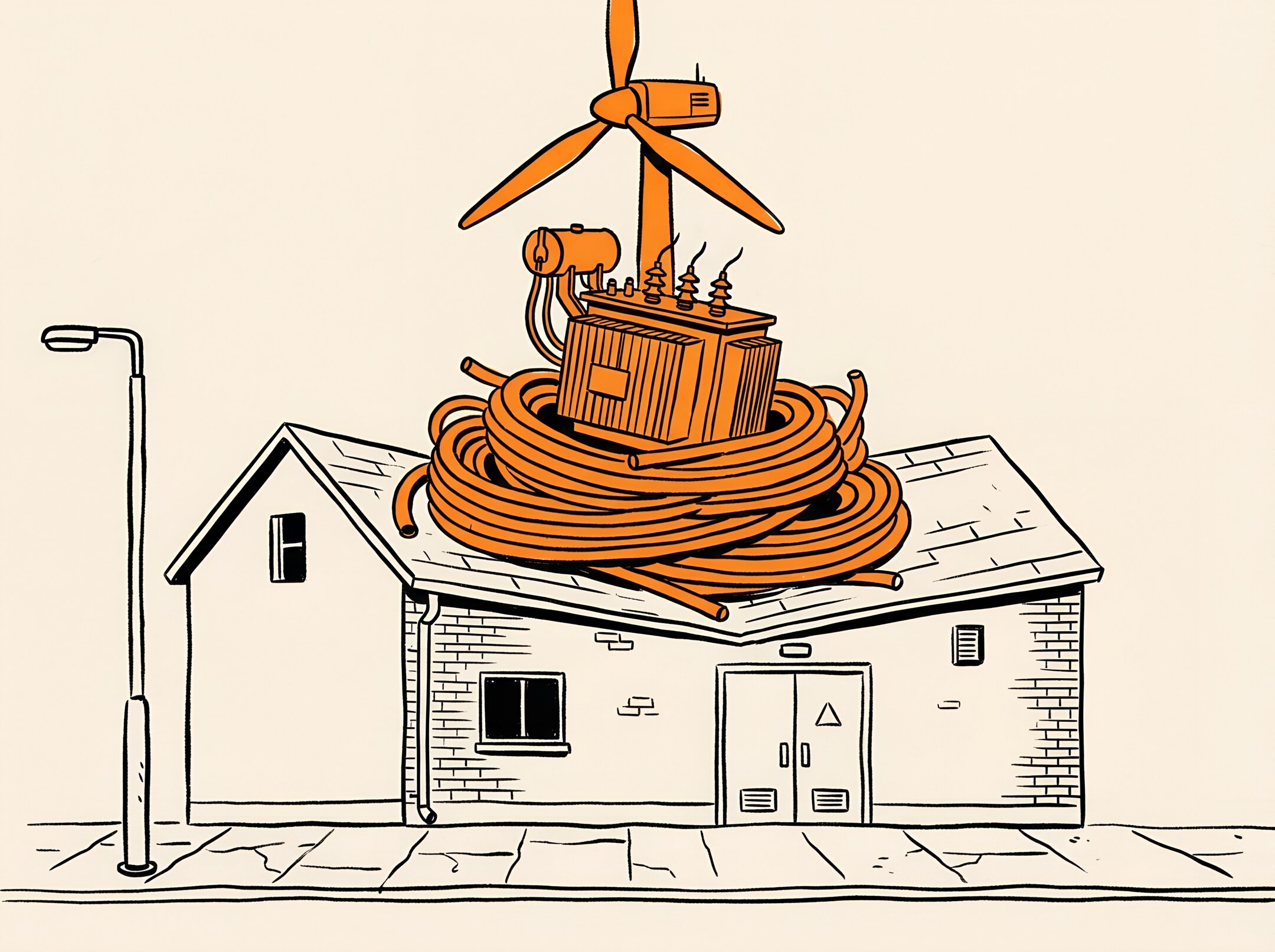

A new KfW study says Germany must more than double its yearly climate investment, and it leaves the hardest financing problem on the balance sheets of municipal utilities.
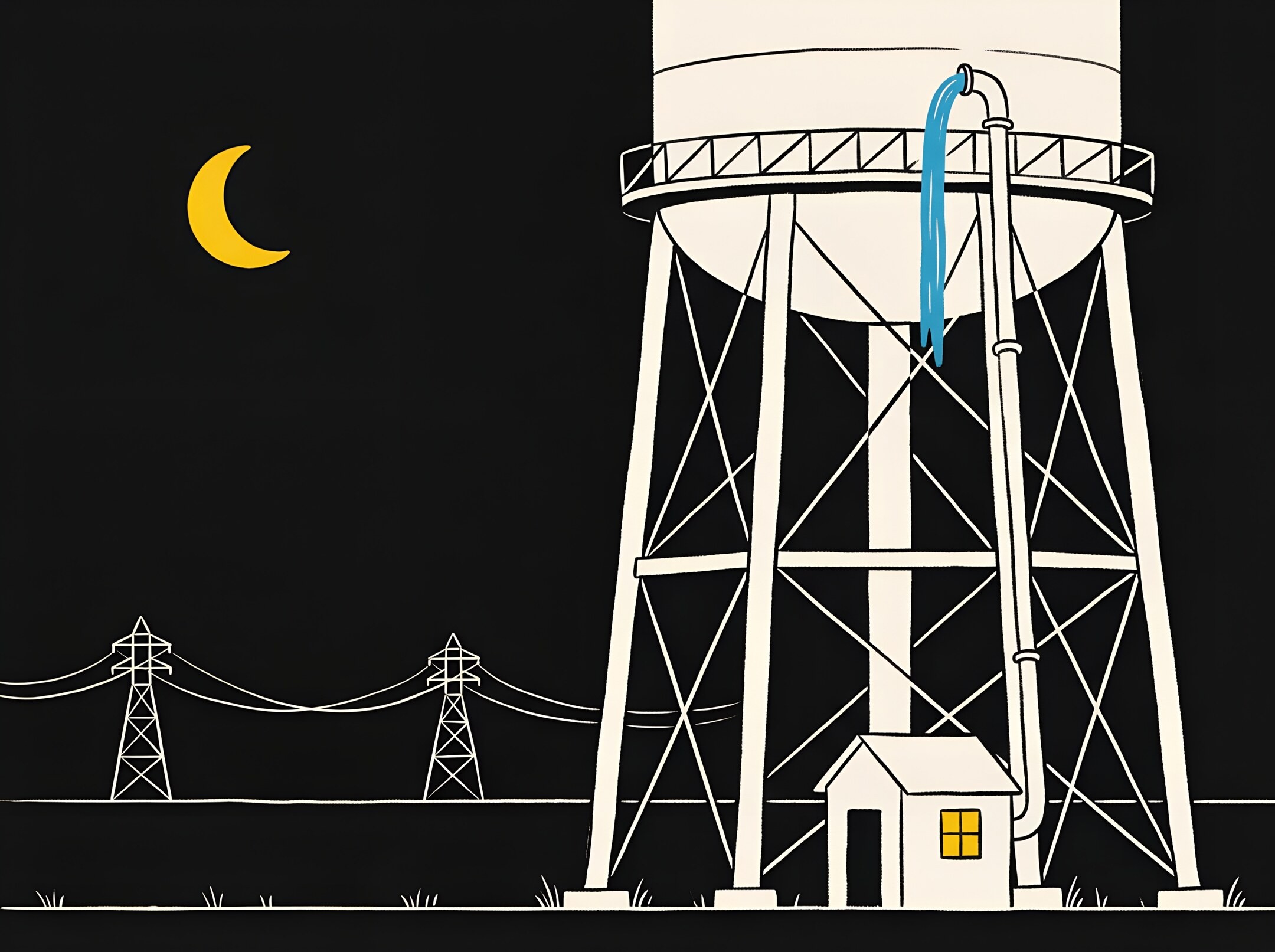
The Commission wants network tariffs to reward whoever can shift load away from the peak, and that makes pumping stations and aeration basins, which rarely feature in the debate, part of the argument.
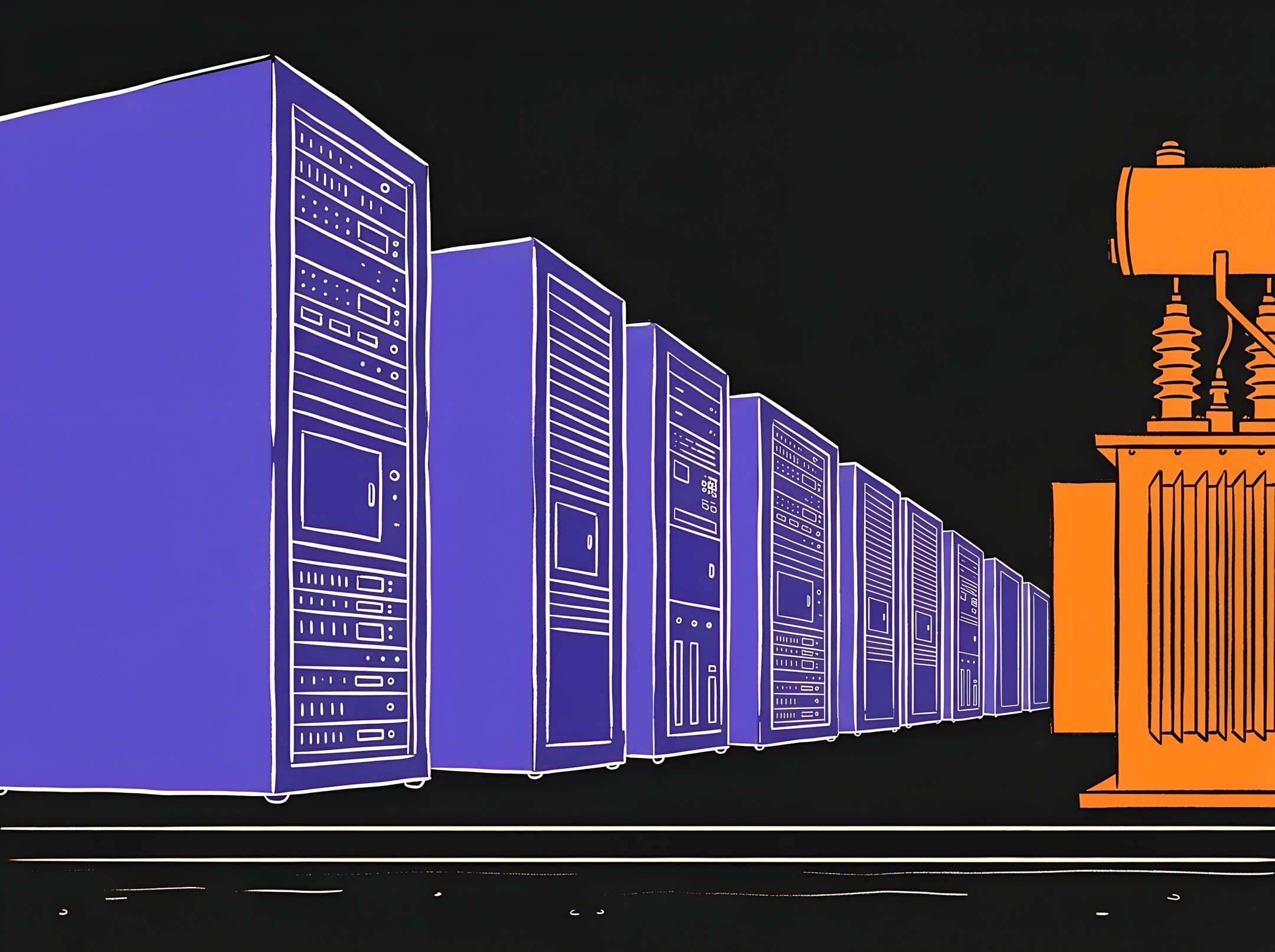
The International Energy Agency has reviewed 134 policies and regulations for fitting data centres into power systems, and its clearest lesson is that a flexible connection is faster than waiting for firm capacity.

Calculations by the DVGW research centre in Karlsruhe show that if small biogas plants reach the gas grid through a shared upgrading unit and injection point, investment falls by up to 55% and the biomethane injected rises by 16% compared with connecting plants one by one.