The Renewable Energy Investment Trend Stalls
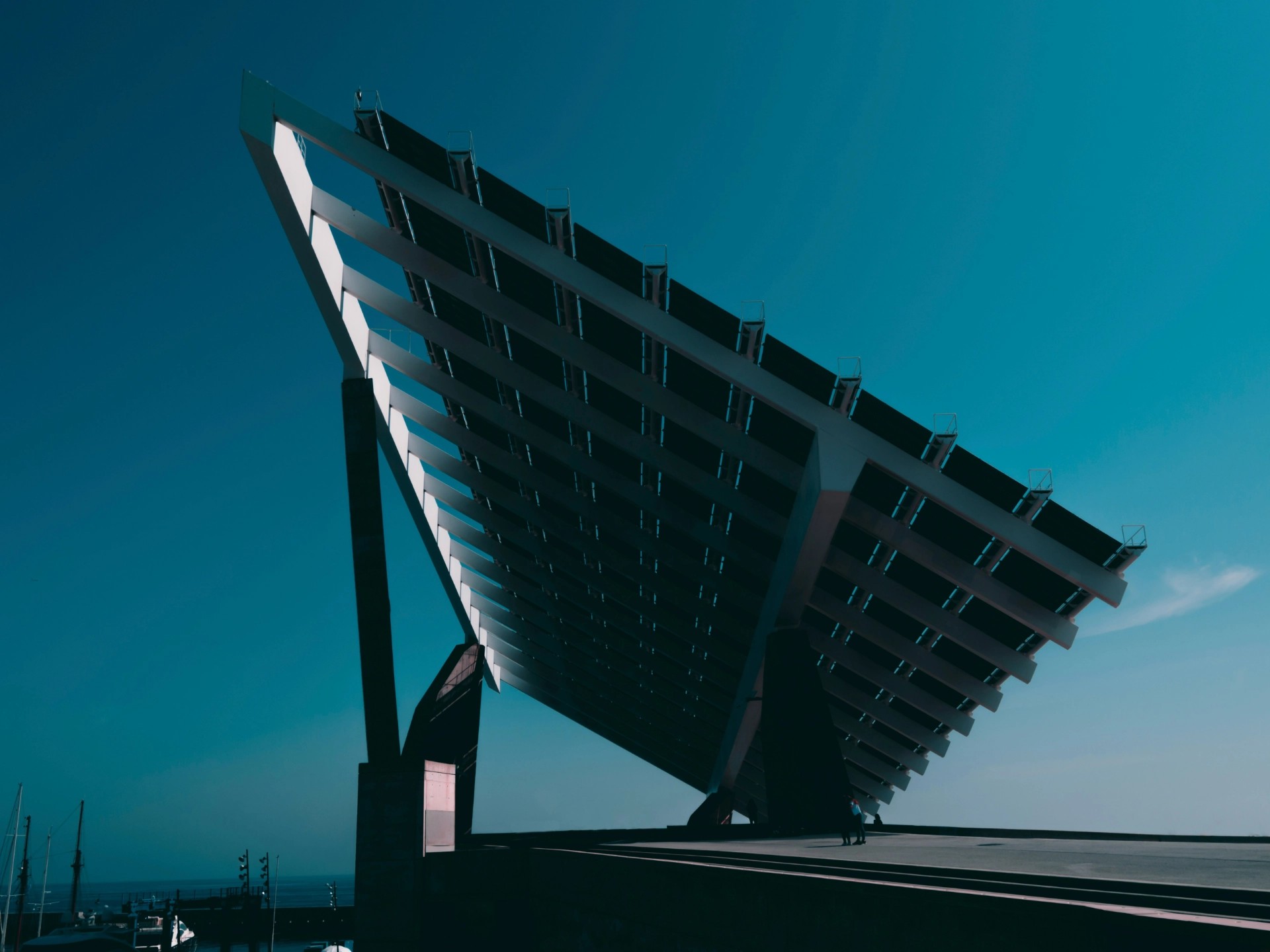
The global renewable energy market effectively stalled in the first half of 2026: according to an analysis by BloombergNEF (BNEF, 2026), the world invested $327.5 billion in solar, wind and other clean energy sources – roughly the same as in the previous half-year, but 21% below the peak recorded in the second half of 2024. The stall coincides with power demand driven by artificial intelligence and data centres, and with energy market uncertainty caused by international conflicts – including the war in Iran – reshaping investor priorities around the world. Behind the slowdown lies a major structural shift: while financing for stand-alone utility-scale solar and onshore wind projects fell, solar developments combined with storage set a record.
Energy storage tops the list
Financing for stand-alone utility-scale solar projects fell by 20% year on year to $75.4 billion – the lowest level since 2021, when the solar boom began. The decline is mainly due to output lost to grid curtailment, price cannibalisation and revenue uncertainty caused by grid congestion, which have dampened investment appetite in China, Brazil and several European countries. In practice, these risks mean that on some grids – such as in China's sunny provinces or parts of Southern Europe – so many solar plants generate at the same time that electricity prices periodically fall to zero or turn negative, undermining the returns of stand-alone solar projects.
At the same time, investors have increasingly turned to solar projects combined with energy storage. These hybrid developments supplement daytime generation with battery storage, so the electricity produced can be sold later at higher market prices – providing more predictable revenue than a stand-alone solar plant.

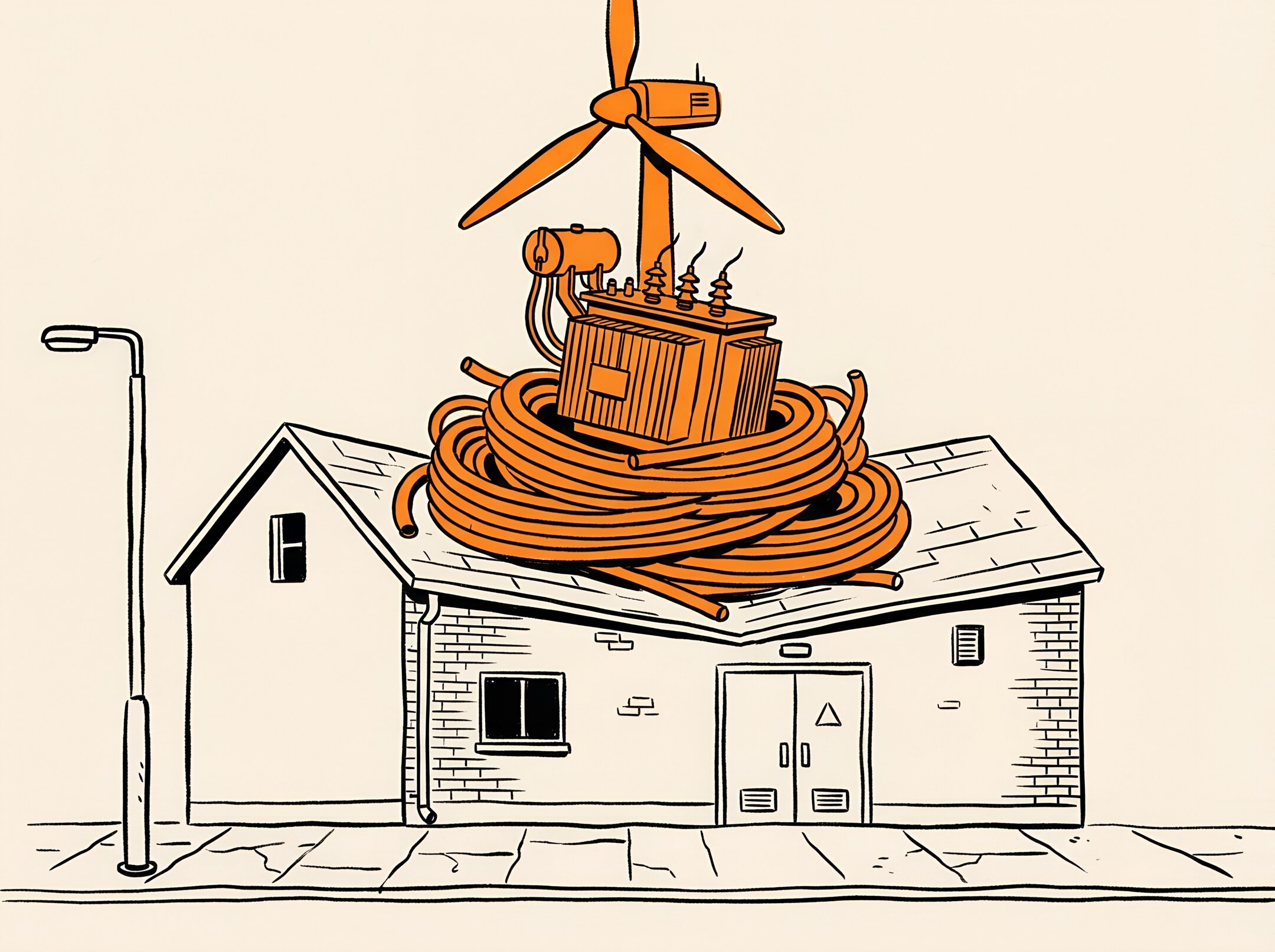

A new KfW study says Germany must more than double its yearly climate investment, and it leaves the hardest financing problem on the balance sheets of municipal utilities.
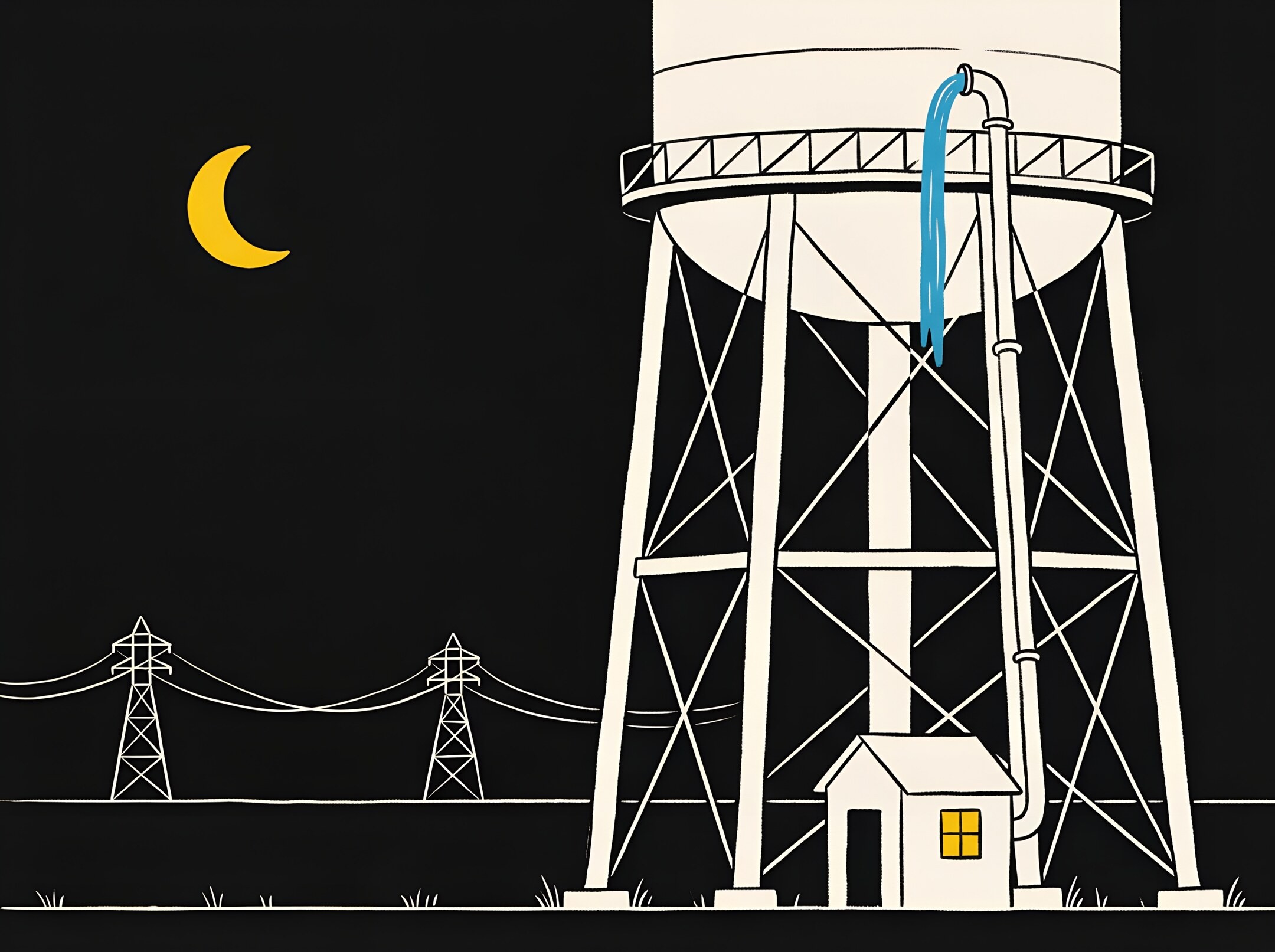
The Commission wants network tariffs to reward whoever can shift load away from the peak, and that makes pumping stations and aeration basins, which rarely feature in the debate, part of the argument.
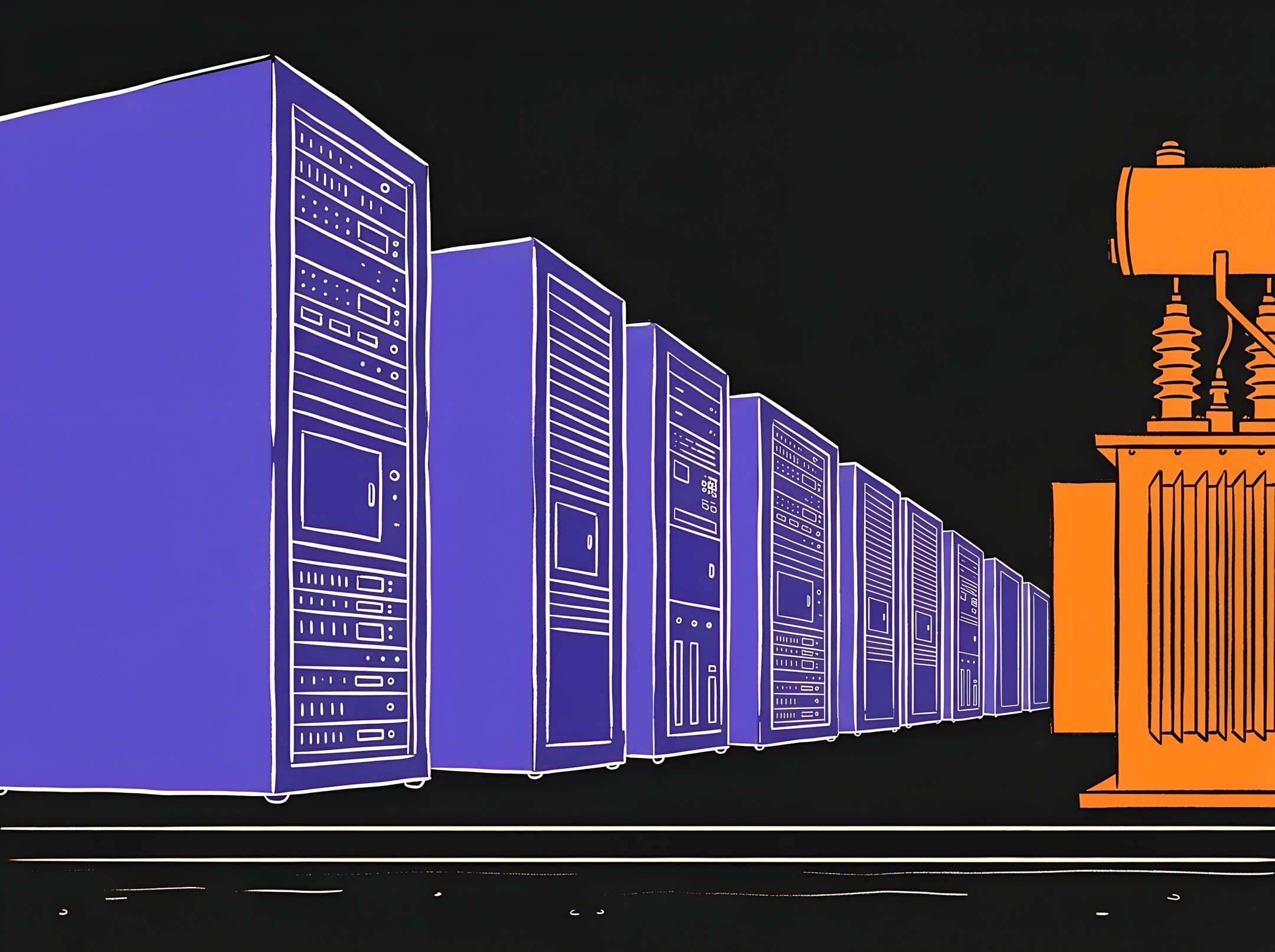
The International Energy Agency has reviewed 134 policies and regulations for fitting data centres into power systems, and its clearest lesson is that a flexible connection is faster than waiting for firm capacity.
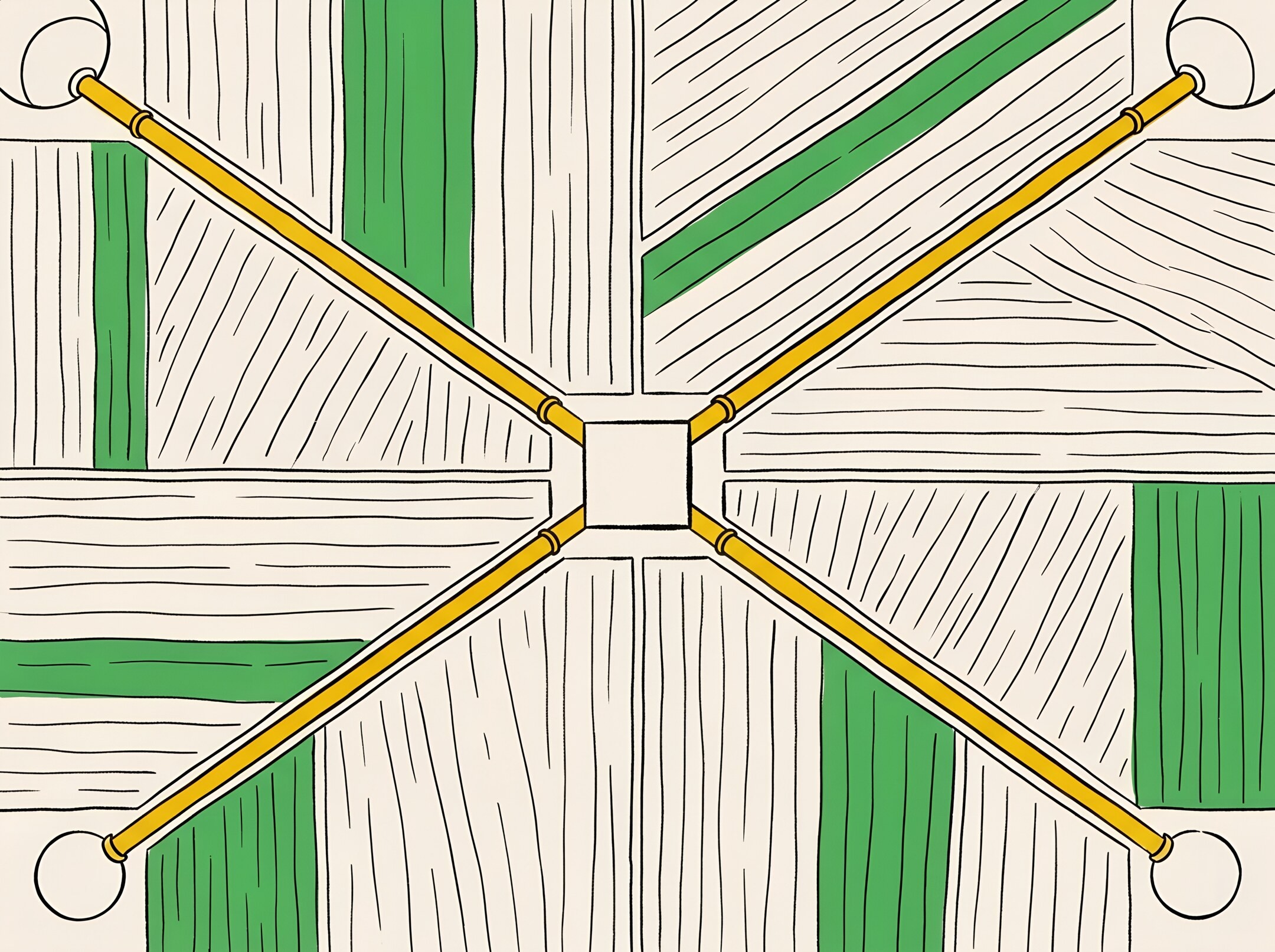
Calculations by the DVGW research centre in Karlsruhe show that if small biogas plants reach the gas grid through a shared upgrading unit and injection point, investment falls by up to 55% and the biomethane injected rises by 16% compared with connecting plants one by one.