Biogas Clusters Could Cut Injection Costs by 55%
In 2025 Germany's roughly 9,600 biogas plants produced around 104 TWh of biogas. Most of it is turned into electricity in engines on site; in 2026 only around 16 TWh is being upgraded to biomethane and injected into the gas grid, through 276 upgrading plants (Bär et al., 2026a). Most existing plants are too small to run their own upgrading unit and grid connection economically. Researchers at the DVGW research centre at the Karlsruhe Institute of Technology (KIT) have calculated what plants could gain by clustering.
Why inject into the grid?
On-site engines long provided steady baseload power. When biogas plants become flexible, the engines run when wind and solar output is low and stand idle when it is high. That requires storing gas, and storage at the plants is limited.
Upgrading to biomethane removes that constraint. Once in the gas grid and Germany's existing gas storage, it can be used wherever and whenever it is needed, and it can directly replace natural gas in every current application. The question is how to get gas from small plants into the grid.

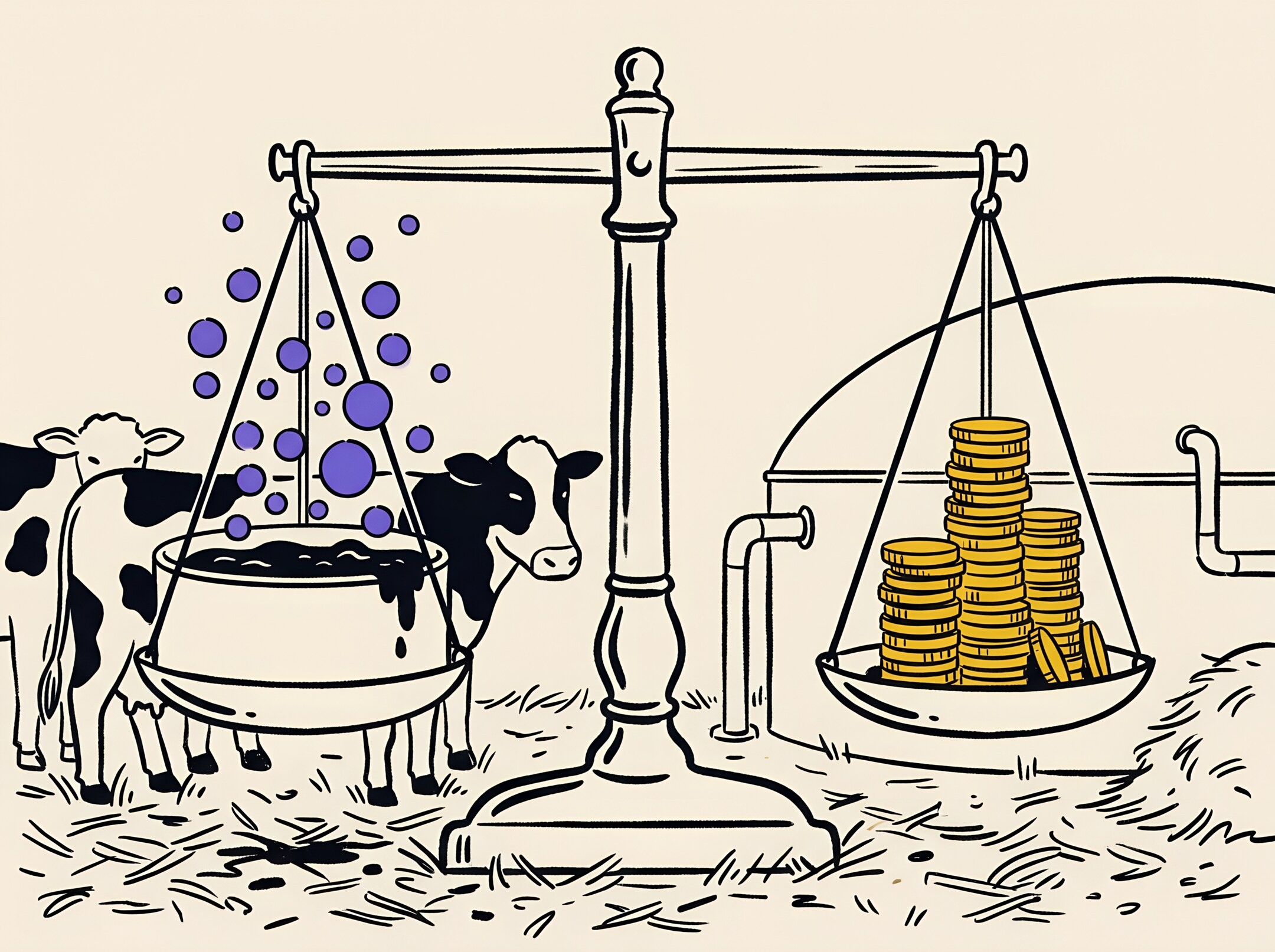

A model update in the United States quadrupled the tax credit for dairy-farm biomethane overnight, because the US credit pays for carbon intensity, while the European Union mostly measures the same performance as a pass or a fail.
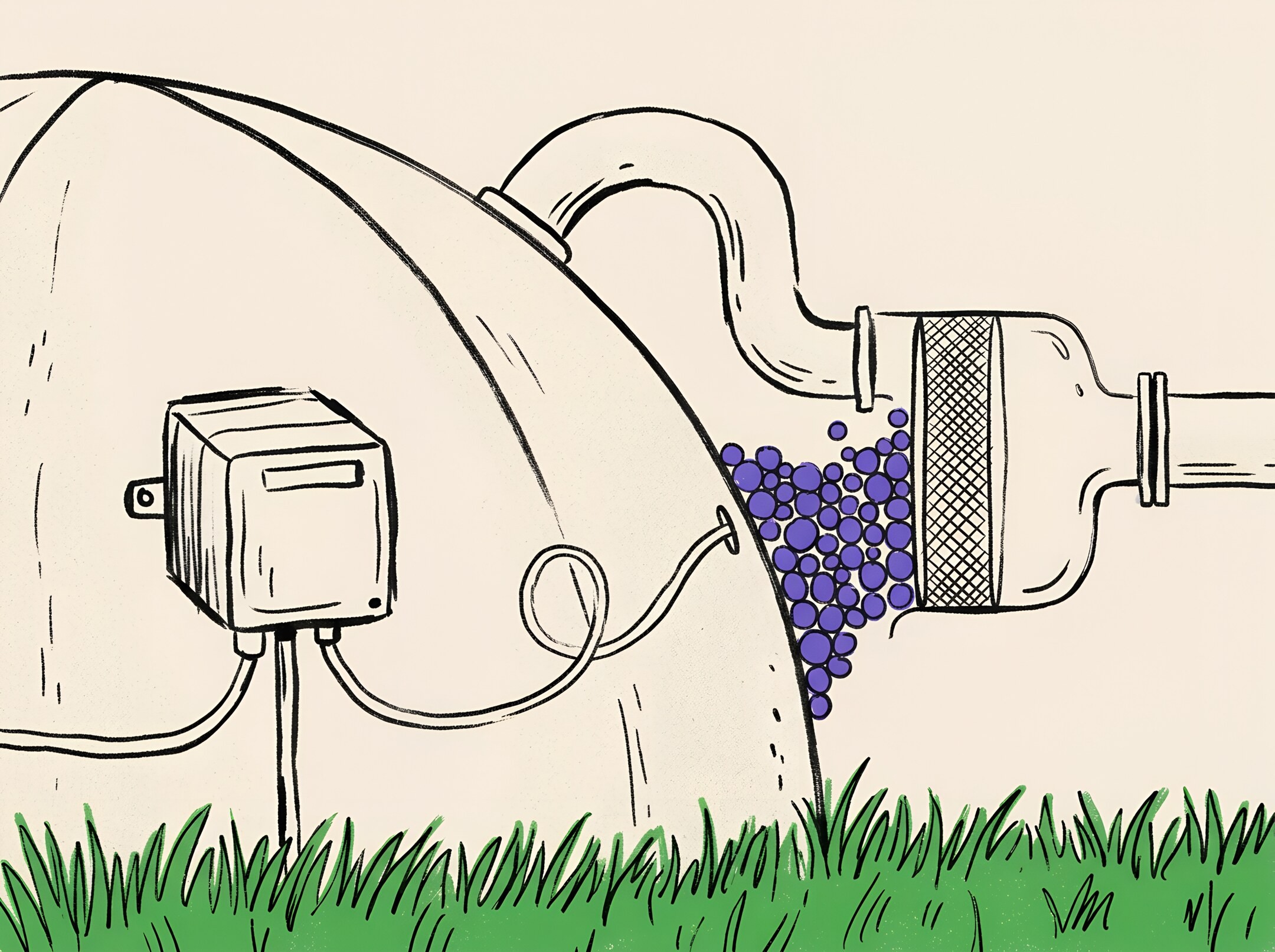

A clause buried in a gas tariff order makes oxygen a design parameter for Spanish biomethane plants, and shows how differently Europe handles a problem it hasn't yet agreed on.
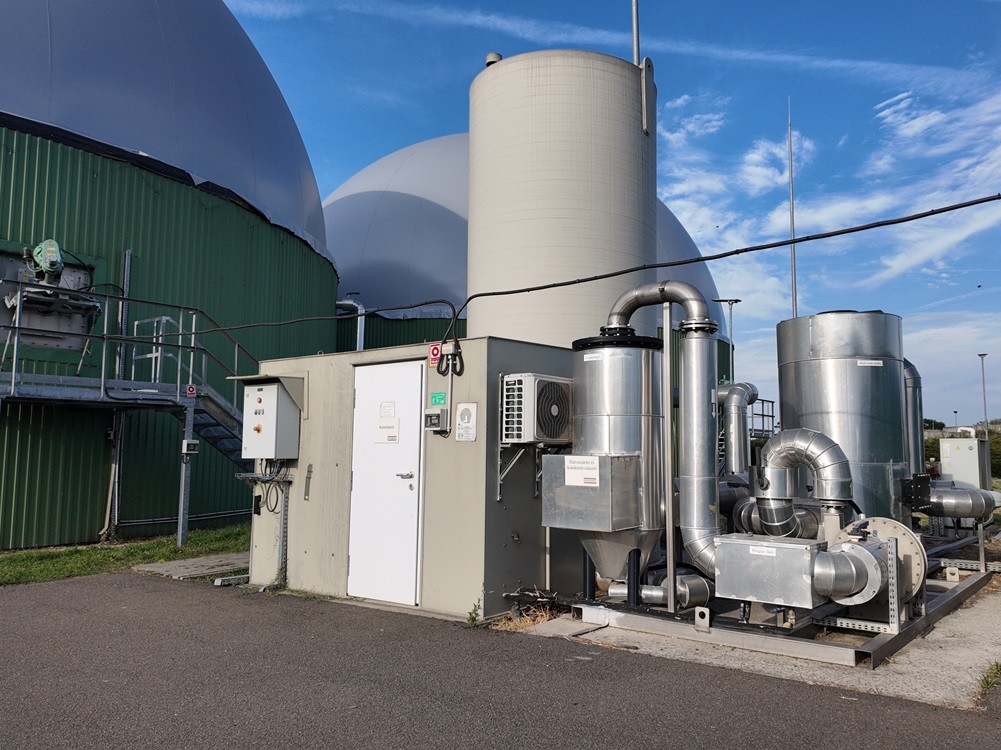
Dosing iron into the digester is one of a biogas plant's main defences against hydrogen sulphide, but iron chloride, iron hydroxide and iron oxide behave very differently – and reactivity matters more than the price per kilo.
Market data from Bavaria's state agricultural research institute show biogas plants earning 3–9 cents more per kilowatt-hour by producing in the most expensive hours instead of running at baseload, provided they invest in gas storage, larger engines and daily trading.