Green Hydrogen From Biogas – the TITAN Project
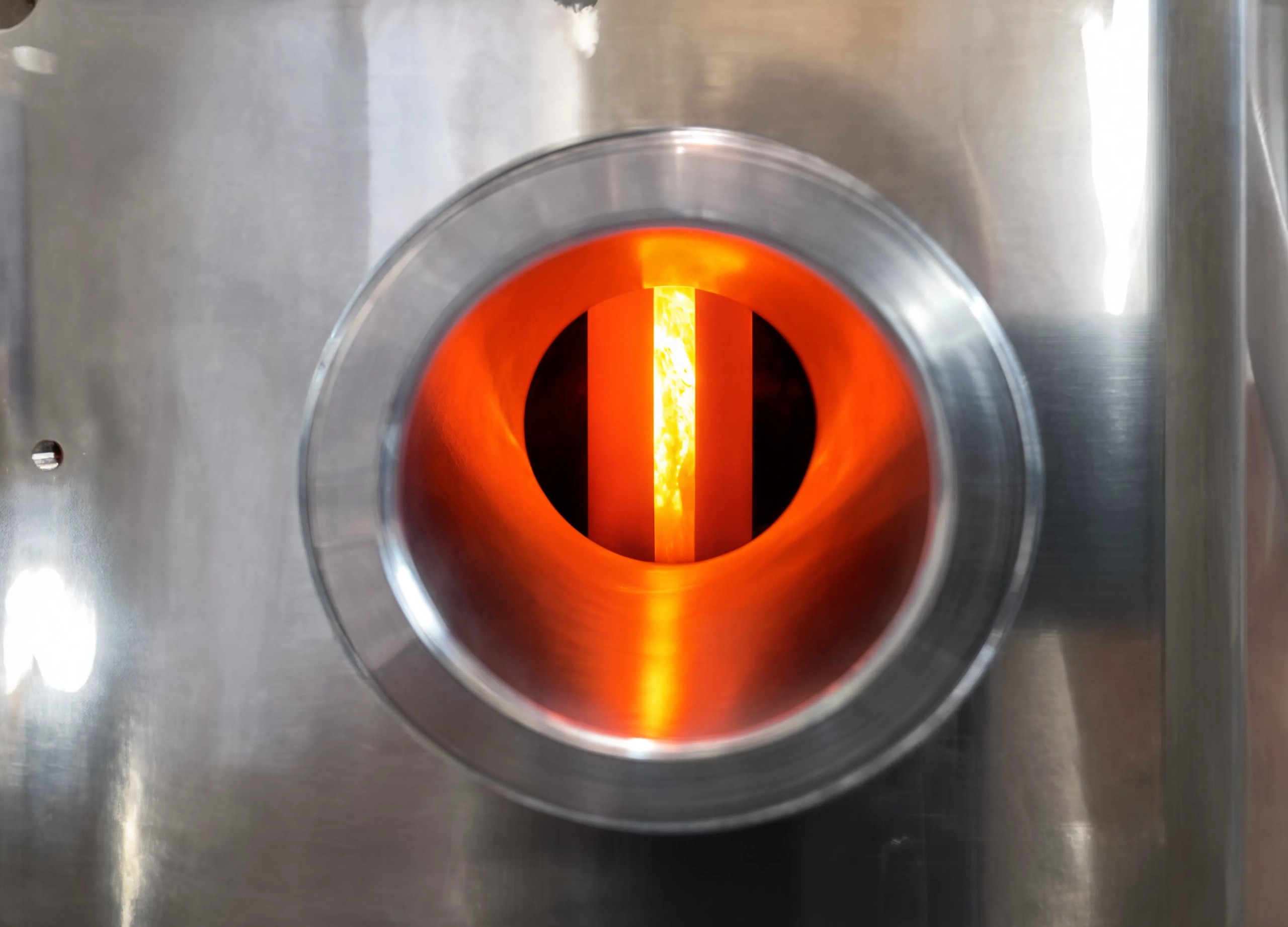
So far, biogas has appeared in European energy policy mainly in two roles: as a local source of electricity and – upgraded to biomethane – as a decarbonised alternative in the natural gas grid. The TITAN project's results add a third, strategically very important direction: green hydrogen can be produced directly from biogas – and much more efficiently than by electrolysis. The project's final event took place in Brussels on 22 June 2026, where the consortium presented the results of 48 months of research (CORDIS, 2026).
The weak point of the EU's hydrogen transition
The European Union's REPowerEU plan set the goal of producing 10 million tonnes of renewable hydrogen a year by 2030, as a basis for decarbonising heavy industry, transport and the energy system (European Commission, 2023). The plan relies essentially on electrolysers: water-splitting equipment that uses renewable electricity to separate hydrogen and oxygen.
There is currently a serious gap between vision and reality: the EU has only 600 MW of operating electrolyser capacity today, while the 2030 target is 40 GW – sixty-six times today's capacity.

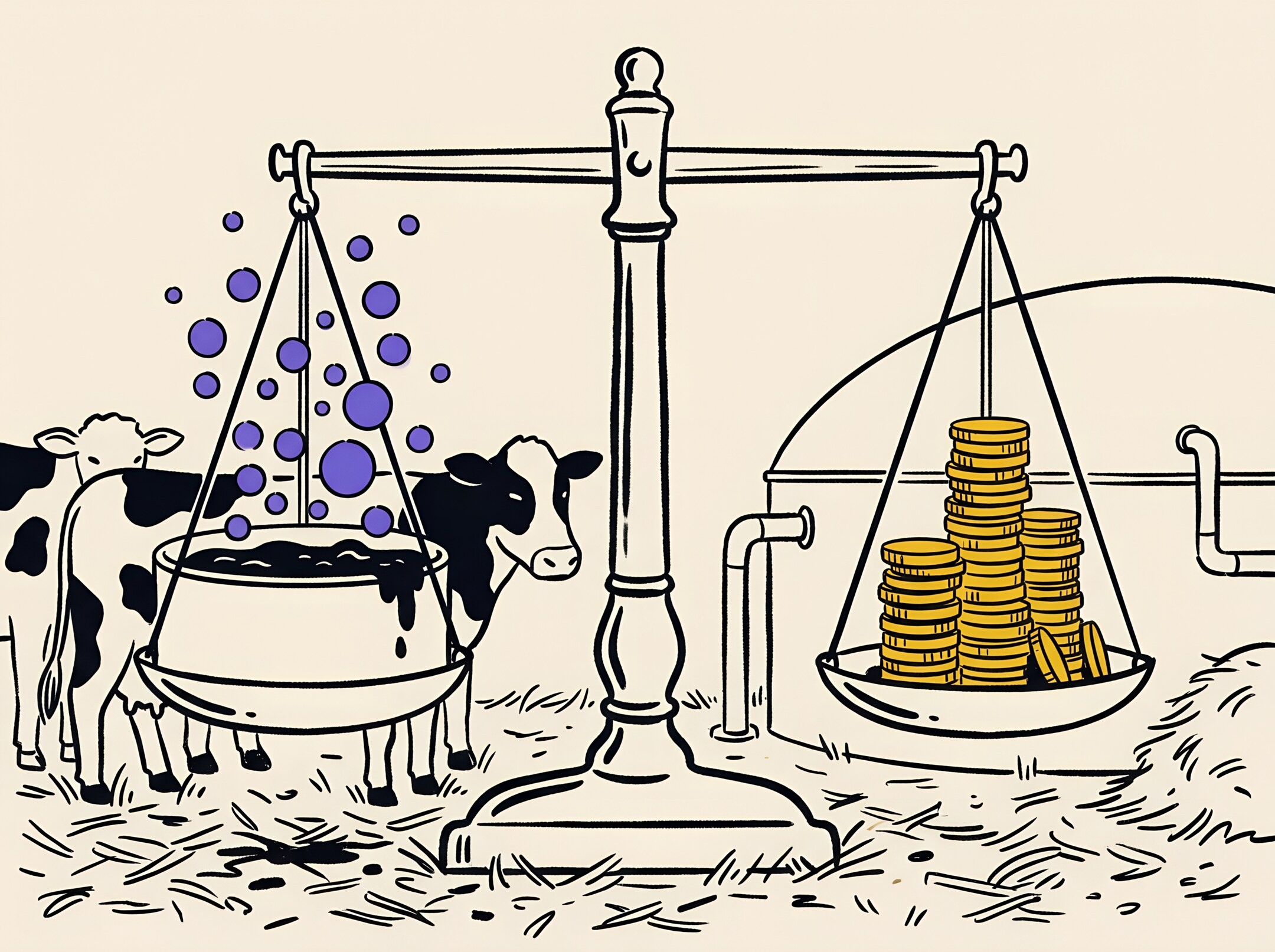

A model update in the United States quadrupled the tax credit for dairy-farm biomethane overnight, because the US credit pays for carbon intensity, while the European Union mostly measures the same performance as a pass or a fail.
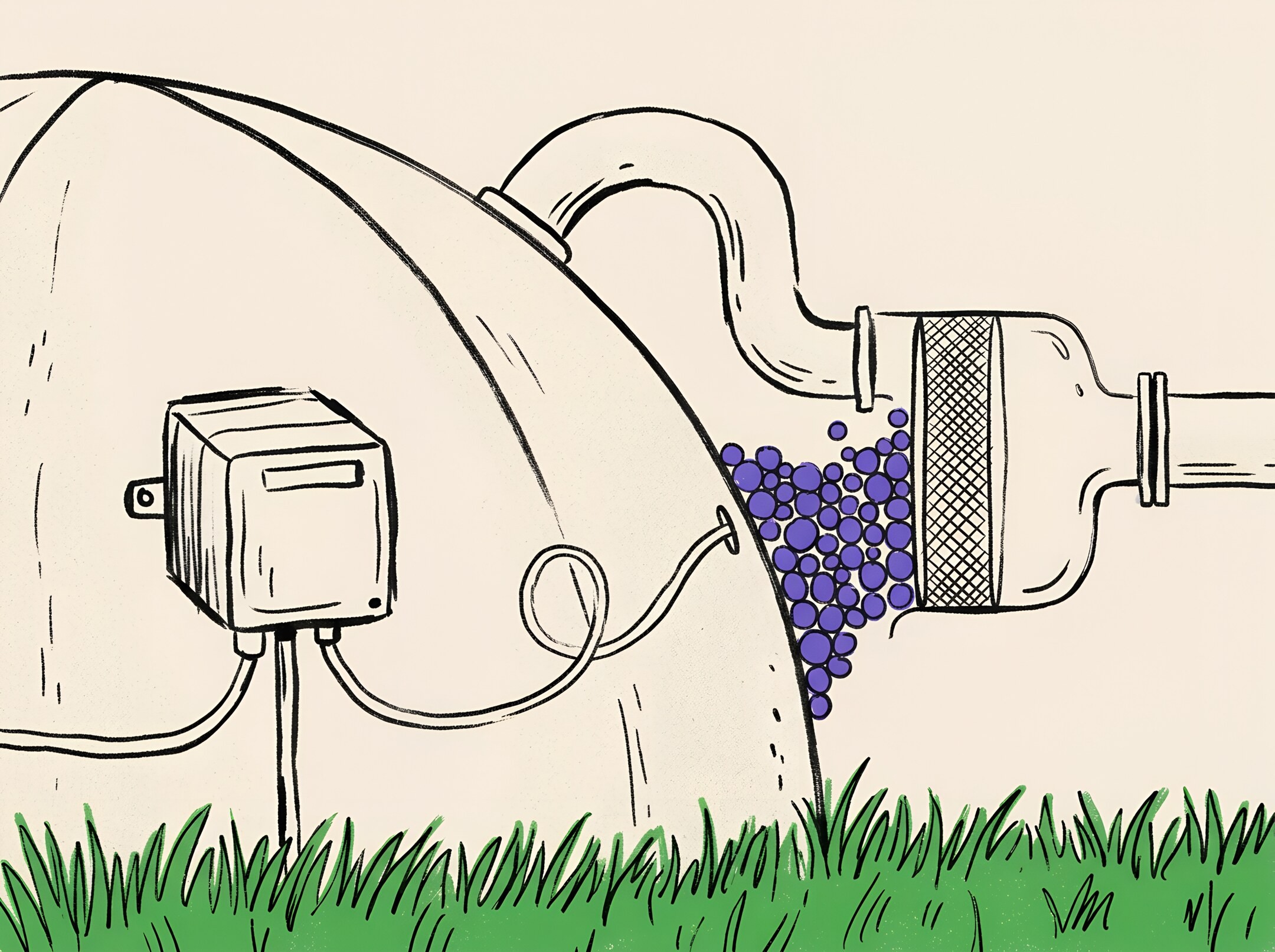

A clause buried in a gas tariff order makes oxygen a design parameter for Spanish biomethane plants, and shows how differently Europe handles a problem it hasn't yet agreed on.

Calculations by the DVGW research centre in Karlsruhe show that if small biogas plants reach the gas grid through a shared upgrading unit and injection point, investment falls by up to 55% and the biomethane injected rises by 16% compared with connecting plants one by one.
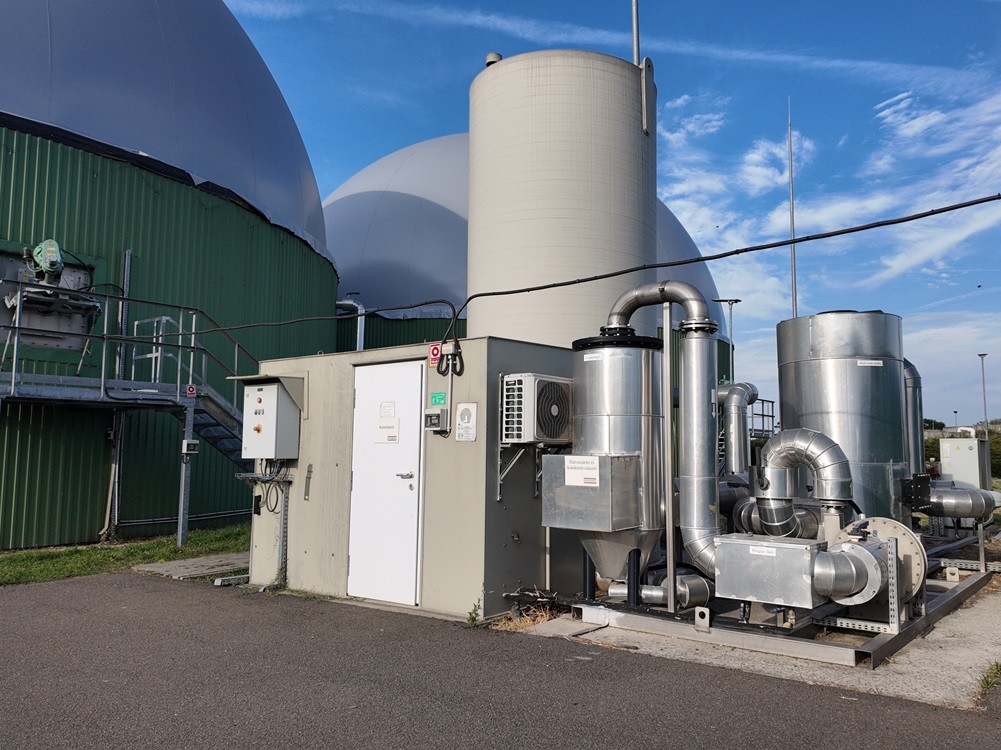
Dosing iron into the digester is one of a biogas plant's main defences against hydrogen sulphide, but iron chloride, iron hydroxide and iron oxide behave very differently – and reactivity matters more than the price per kilo.