Net-Zero Emissions in Wastewater Treatment: Path or Utopia?

Wastewater treatment accounts for around 3–4% of electricity use worldwide. The biological treatment process also emits greenhouse gases – methane, nitrous oxide and carbon dioxide – so this is an industry that, although its core purpose is to protect the environment, itself contributes to climate change. This paradox makes the question ever more pressing: can net-zero targets be reached in wastewater treatment?
A joint study by researchers at Tongji University and Gdańsk University of Technology seeks an answer through an in-depth analysis of six Chinese wastewater treatment plants and a comparison with European data. Published in 2025 (Jin et al., 2025), the study not only maps the current situation but also proposes targeted strategies for carbon neutrality.
Anatomy of a carbon footprint
The emissions of wastewater treatment plants fall into two main groups:



A national Swiss campaign has run every PFAS method in the Commission's guidelines side by side, and none of them can name most of the organic fluorine in wastewater.
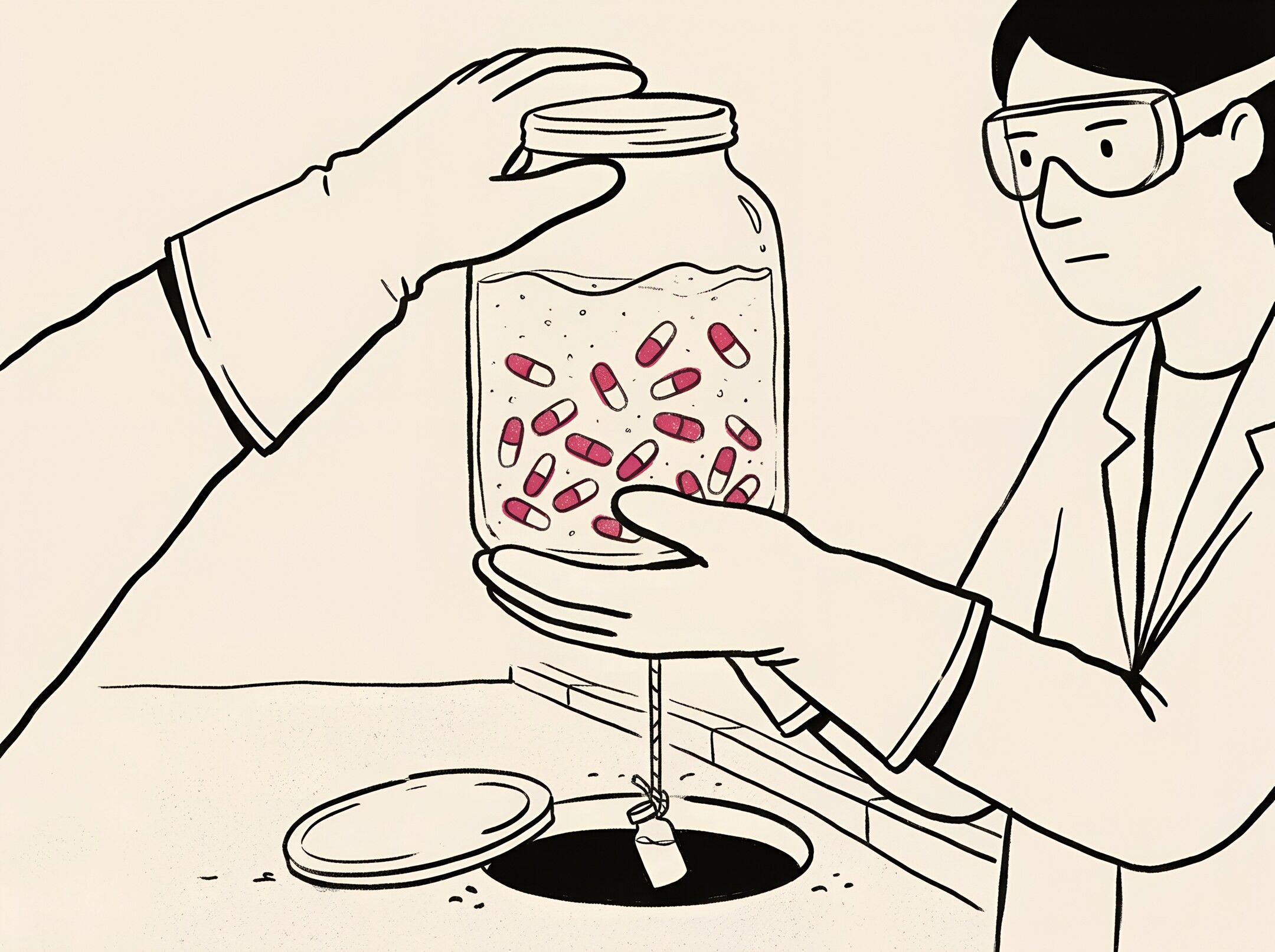
Europe is about to make wastewater monitoring for antimicrobial resistance routine, while researchers warn that the numbers it produces can't yet say how many people are affected or what risk they face.

A meta-analysis of 455 datasets finds that fertilisers made from separated urine and faeces perform as well as mineral fertiliser, so the open questions are now quality assurance and regulation.

Prague's draft law transposing the recast EU wastewater directive puts the investment bill at up to CZK 176 billion and gives a detailed view of what the rules mean for a central European member state.