Cutting Your Electricity Bill With the Right Membranes
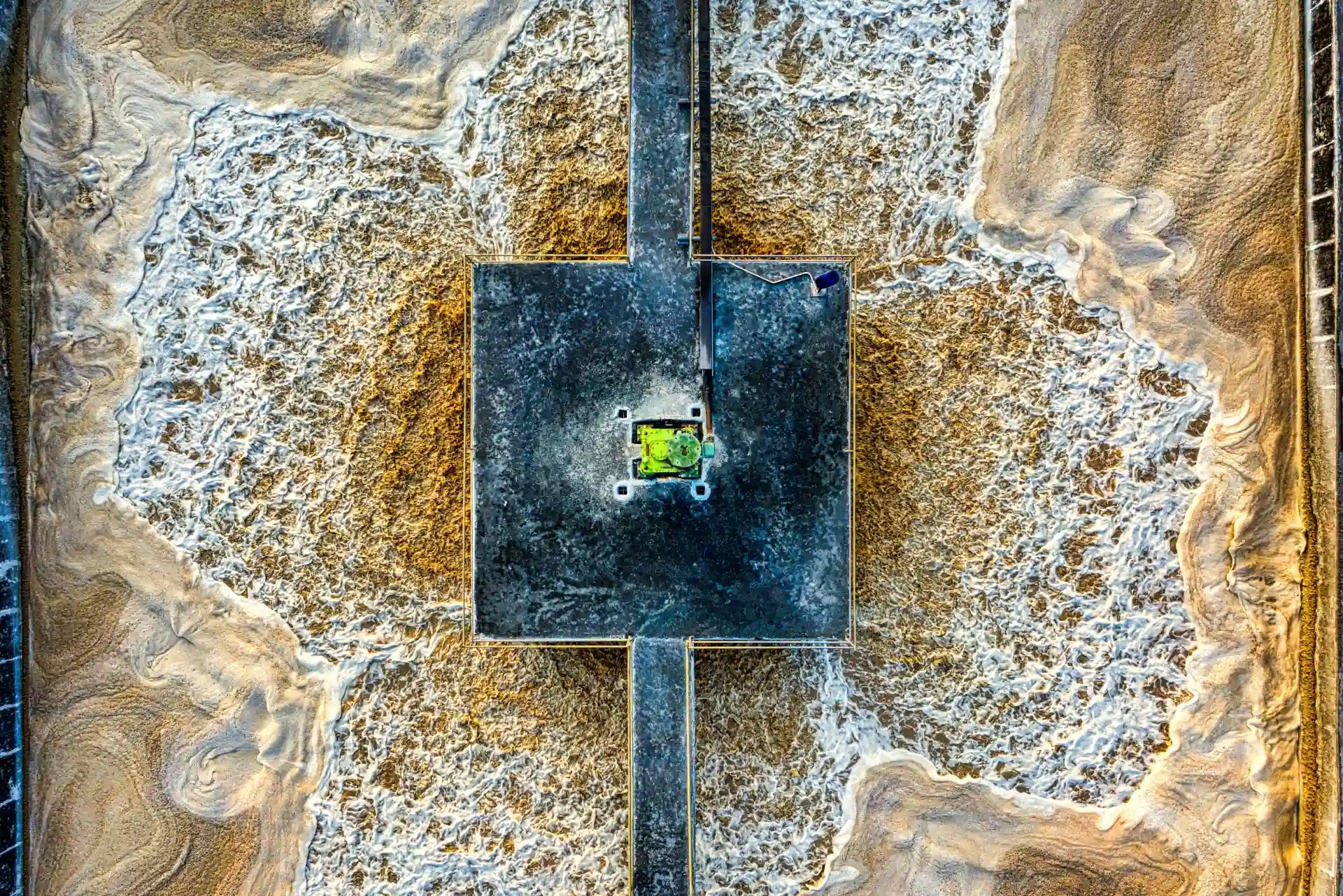
Running a wastewater treatment plant is not cheap. Aeration in activated sludge tanks accounts for 50–65% of the total energy use of conventional biological plants, the most common type worldwide.
Fine-bubble membrane diffusers determine how much oxygen is delivered to the water so that aerobic bacteria can break down organic matter at the highest possible density and efficiency. The efficiency of membrane diffusers is directly linked to the plant's operating costs.
The membrane material has a decisive influence on the SOTE (Standard Oxygen Transfer Efficiency), fouling, lifetime and life-cycle costs (LCC).

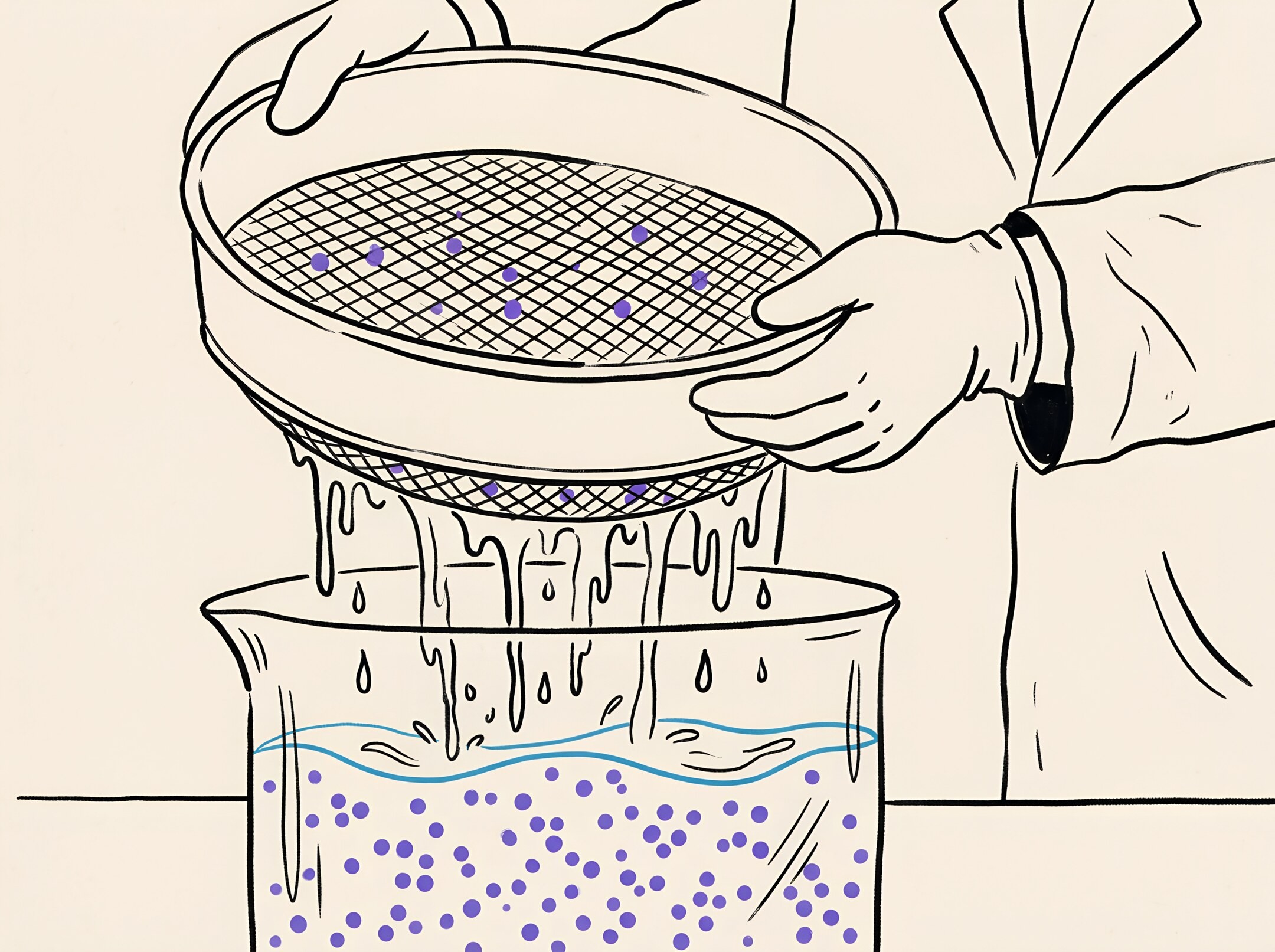

A national Swiss campaign has run every PFAS method in the Commission's guidelines side by side, and none of them can name most of the organic fluorine in wastewater.
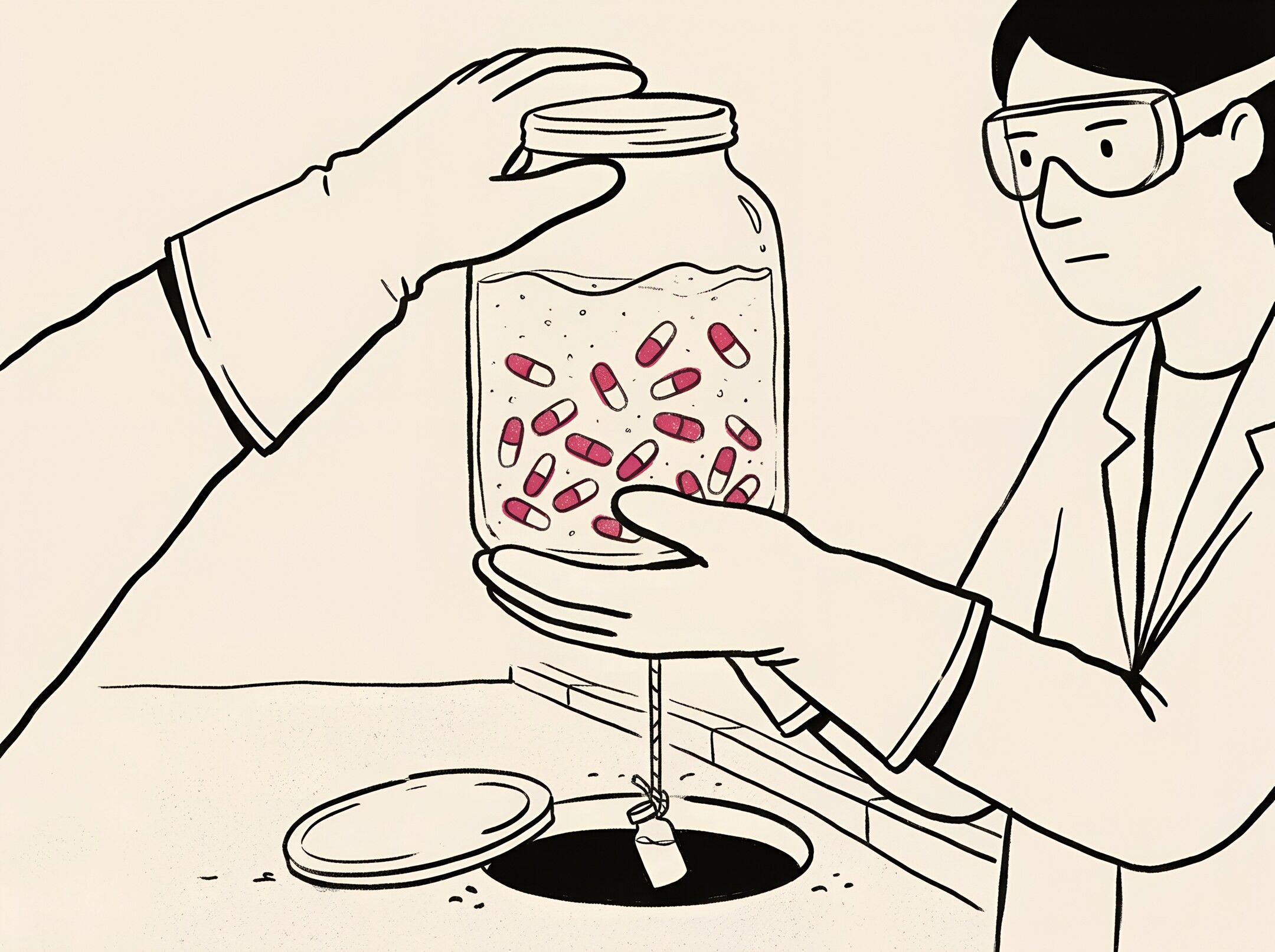
Europe is about to make wastewater monitoring for antimicrobial resistance routine, while researchers warn that the numbers it produces can't yet say how many people are affected or what risk they face.

A meta-analysis of 455 datasets finds that fertilisers made from separated urine and faeces perform as well as mineral fertiliser, so the open questions are now quality assurance and regulation.

Prague's draft law transposing the recast EU wastewater directive puts the investment bill at up to CZK 176 billion and gives a detailed view of what the rules mean for a central European member state.