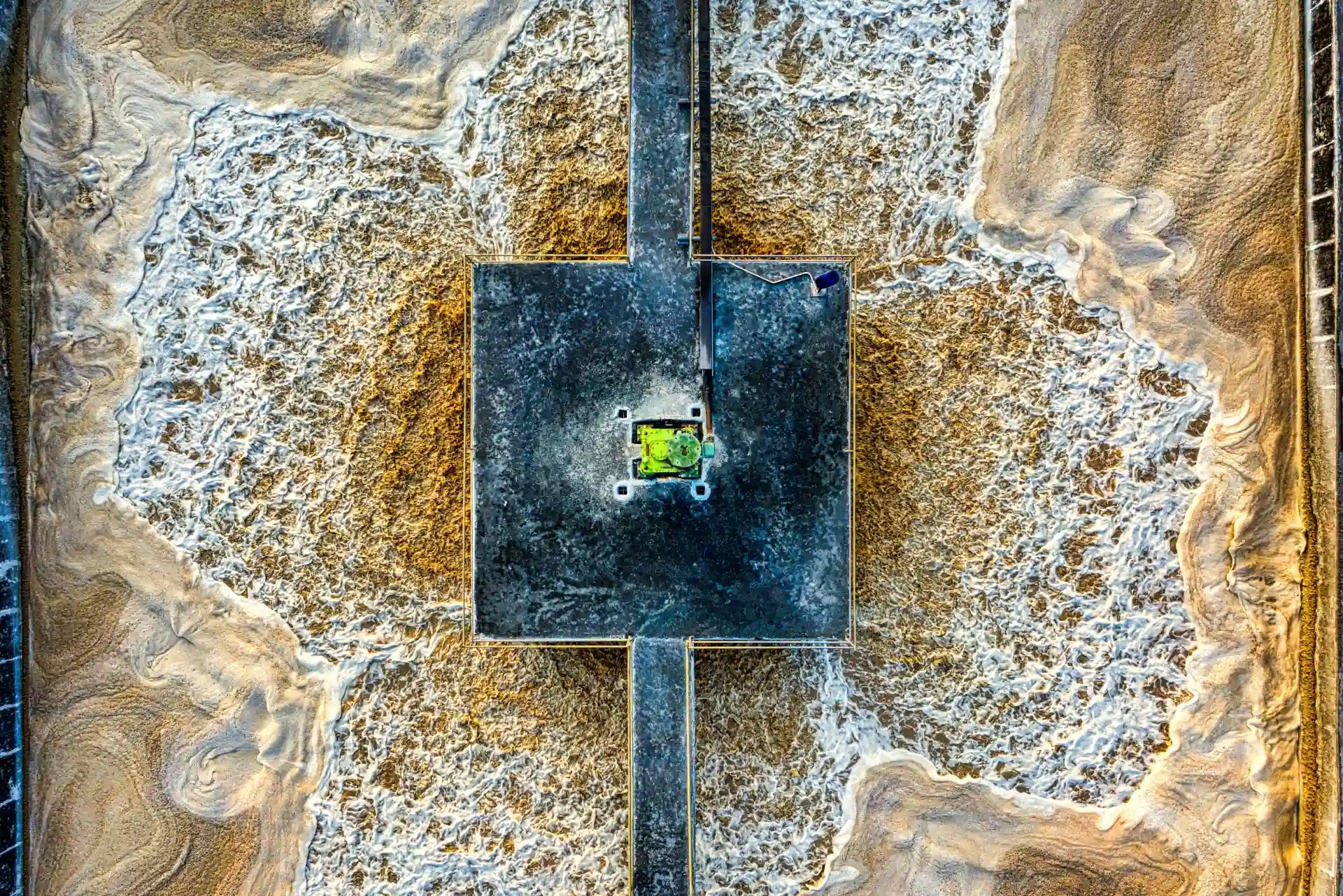
Digital Twins in the Water Sector
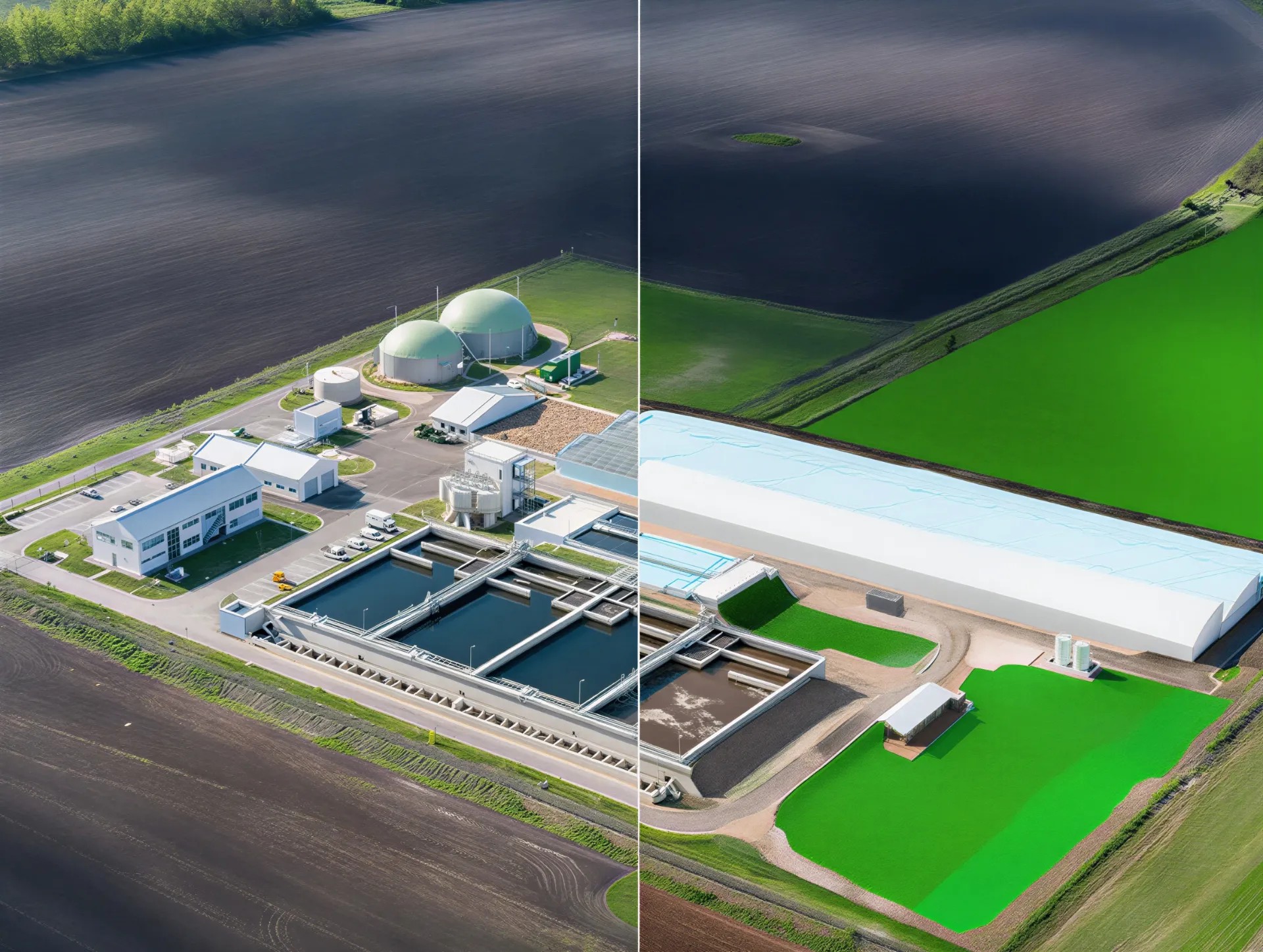
For decades, wastewater treatment followed a reactive logic: when something failed, the operator fixed it. But this approach is becoming less and less adequate, as infrastructure ages, extreme weather events intensify and energy efficiency expectations keep rising. Digital twin technology offers a radically different paradigm: instead of reacting after the event, it continuously monitors, forecasts and optimises – in real time.
What is a digital twin, and why has it become important now?
A digital twin is a real-time, synchronised virtual copy of a physical system. It is not just a computer model, nor mere data visualisation. Its essence is a continuous two-way connection: the physical system's sensors constantly update the virtual model, and the model gives the operator feedback, forecasts and suggestions for intervention.
The technology first appeared in the space industry in the 1960s and is now gaining ground in the water and wastewater sector too, enabling real-time monitoring, simulation and predictive control of water infrastructure.



A national Swiss campaign has run every PFAS method in the Commission's guidelines side by side, and none of them can name most of the organic fluorine in wastewater.
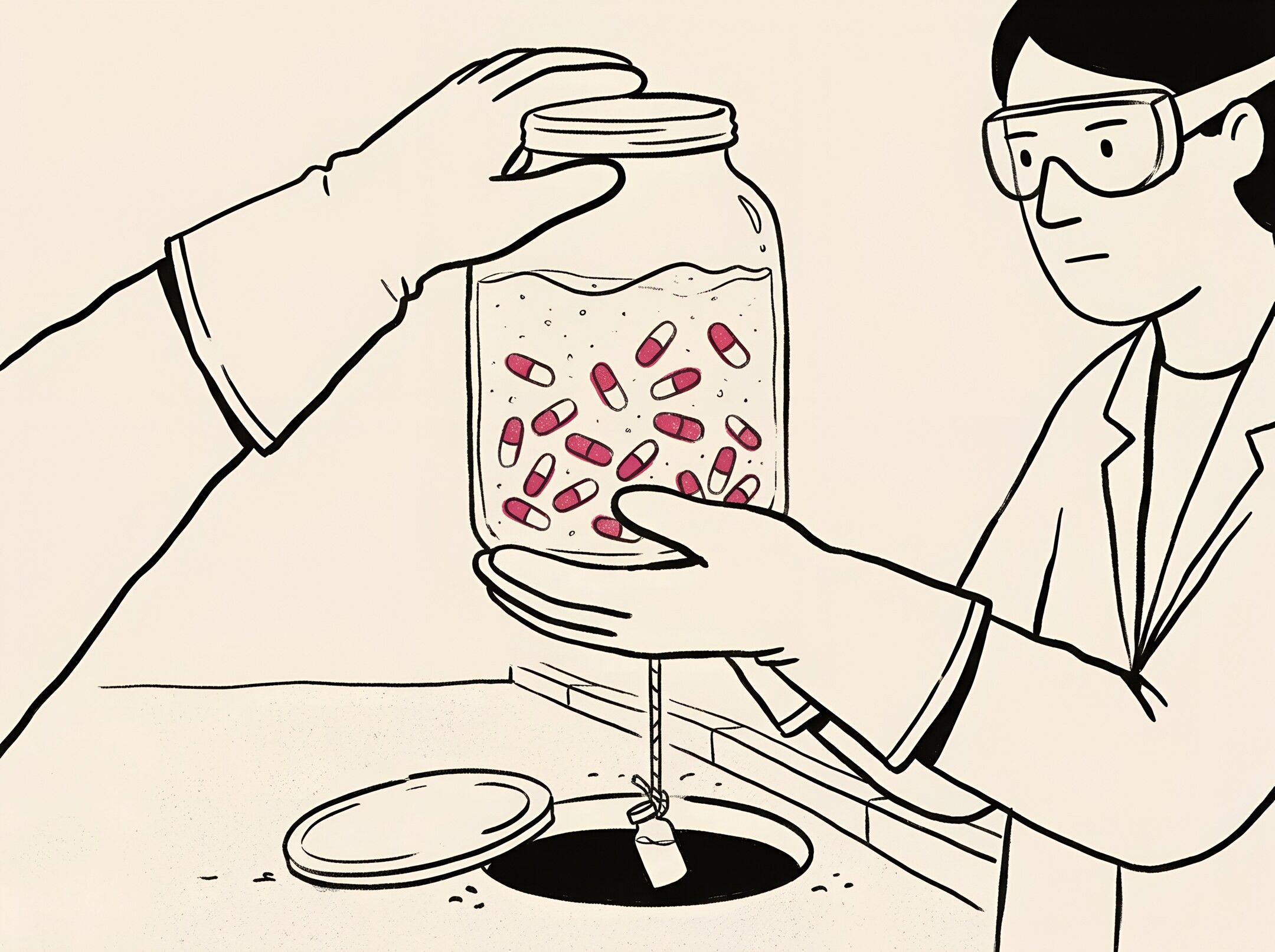
Europe is about to make wastewater monitoring for antimicrobial resistance routine, while researchers warn that the numbers it produces can't yet say how many people are affected or what risk they face.

A meta-analysis of 455 datasets finds that fertilisers made from separated urine and faeces perform as well as mineral fertiliser, so the open questions are now quality assurance and regulation.

Prague's draft law transposing the recast EU wastewater directive puts the investment bill at up to CZK 176 billion and gives a detailed view of what the rules mean for a central European member state.