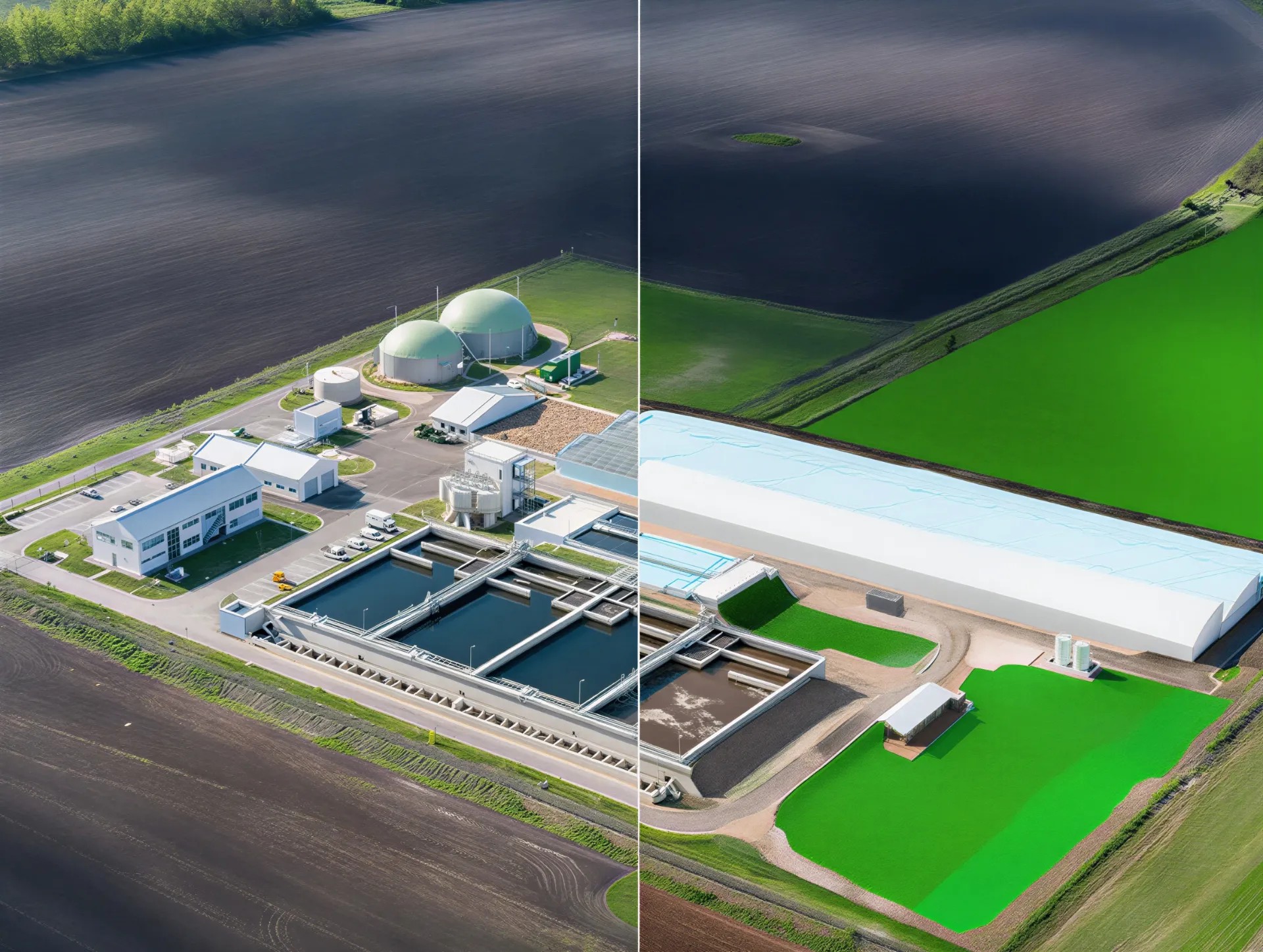
Smart Identification of Network Loss Sources
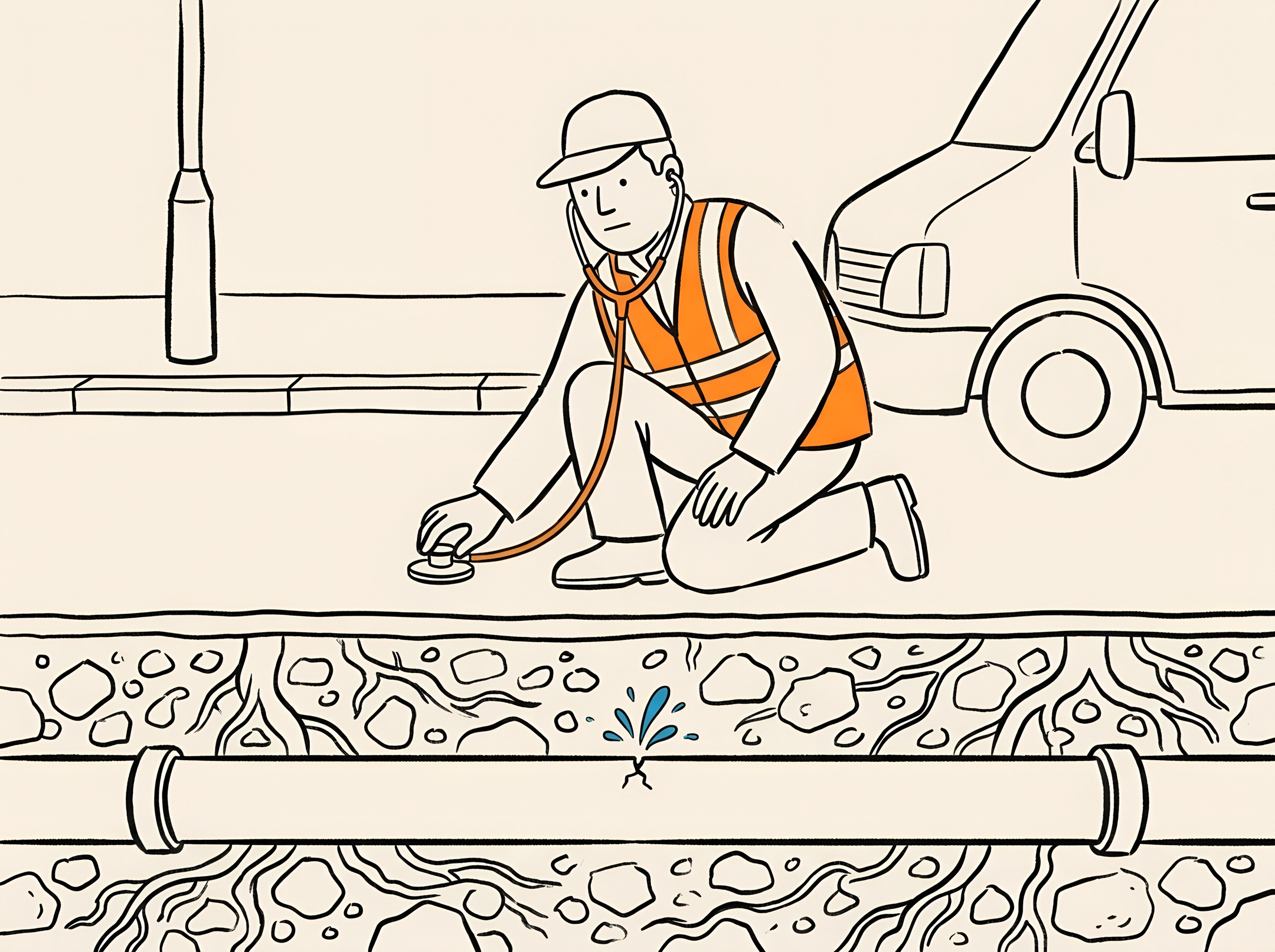
One in every four litres of drinking water that European utilities pump into their networks never reaches the customer, because ageing infrastructure simply leaks it away. This is not just an engineering problem: it means wasted energy, financial losses and growing water security risks all at once – at a time when the European Union faces a lasting decline in water resources. The answer is increasingly digital: artificial intelligence, IoT systems and machine learning together make it possible to detect a failure weeks earlier, rather than only when escaping water is visibly damaging, say, the road above it.
Europe's non-revenue water balance
In water management, non-revenue water (NRW) is the volume a utility feeds into the network but is never paid for – whether through physical leakage or commercial losses.
Globally, NRW is stuck at around 30% on average, and the European average is not much better: according to EurEau, non-revenue water averages 25% across EU member states.
The spread across Europe, however, is extremely wide. Around 5% in the Netherlands and around 6% in Germany mark one extreme, while the figure is around 41% in Italy, around 42% in Romania and around 60% in Bulgaria. These numbers are not mere statistical curiosities: behind them lie ageing pipe networks, underfunded maintenance and outdated operating models.

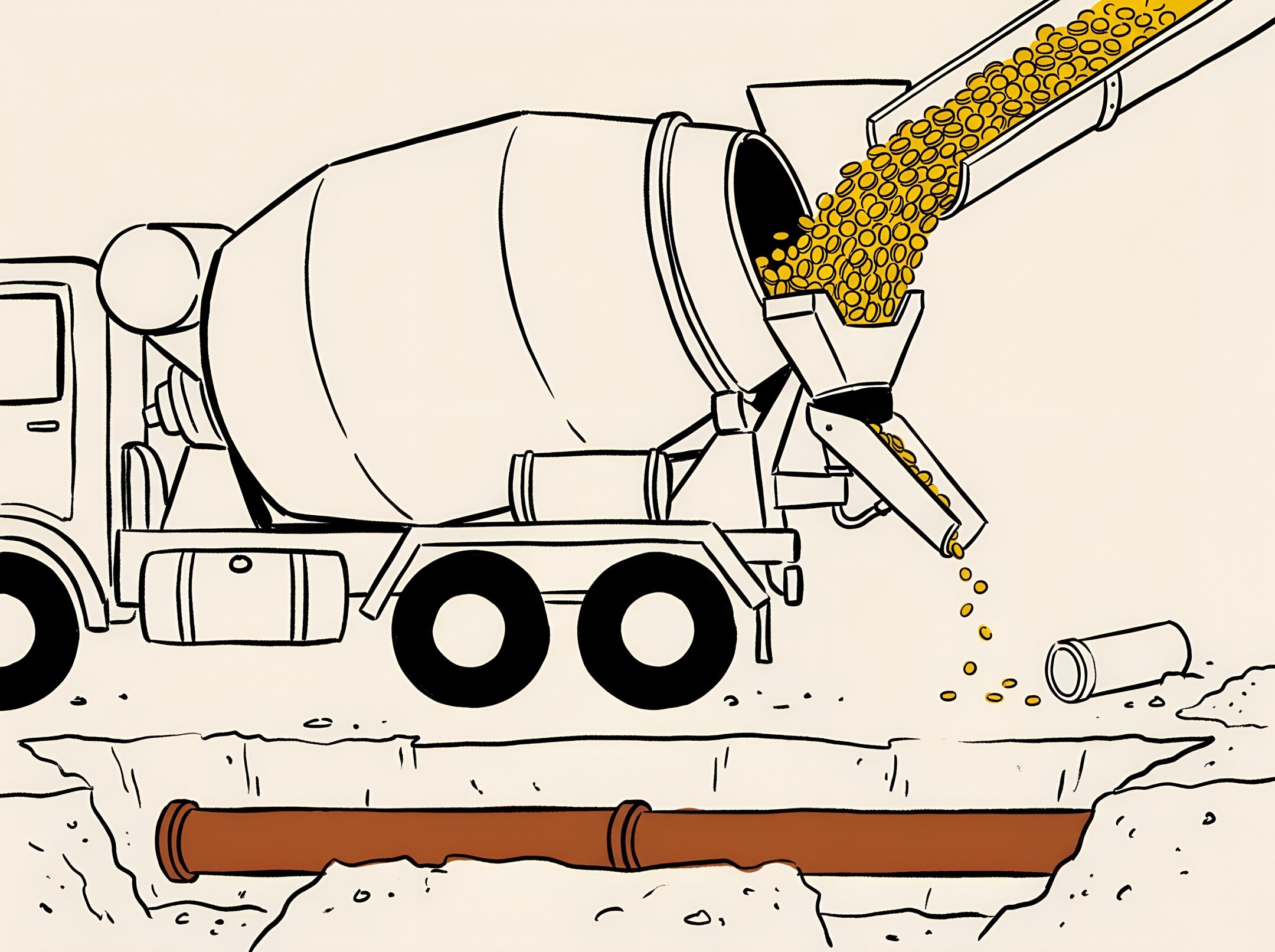

Europe's water utilities are investing 16% more than a year ago, but EurEau's latest figures show that construction inflation absorbed most of the increase and that pipe renewal has not sped up.
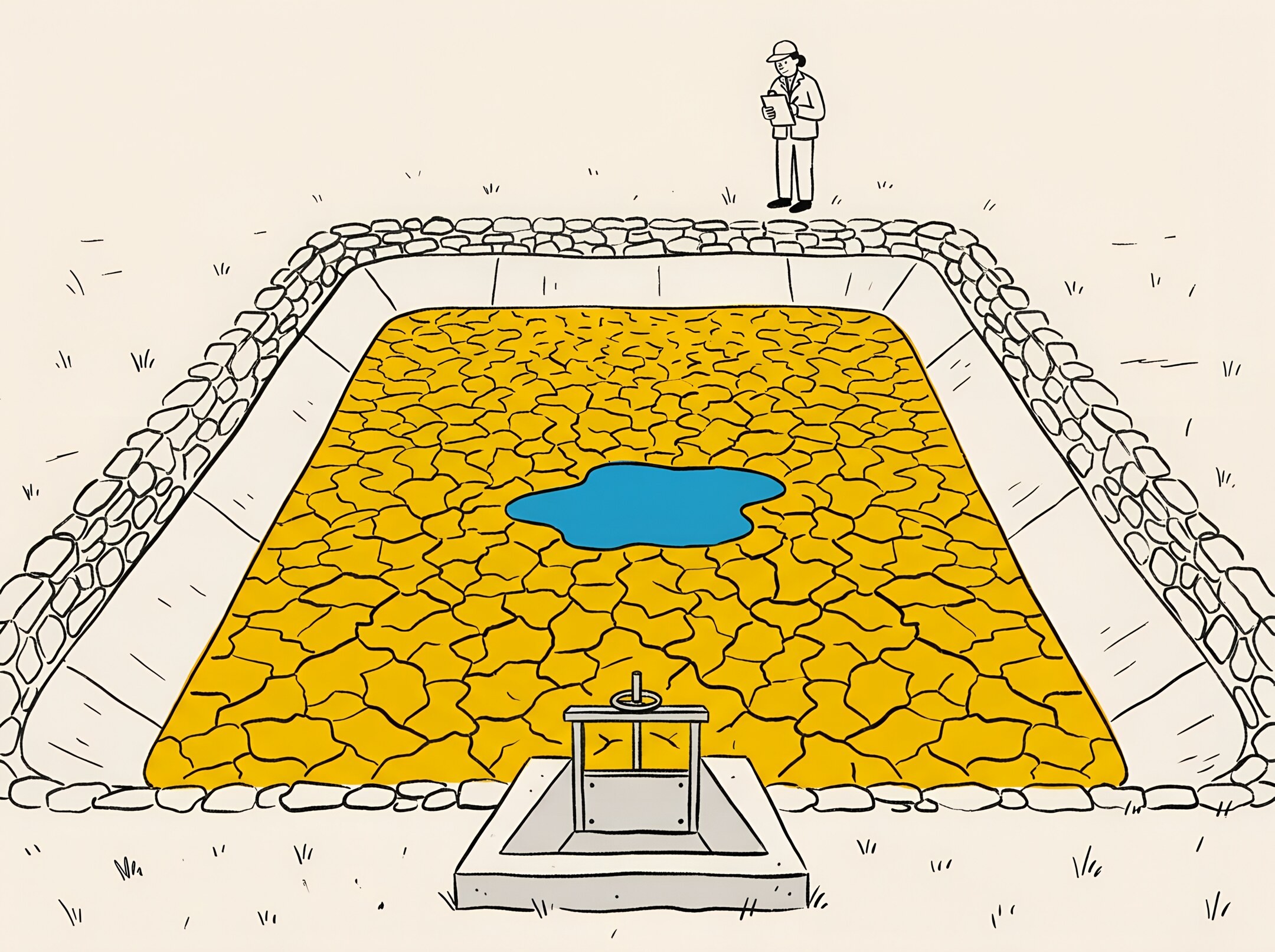

The Czech agriculture ministry can list pipelines, ponds and hectares after nine years of drought spending, but in the worst groundwater summer in decades it cannot yet show what they changed.
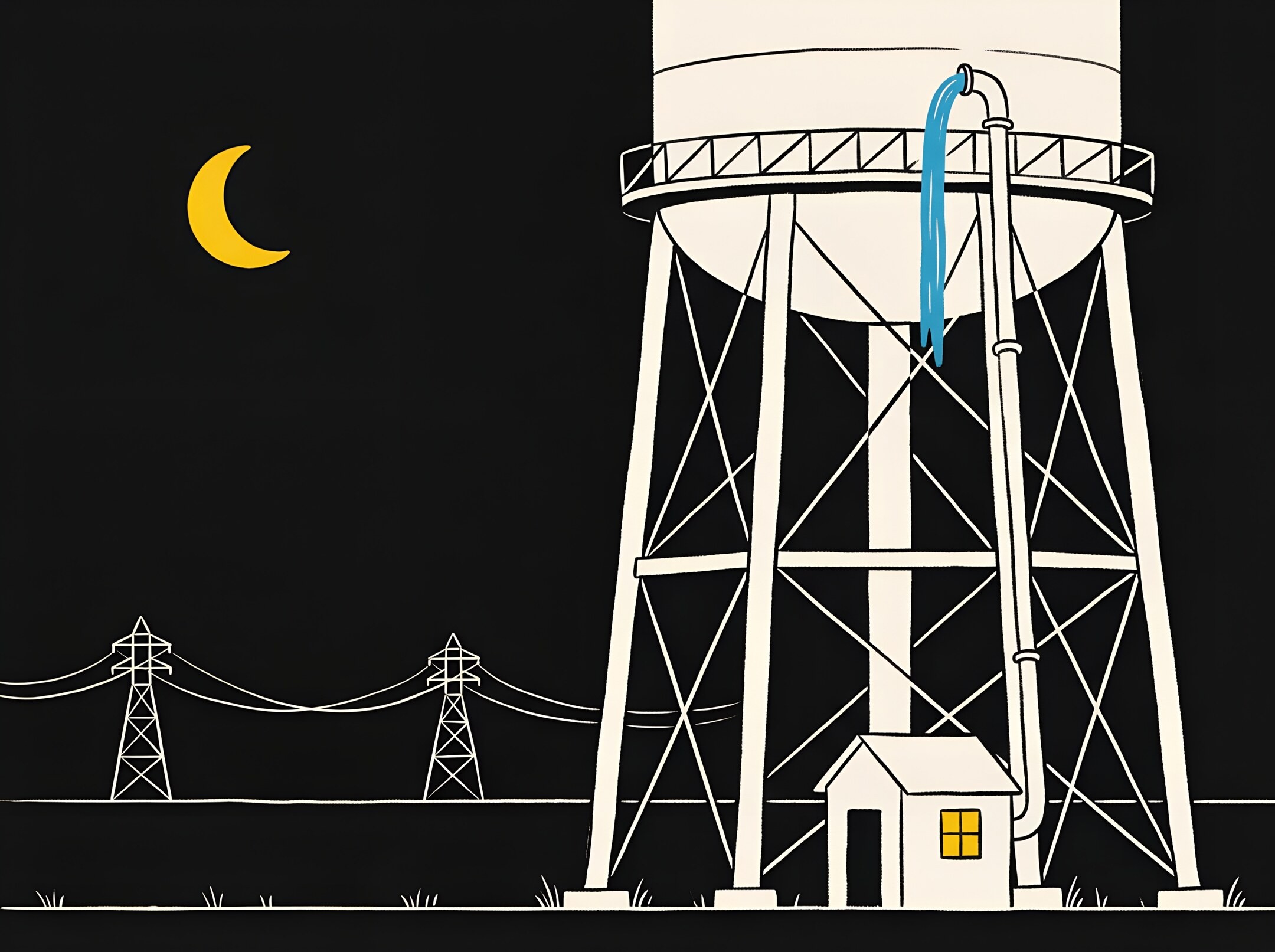
The Commission wants network tariffs to reward whoever can shift load away from the peak, and that makes pumping stations and aeration basins, which rarely feature in the debate, part of the argument.
The Commission's proposed Climate Resilience Law would give every member state the same warming path to plan against, put water security in every national plan and set deadlines that collide with the next river basin cycle.