Methane Losses at Biogas Plants Are Underestimated

Biogas is valued among renewables because it turns the methane released by decomposing organic matter into energy. That same methane is also its weak point: if it escapes from the plant, it is around 30 times more potent than carbon dioxide over 100 years, and losses can wipe out the climate benefit of biogas. A study published in August 2026 (Wietzel & Schmidt, 2026) examined the German biogas sector and concluded that losses are far larger than official inventories show.
The measurements: 65 plants, whole sites
Germany has around 9,600 biogas plants, more than any other European country. In 2024 its biogas and biomethane plants generated 31.3 TWh of electricity and 19.7 TWh of heat. The authors measured whole-site methane emissions at 65 plants, driving around each site with mobile instruments and using Gaussian plume dispersion modelling to back-calculate emissions. Most of the sample were agricultural plants, a few processed biowaste, and 12 also upgraded biogas to biomethane. Installed electrical capacity ranged from 75 kW to 4,000 kW, and around half the plants ran flexibly, adjusting output to market prices.
The advantage of the method is that it measures the whole site rather than individual components: digester, gas storage, combined heat and power unit, digestate storage and upgrading unit together.

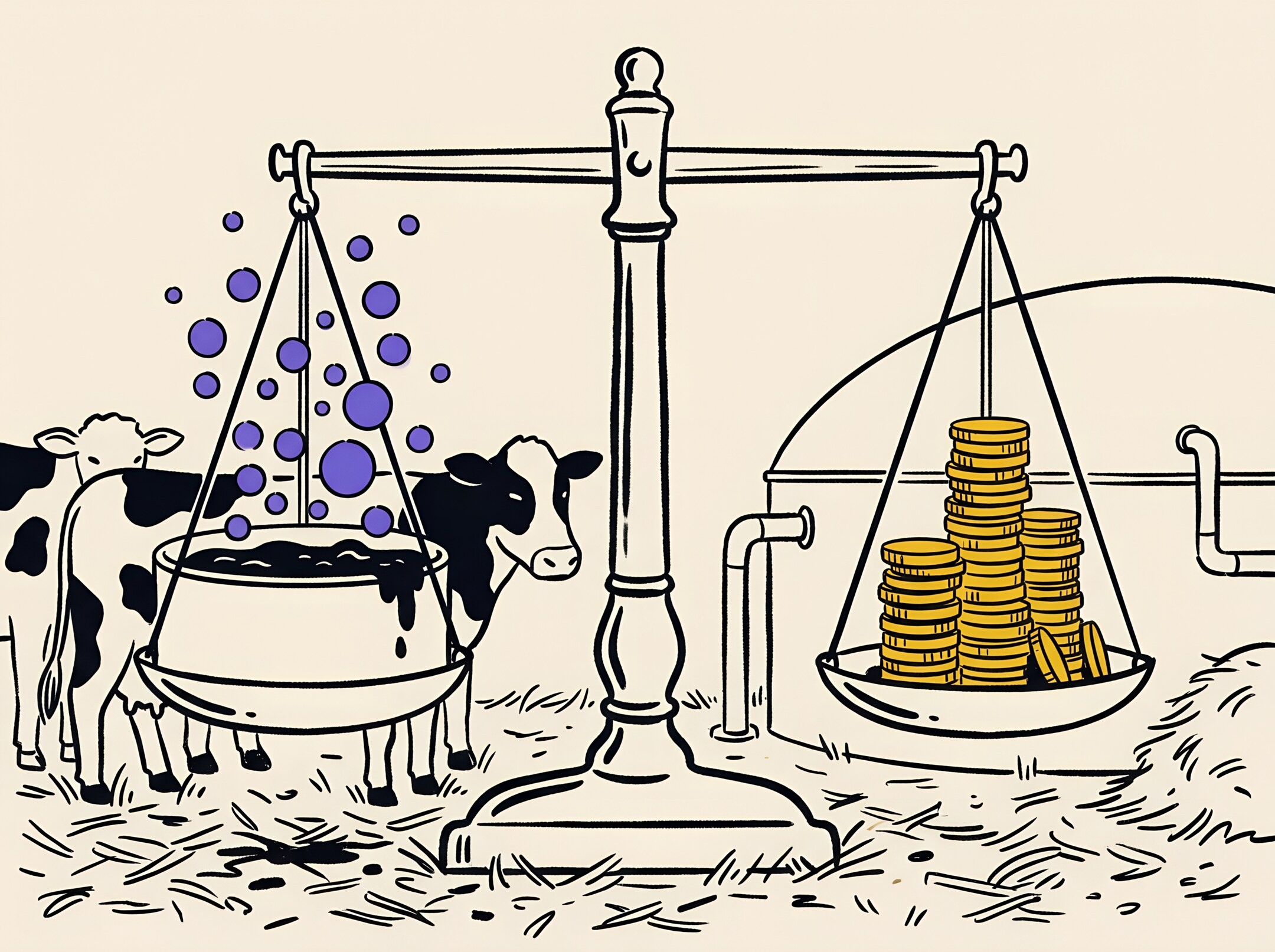

A model update in the United States quadrupled the tax credit for dairy-farm biomethane overnight, because the US credit pays for carbon intensity, while the European Union mostly measures the same performance as a pass or a fail.
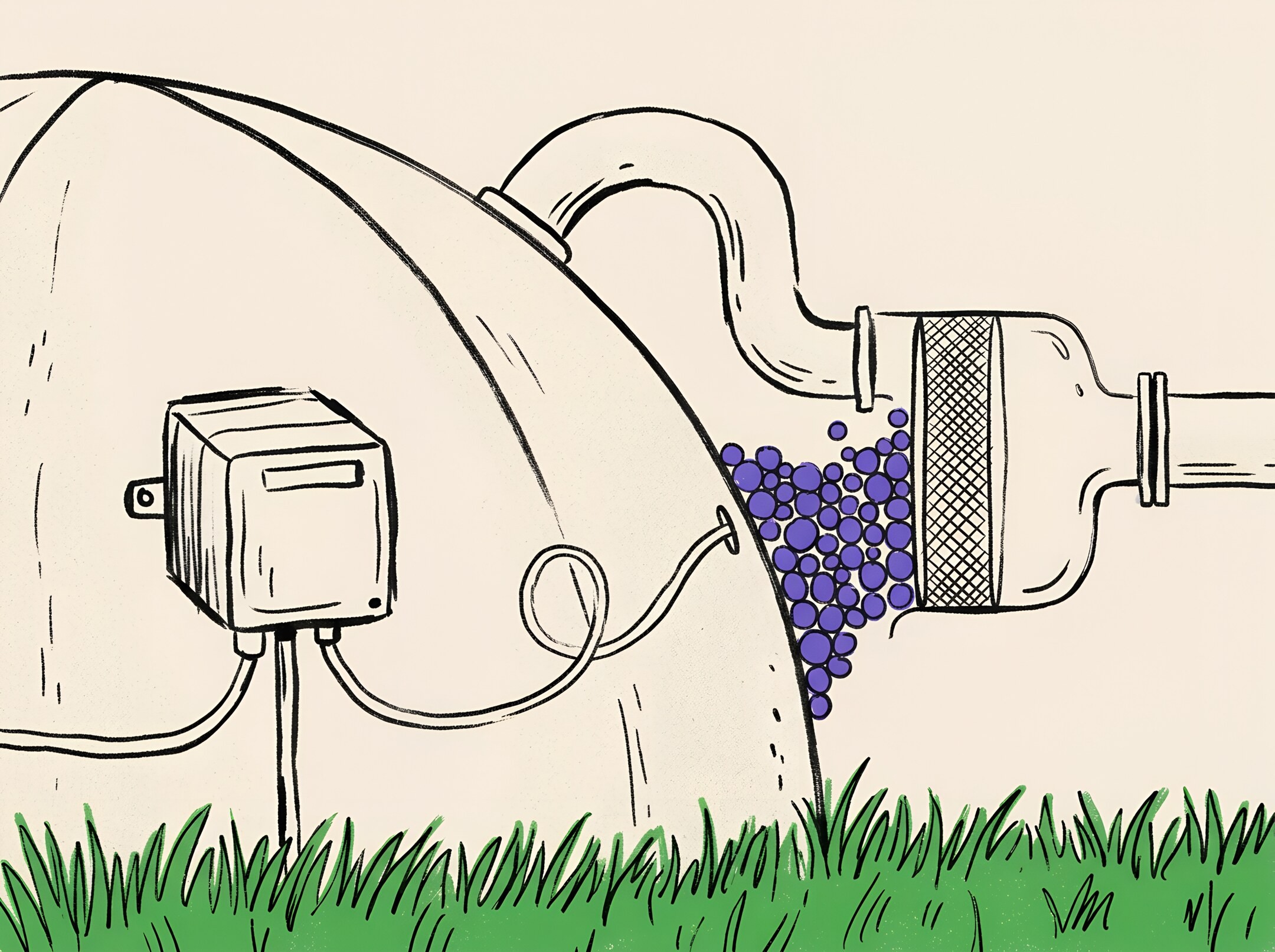

A clause buried in a gas tariff order makes oxygen a design parameter for Spanish biomethane plants, and shows how differently Europe handles a problem it hasn't yet agreed on.

Calculations by the DVGW research centre in Karlsruhe show that if small biogas plants reach the gas grid through a shared upgrading unit and injection point, investment falls by up to 55% and the biomethane injected rises by 16% compared with connecting plants one by one.
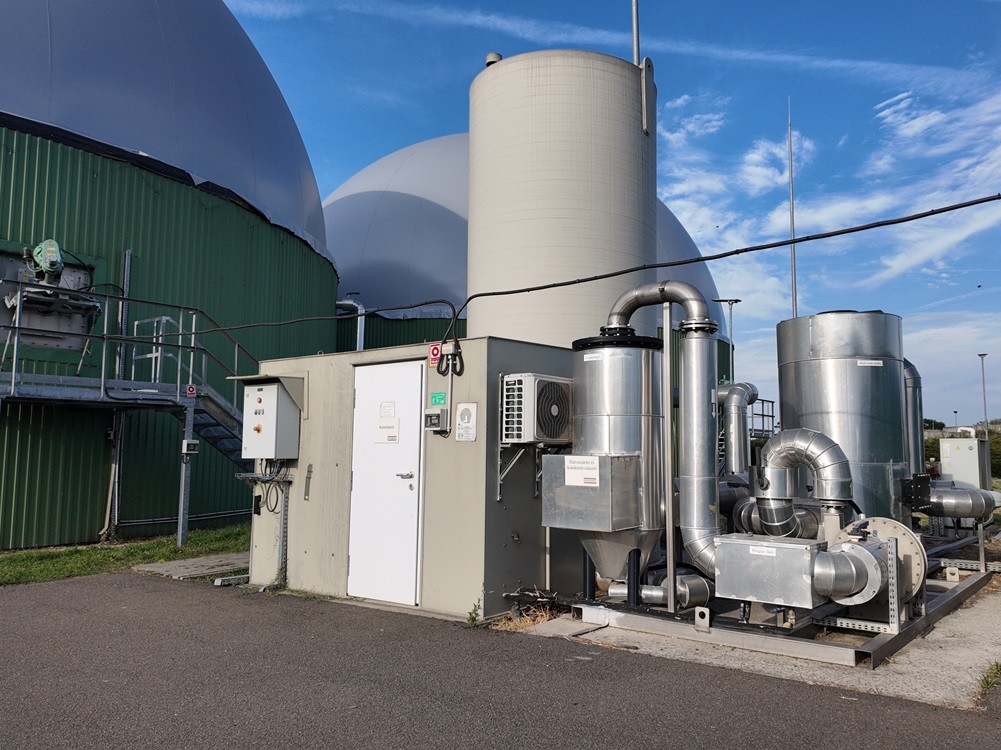
Dosing iron into the digester is one of a biogas plant's main defences against hydrogen sulphide, but iron chloride, iron hydroxide and iron oxide behave very differently – and reactivity matters more than the price per kilo.