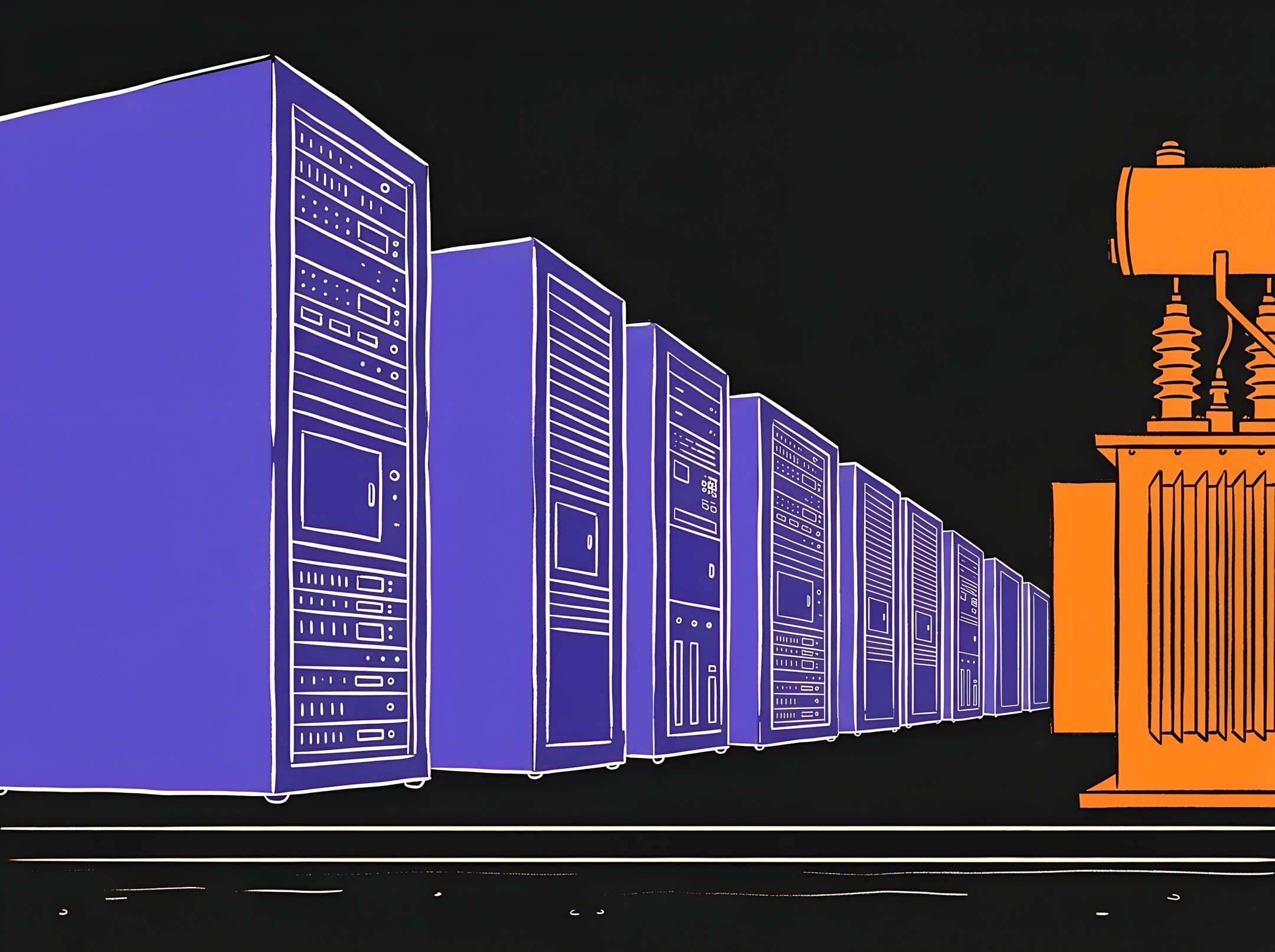
Drinking Water From Sunlight for a Billion People?
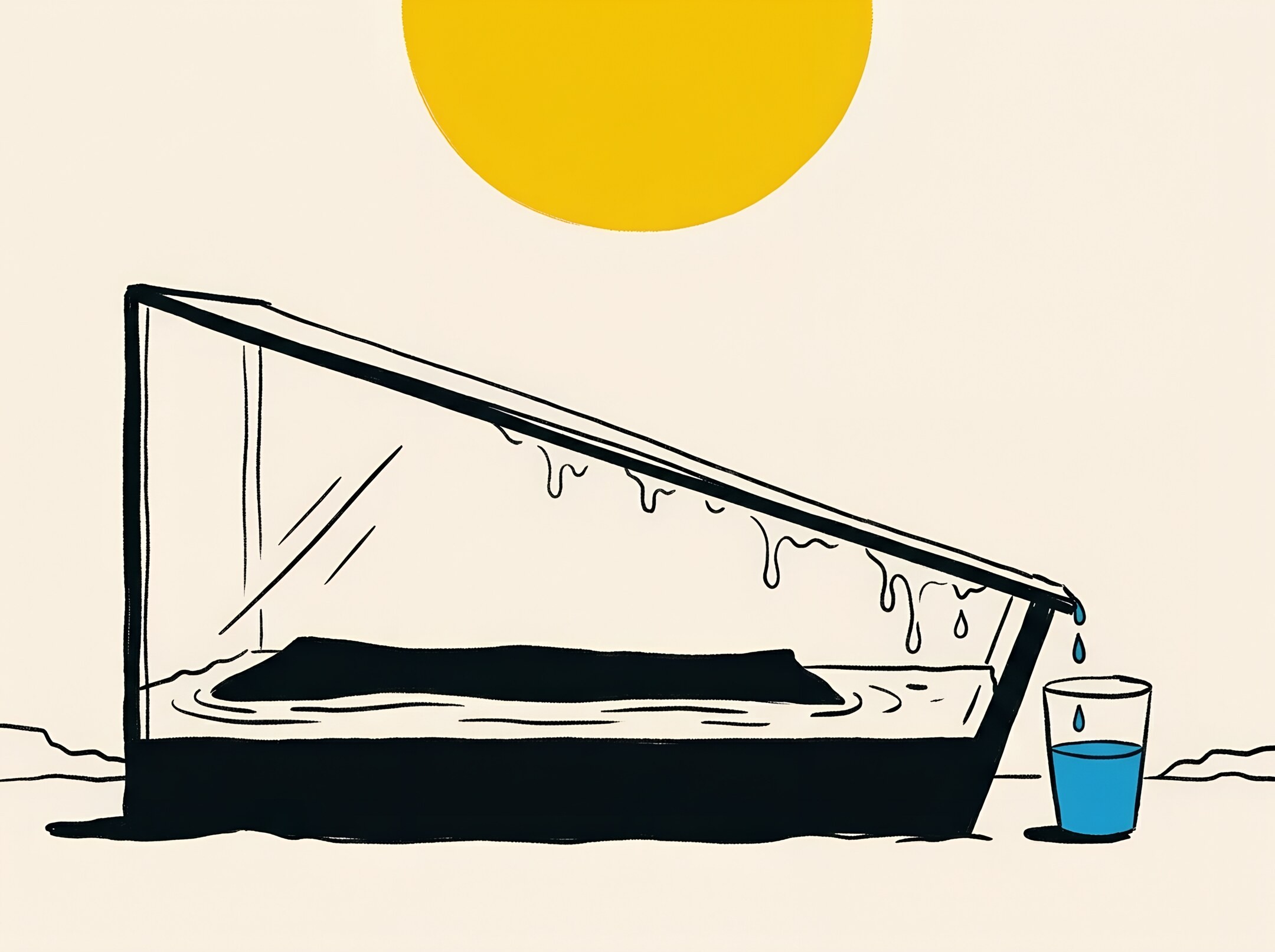
Making drinking water from sunlight is an old idea; solar-driven interfacial evaporation (SDIE) is its modern form. A thin, light-absorbing layer at the water surface captures sunlight, so the heat stays where the water evaporates, and clean water can be collected from the condensing vapour. In the lab the method has long looked promising – the open question was how much it delivers under real weather, and where. Researchers in China have now answered with a global model (Song et al., 2026).
A climate model built on lab tests
Researchers at Nanjing University and Sichuan University first built an experimentally validated model of how evaporation depends on temperature, humidity, wind and solar radiation. They combined it with 30 years of hourly weather data at 9 km resolution, along with hydrological and socioeconomic datasets. The result is an open-source geospatial toolset, SDIE-Geo, which maps expected performance hour by hour and compares it with local water resources and demand.
The model was also checked against outdoor measurements in Nanjing. The study looks at how performance changes with warming too: output rises by about 7% per degree, so depending on the emissions pathway it could deliver 5–28% more water by 2100 than in 2000.

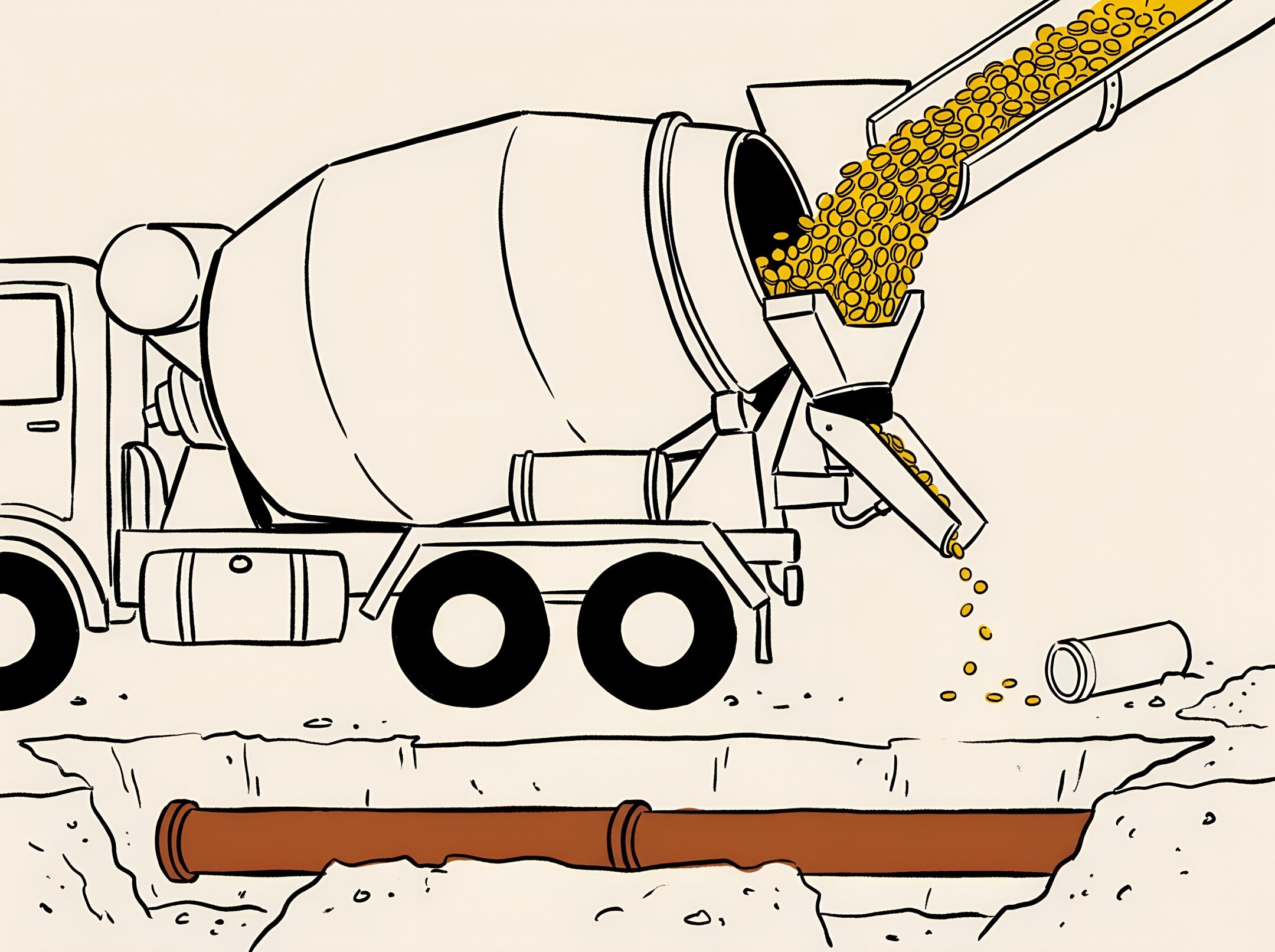

Europe's water utilities are investing 16% more than a year ago, but EurEau's latest figures show that construction inflation absorbed most of the increase and that pipe renewal has not sped up.
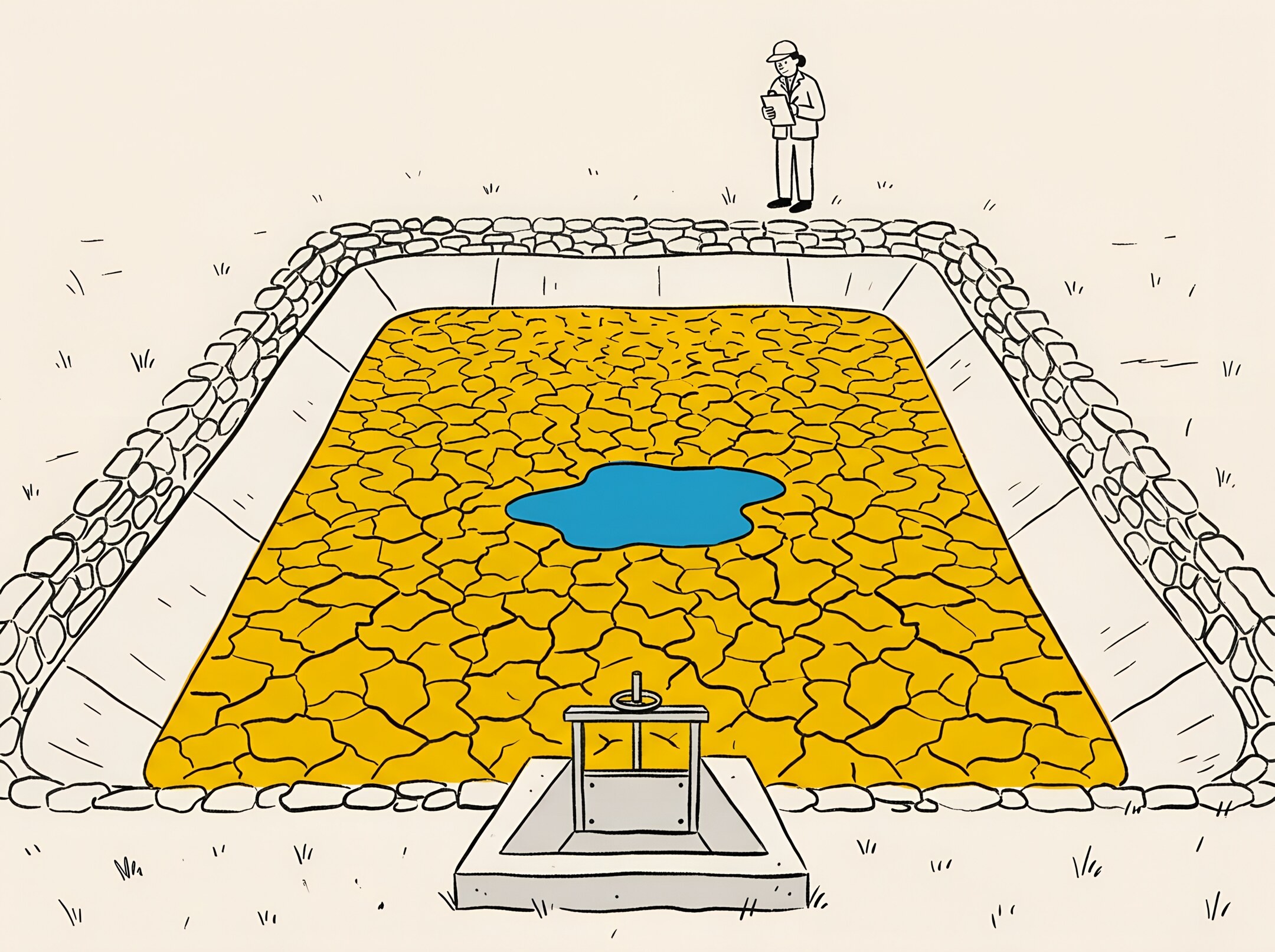

The Czech agriculture ministry can list pipelines, ponds and hectares after nine years of drought spending, but in the worst groundwater summer in decades it cannot yet show what they changed.
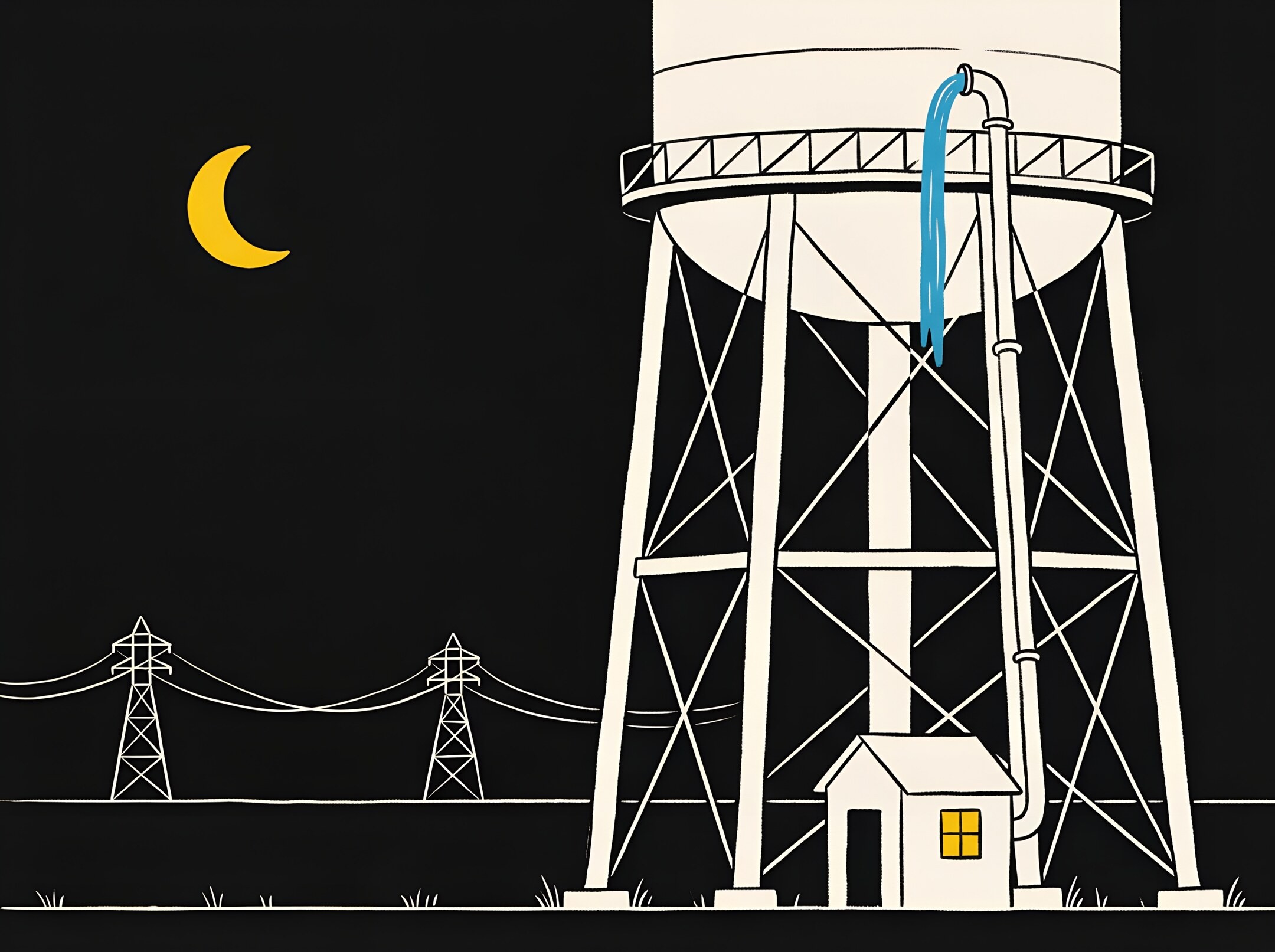
The Commission wants network tariffs to reward whoever can shift load away from the peak, and that makes pumping stations and aeration basins, which rarely feature in the debate, part of the argument.
The Commission's proposed Climate Resilience Law would give every member state the same warming path to plan against, put water security in every national plan and set deadlines that collide with the next river basin cycle.