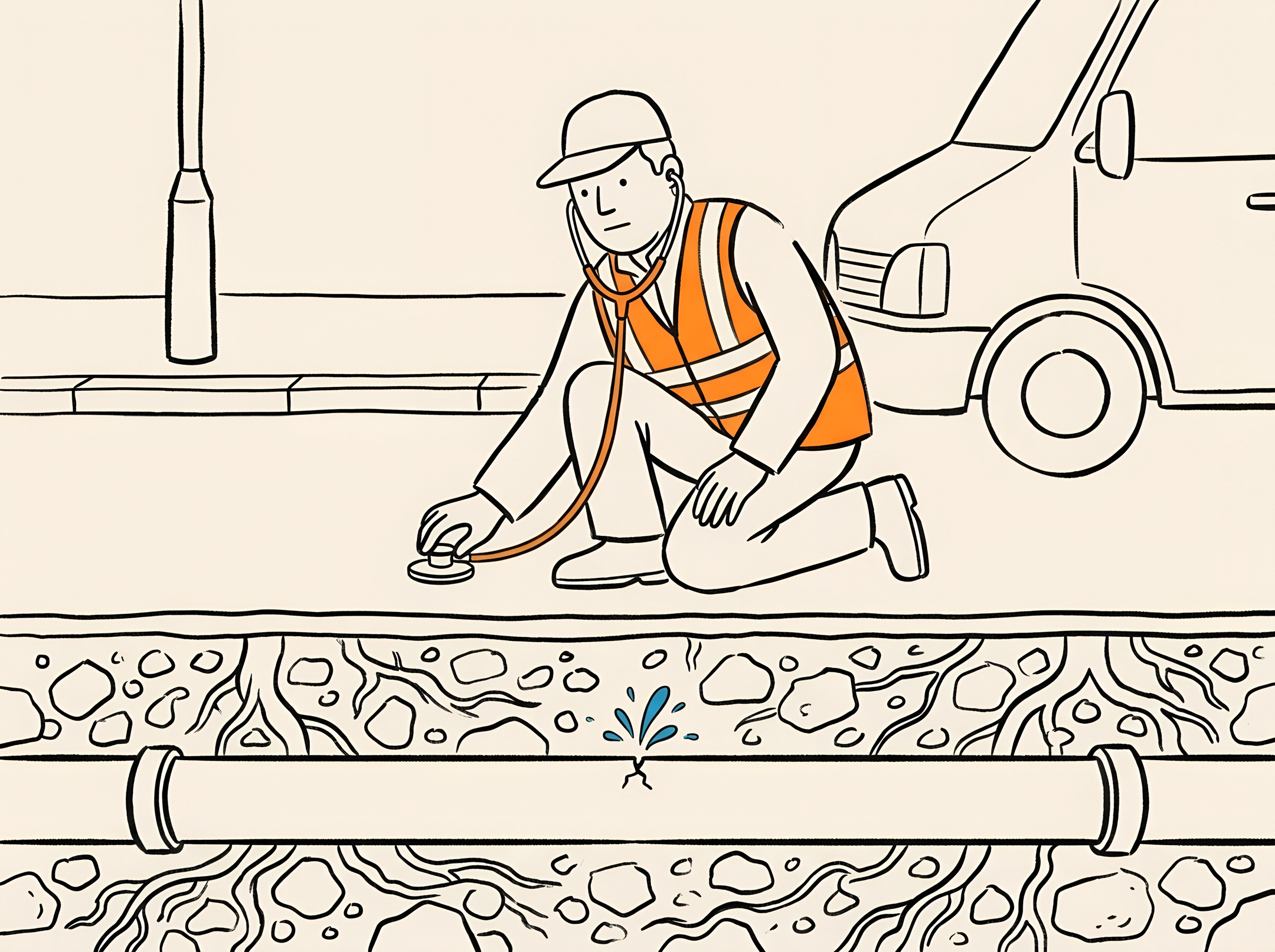
The Sewage Sludge That Could Also Turn a Profit
Wastewater treatment produces huge amounts of sewage sludge, and the volume grows as treatment expands. Most people still think of this by-product of wastewater treatment as unpleasant, even dangerous, yet experts stopped seeing it as waste long ago. In some places phosphorus is extracted from it for use as fertiliser, or it is mixed into building materials; elsewhere green hydrogen is produced from it – enough even to fill a car's tank. But which solution really pays off, and which is merely an interesting experiment? Below we take stock of the options – their advantages, drawbacks, economic value and justification.
Not waste, but a raw material
In wastewater treatment, microorganisms do the dirty work: they consume most of the organic and inorganic pollutants as food, and when they die they can be separated from the treated water as surplus biomass – sludge. Sludge made of dead microorganisms is full of usable organic matter, nitrogen, phosphorus and even valuable trace elements. But it usually also contains heavy metals, pathogens, pharmaceutical residues and – as discussed in detail in earlier W4 articles – microplastics. This dual nature defines the whole debate about its use: sludge is both a treasure and a headache.
In EU member states, sludge treatment accounts for 20–50% of the operating costs of wastewater treatment plants. What used to be seen as a burden is increasingly viewed as an investment opportunity in more and more countries. Below we look at seven approaches – from the traditional to the boldest innovations.

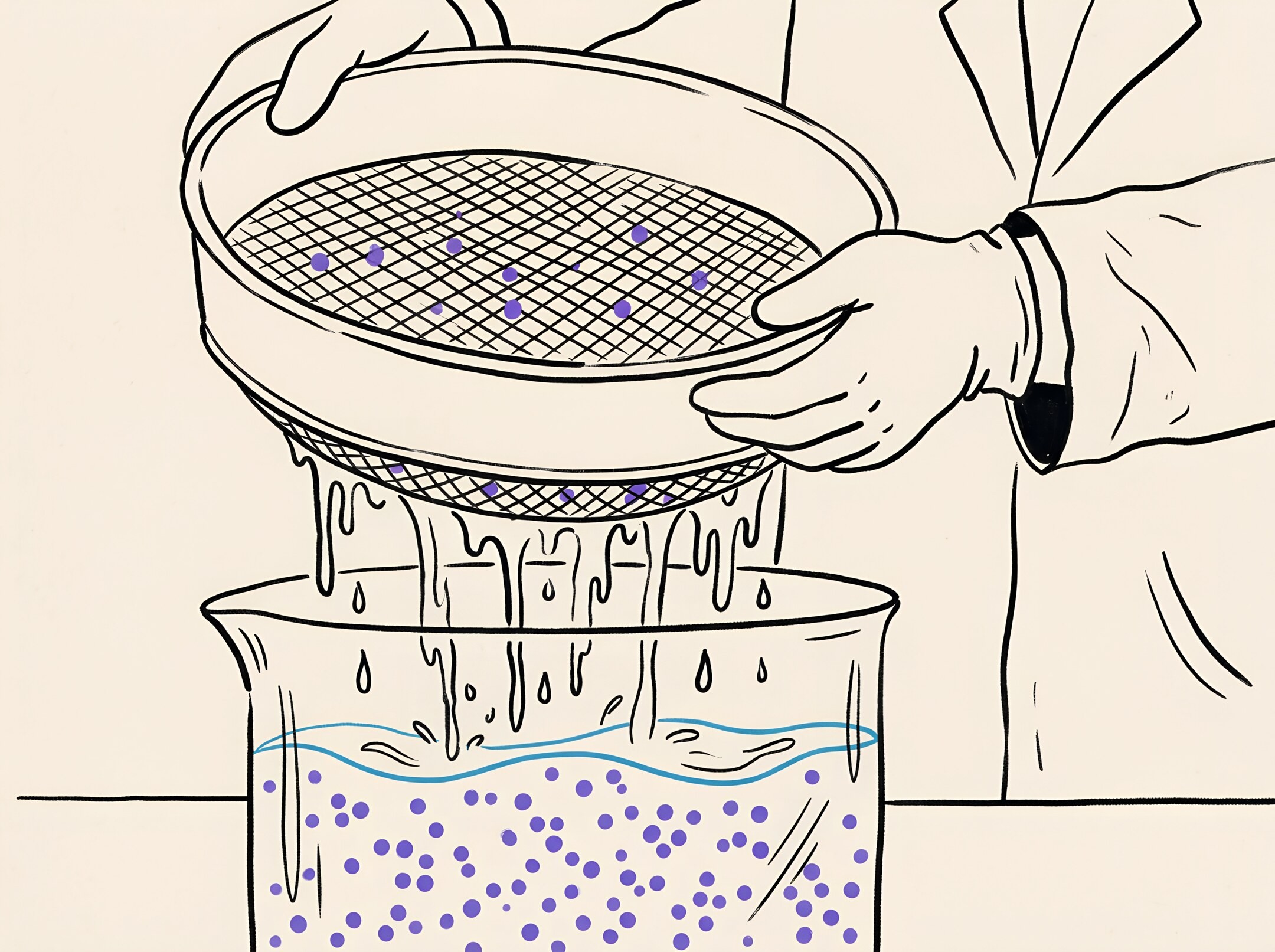

A national Swiss campaign has run every PFAS method in the Commission's guidelines side by side, and none of them can name most of the organic fluorine in wastewater.
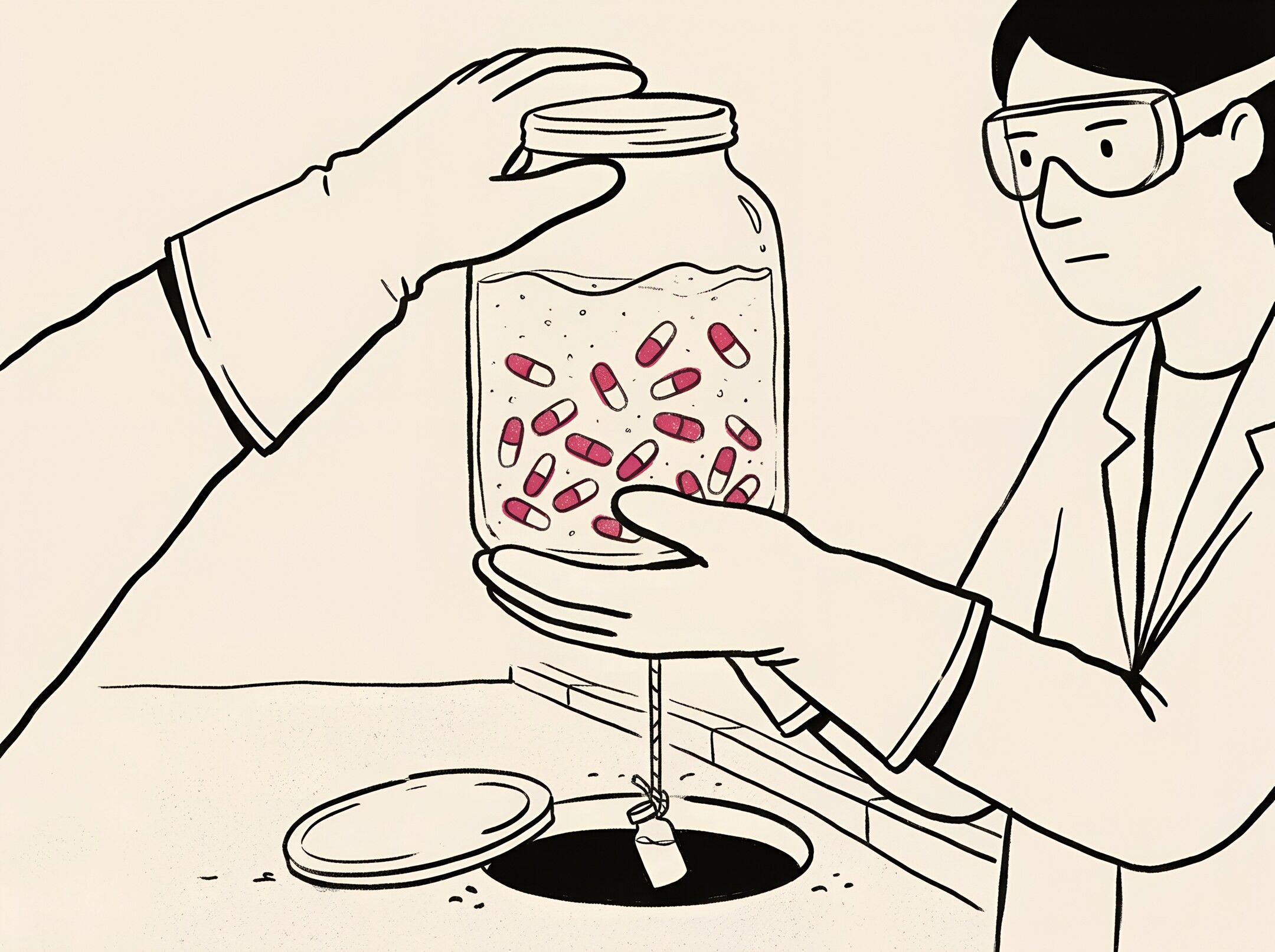
Europe is about to make wastewater monitoring for antimicrobial resistance routine, while researchers warn that the numbers it produces can't yet say how many people are affected or what risk they face.
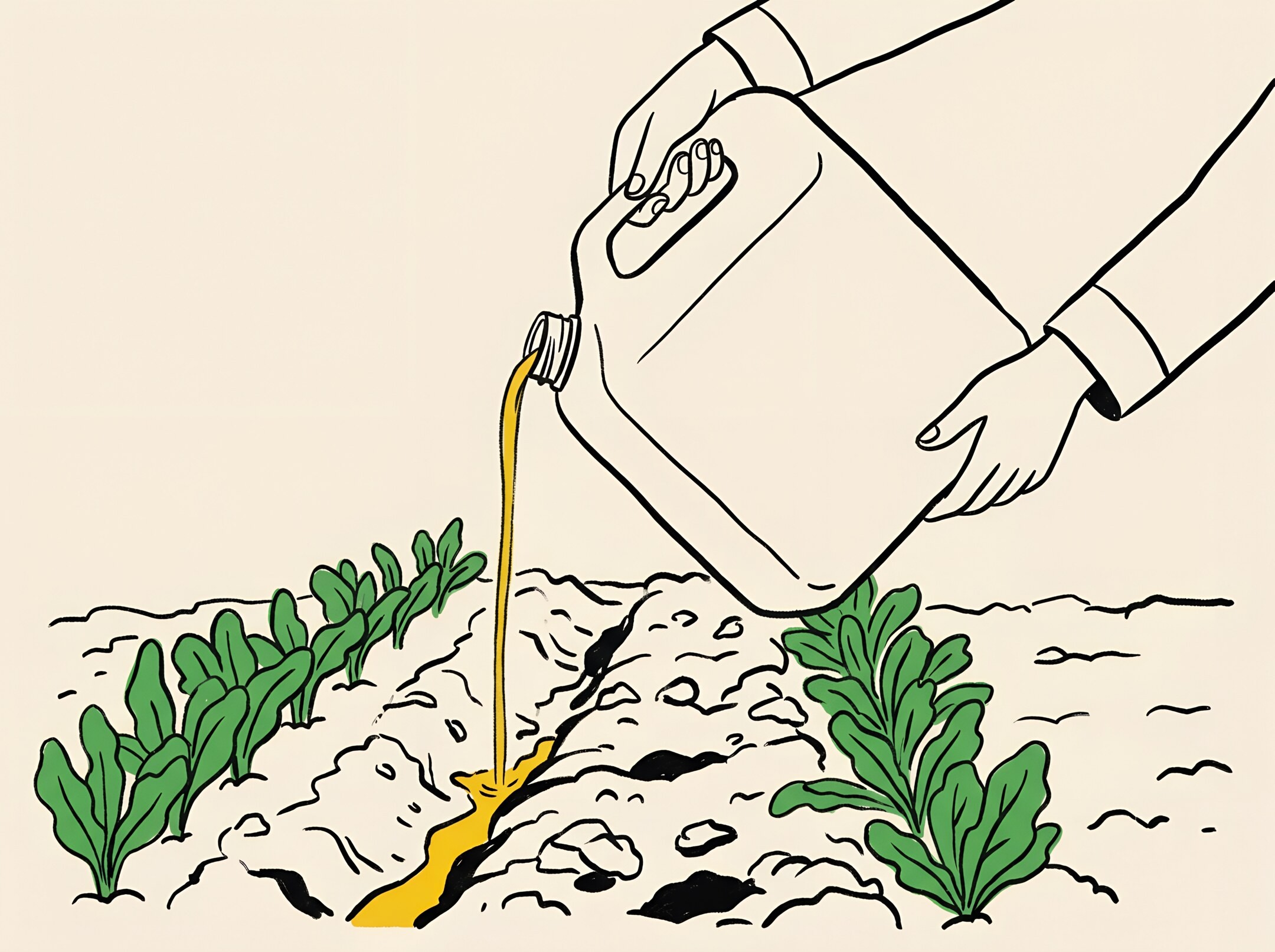
A meta-analysis of 455 datasets finds that fertilisers made from separated urine and faeces perform as well as mineral fertiliser, so the open questions are now quality assurance and regulation.

Prague's draft law transposing the recast EU wastewater directive puts the investment bill at up to CZK 176 billion and gives a detailed view of what the rules mean for a central European member state.