Energy Neutrality and Quaternary Treatment – at the Same Time?
The European Union's revised Urban Wastewater Treatment Directive (UWWTD), which entered into force at the turn of 2024–2025, introduces two parallel obligations for wastewater treatment plants by 2045. Plants above 150,000 population equivalent (PE) must introduce quaternary treatment to remove pharmaceutical residues, microplastics and other micropollutants. In addition, all plants above 10,000 PE must undergo regular energy audits and gradually achieve energy neutrality – covering their own energy needs from renewable sources.
In practice, the two goals create serious tension. At a webinar organised by the European Water Association (EWA), two practising plant managers shared their experiences: Ioannis Mandilaras from the Psyttalia plant in Athens and Csaba Bauer from the Romanian utility Aquaserv.
The Greek case: one of Europe's largest treatment plants faces a dilemma
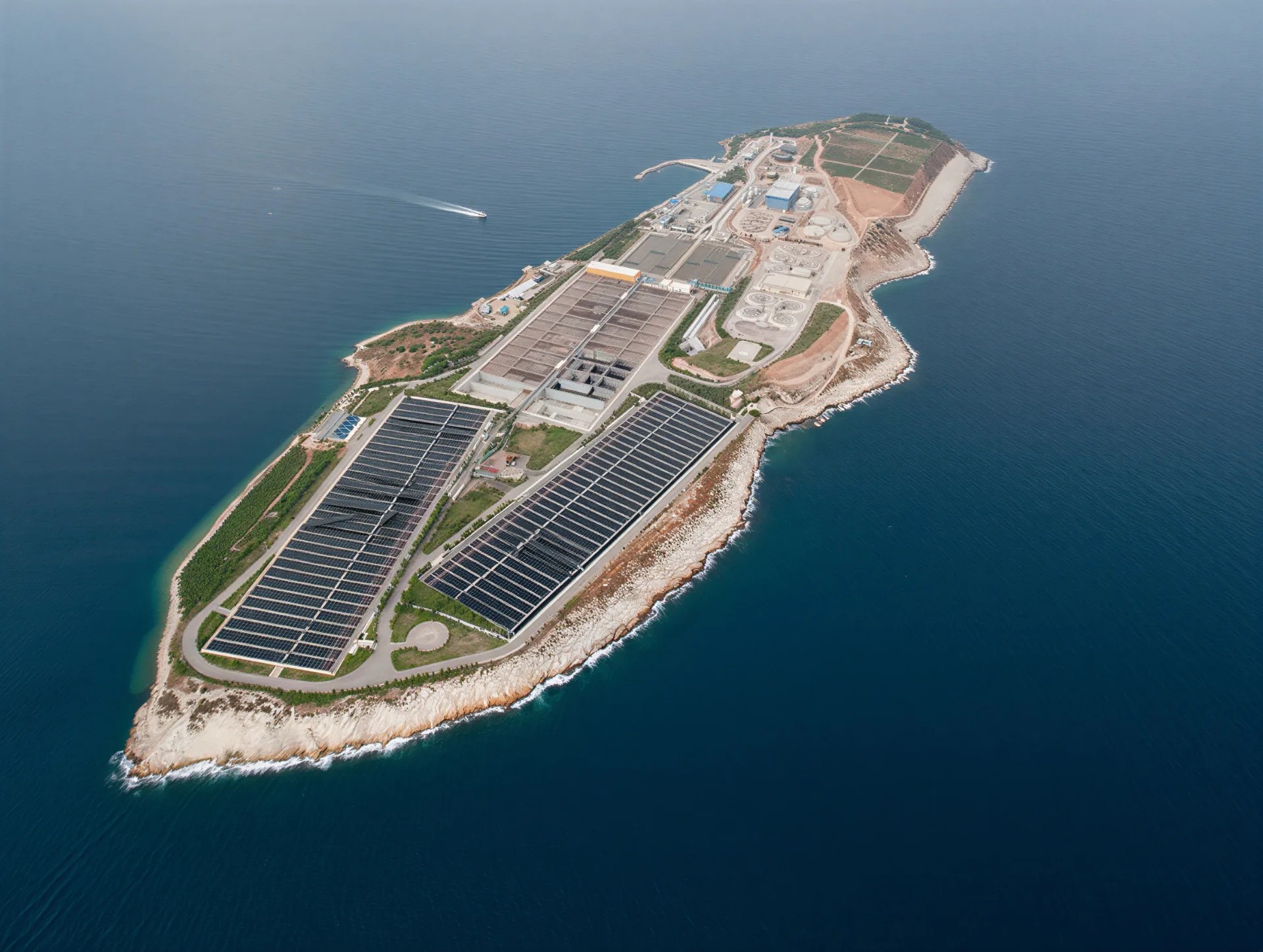
The plant on the island of Psyttalia is the main wastewater treatment plant for the Athens metropolitan area, receiving an average of 730,000 m³ of wastewater a day. According to Mandilaras, the new requirements of the directive fundamentally change how the plant has to operate.


A new KfW study says Germany must more than double its yearly climate investment, and it leaves the hardest financing problem on the balance sheets of municipal utilities.
The Commission wants network tariffs to reward whoever can shift load away from the peak, and that makes pumping stations and aeration basins, which rarely feature in the debate, part of the argument.
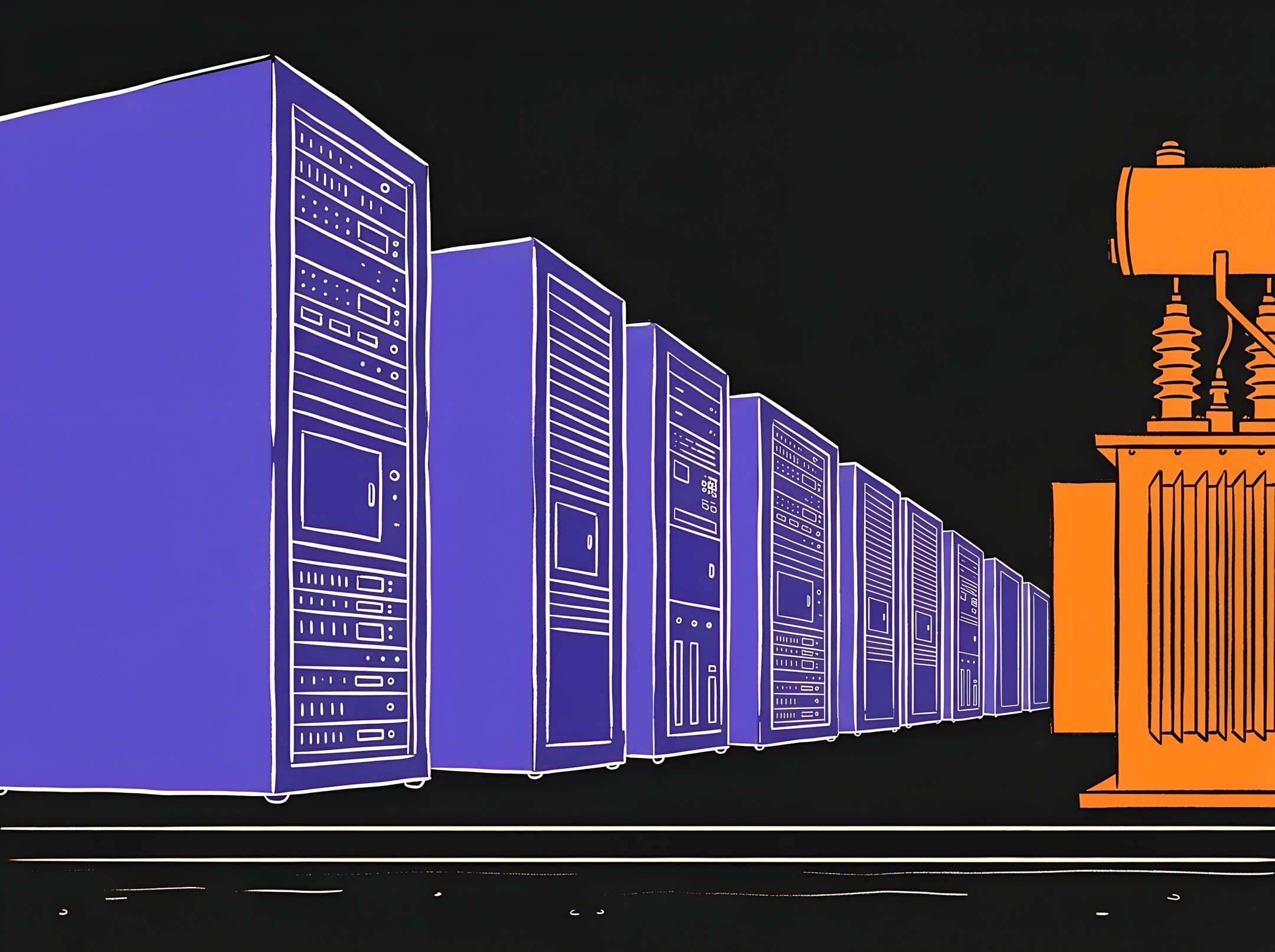
The International Energy Agency has reviewed 134 policies and regulations for fitting data centres into power systems, and its clearest lesson is that a flexible connection is faster than waiting for firm capacity.
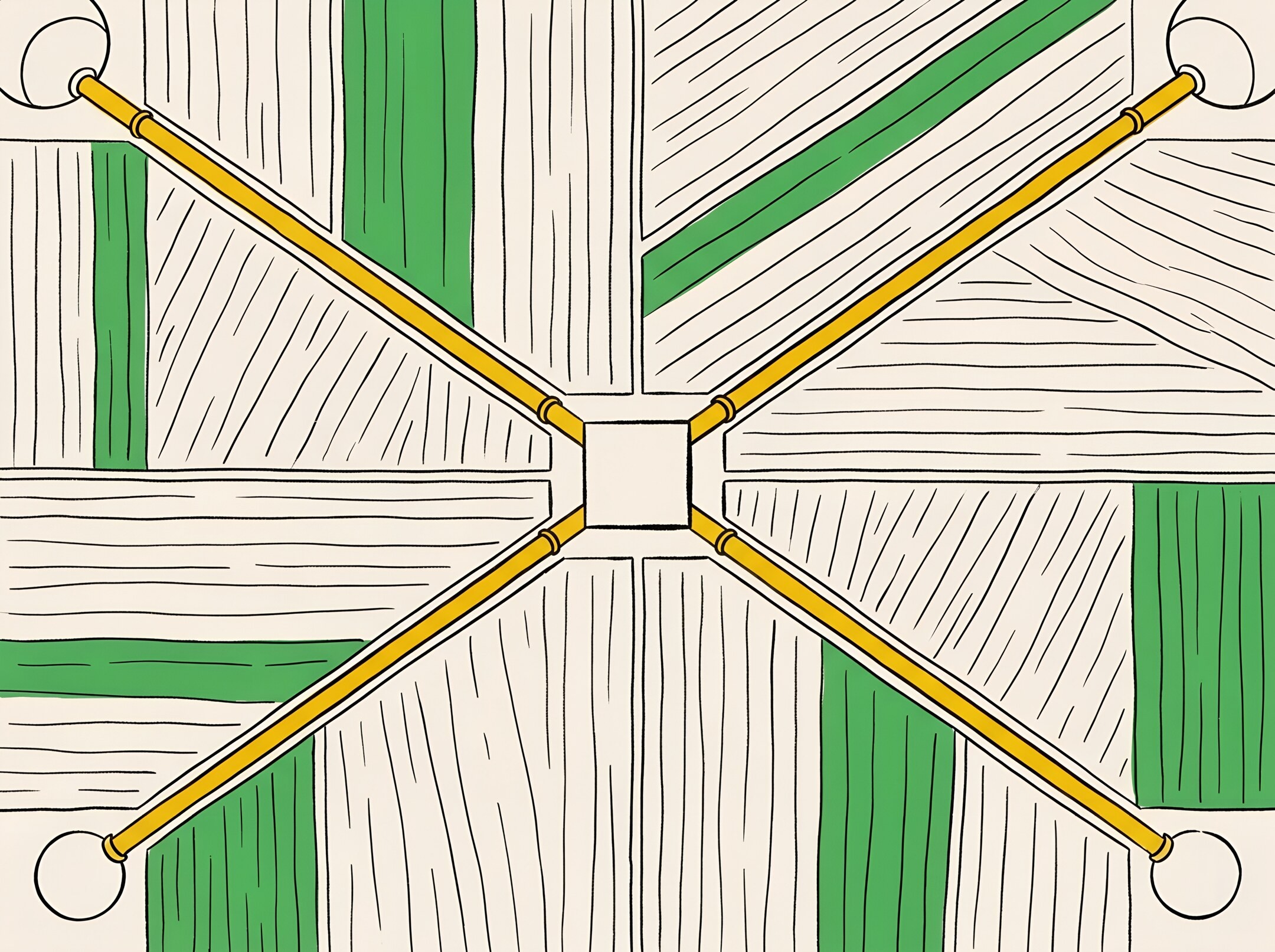
Calculations by the DVGW research centre in Karlsruhe show that if small biogas plants reach the gas grid through a shared upgrading unit and injection point, investment falls by up to 55% and the biomethane injected rises by 16% compared with connecting plants one by one.