How Kraków Is Closing In on Energy Neutrality
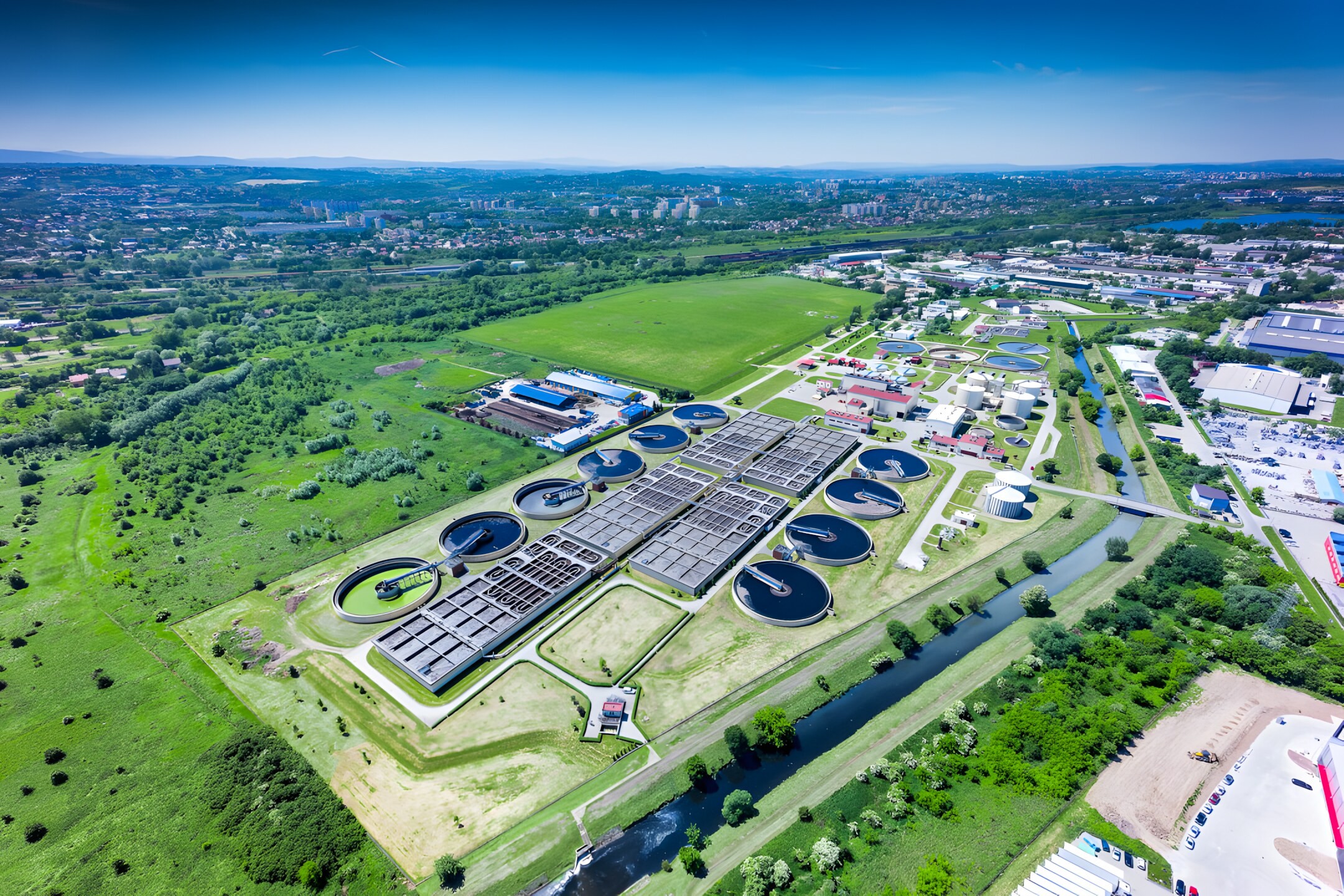
Energy neutrality is one of the hardest targets in the recast EU wastewater directive: by 2045, treatment plants must generate as much renewable energy as they use. Many operators are only now working out where they stand. Kraków's water utility, Wodociągi Miasta Krakowa (WMK), has been working at it for more than a decade, and its two large plants show two different points on the same road.
The smaller plant, Kujawy, covers about 80% of its electricity demand from renewables. The larger one, Płaszów, is at about 45%. The gap is not down to one big investment but to a series of steps that other central European plants can follow.
What the directive requires
Article 11 of the Urban Wastewater Treatment Directive, EU 2024/3019, sets two obligations. The first is an energy audit: by 31 December 2028 for plants treating 100,000 p.e. or more and their collecting systems, by the end of 2032 for plants between 10,000 and 100,000 p.e., and every four years after that. The audits must look in particular at the potential for biogas production and waste heat recovery.

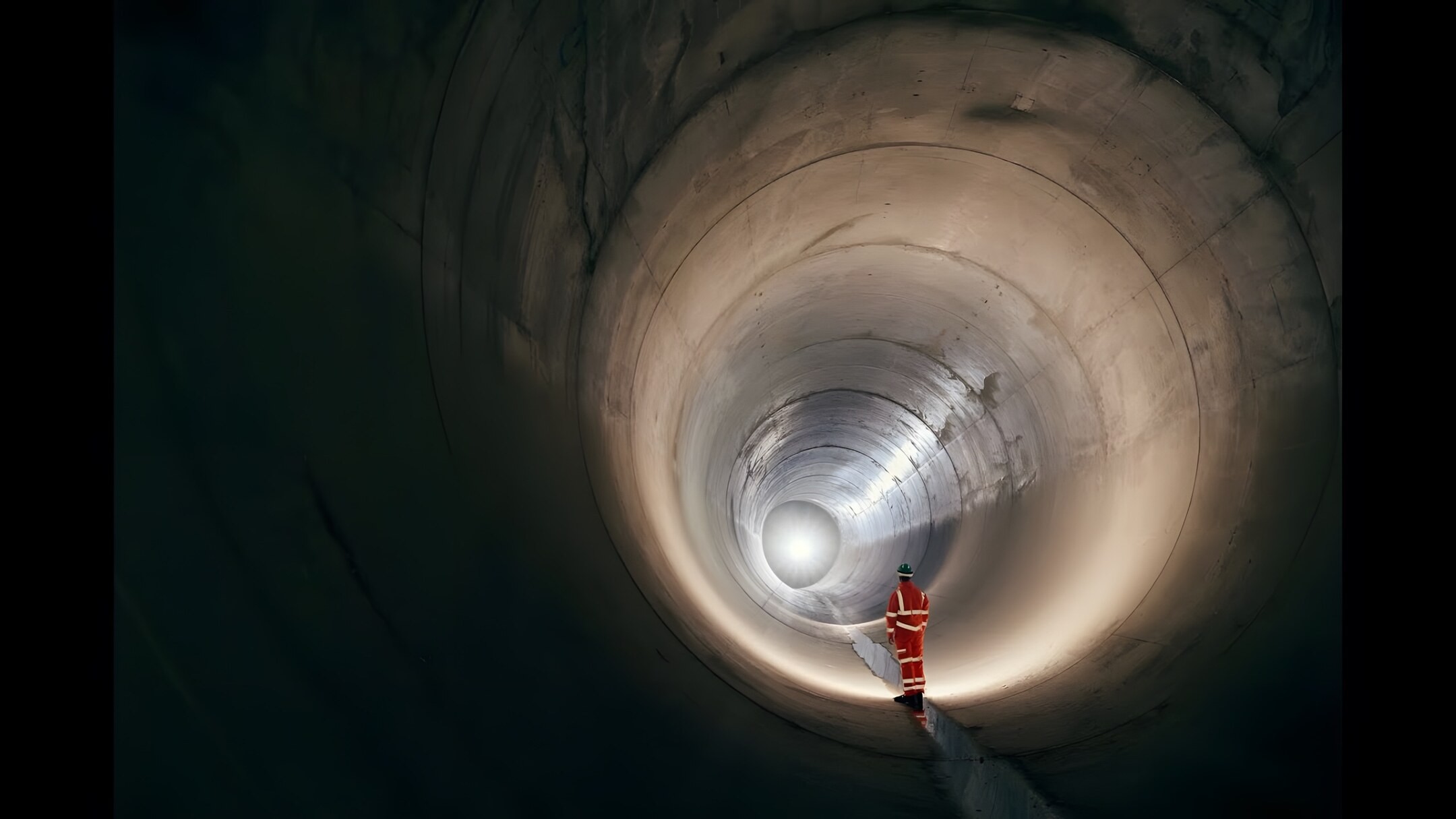

London's Thames Tideway Tunnel cut storm sewage discharges to the tidal Thames by 86% in its first full year, and its first benefits report is just as clear about what one dry year cannot yet prove.
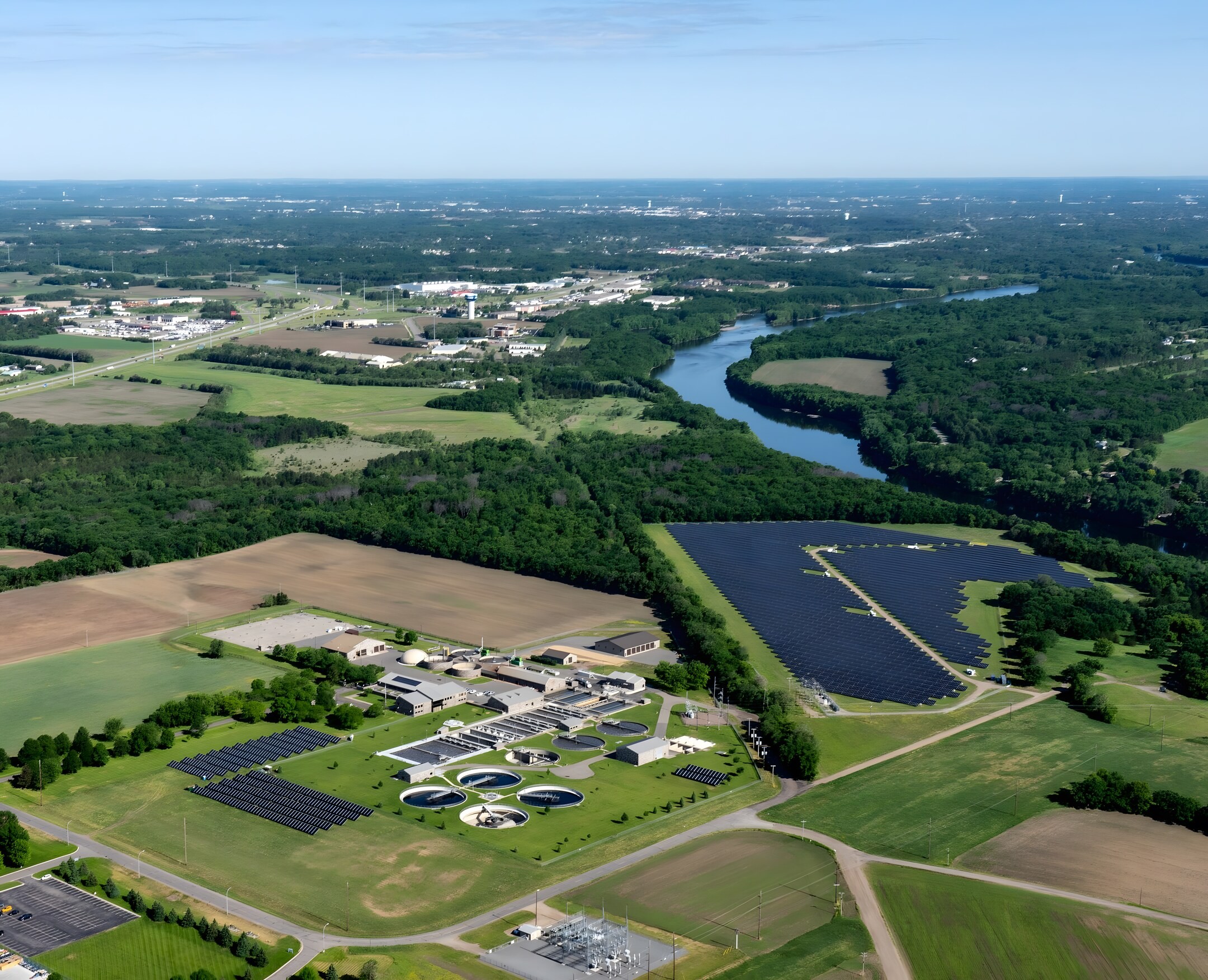
Wastewater treatment does not break down PFAS, so the chemicals collect in sludge, and just as farmland is closing to it in more places, the technologies that can destroy them are leaving the pilot stage.
After three years of construction, the Rheinbach-Flerzheim wastewater plant has commissioned a fourth treatment stage that combines membrane filtration with powdered activated carbon, ahead of a stream that in summer carries little but treated effluent.