Professional articles
In-depth analysis, technology comparisons and interviews.
Professional content is free to read with a W4 account.Create an accountSign in
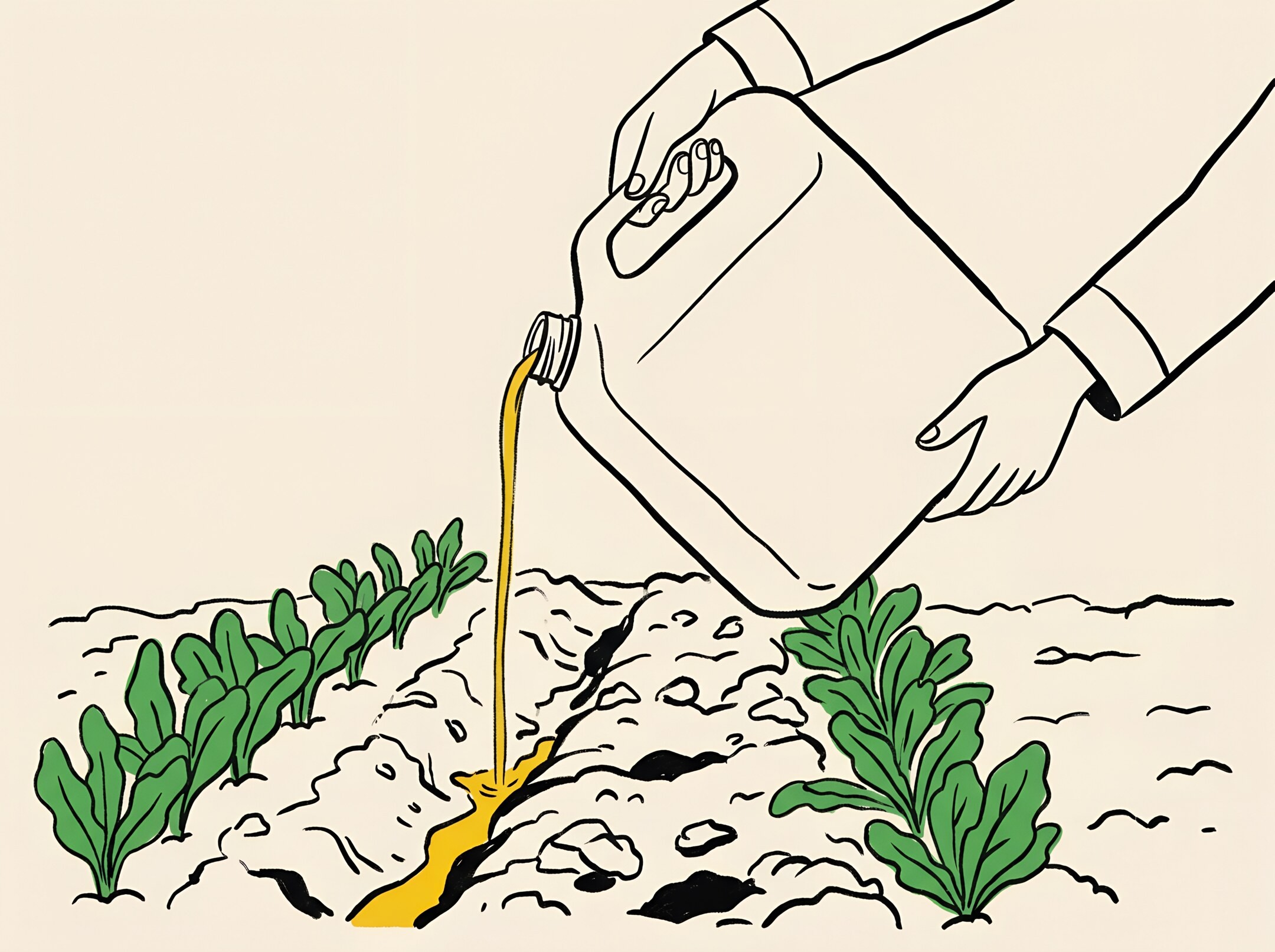

A meta-analysis of 455 datasets finds that fertilisers made from separated urine and faeces perform as well as mineral fertiliser, so the open questions are now quality assurance and regulation.
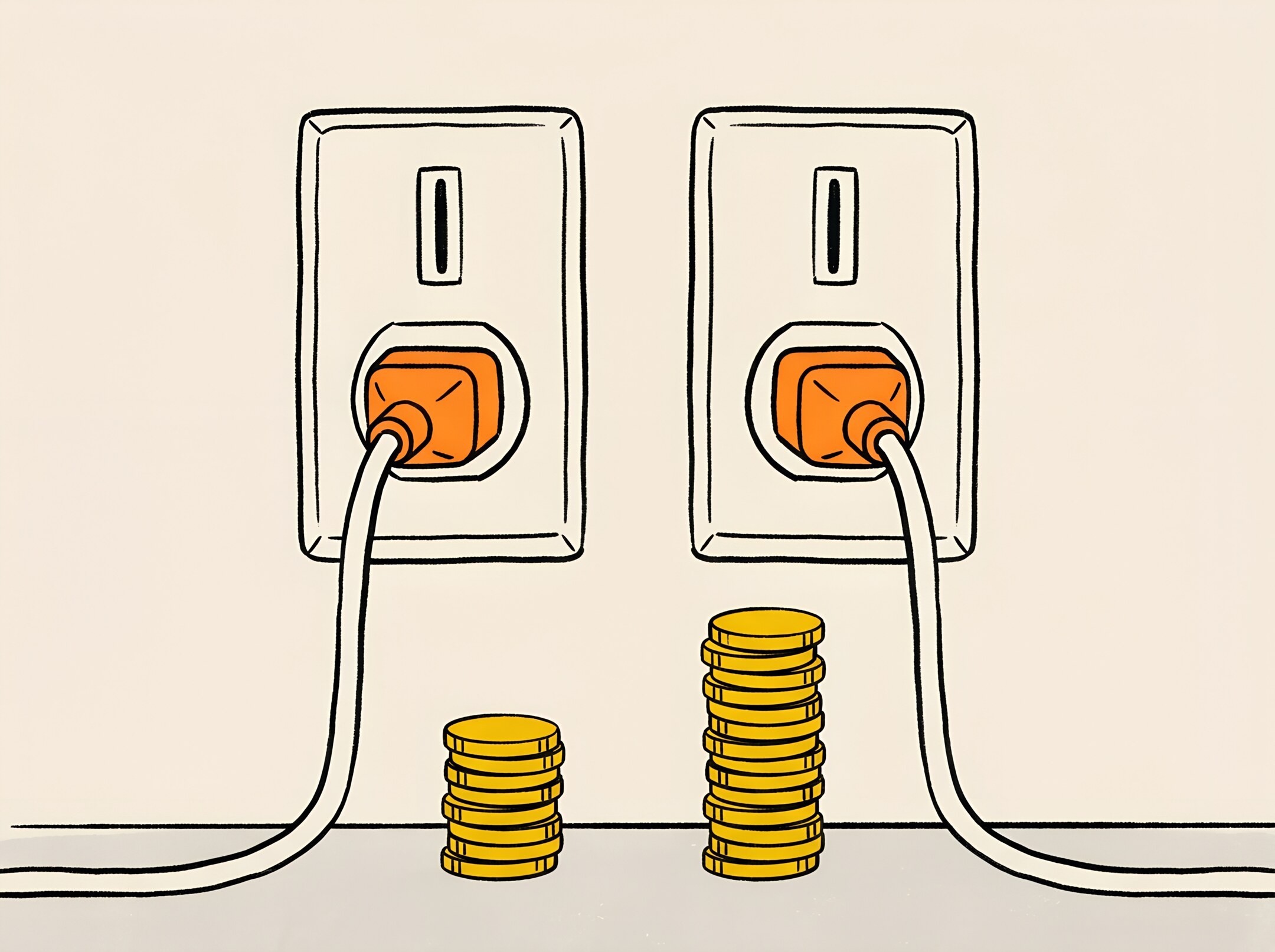
A BloombergNEF comparison of 37 markets shows German industry paying twice the US price per megawatt-hour, while fresh Eurostat data put Hungary near the top of the EU even before taxes.
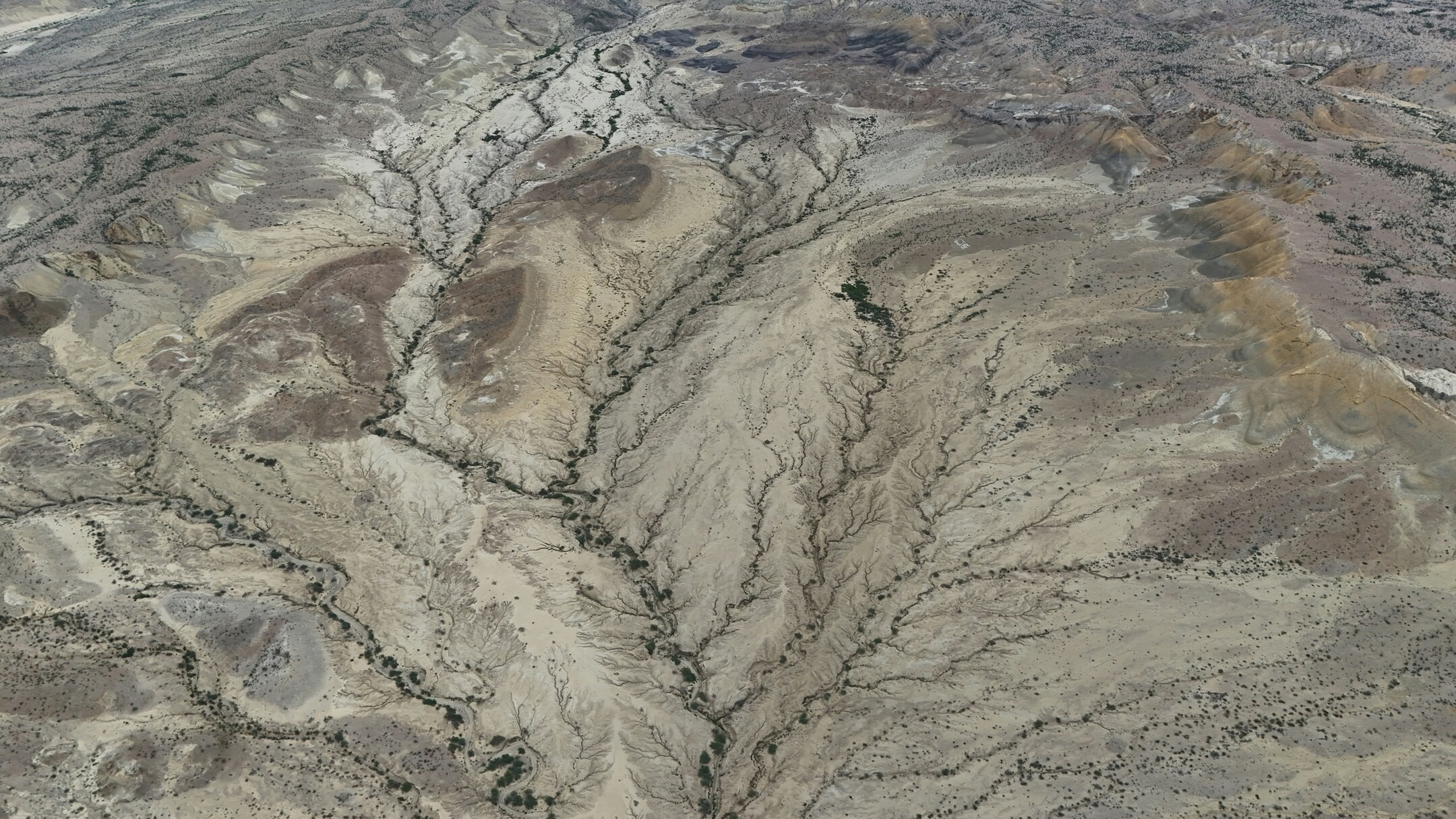
Streamflow records from 19,000 catchments show that a drying atmosphere does not translate evenly into river-flow deficits – a finding that argues for catchment-specific drought planning.
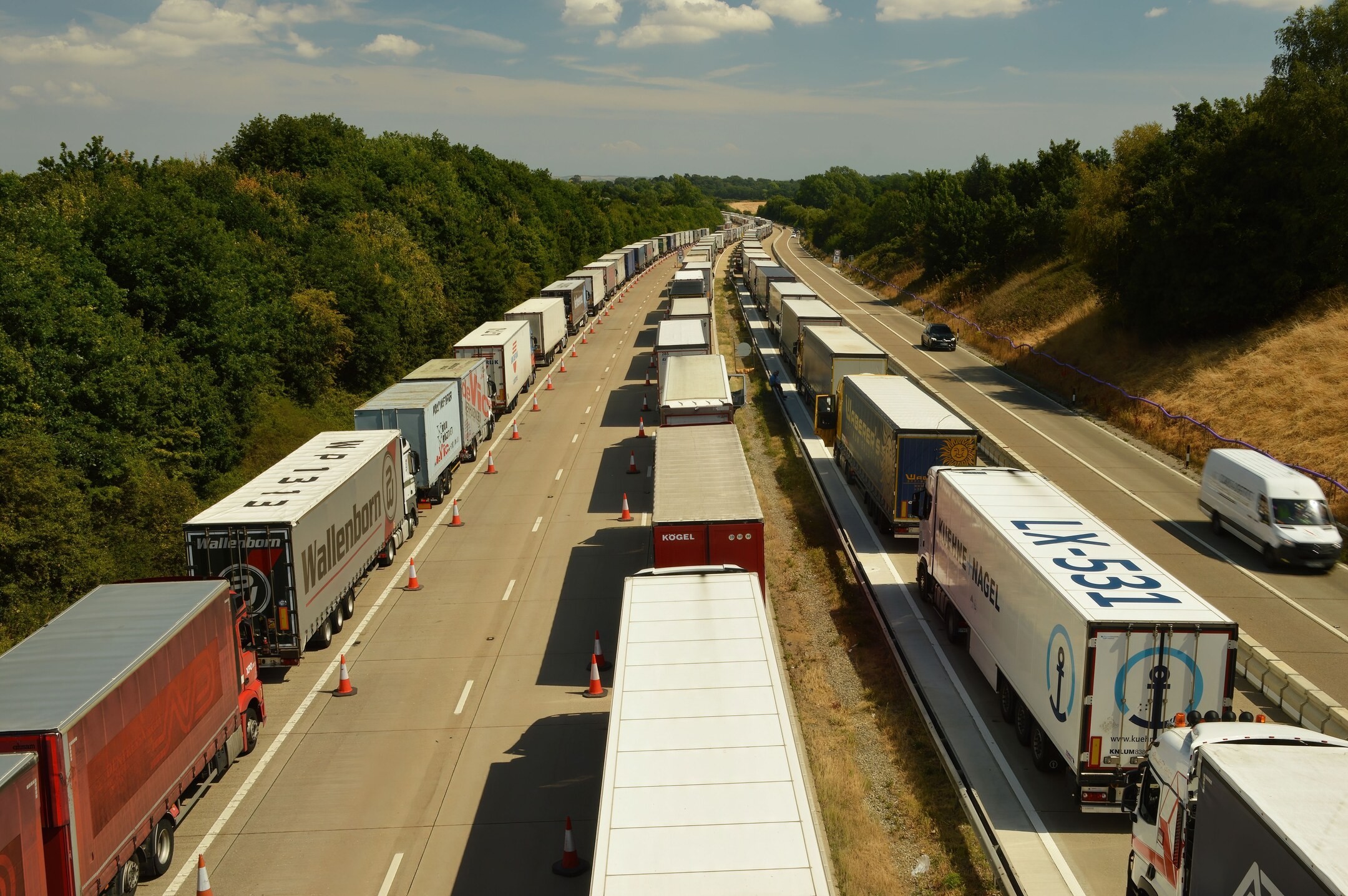
EU member states have approved a stronger price brake for the carbon market for buildings and road transport due to start in 2028 – and a week later, EU leaders asked the Commission to reassess the whole system, without postponing it.

Prague's draft law transposing the recast EU wastewater directive puts the investment bill at up to CZK 176 billion and gives a detailed view of what the rules mean for a central European member state.
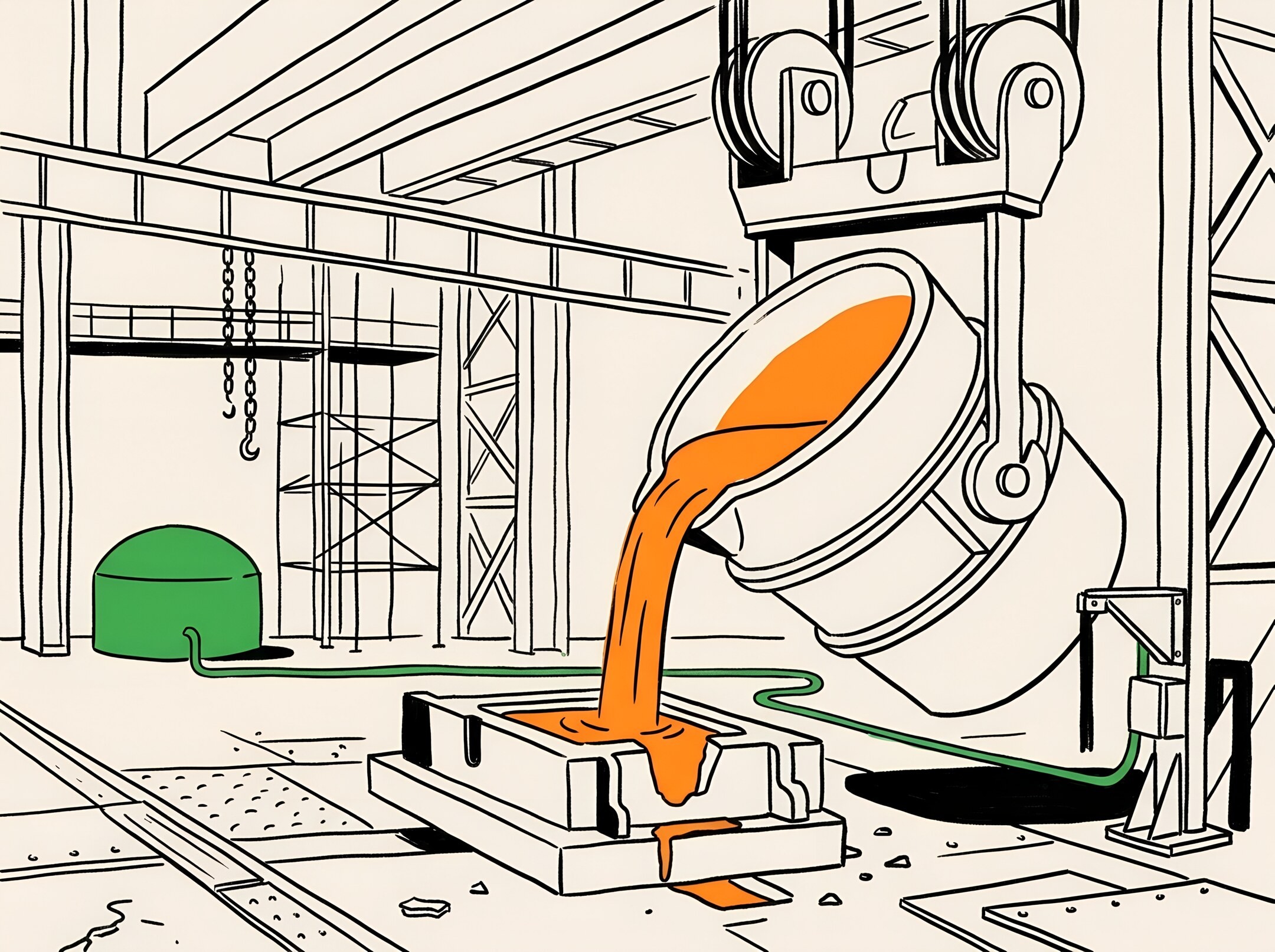
A study commissioned by the European Biogas Association finds that European industry's demand for biomethane could reach 35 billion cubic metres a year by 2050, led by steelmaking and high-temperature processes.
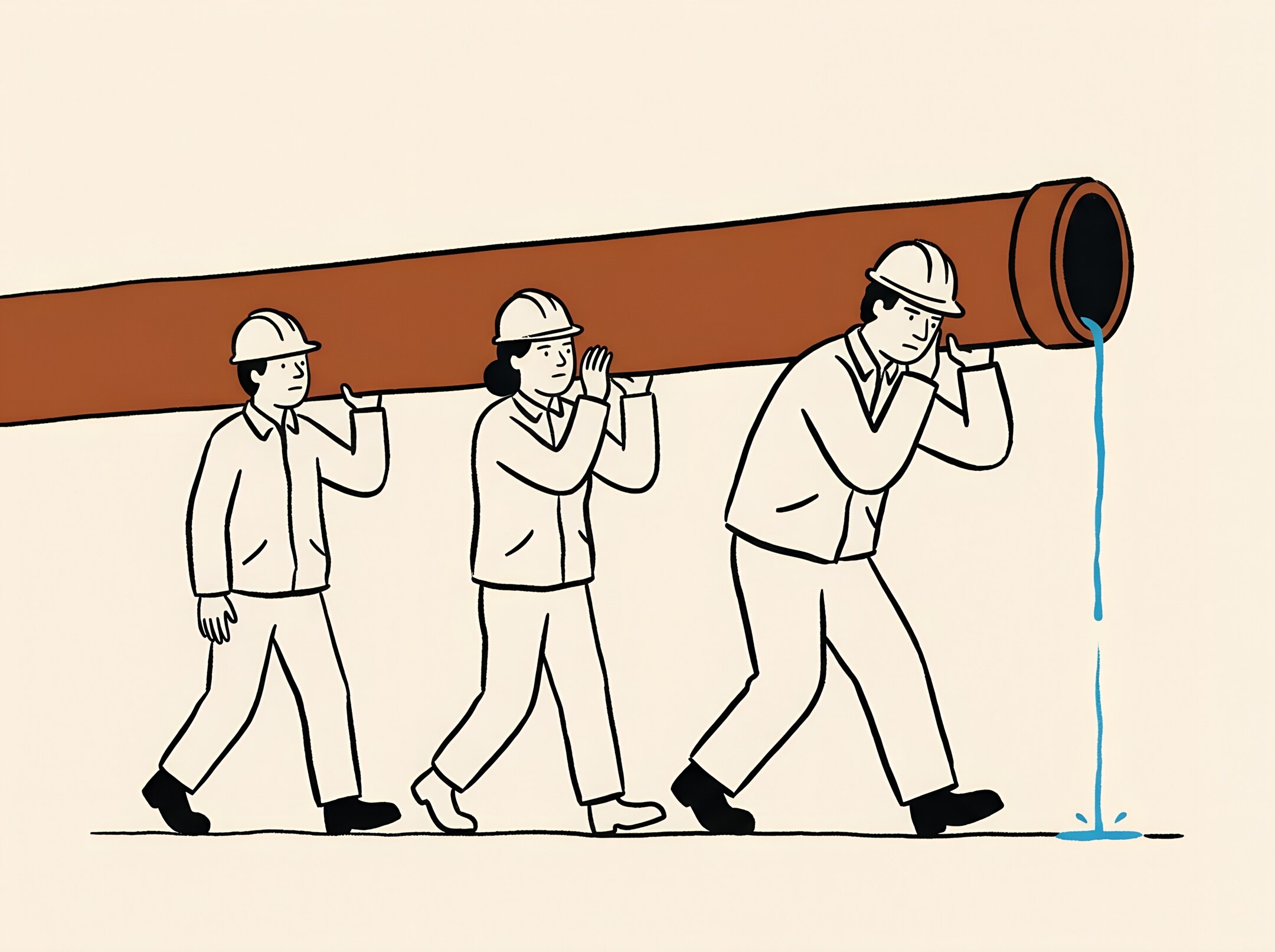
A Stanford model shows that if neighbouring wastewater plants plan their nutrient removal upgrades together, capital and operating costs can fall by almost half.
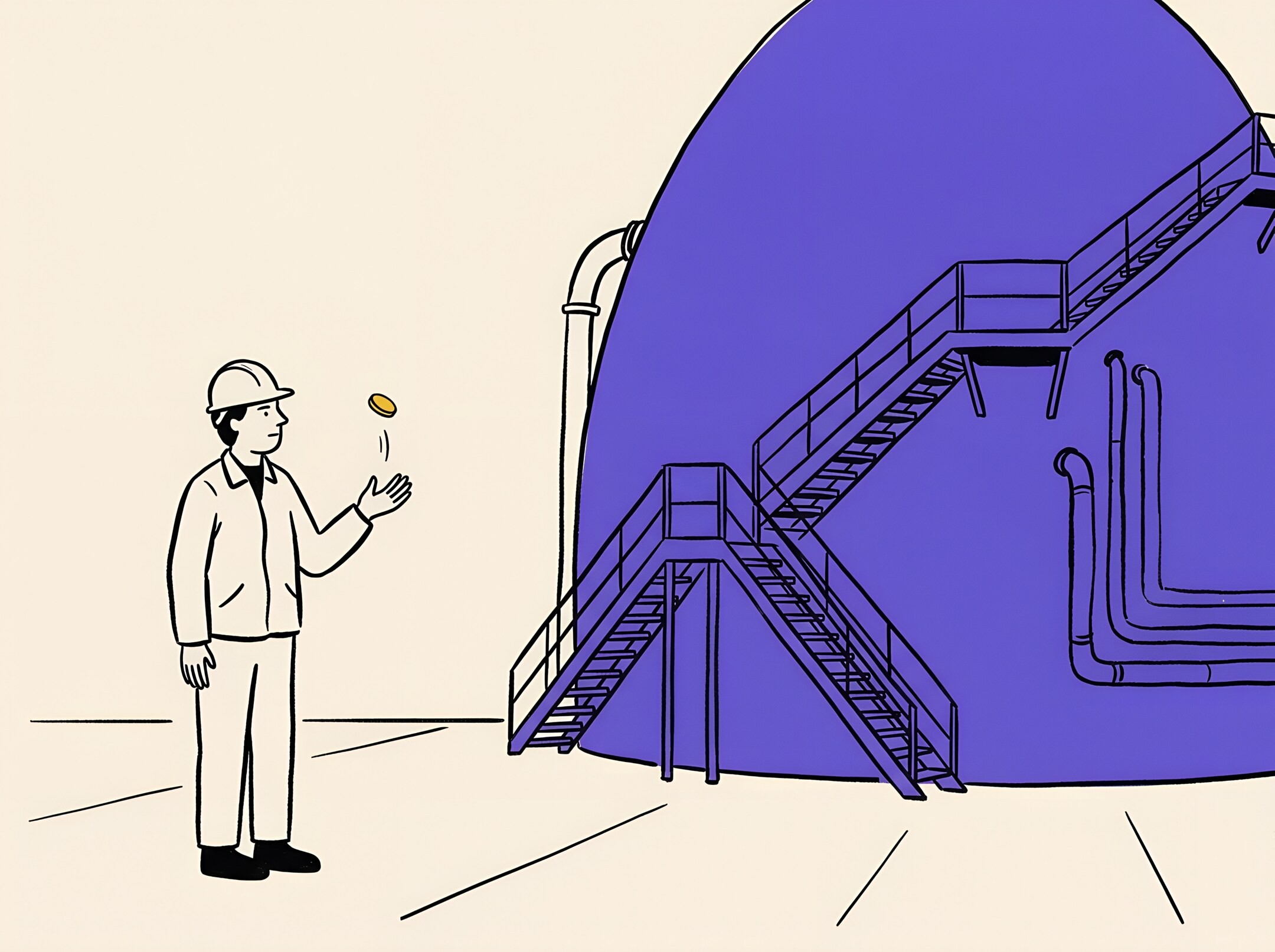
Two new studies on artificial intelligence in anaerobic digestion reach the same sober conclusion: so far, AI predicts and advises, but nobody has yet shown it delivering more methane on a live plant.
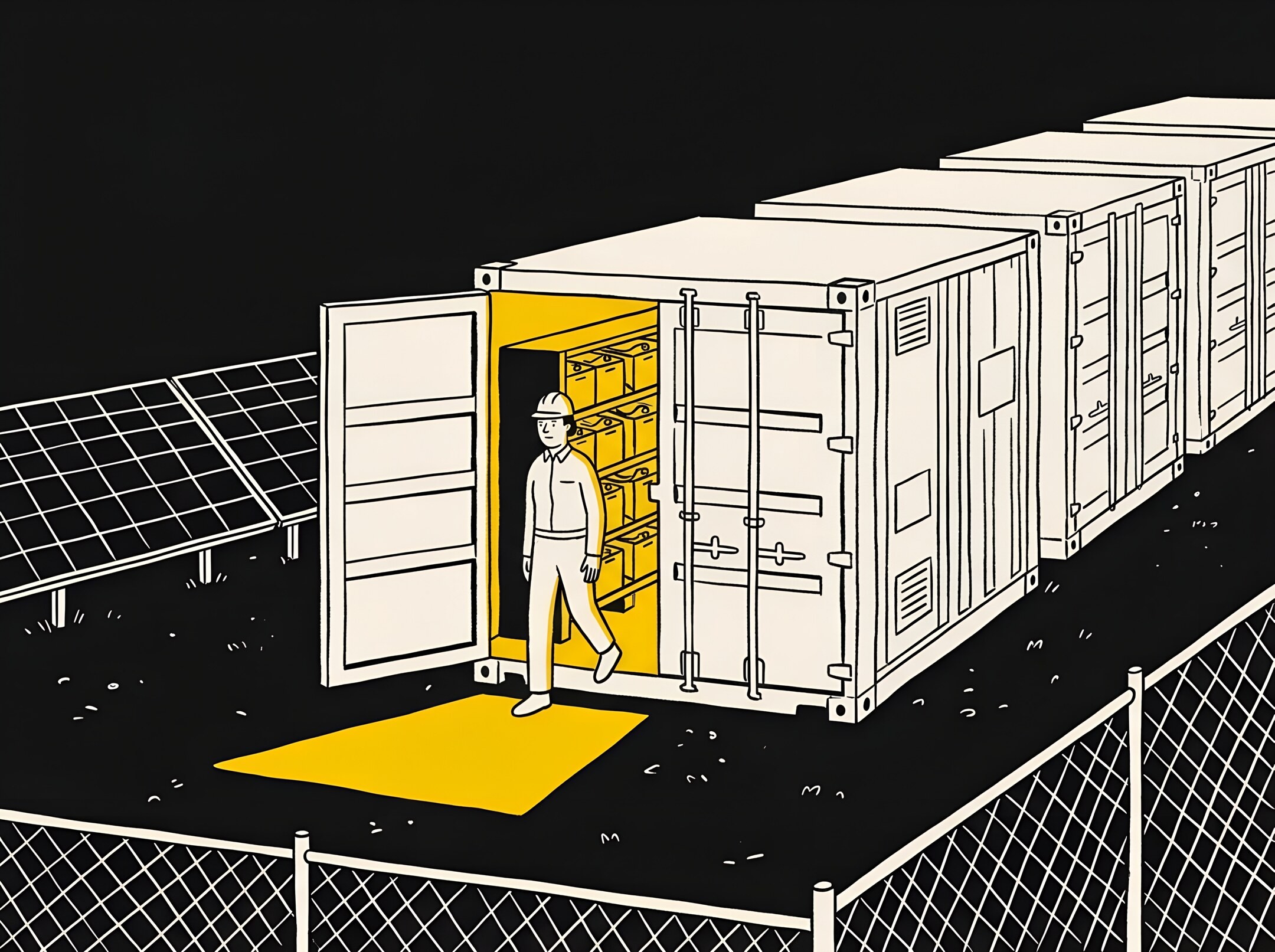
According to Wood Mackenzie, Europe's annual storage installations exceeded those of the United States for the first time in 2026, and Poland has become the world's top emerging market – while investors move from capacity payments to long-term trading contracts.
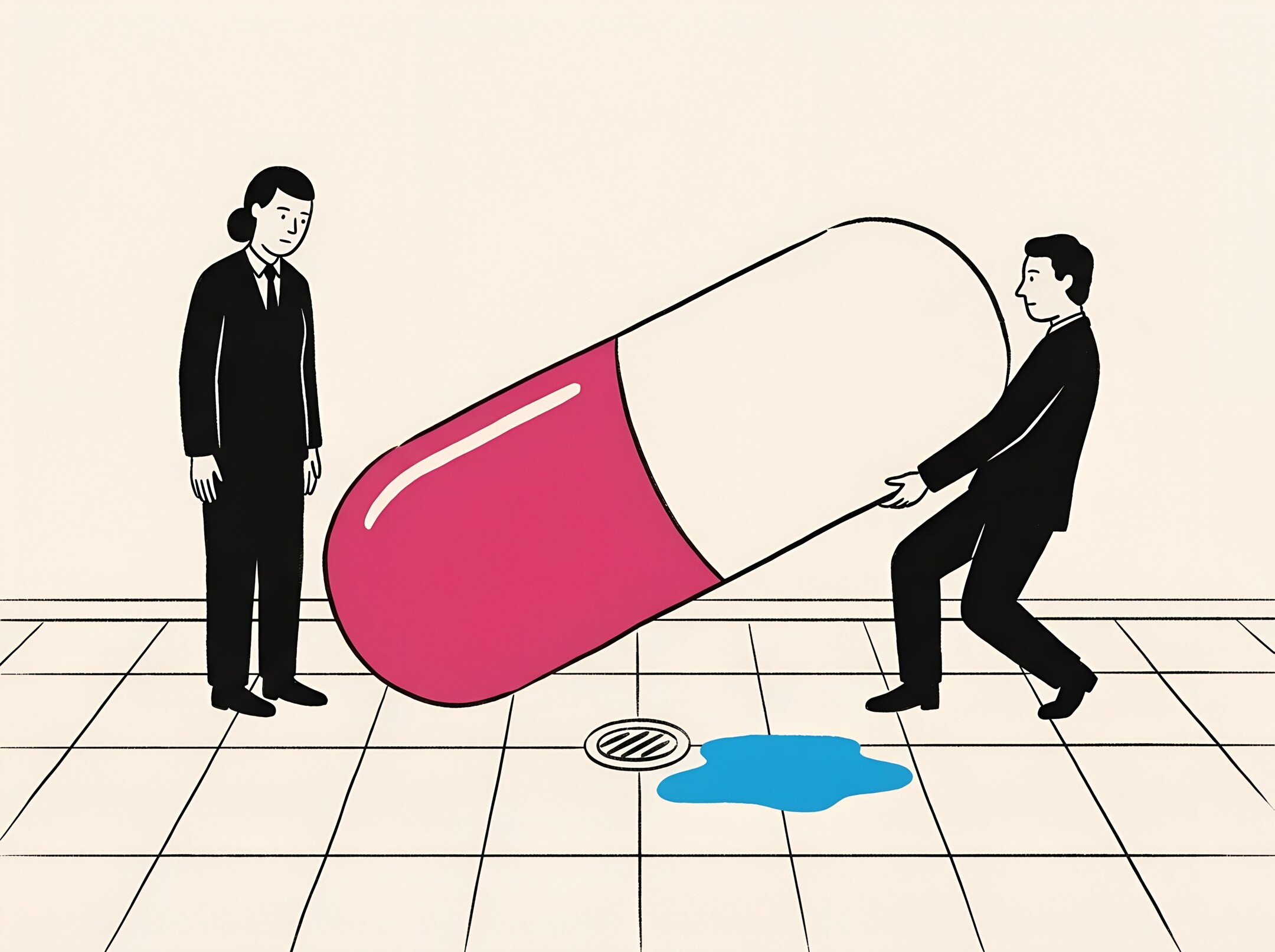
The EU's wastewater directive makes producers of medicines and cosmetics pay at least 80% of the cost of removing micropollutants, but an Advocate General's Opinion has thrown the whole financing model into doubt.
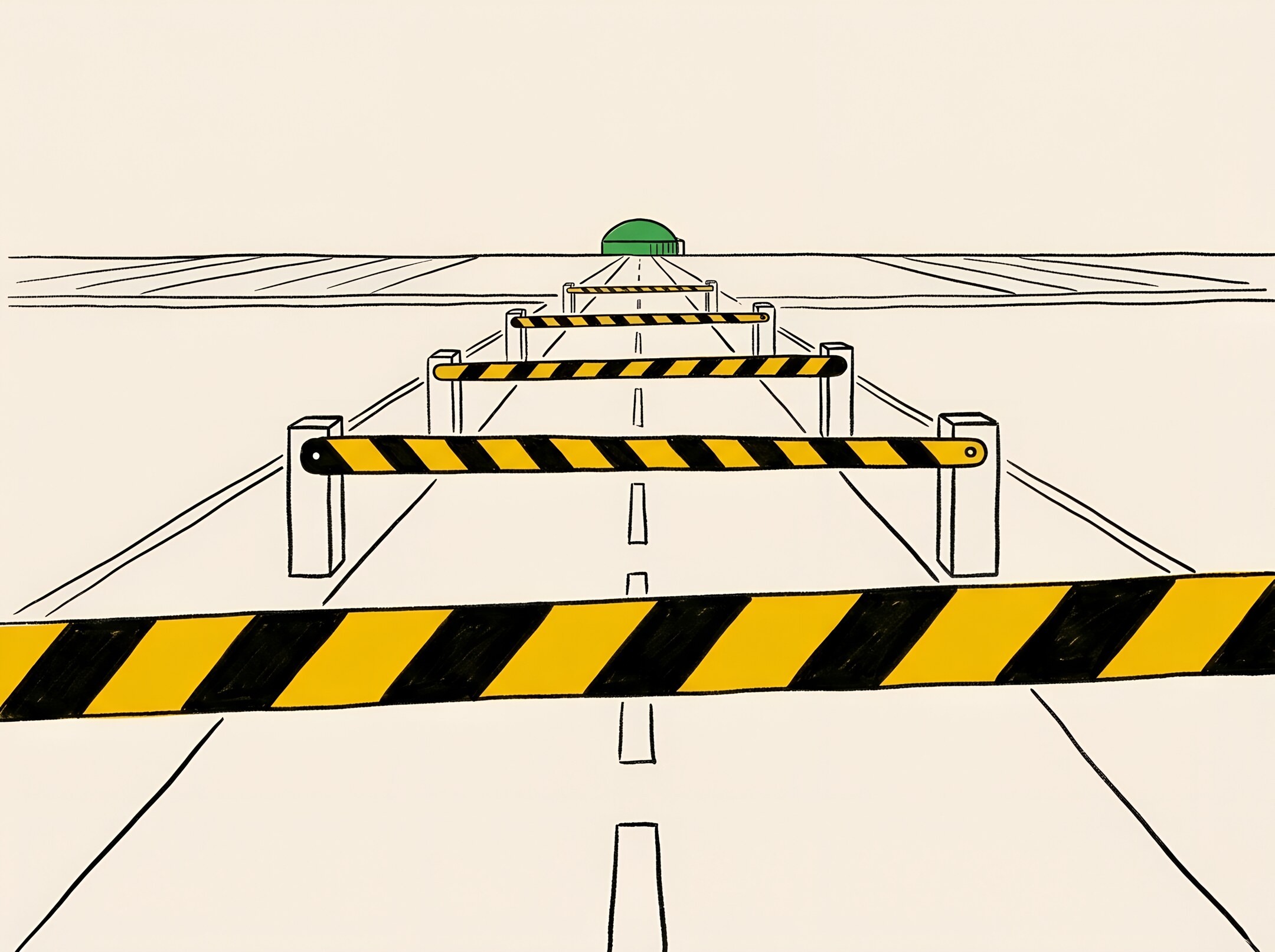
The European Biogas Association has mapped what is slowing the growth of biogas and biomethane across five areas, and points to national examples that show how each barrier can be overcome.

The Commission has promised a new water initiative to tackle leakage, while the Drinking Water Directive already sets a binding timetable for measuring and reducing network losses.