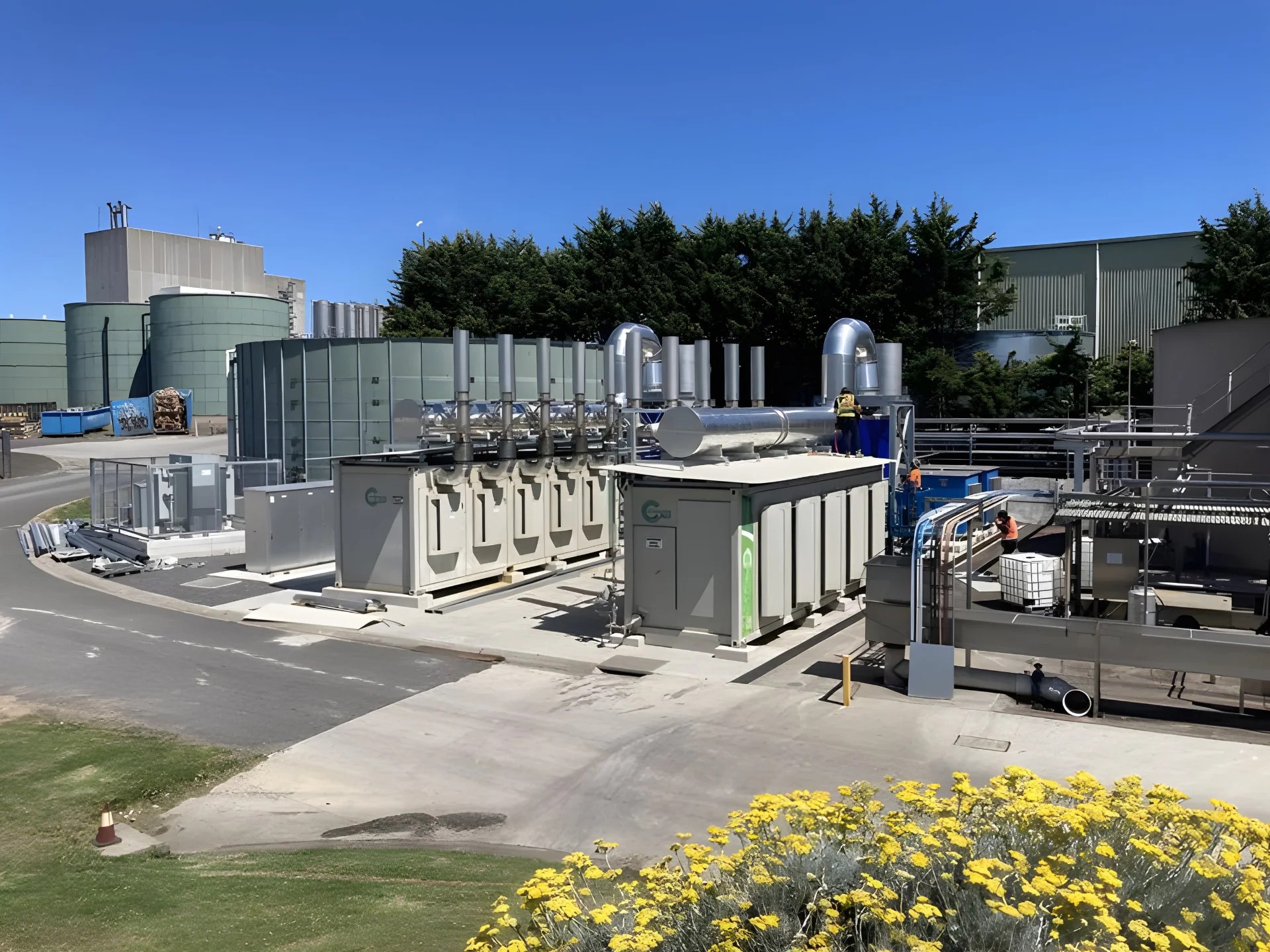
Saudi–Syrian Water Agreement to Help Rebuild Syria

A consortium of Saudi Arabia's ACWA Power and the Water Transmission Company (WTCO) has signed a new technical services agreement with Syria's Ministry of Energy and the German engineering consultancy Fichtner. The agreement aims to assess the country's water resources and identify the desalination and water transmission projects that could secure Syria's water supply in the long term. The step is one of the latest milestones in Saudi–Syrian economic cooperation, which has brought an ever broader wave of investment into the country since the fall of the former regime.
The details of the agreement
The technical services agreement now signed builds on a joint development agreement concluded in February, which has already started preliminary studies of water demand, available resources and possible desalination and water transmission solutions.
The studies now under way could lay the groundwork for seawater desalination projects with a capacity of up to 1.2 million cubic metres a day.
According to Mohamed Fata Nahhas, ACWA Power's CEO for Syria, the parties are now starting the detailed technical work that will give the Ministry of Energy a clear, data-based picture of the available resources, future demand and priority projects.
"Now begins the detailed technical work that will lay the foundations for a sustainable water system in Syria." – Mohamed Fata Nahhas, CEO for Syria, ACWA Power
The work is being carried out in close cooperation with the Syrian authorities, and will produce a roadmap that ranks the possible projects by impact, feasibility and speed to market.
Syria's water crisis
The agreement comes against the background of a water sector badly damaged by a decade of conflict and underfunding. According to a World Bank report from March, more than half of the country's water treatment facilities and sewer network are damaged or out of action, while water supply is 40% below pre-war levels.
In Syria, more than half of the population – about 14 million people – lack access to adequate drinking water, sanitation and hygiene services.
This situation alone justifies making water security a priority in Syria's reconstruction plans – and the pressure from climate change makes the challenge even harder.
The Saudi investment offensive in Syria
The ACWA–WTCO agreement is part of a much broader Saudi economic presence.
In February the two countries announced 80 agreements and memoranda of understanding worth more than 40 billion riyals (about $10.67 billion) in total, in sectors such as aviation, telecommunications, infrastructure and energy.
As part of the February package, a Saudi investor consortium led by the BinDawood Investment Group signed an agreement with Syria's General Authority of Civil Aviation to develop a new international airport in Aleppo, and a separate package worth 7.5 billion riyals was set aside to develop two airports in Aleppo. Saudi Telecom Co. announced telecommunications investments of more than 3 billion riyals, and Riyadh Cables Group is developing Modern Syrian Cables Co. in partnership with the Syrian Sovereign Fund. At the end of August, business representatives of the two countries also agreed to set up a joint bank and regulated banking channels to make investment transfers between the two countries easier.
ACWA Power's desalination portfolio
Desalination is one of the pillars of ACWA Power's water business. In total, ACWA Power manages 9.7 million cubic metres of desalinated water a day through 24 assets in 7 countries, under long-term bulk water contracts with state utilities. The Syrian studies aim to determine the size, location and sequence of future desalination and water transmission projects in the country.
Next steps
The agreement signed now is not yet an investment decision in itself: the goal is an evidence-based roadmap that the Syrian government can use to prioritise future desalination and water transmission investments. The process fits closely into the broader dynamics of Saudi–Syrian economic relations, which have accelerated since February and in which water security is now gaining weight alongside the energy, transport and financial sectors.
Rebuilding water infrastructure
The consortium of ACWA Power and WTCO has signed a technical services agreement with Syria's Ministry of Energy and the consultancy Fichtner to assess the country's water resources and lay the groundwork for future desalination and water transmission projects – with a capacity of up to 1.2 million cubic metres a day. The step is all the more significant because Syria's water infrastructure is in an extremely degraded state: more than half of its facilities are out of action, water supply is 40% below pre-war levels, and 14 million people lack adequate access to water. The agreement is part of a broader wave of Saudi investment which, since February, has touched aviation, telecommunications and the financial sector through 80 agreements and an investment package worth 40 billion riyals. ACWA Power is also a major player in the global desalination market, with 24 assets and a capacity of 9.7 million cubic metres a day – experience that can underpin the planning of the Syrian projects.
A consortium of Saudi Arabia's ACWA Power and WTCO has signed a technical services agreement with Syria's Ministry of Energy and the engineering consultancy Fichtner to assess the country's water resources. The studies could lay the groundwork for seawater desalination projects with a capacity of up to 1.2 million cubic metres a day. The step matters because Syria's water infrastructure is badly degraded: more than half of its facilities are out of action, water supply is 40% below pre-war levels and 14 million people lack adequate access to water. The agreement is part of a broader Saudi economic offensive, announced in February, made up of 80 agreements and an investment package worth 40 billion riyals. Globally, ACWA Power manages 9.7 million cubic metres of desalinated water a day through 24 assets, giving it solid expertise for the Syrian project.
A consortium of Saudi Arabia's ACWA Power and the Water Transmission Company (WTCO) has signed a technical services agreement with Syria's Ministry of Energy and the German engineering consultancy Fichtner to assess the country's water resources. The agreement builds on a joint development agreement signed in February and could lay the groundwork for desalination and water transmission projects with a combined capacity of up to 1.2 million cubic metres a day. According to Mohamed Fata Nahhas, ACWA Power's CEO for Syria, the parties are now starting the detailed technical work that will lay the foundations for a sustainable water system in Syria. The background to the project is Syria's severe water crisis: according to a World Bank report from March, more than half of the country's water treatment facilities and sewer networks are damaged or out of action, water supply is 40% below pre-war levels, and more than half of the population – about 14 million people – lack adequate access to water, sanitation and hygiene services. The agreement is part of a broader wave of Saudi investment: in February the two countries announced 80 agreements worth more than 40 billion riyals (about $10.67 billion) in total, in areas such as aviation, telecommunications and finance. ACWA Power is also a major player in the global desalination market: through 24 assets in 7 countries it manages 9.7 million cubic metres of water a day, which gives it a solid professional base for preparing the Syrian studies and planning future projects.



A study of 10,826 Chinese treatment plants finds that big centralised systems are reaching two limits at once, on easing water scarcity and on paying their way, and that a hybrid model could do the job for up to 37% less.
FAO has published draft principles on who may use water and on what terms, a quiet piece of international work that speaks directly to this year's fights over drought, wells and free irrigation.

A new report projects data centres' water footprint reaching 9.32 trillion litres by 2030, but the number is only meaningful once you know what it counts, and who is making the case.

An English coalition has costed what it would take to keep every drop of wastewater out of England's largest lake, £3.6–3.7 billion, and its modelling says nothing less ends harmful algal blooms.