Professional articles
In-depth analysis, technology comparisons and interviews.
Professional content is free to read with a W4 account.Create an accountSign in
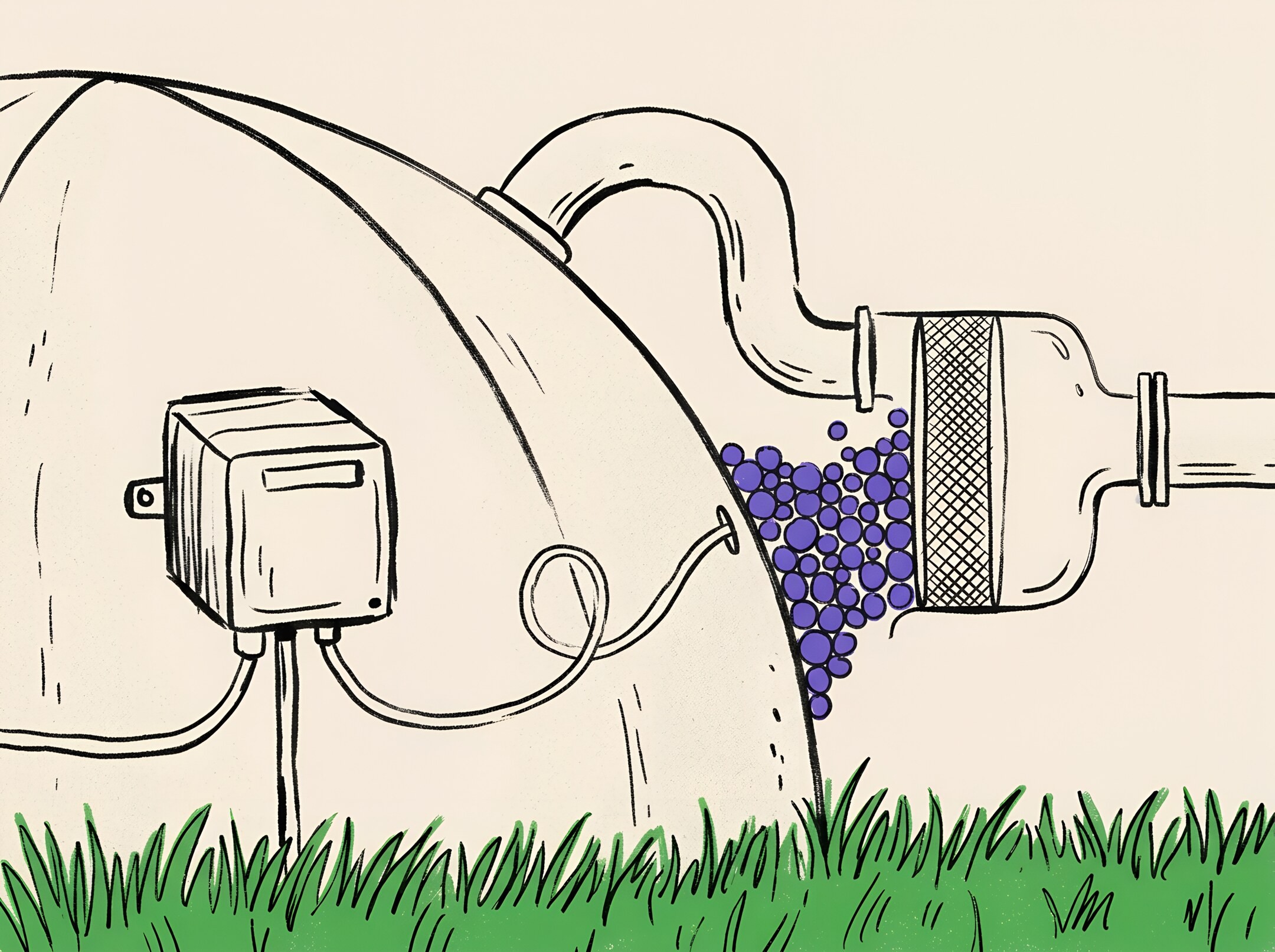

A clause buried in a gas tariff order makes oxygen a design parameter for Spanish biomethane plants, and shows how differently Europe handles a problem it hasn't yet agreed on.

Calculations by the DVGW research centre in Karlsruhe show that if small biogas plants reach the gas grid through a shared upgrading unit and injection point, investment falls by up to 55% and the biomethane injected rises by 16% compared with connecting plants one by one.
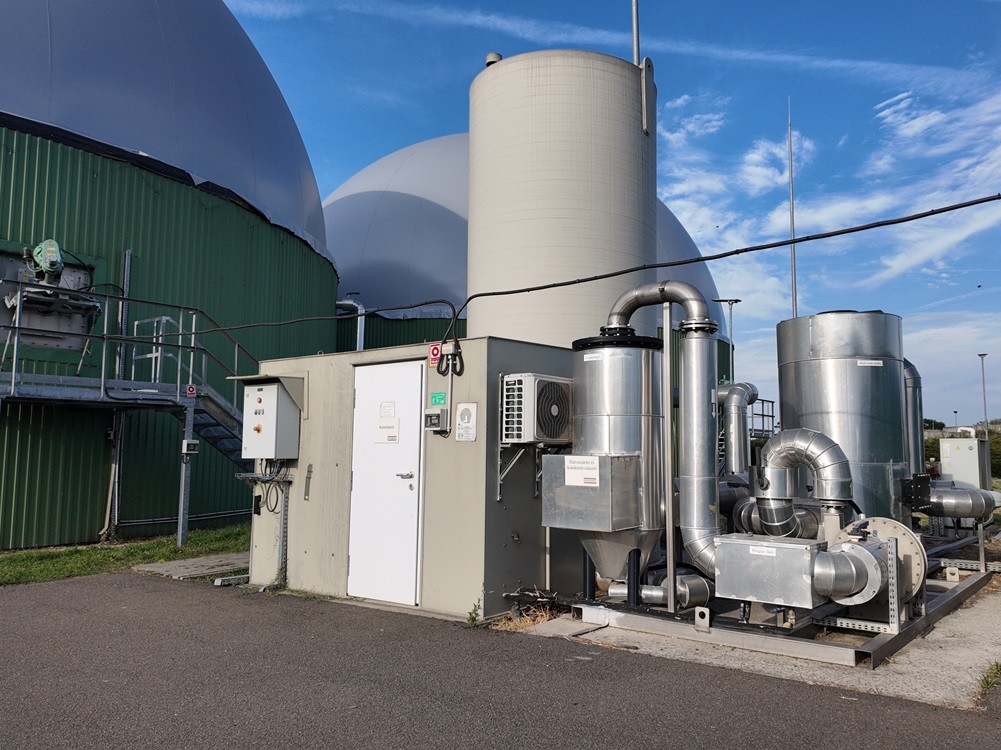

Dosing iron into the digester is one of a biogas plant's main defences against hydrogen sulphide, but iron chloride, iron hydroxide and iron oxide behave very differently – and reactivity matters more than the price per kilo.

A measurement campaign at 65 German biogas plants suggests the sector emits around twice as much methane as the national inventory implies – but most of the loss is concentrated in a few plants and can be prevented.
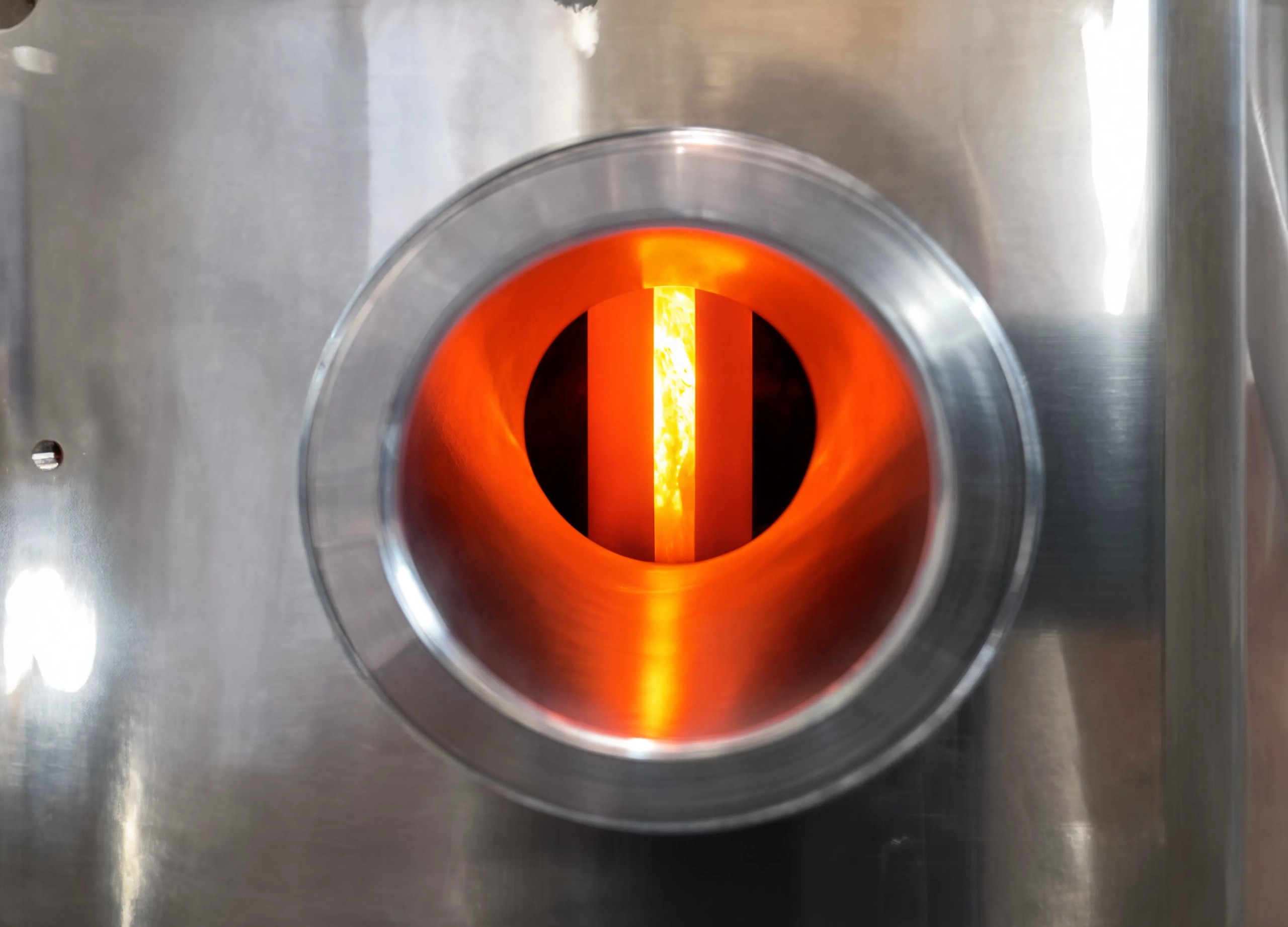
The TITAN project, funded by the EU's Horizon Europe programme, has shown that a microwave-heated fluidised reactor can produce hydrogen from raw biogas almost three times more efficiently than electrolysis – while the solid carbon by-product can be locked away in soil for the long term.

Using a two-step technology, researchers at Washington State University turn 83% of the carbon in sewage sludge into valuable, pipeline-quality renewable natural gas, while cutting treatment costs almost in half.