Professional hub · Wastewater

Professional hub

Market and sector reviews, in-depth articles and case studies for water, wastewater, biogas and energy professionals.

Professional content is free to read with a W4 account.Create an accountSign in

Market review

WastewaterOctober 2026

Urea Edges Higher as European Gas Keeps Climbing

Sewage charges, EU – vs a year ago
5,0%up: 0.1 percentage points
still above headline inflation
Eurostat, September
Urea
420 $/tup: 3.1%
dearer gas, constrained Gulf exports
World Bank
5 minSign in to read
WastewaterSeptember 2026

Phosphate Holds Steady as Urea Turns Higher

Sewage charges, EU – vs a year ago
4,9%down: 0.1 percentage points
steady at 4.9–5.0% since June
Eurostat, August
Urea
407,5 $/tup: 4.5%
edging up after the war spike
World Bank
4 minSign in to read

Weekly review

WastewaterWeek 45Sign in to read

Half of Ireland's Treatment Plants Still Breach Licences

  • 55% of Ireland's licensed treatment plants failed their licence standards in 2025
  • England creates eight regional water councils to steer sewage investment
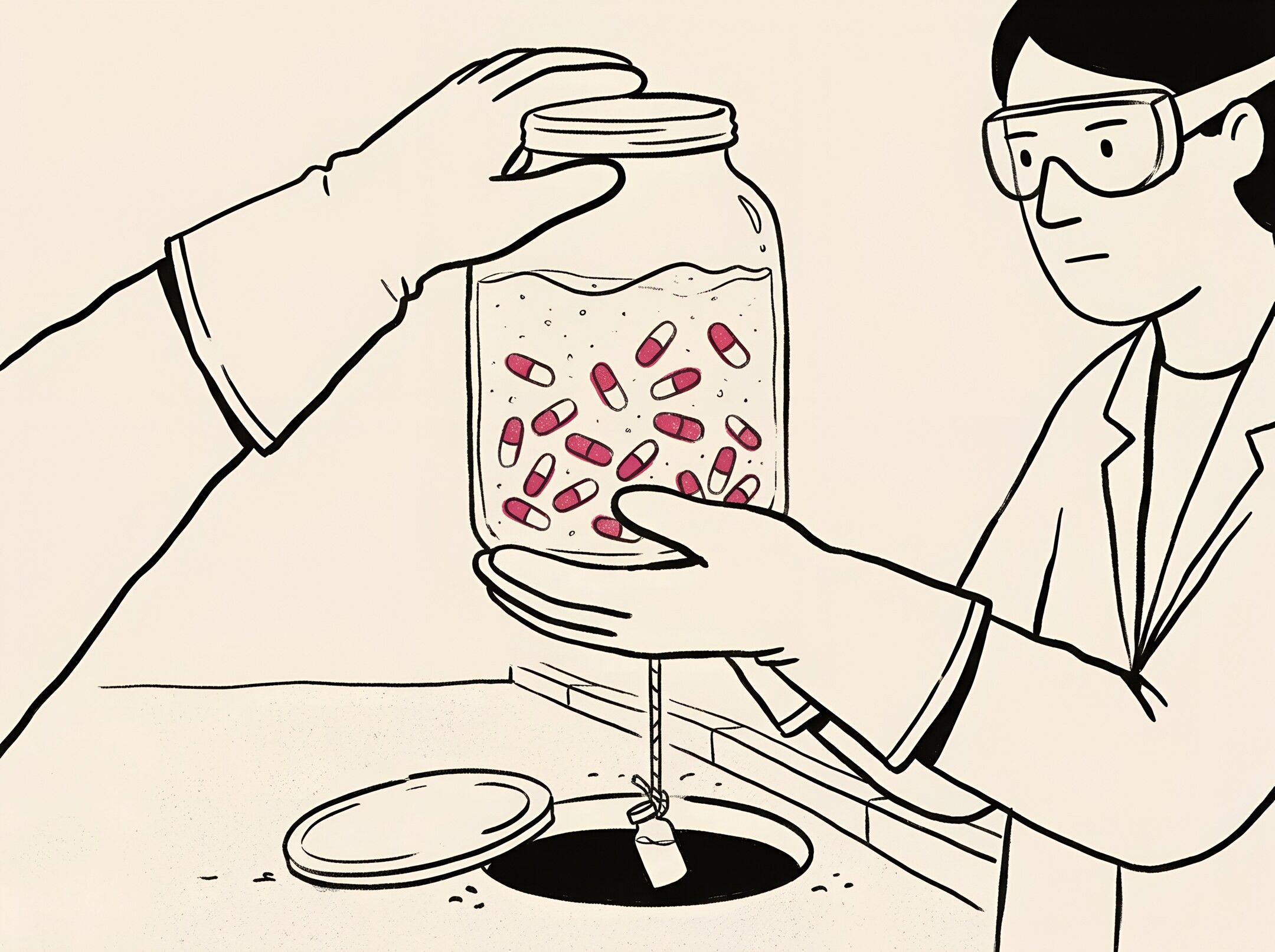
  • Some PFAS and drug residues in biosolids may persist in soil for years
WastewaterWeek 44Sign in to read

England's Water Firms Post Worst Rating Since 2011

  • English water and sewerage firms scored 16 stars out of 36, the lowest since 2011
  • Only 80.2% of England's funded environmental schemes were delivered on time
  • EPA's PFAS TECH strategy puts treatment plants on its list of pilot sites
WastewaterWeek 43Sign in to read

Windermere Plan Prices a Lake Without Sewage

  • Keeping all wastewater out of Windermere would cost £3.6–3.7 billion
  • Sewage flowed into the Danube in Budapest for days before it was stopped
  • Chișinău restarts and Prague begins major treatment plant rebuilds

Professional articles

Case studies

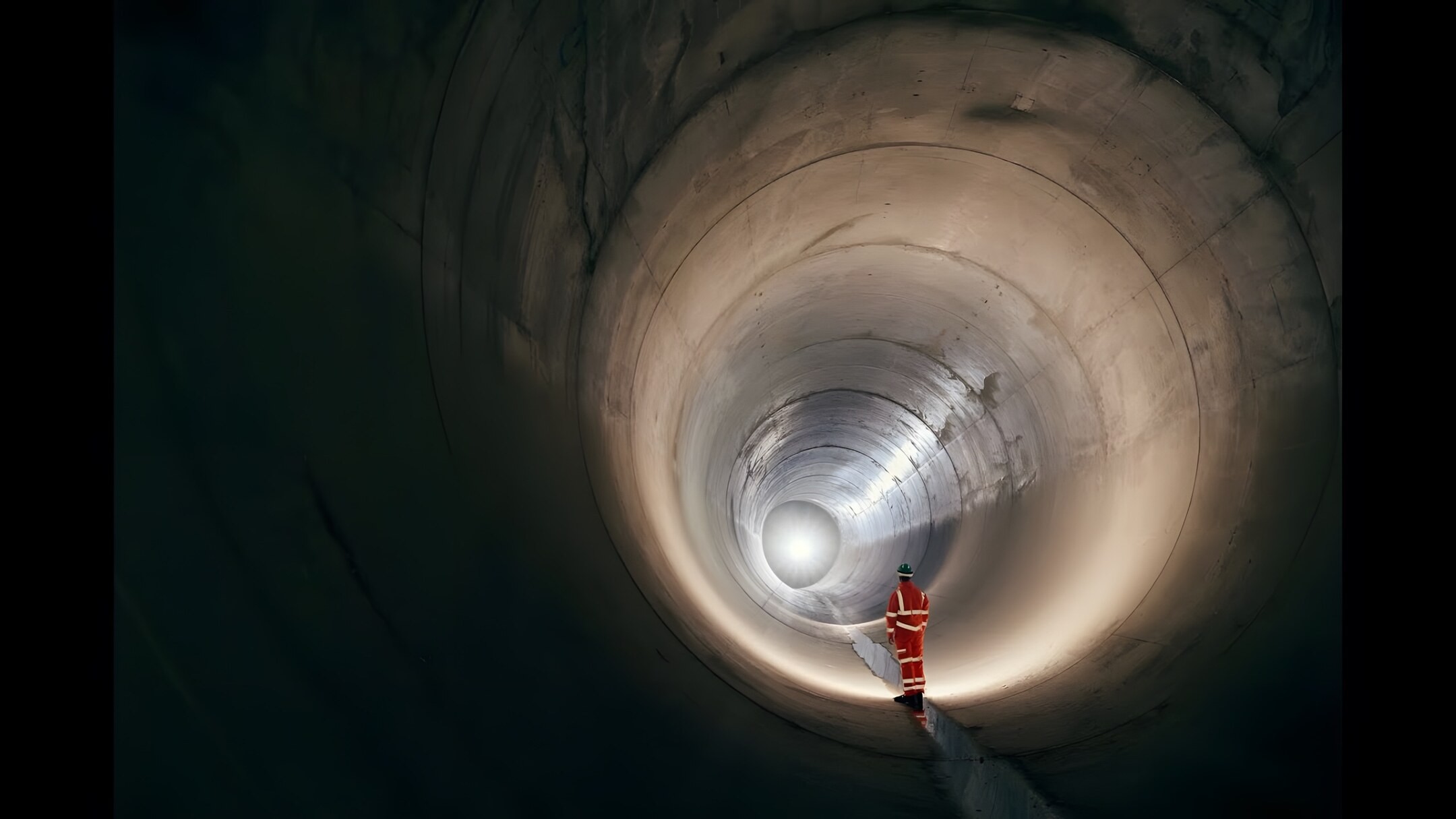
London's Thames Tideway Tunnel cut storm sewage discharges to the tidal Thames by 86% in its first full year, and its first benefits report is just as clear about what one dry year cannot yet prove.

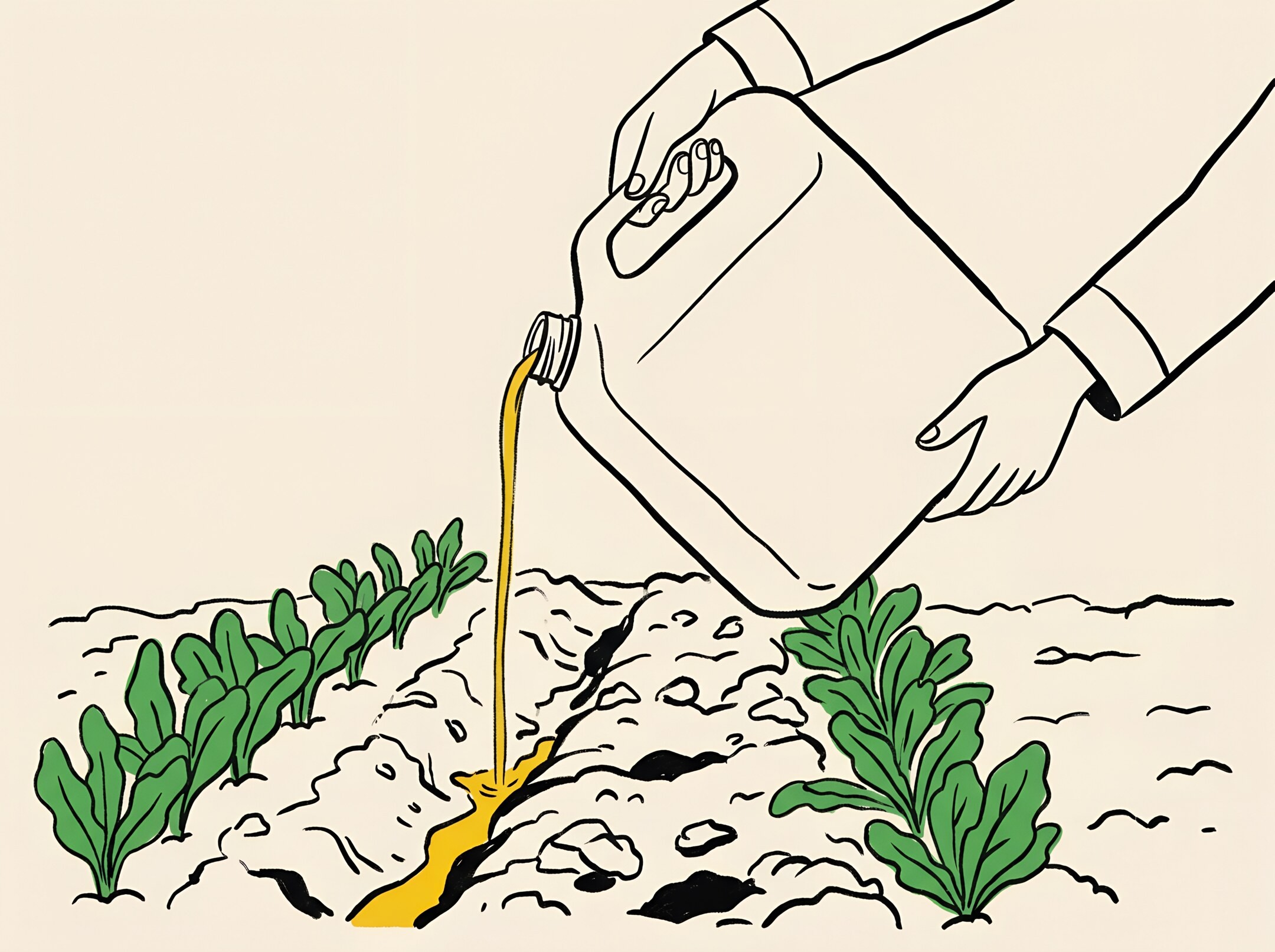
Wastewater treatment does not break down PFAS, so the chemicals collect in sludge, and just as farmland is closing to it in more places, the technologies that can destroy them are leaving the pilot stage.

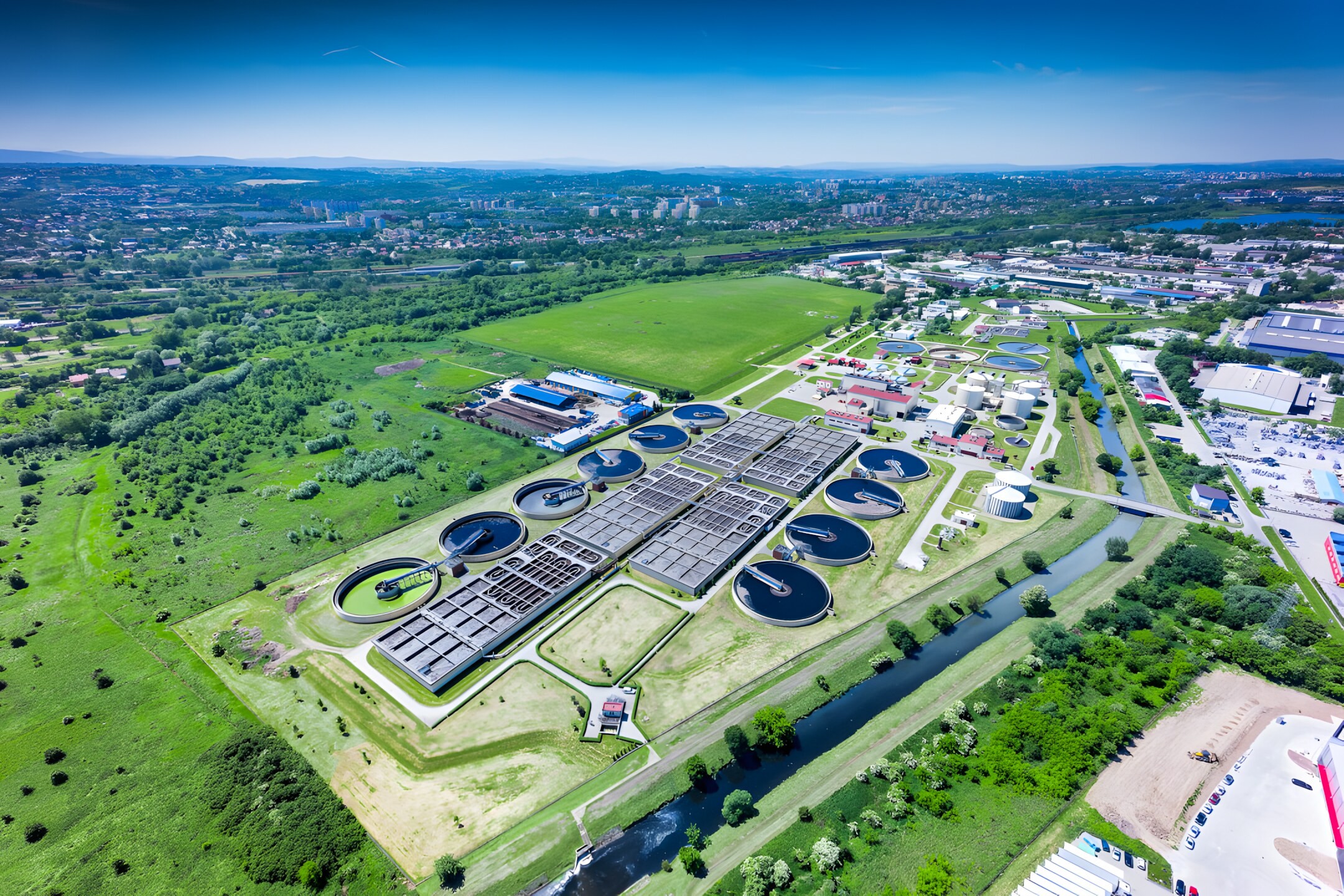
Kraków's smaller wastewater plant already covers about 80% of its electricity demand with biogas, the larger one 45%, and their upgrades show what it still takes to reach the EU's 2045 target.