Water

Drinking Water From the Sea, Without Brine or Chemicals

The University of Rochester's solar desalination system turns seawater into drinking water without chemical treatment or toxic brine – and can recover valuable minerals, including lithium.

We Need to Prepare for Rat-Borne Disease
According to the latest study by the EU's Joint Research Centre (JRC) and The Lancet, a warming and wetter climate increases the risk of one of Europe's underdiagnosed waterborne bacterial zoonoses under every future scenario examined.
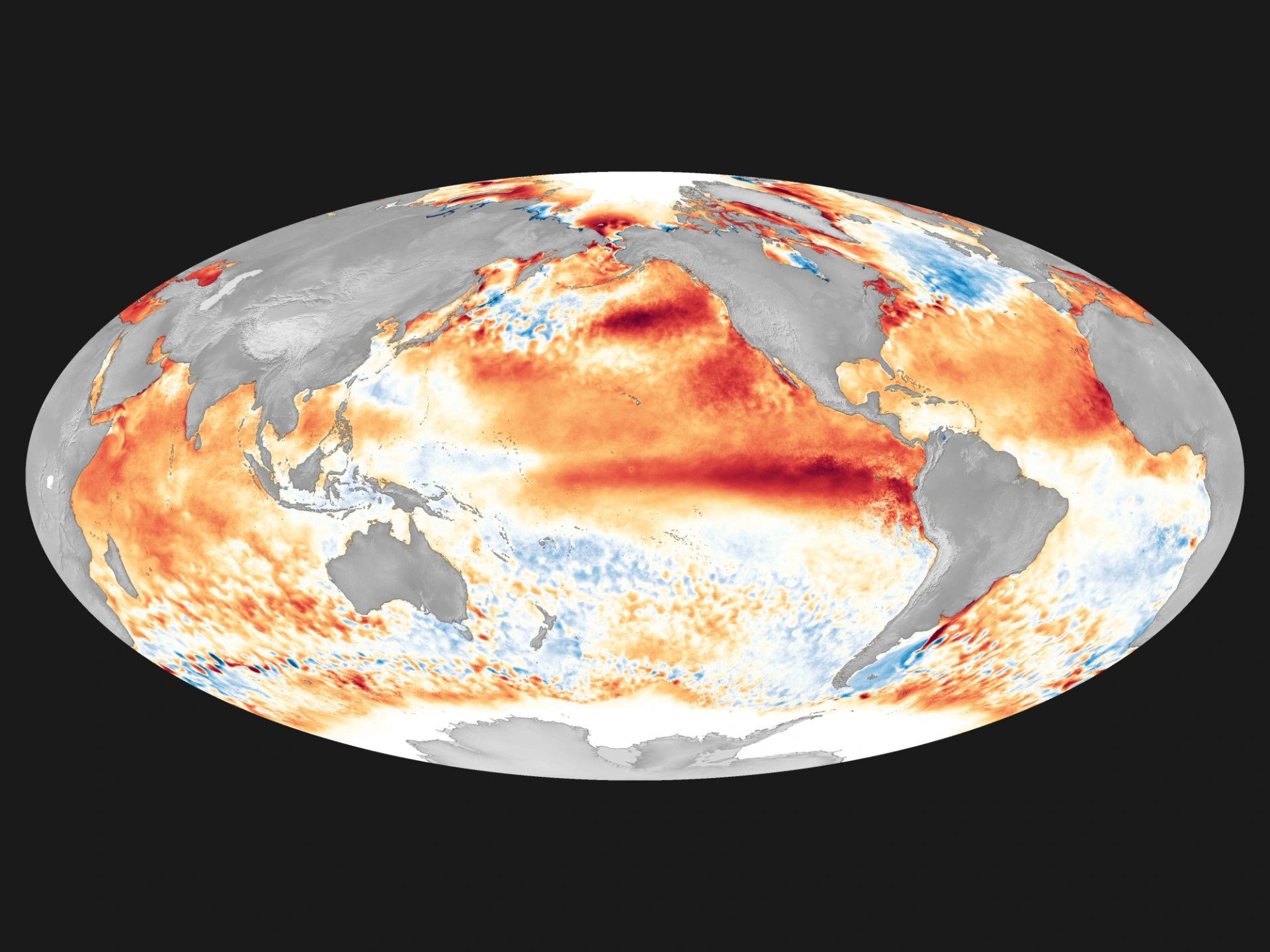
The Returning Giant – a Super El Niño Is Coming
Climate models suggest a record-strength El Niño may develop in 2026 – with consequences ranging from heatwaves to droughts and floods, and Europe will not be spared.
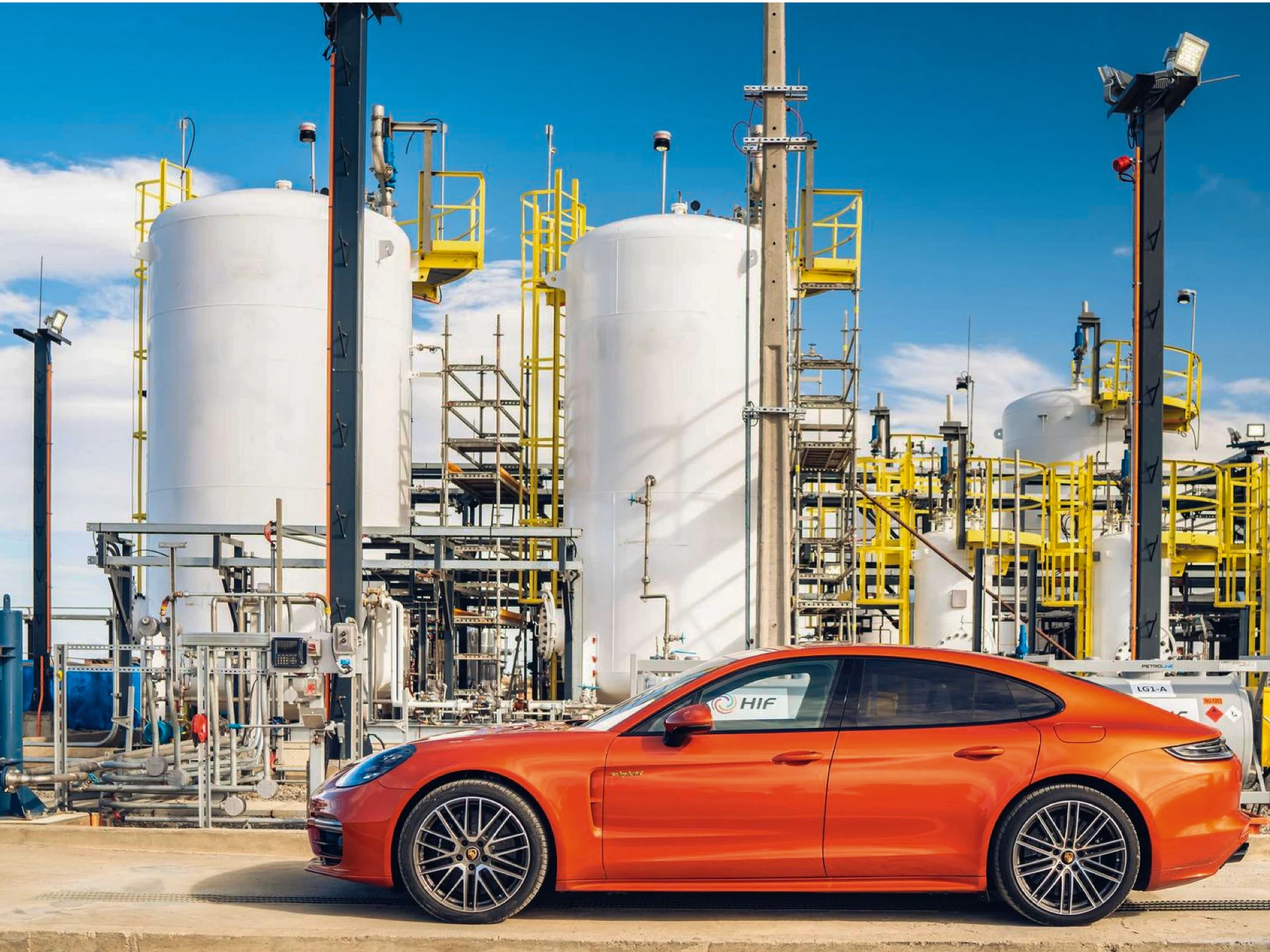
What Is Hydrogen Good For? – Industry, Energy, Transport
For decades, hydrogen has quietly kept heavy industry alive – now, through e-fuels and fuel cells, it is entering transport too.

The Paving-Everything Mania vs. the Sponge City
In these drought years, water retention has become a hot topic, but the discussion usually focuses only on the consequences of river regulation. Yet we also build our cities so that as little rain as possible can soak into the ground – which has local consequences too, such as heat stress.

Explaining the Spring Drought
By the book, it should rain in spring, if only for the sake of farming – as the saying goes, rain in May is worth its weight in gold. But it does not rain. What lies behind this? Why is the lack of spring rain in Central Europe no coincidence?
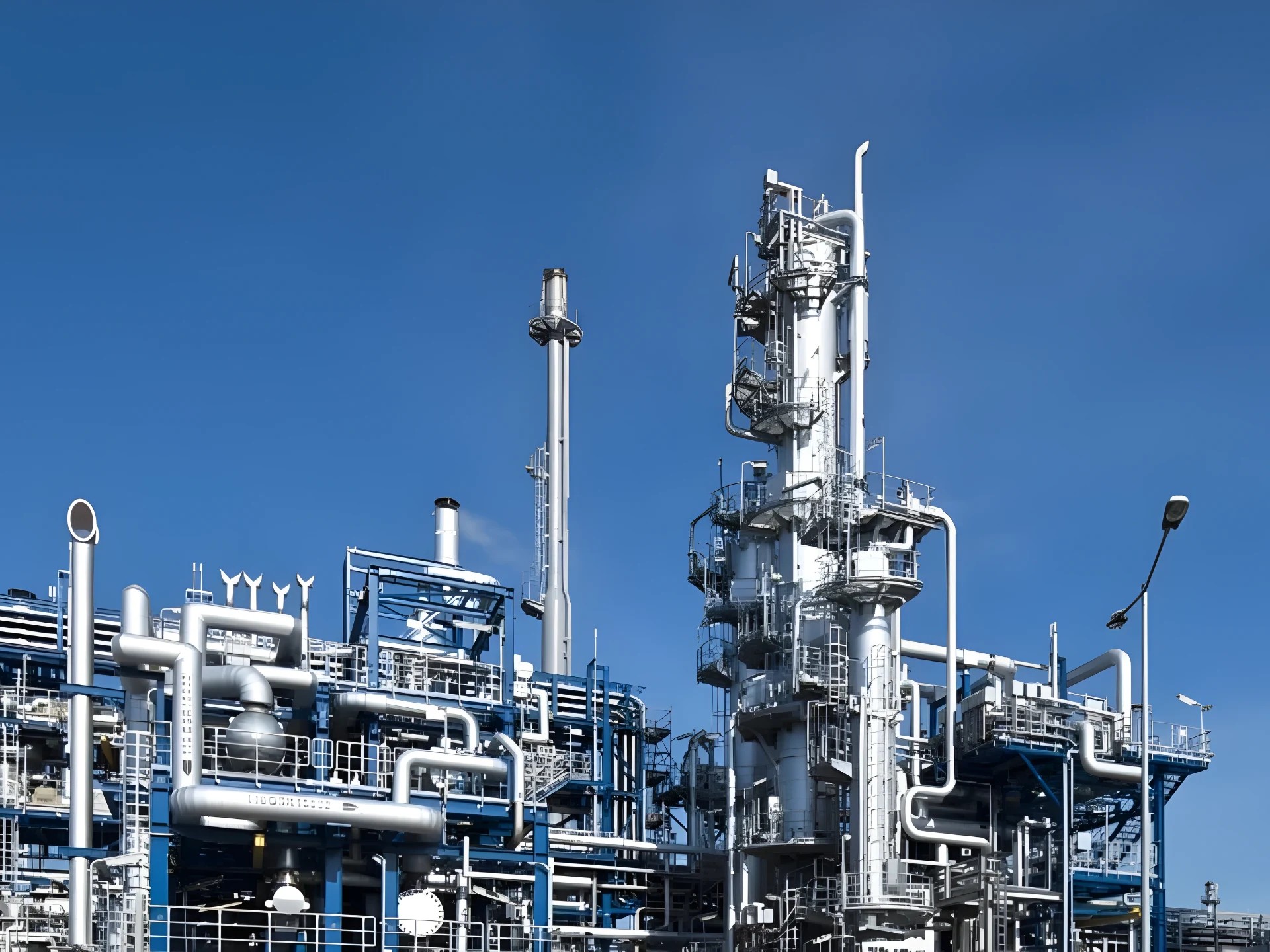
How Is Hydrogen Made?
Steam methane reforming and coal gasification, then electrolysis in three ways – production methods differ widely in efficiency, CO₂ footprint and price per kilogram.
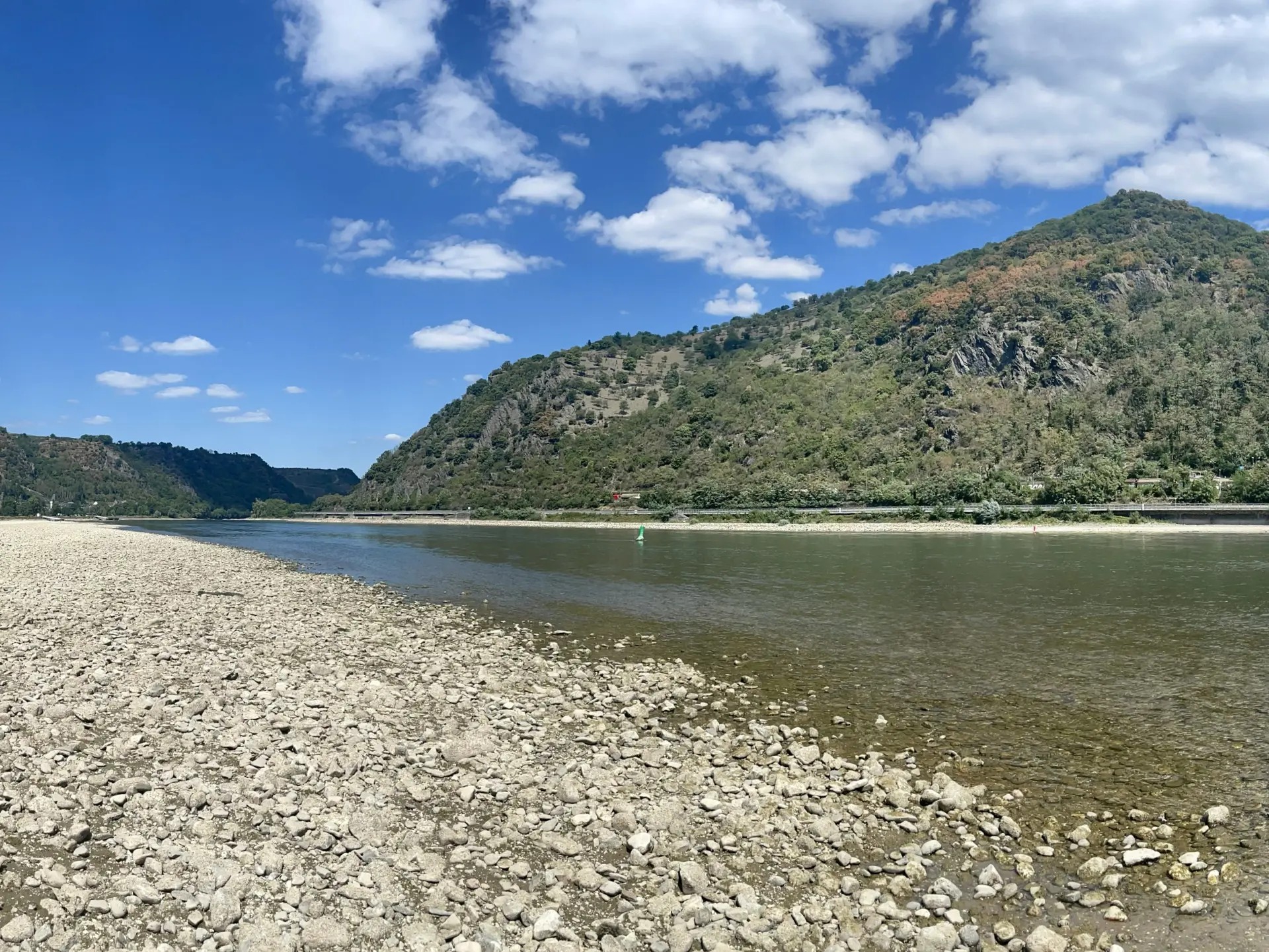
The Drying Continent
Data, causes and consequences from Central, Eastern and Southern Europe – the true face of a drying continent.

China's Water Industry Boom, Up Close
Zsolt Eszes, CEO of Water4All, visited IE expo 2026 in Shanghai, China's second-largest water industry trade fair, with his colleagues. We asked him about his experiences.
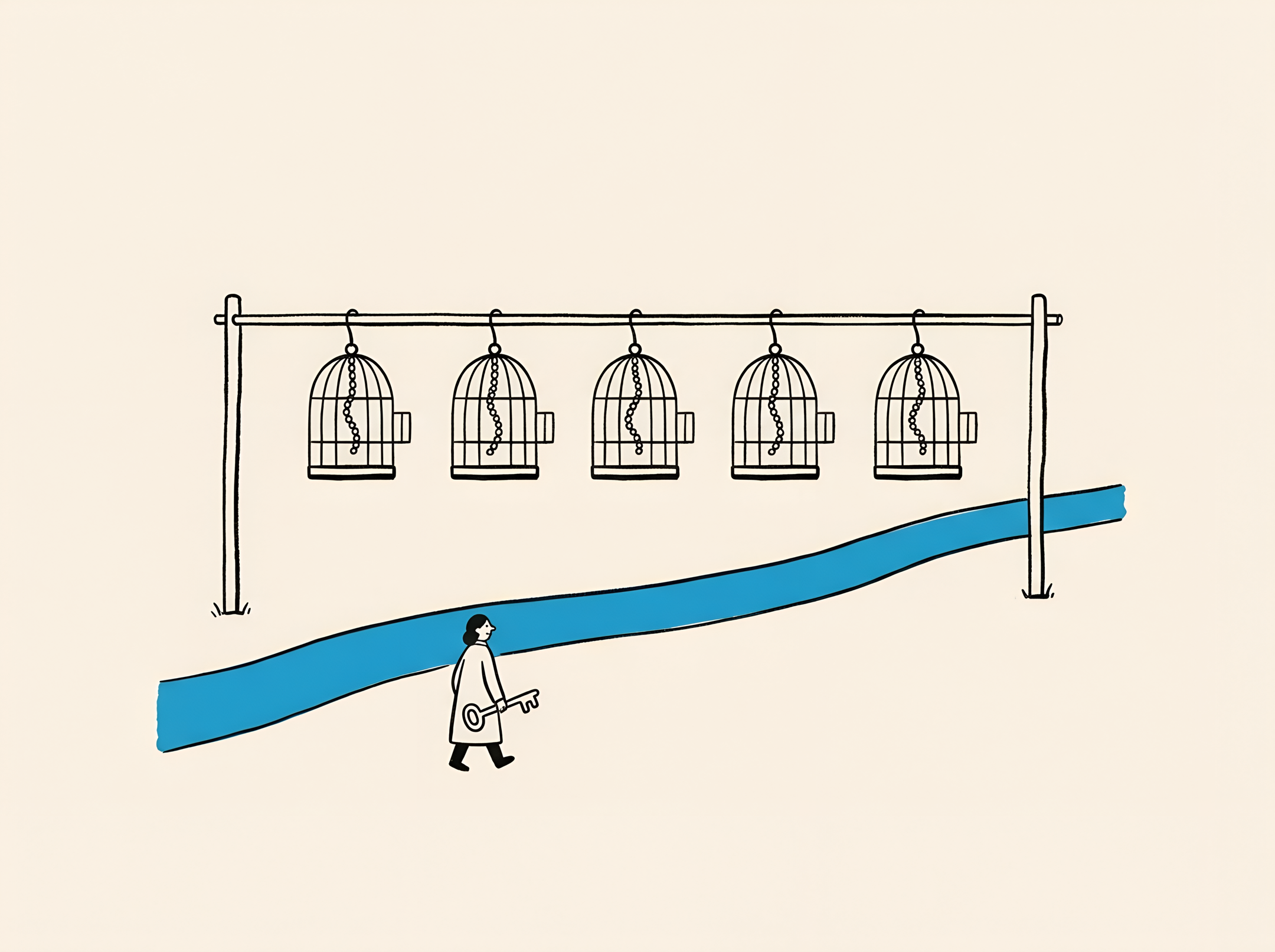
Nano-Cages Against Forever Chemicals
Australian researchers have developed a reusable adsorbent made of nanoscale molecular cages that removes up to 98% of PFAS pollutants from water – including the hardest-to-treat short-chain variants.