Archive
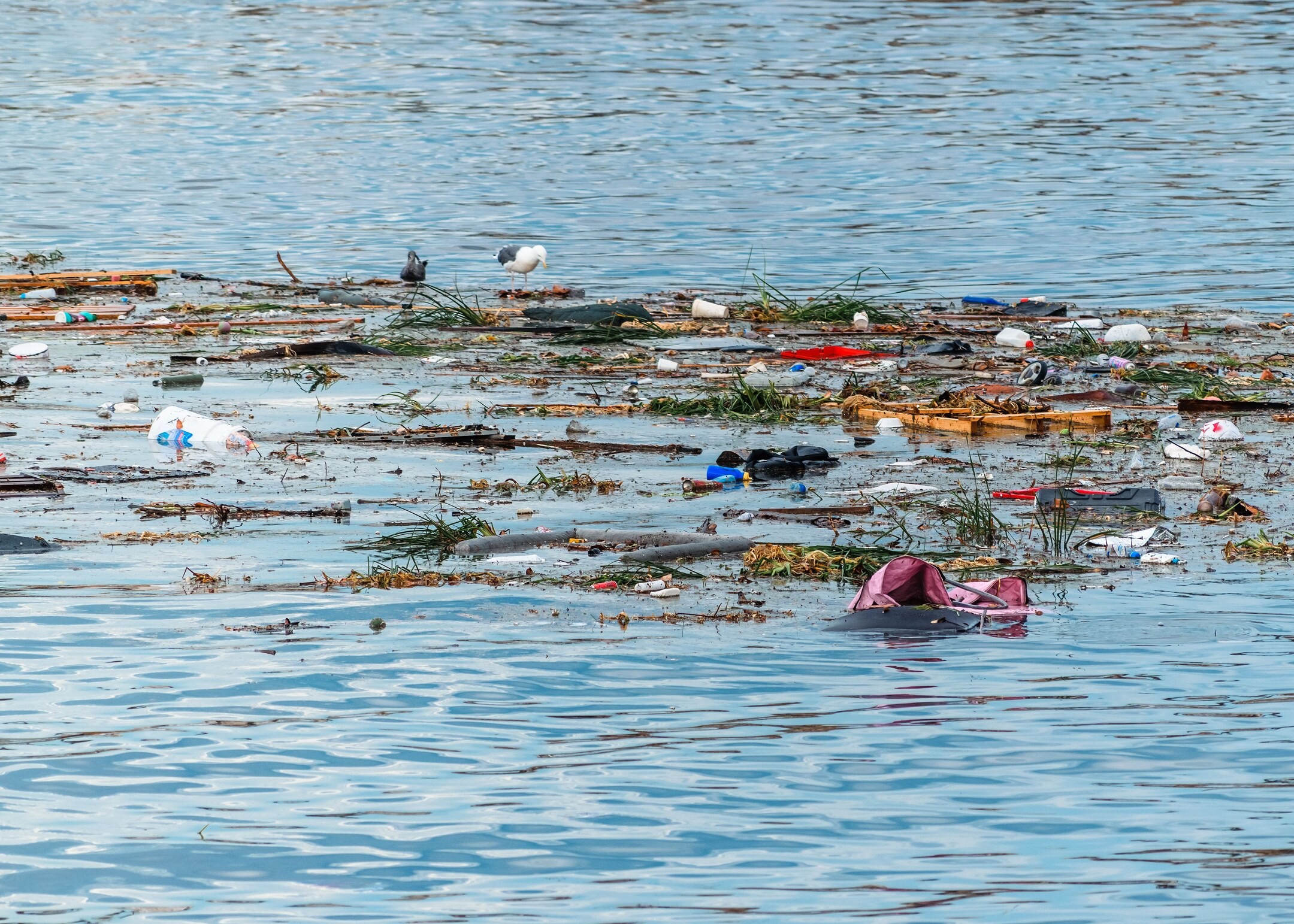
Microplastics in Water Are Not Chemically Inert

A new study finds that common microplastics spontaneously generate reactive oxygen species in water, a possible mechanism for harm that does not depend on the pollutants they carry.

Germany Plans Green Gas Quota for Home Heating
Berlin wants gas and heating oil suppliers to sell a rising share of renewable fuels to households from 2028, but biomethane producers say the draft design favours hydrogen.

The New W4 Magazine Is Here
W4 relaunches with a new website, an English edition, dedicated series pages and a separate professional hub – the same coverage, with far better tools for reading and finding it.
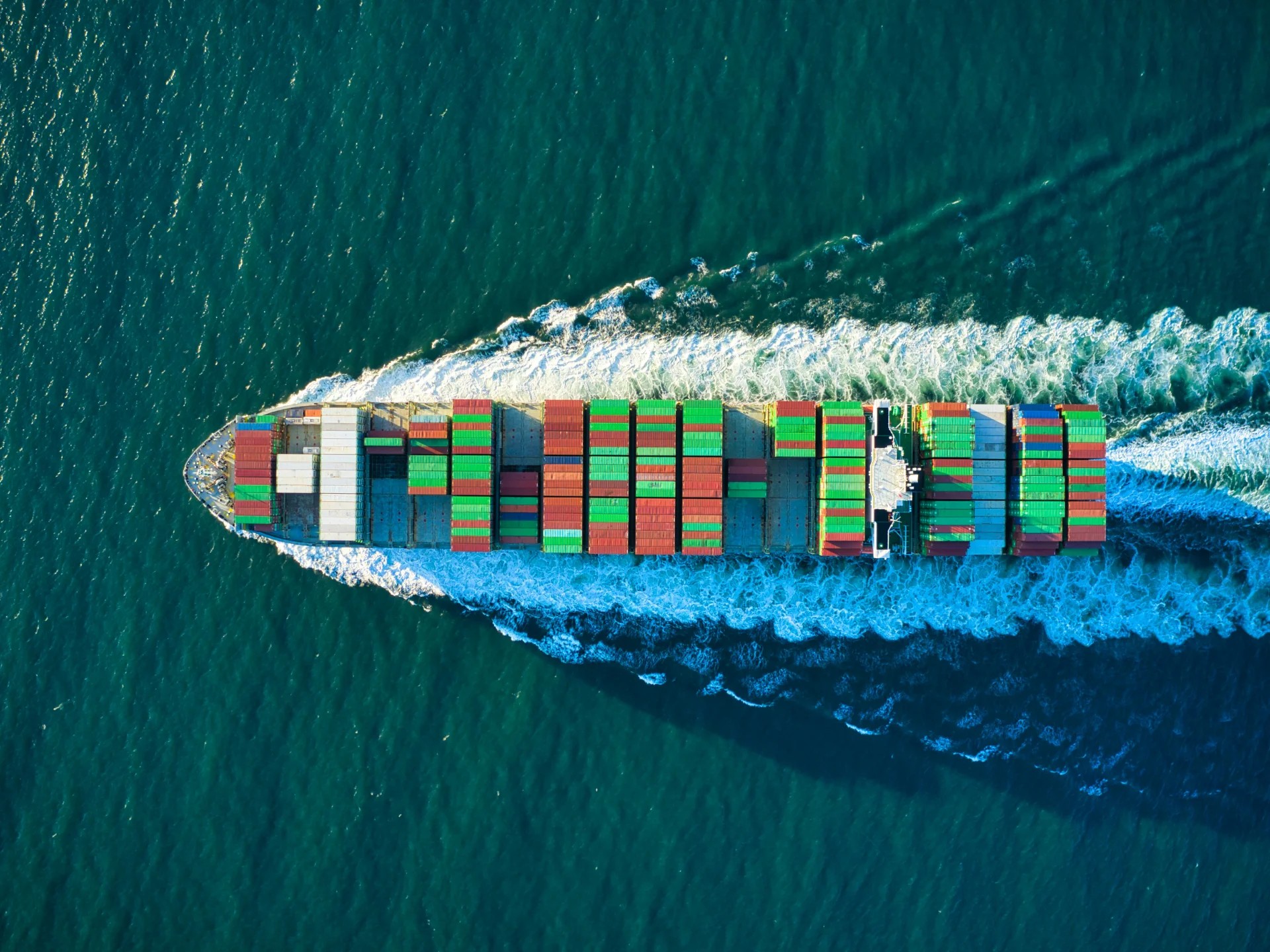
Biomethane Could Cover Shipping's 2030 Climate Target
A new analysis finds that global biomethane production could in theory cover much of international shipping's early decarbonisation energy demand, but regulatory details may decide whether it actually reaches the seas.

The Decade of Fusion Energy Begins
As Wisconsin plans its first fusion power plant, America, Europe and China are racing at the same time to tame limitless energy.

Saudi–Syrian Water Agreement to Help Rebuild Syria
A consortium of ACWA Power and WTCO, together with Syria's Ministry of Energy and Fichtner, will assess the country's water resources to lay the groundwork for a desalination programme of up to 1.2 million cubic metres a day.
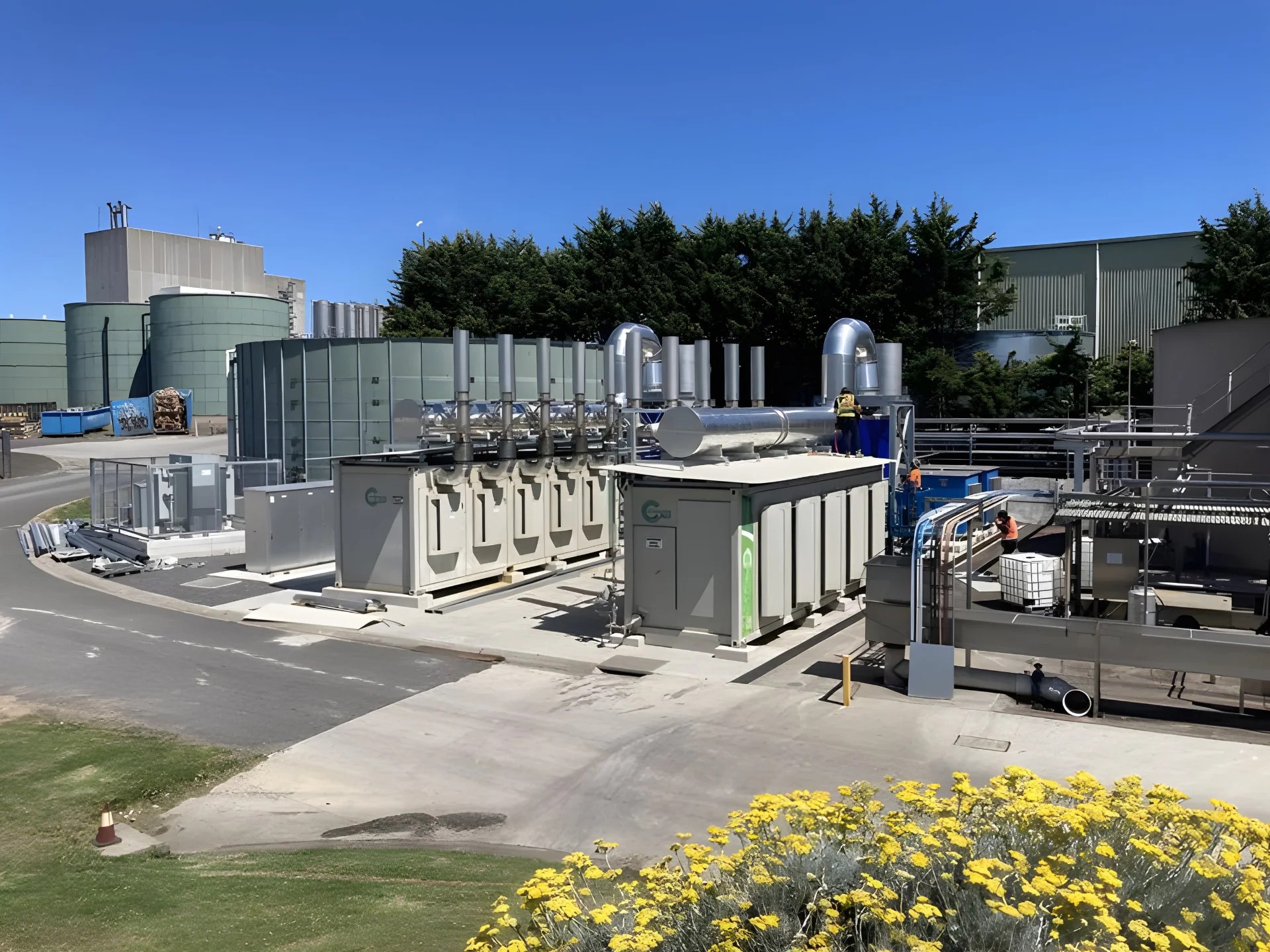
Australia's $15 Billion Bioenergy Plan
According to the new national feedstock strategy, the country's dependence on fuel imports could fall by as much as 40% by 2050, while creating a new source of income for agribusinesses.
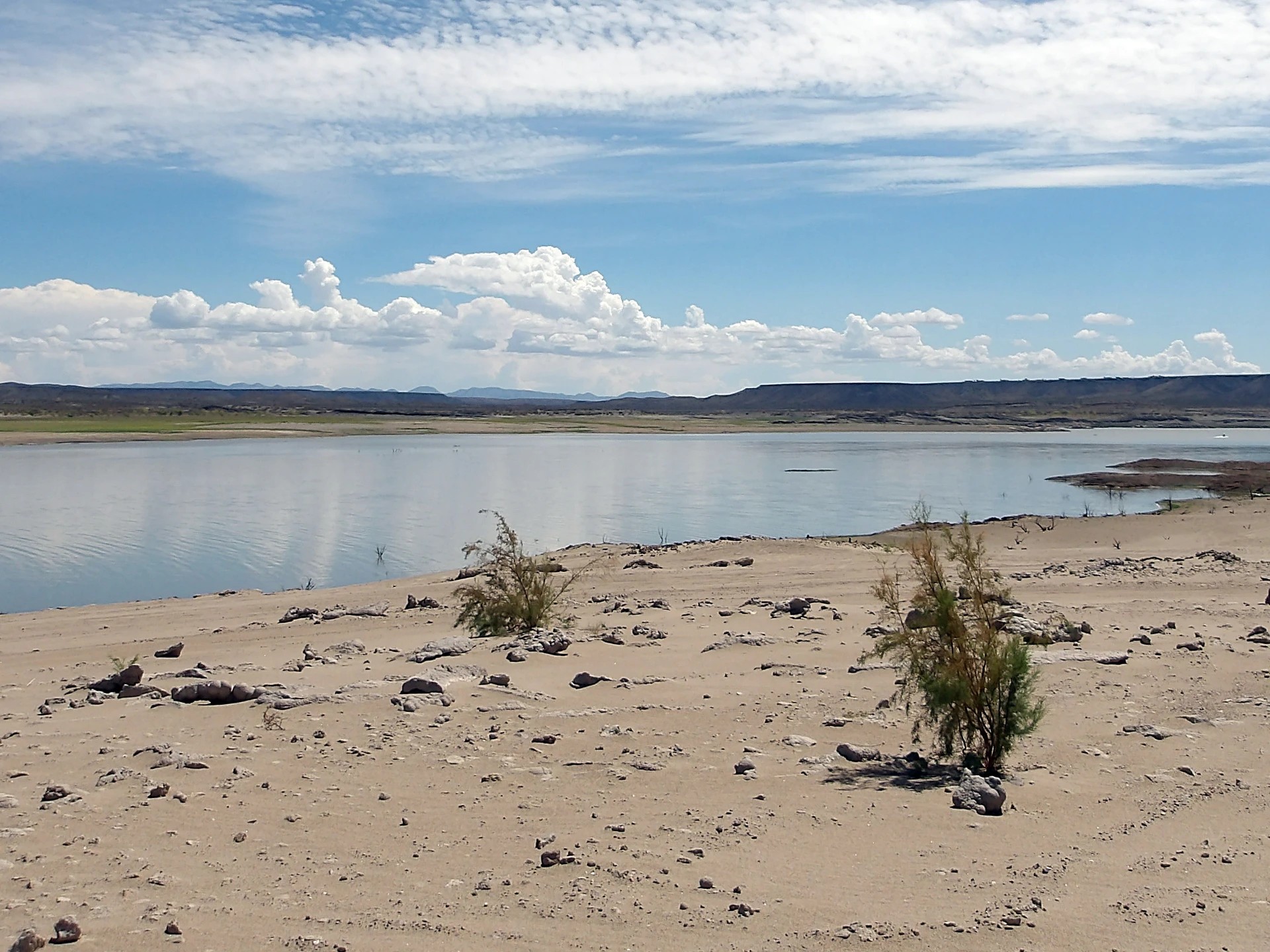
Elephant Butte Reservoir at a Historic Low
According to NASA satellite images, the water level of Elephant Butte Reservoir fell to just 1.4% in July 2026, the lowest in half a century, further worsening water shortages along the Rio Grande in New Mexico and Texas.
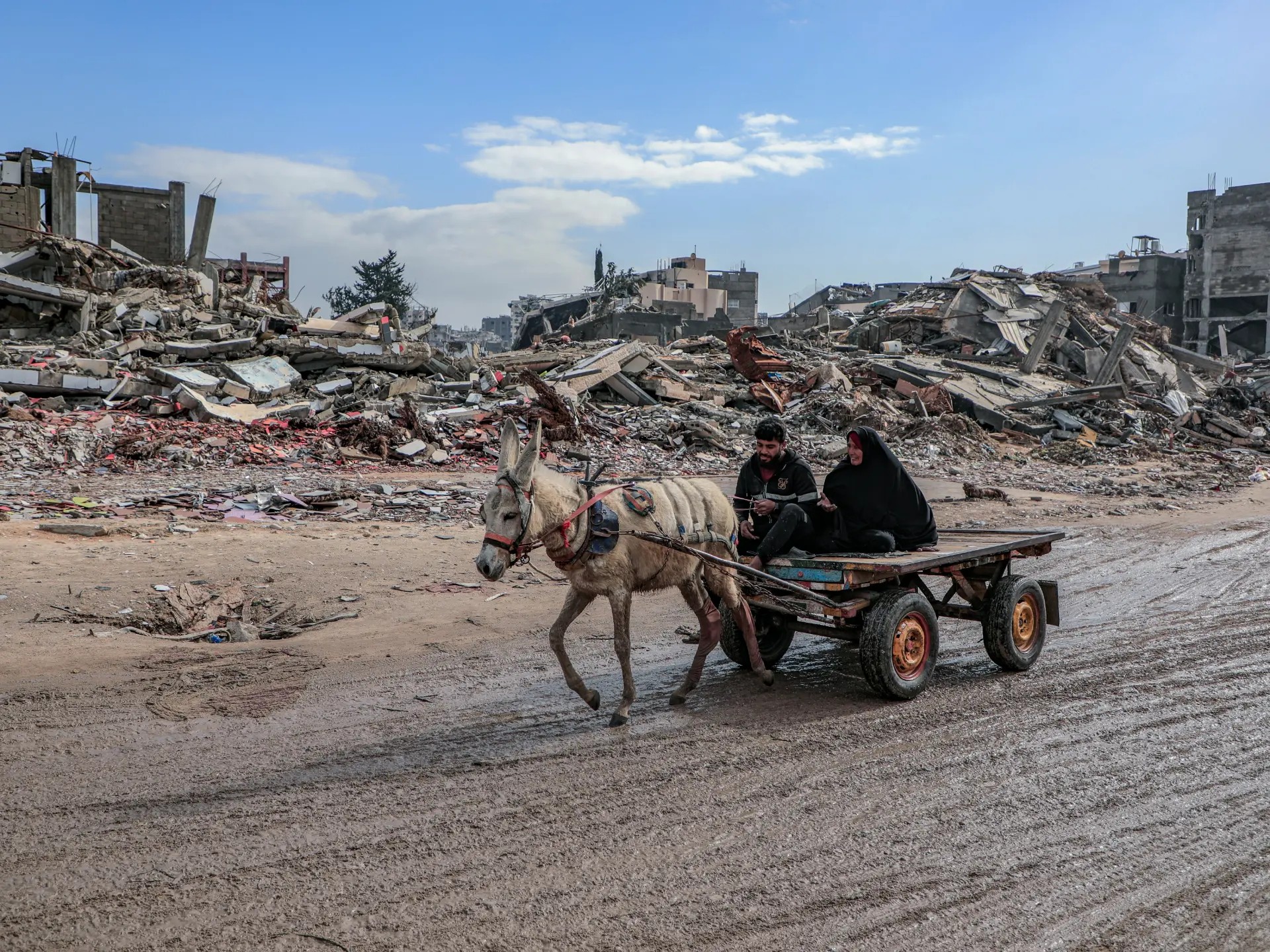
A Record Number of Water Conflicts Are Hitting the World
According to new data presented at Stockholm's World Water Week, water is increasingly becoming a weapon of war, from Gaza and Sudan to Ukraine.

Billion-Dollar Biogas Potential in Indonesia's Palm Oil Waste
In theory, 3.6 billion cubic metres of biogas could be recovered from the 125 million tonnes of effluent the Indonesian palm oil industry produces each year, but only 15% of it is currently used because of regulatory gaps.