Professional articles
In-depth analysis, technology comparisons and interviews.
Professional content is free to read with a W4 account.Create an accountSign in
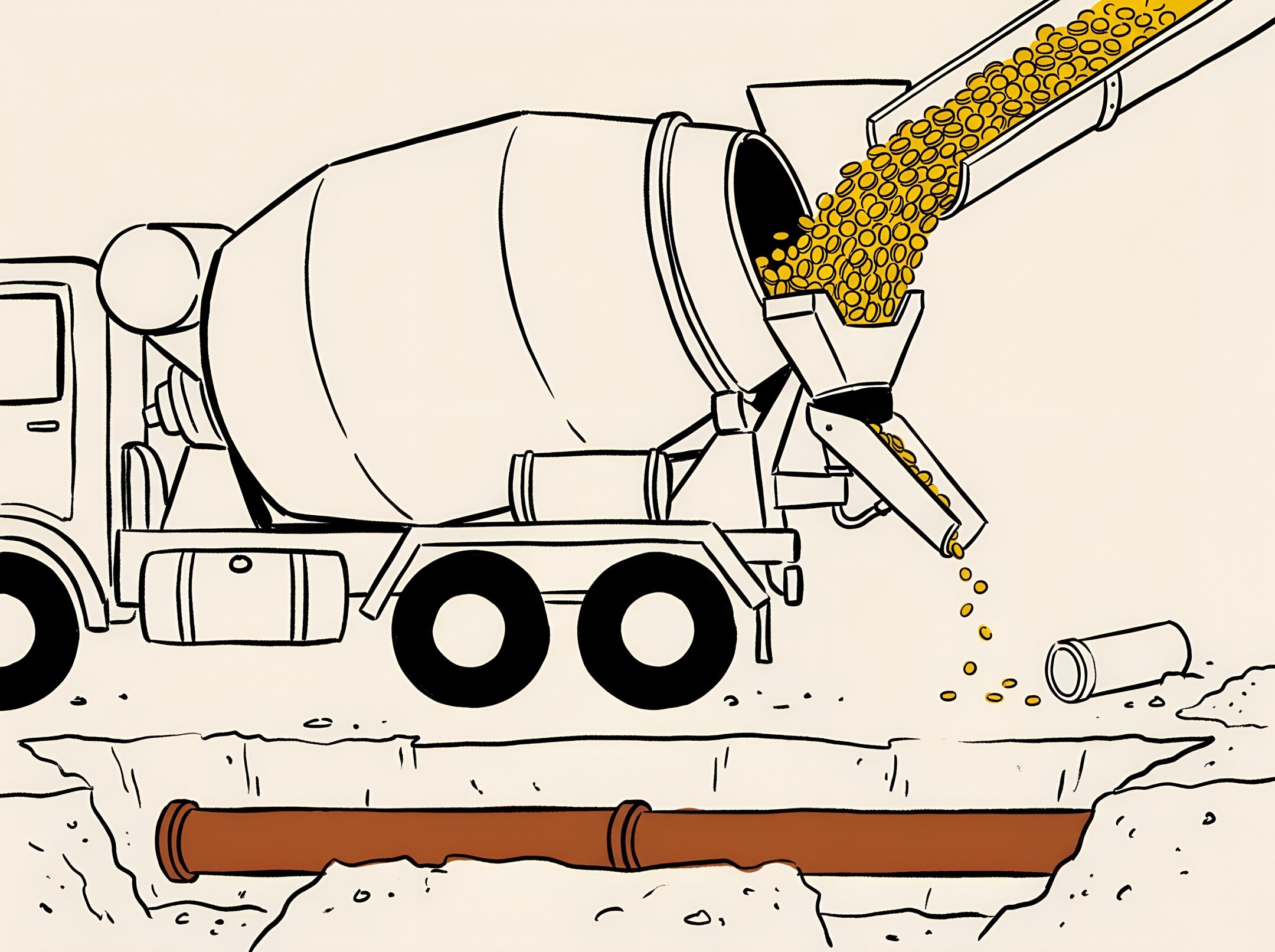

Europe's water utilities are investing 16% more than a year ago, but EurEau's latest figures show that construction inflation absorbed most of the increase and that pipe renewal has not sped up.
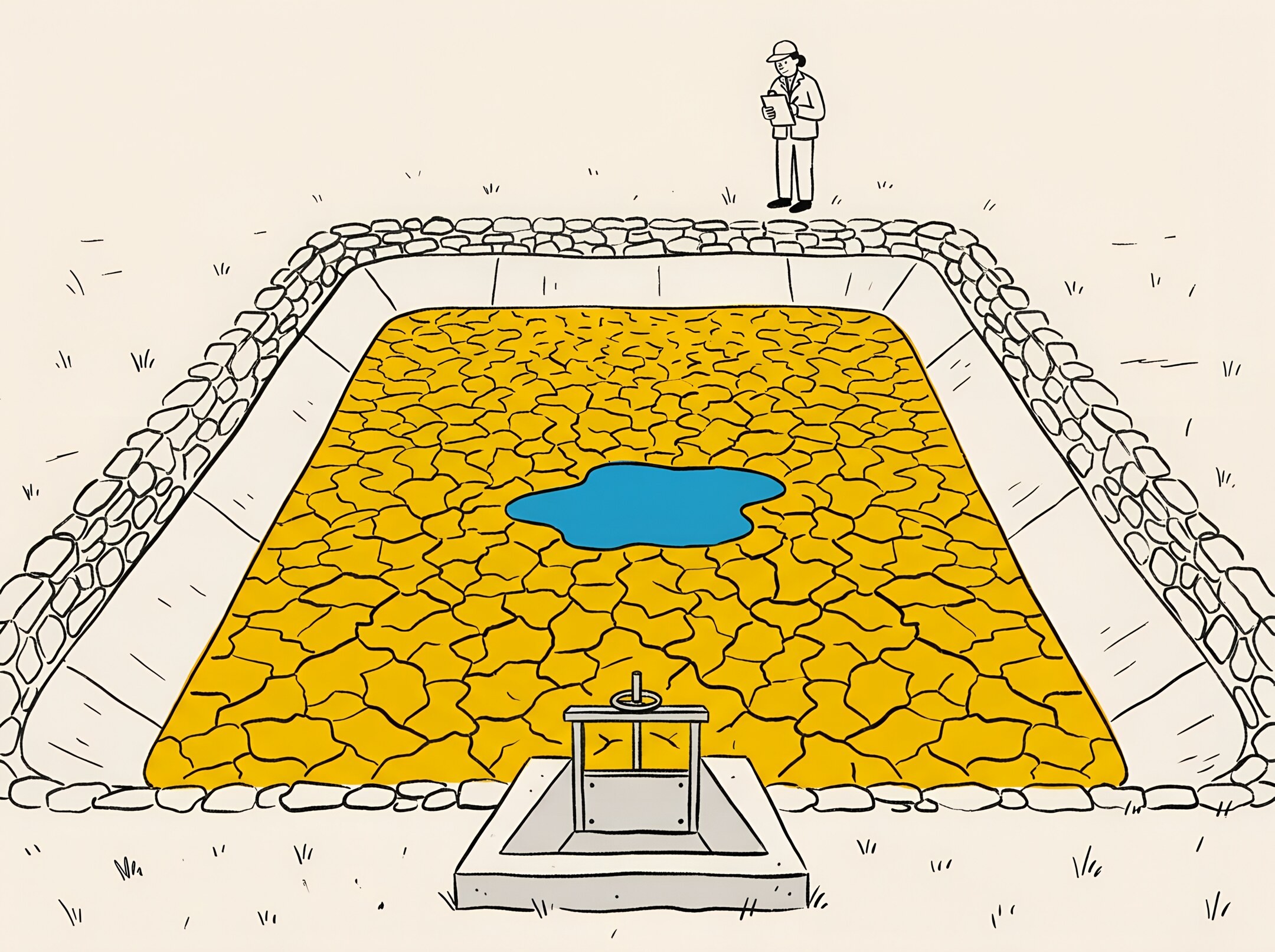

The Czech agriculture ministry can list pipelines, ponds and hectares after nine years of drought spending, but in the worst groundwater summer in decades it cannot yet show what they changed.
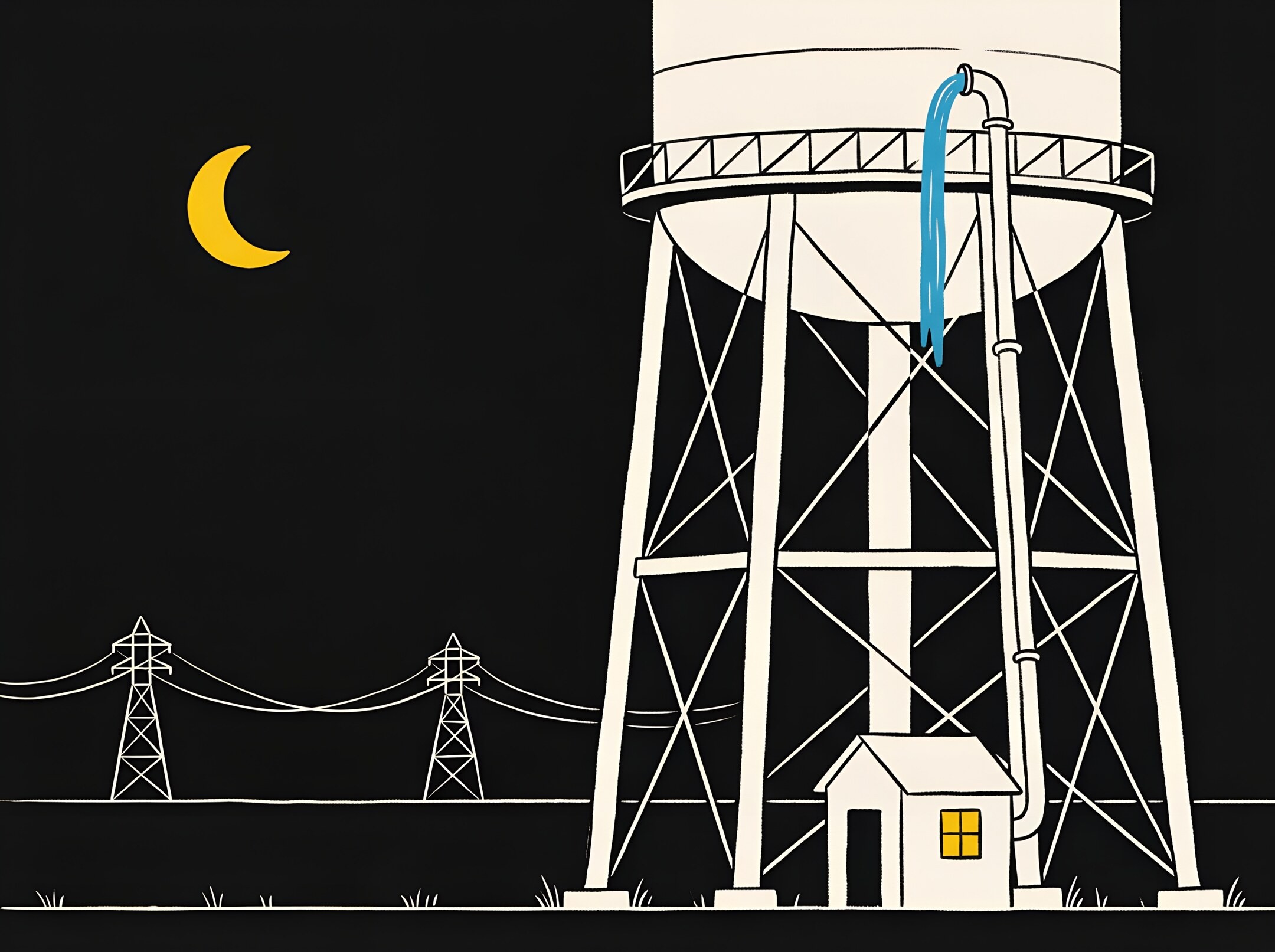
The Commission wants network tariffs to reward whoever can shift load away from the peak, and that makes pumping stations and aeration basins, which rarely feature in the debate, part of the argument.
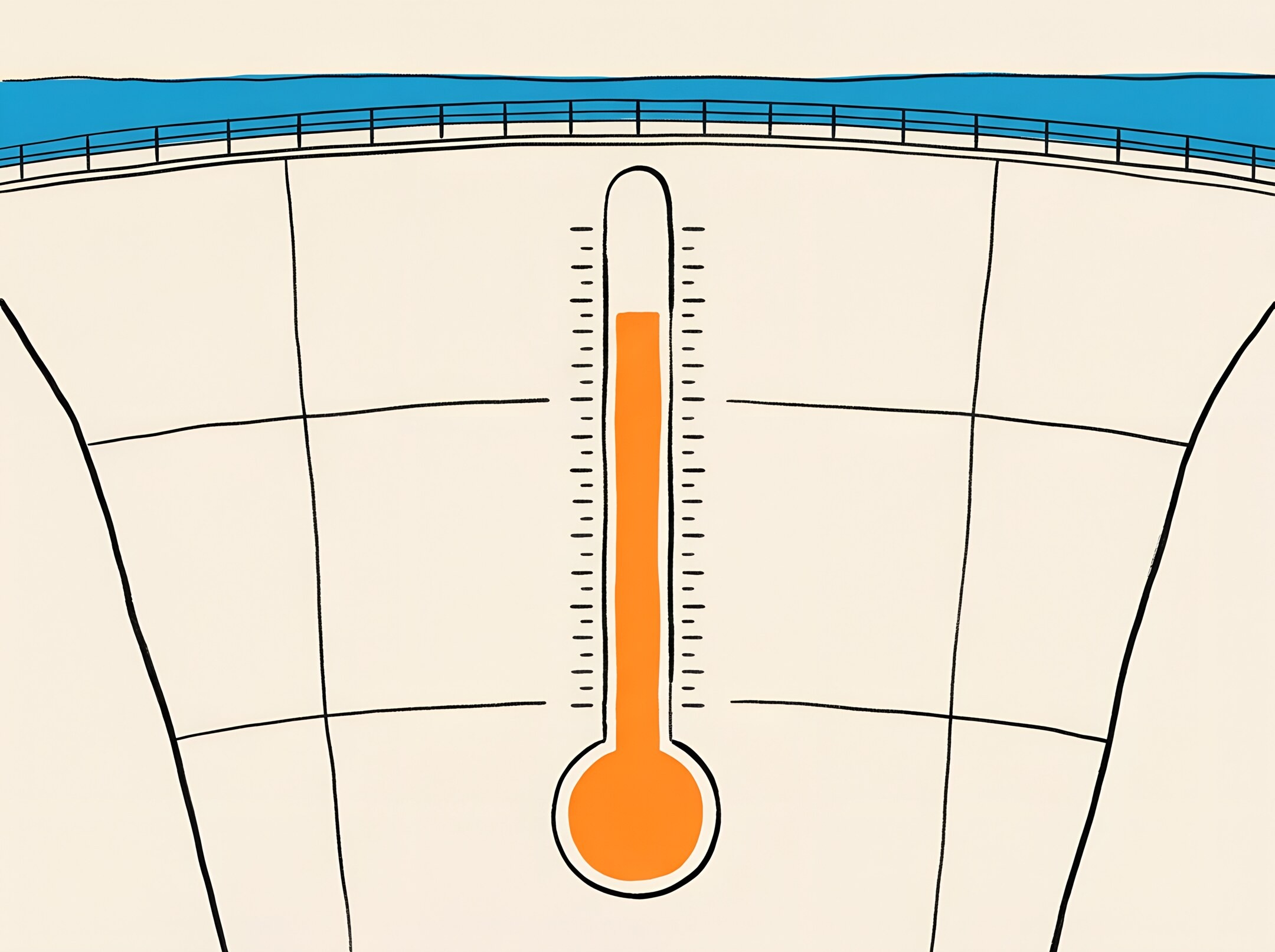
The Commission's proposed Climate Resilience Law would give every member state the same warming path to plan against, put water security in every national plan and set deadlines that collide with the next river basin cycle.
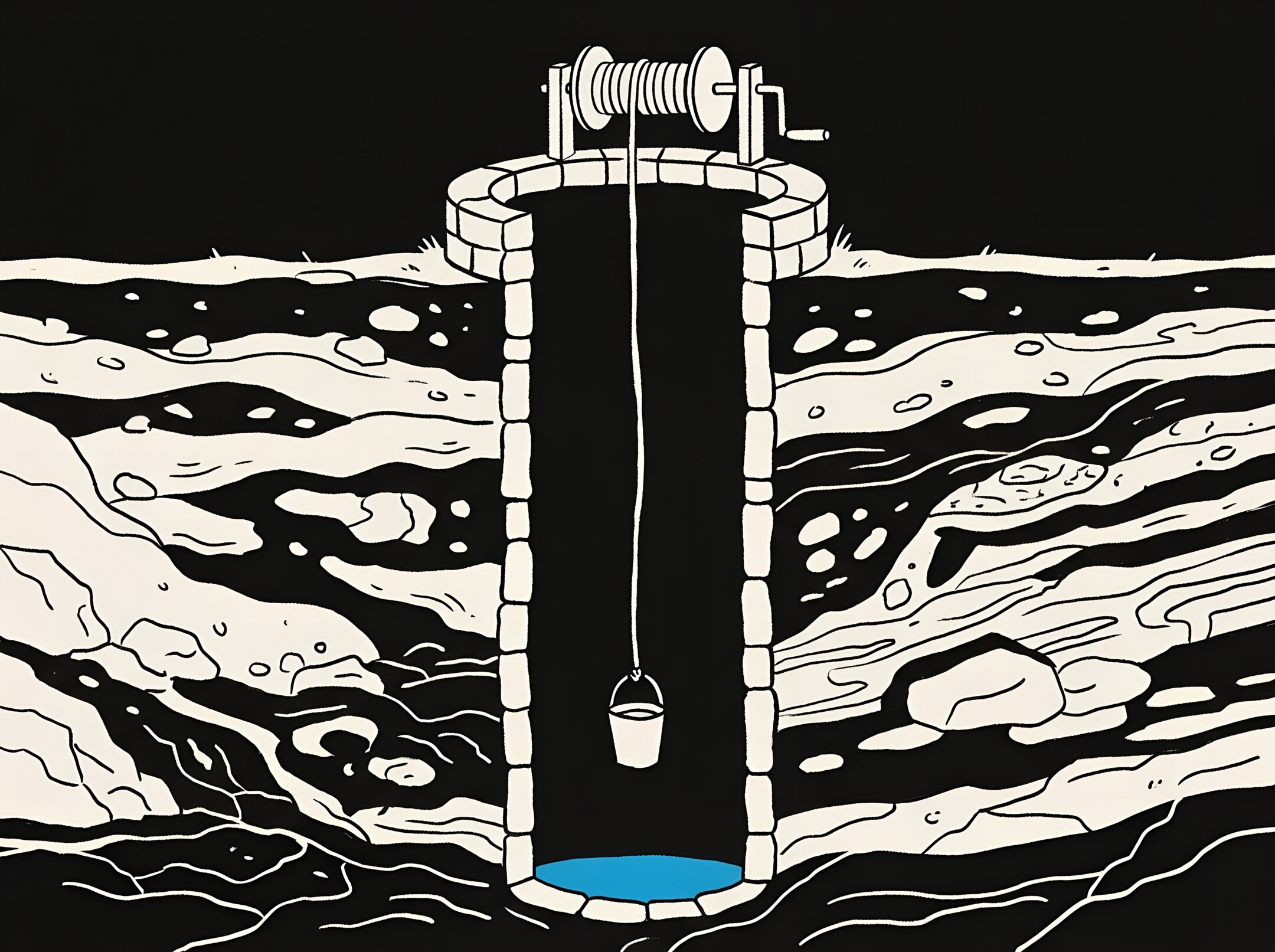
The World Meteorological Organization reports that river flows in 2025 were among the lowest in 35 years, with Central and Eastern Europe among the hardest-hit regions as groundwater declines year after year.
Drinking water in the United States has become 62% more expensive in ten years, while Eurostat shows Hungarian water prices did not move at all over the same period – two extremes that give two bad answers to the same question.
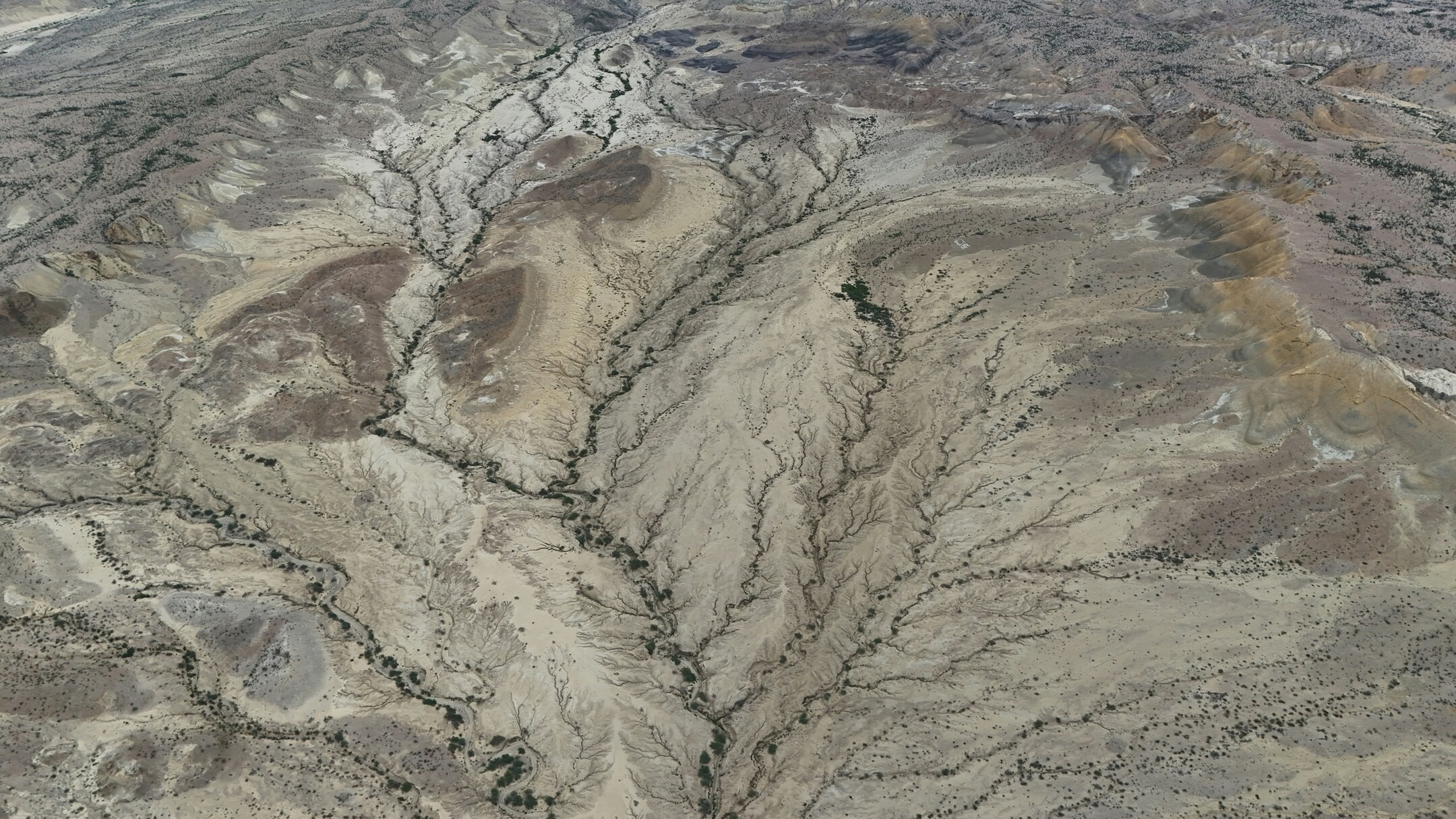
Streamflow records from 19,000 catchments show that a drying atmosphere does not translate evenly into river-flow deficits – a finding that argues for catchment-specific drought planning.
The Commission has promised a new water initiative to tackle leakage, while the Drinking Water Directive already sets a binding timetable for measuring and reducing network losses.
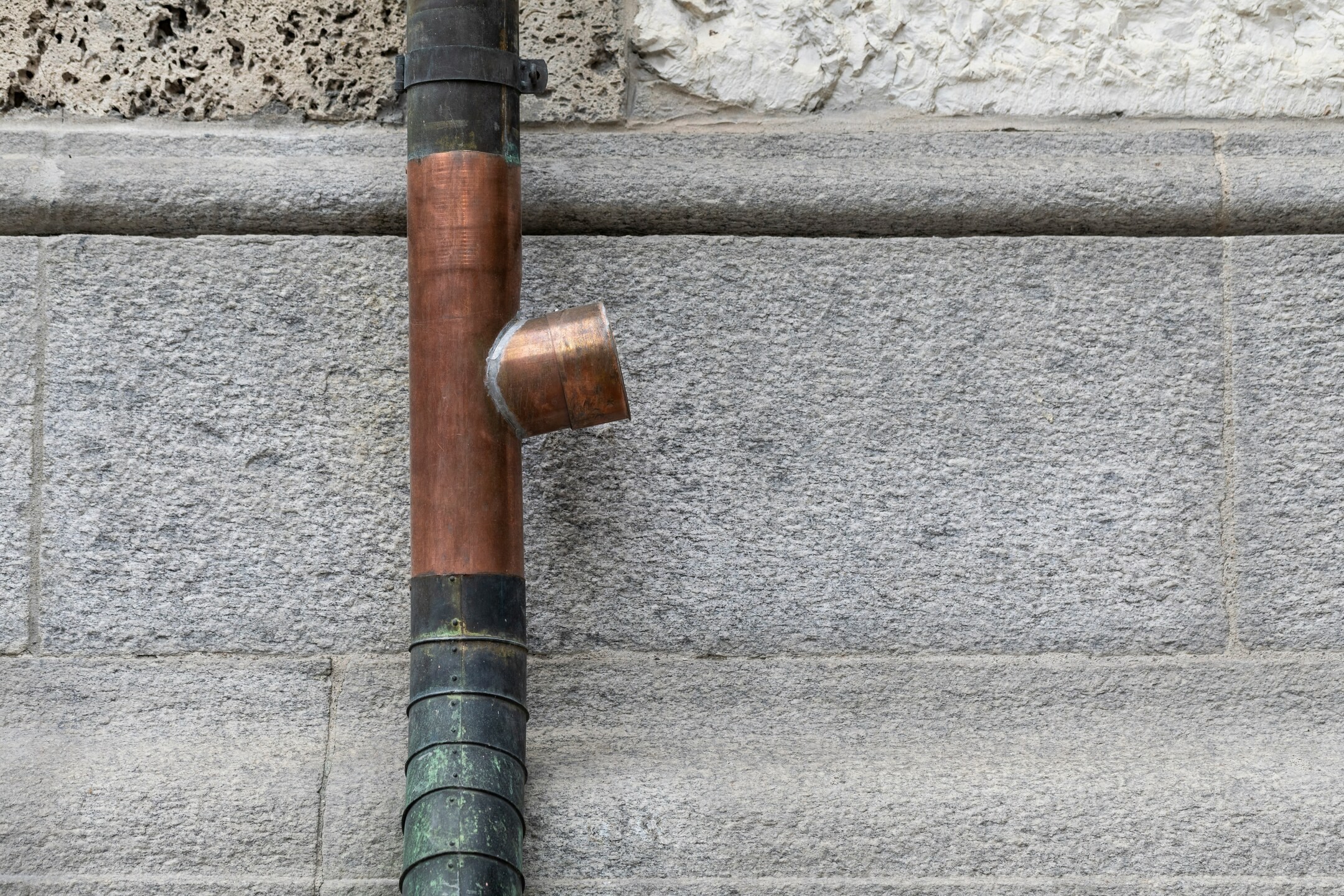
From 1 January 2027, harmonised EU hygiene requirements will apply to pipes, fittings and seals in contact with drinking water – yet a new survey suggests most manufacturers are not ready.
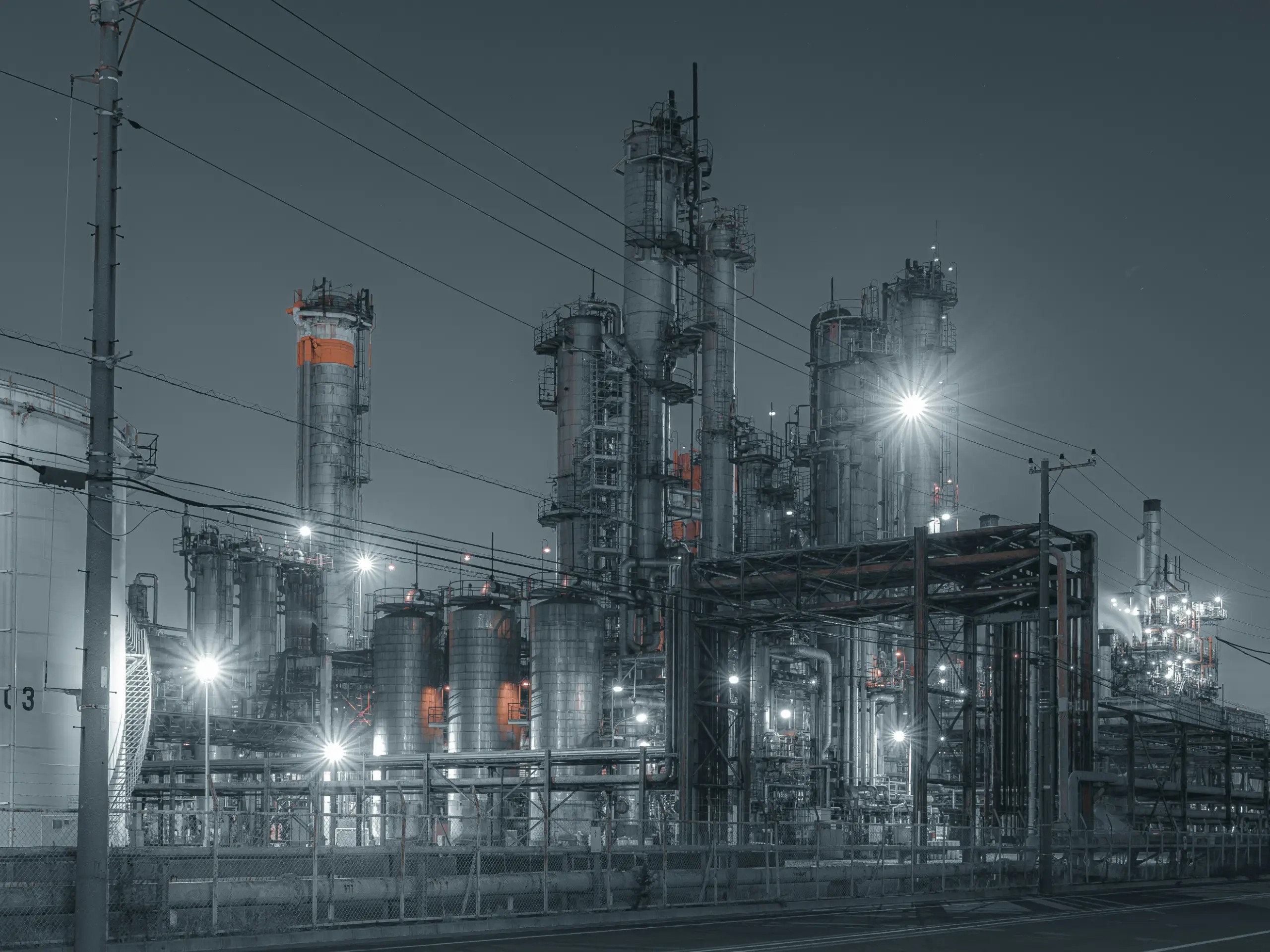
A new study commissioned by the European Commission puts a figure, for the first time, on the social and economic price Europe pays for PFAS pollution – and on the difference between acting and doing nothing.