Deep Dive
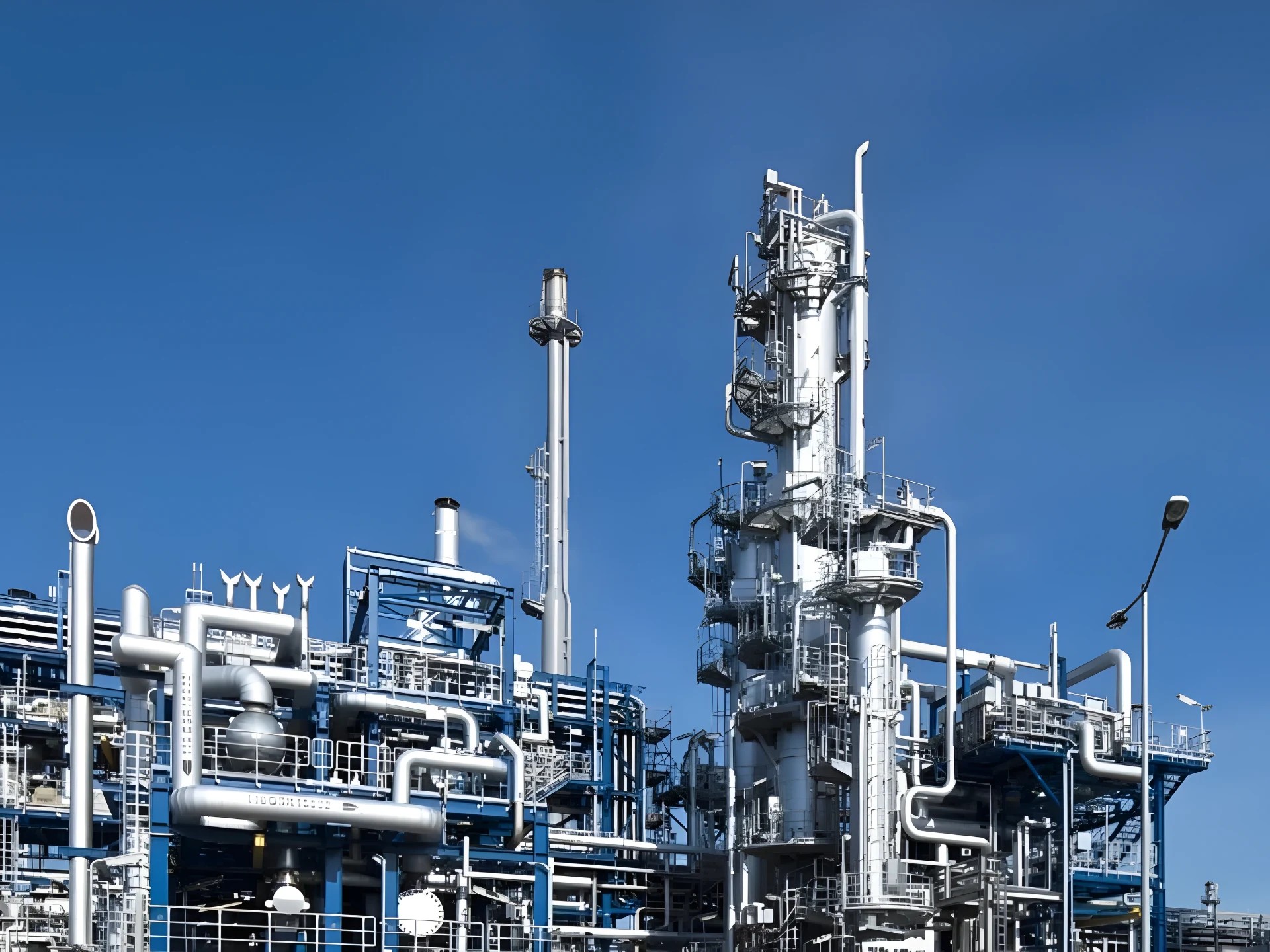
How Is Hydrogen Made?

Steam methane reforming and coal gasification, then electrolysis in three ways – production methods differ widely in efficiency, CO₂ footprint and price per kilogram.

The Age of Hydrogen – Why Now?
We have talked about the Earth's lightest element as a potential energy carrier for decades – for the first time, it looks as if the hope is coming true.
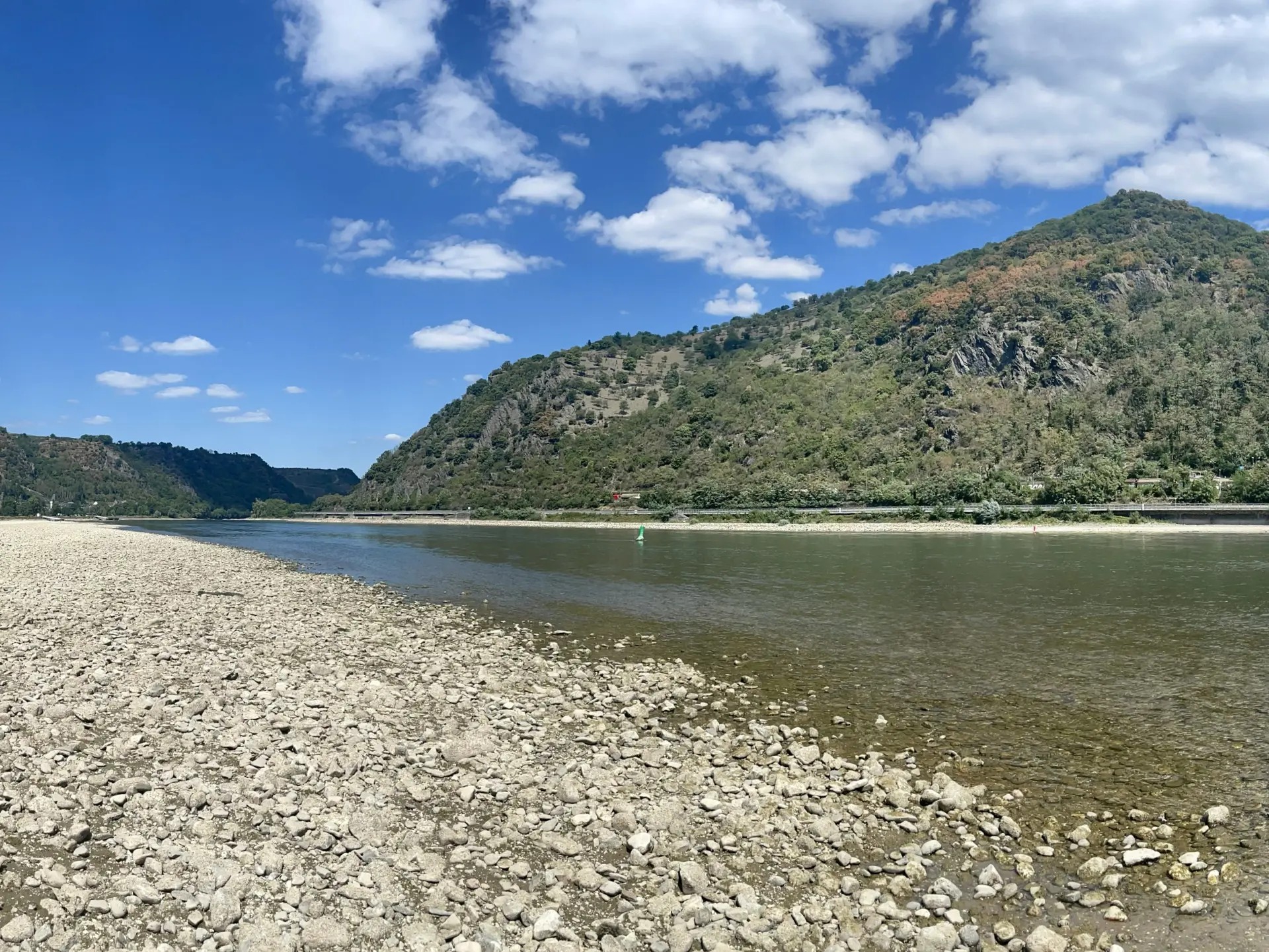
The Drying Continent
Data, causes and consequences from Central, Eastern and Southern Europe – the true face of a drying continent.
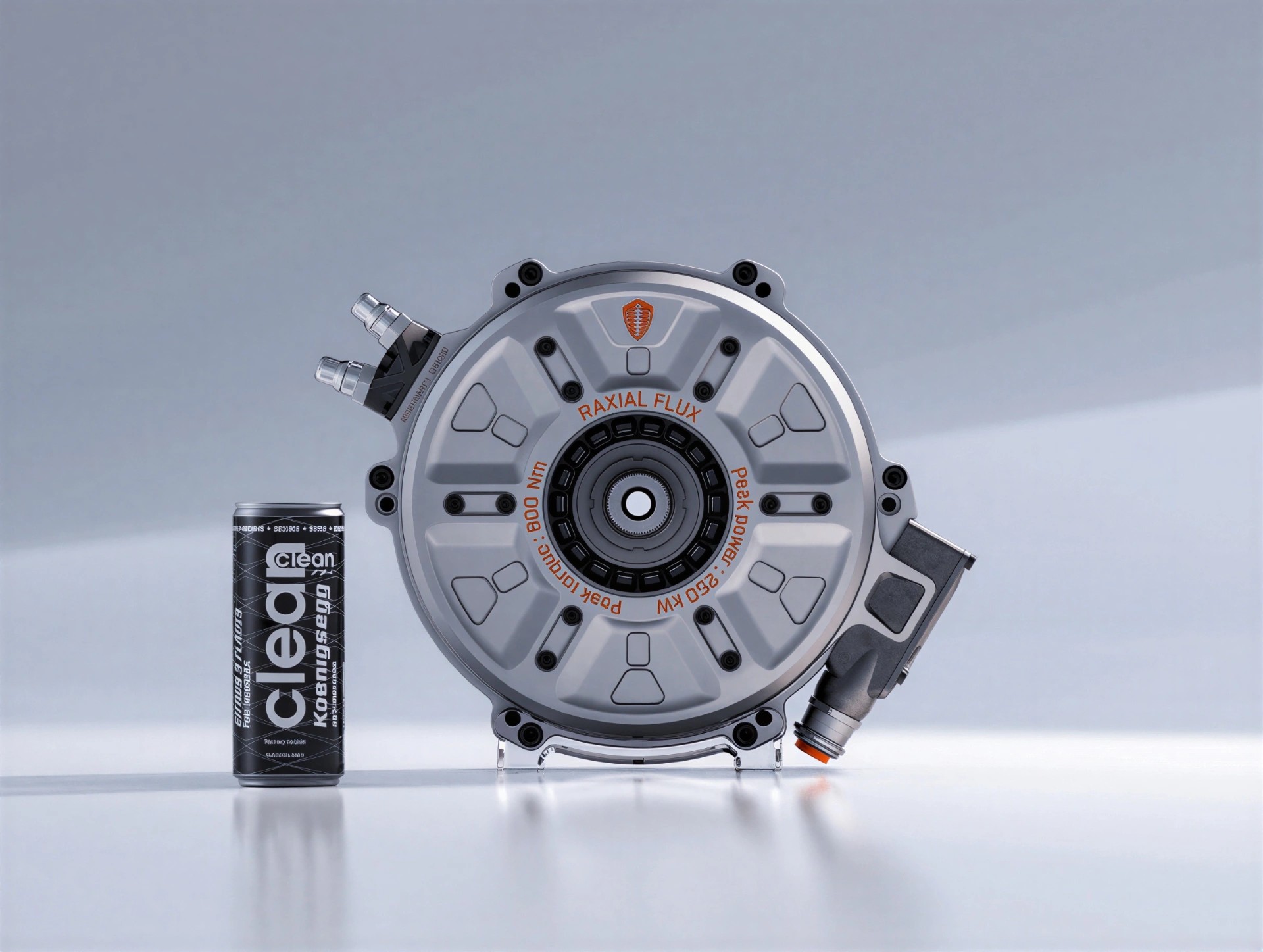
The New Age of the Electric Motor
The electric motor was not invented yesterday – but it has never been reinvented as radically as now: rethinking magnetic flux, the dual-rotor principle and the rare earth question are together rewriting the future of electric propulsion.
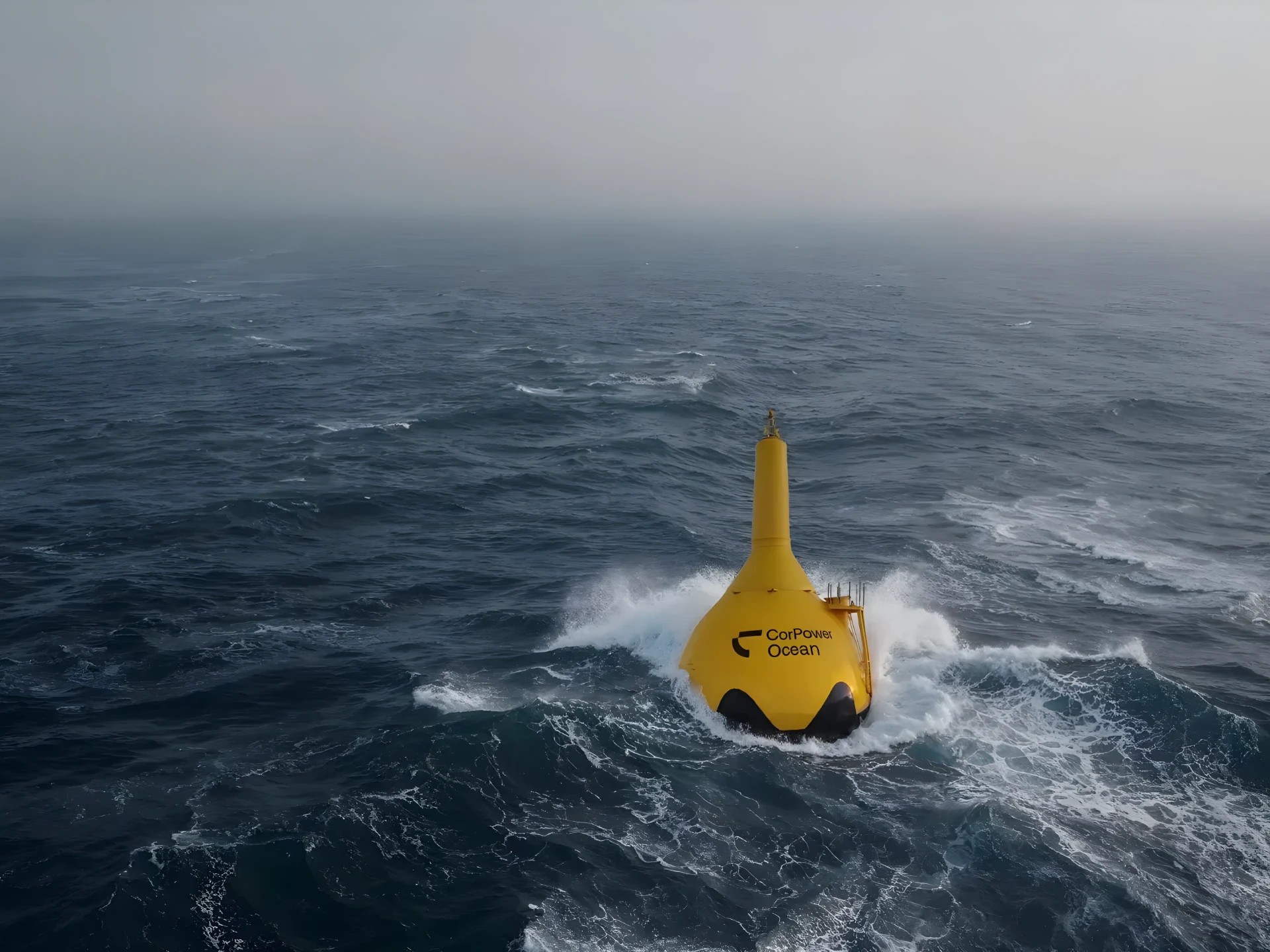
The Ocean's Hidden Energies
While offshore wind is already a proven industrial reality, two emerging technologies – wave energy and tidal stream energy – are just now moving from the laboratory to the open sea.
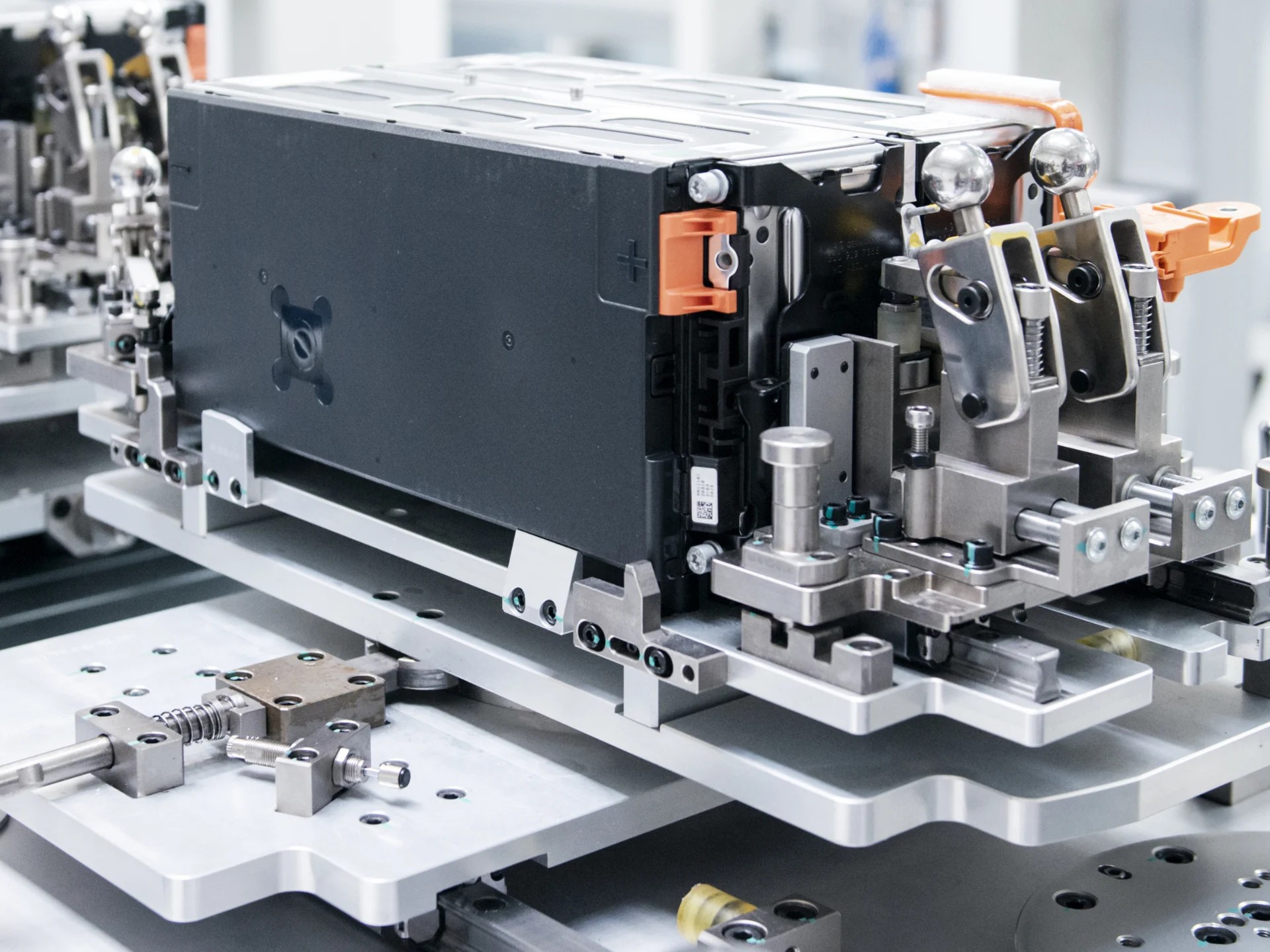
Fifty Years of the Battery – and What Comes Next
From the lithium-ion revolution to solid-state batteries: where does energy storage technology stand today, and where is it heading in the next decade?
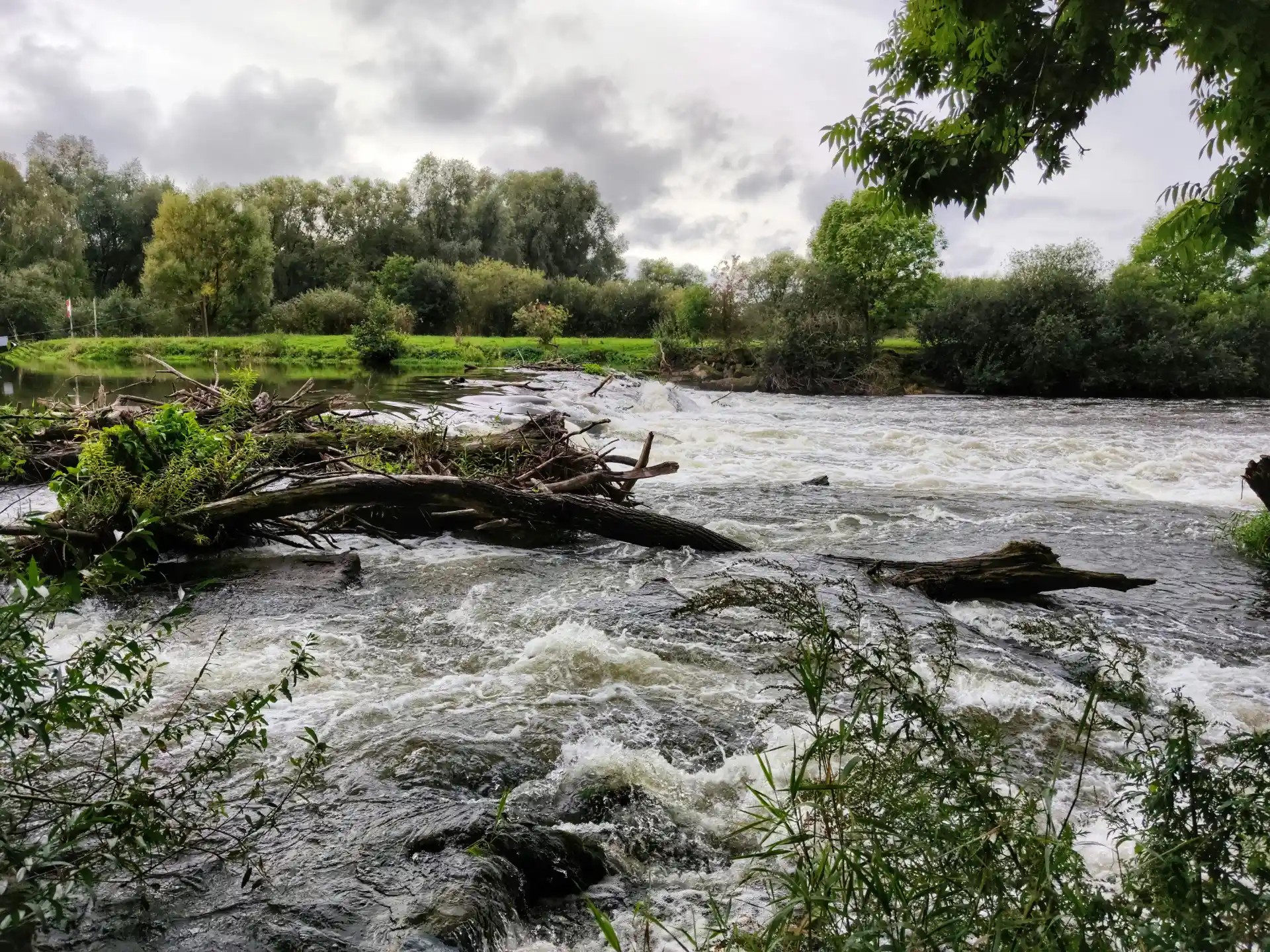
Europe's Managed Retreat
A new analysis shows that managed retreat is more common in Europe than previously thought, but most projects remain small, reactive and disconnected from wider climate adaptation strategies.
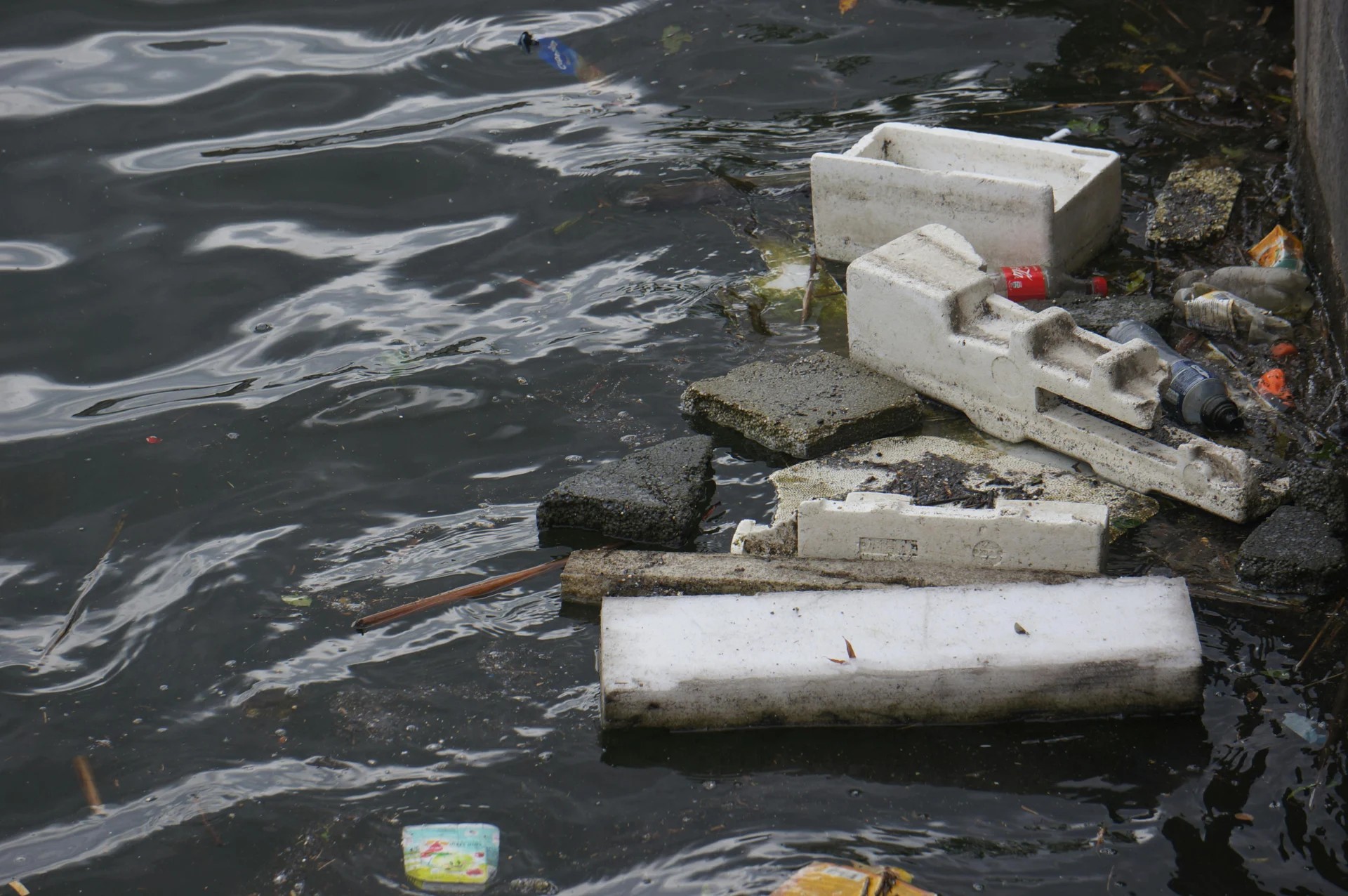
Microplastics in Wastewater – Poison Accumulating in Sewage Sludge
Wastewater is one of the most important collection points for microplastics. In conventional wastewater treatment, 80–99% of microplastics end up in sewage sludge.
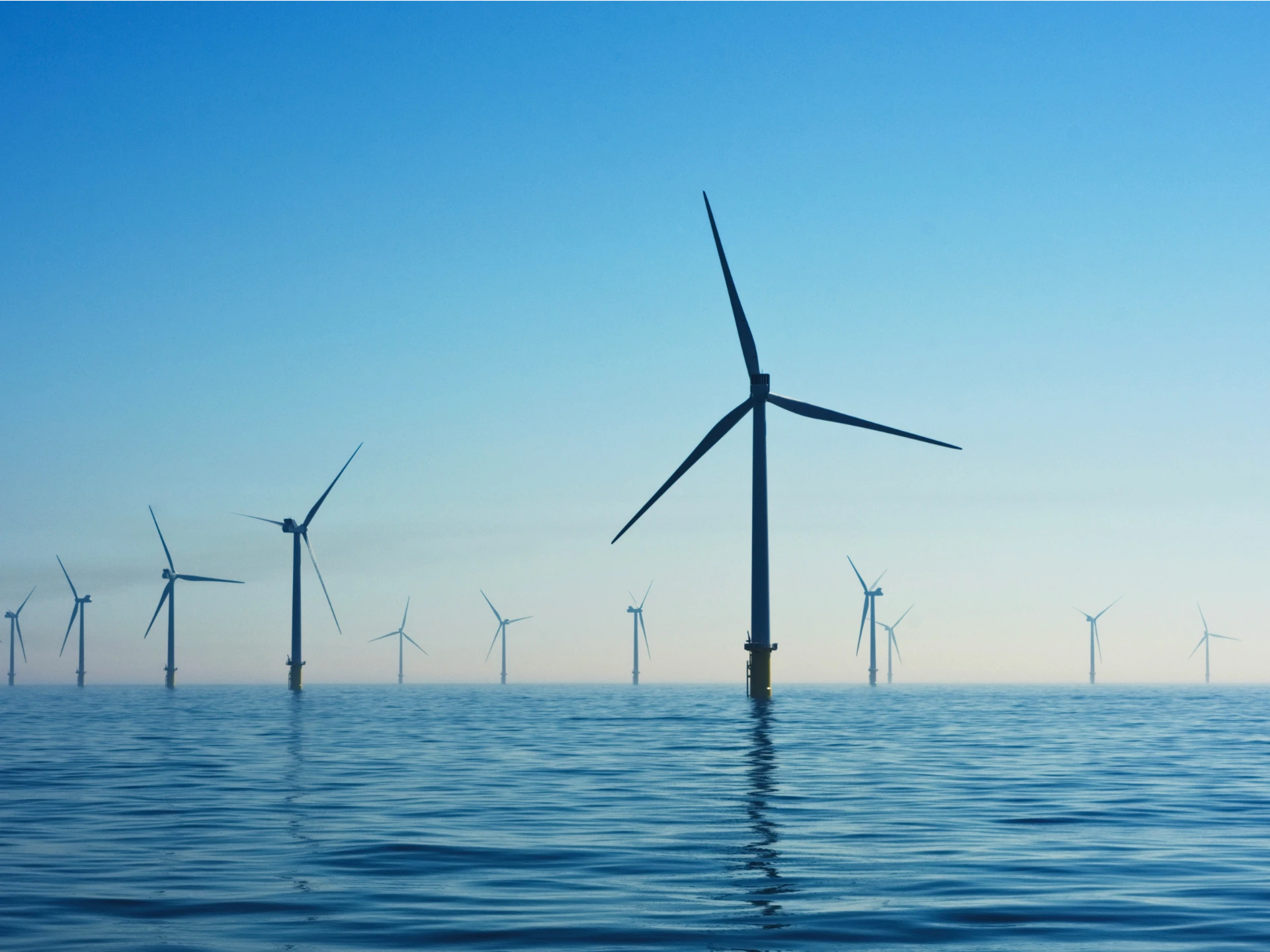
Wind at Sea – the Decade of Offshore Energy
Wind farms built at sea are not only one of the fastest-growing segments of the energy sector – they could become a critical pillar of the entire renewable energy mix.
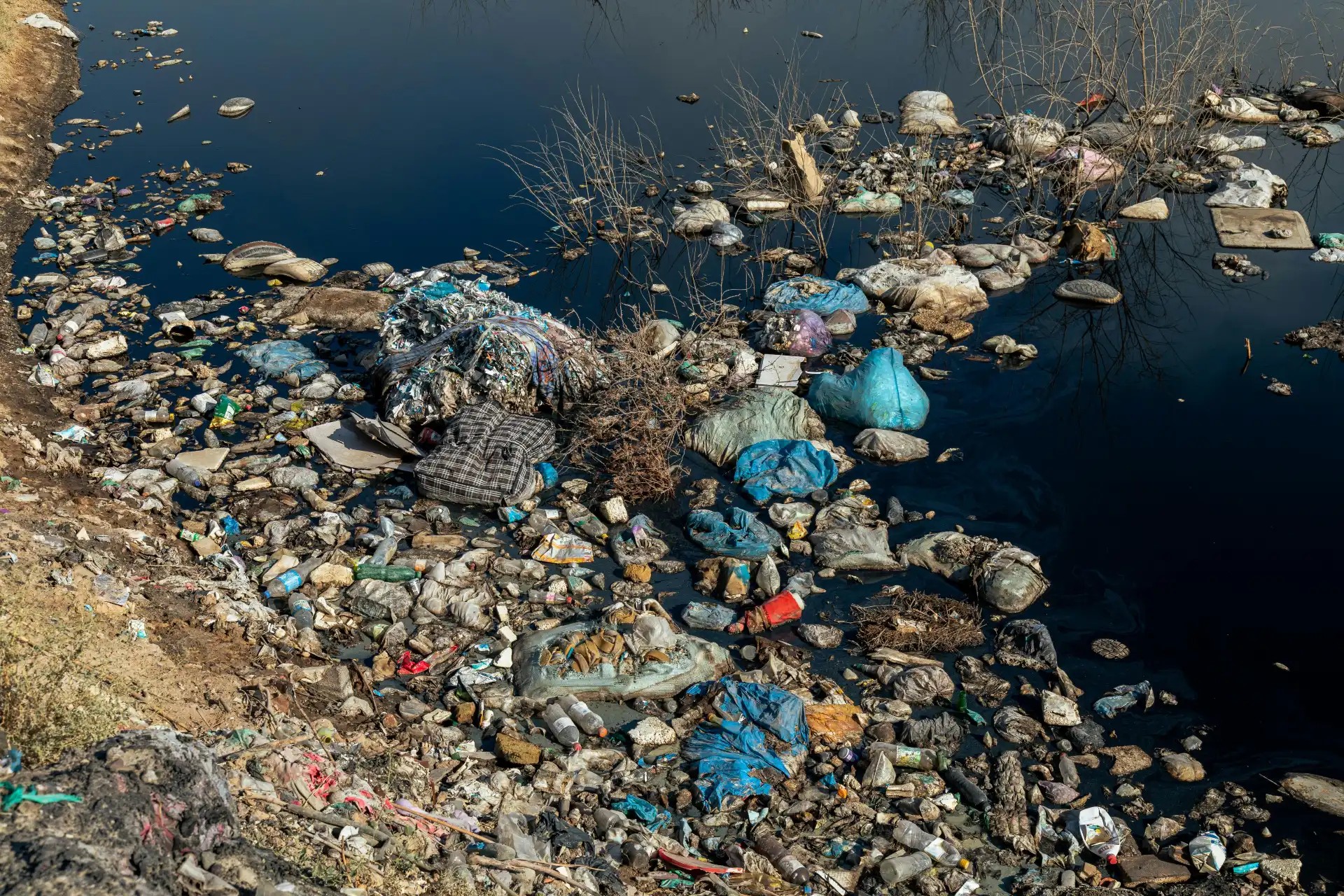
Microplastics in Hungarian Tap Water: How Bad Is It?

We already know how harmful micro- and nanoplastics are to human health, so the question comes up more and more often: how worried should we be about the drinking water that reaches us through the pipes?