Archive
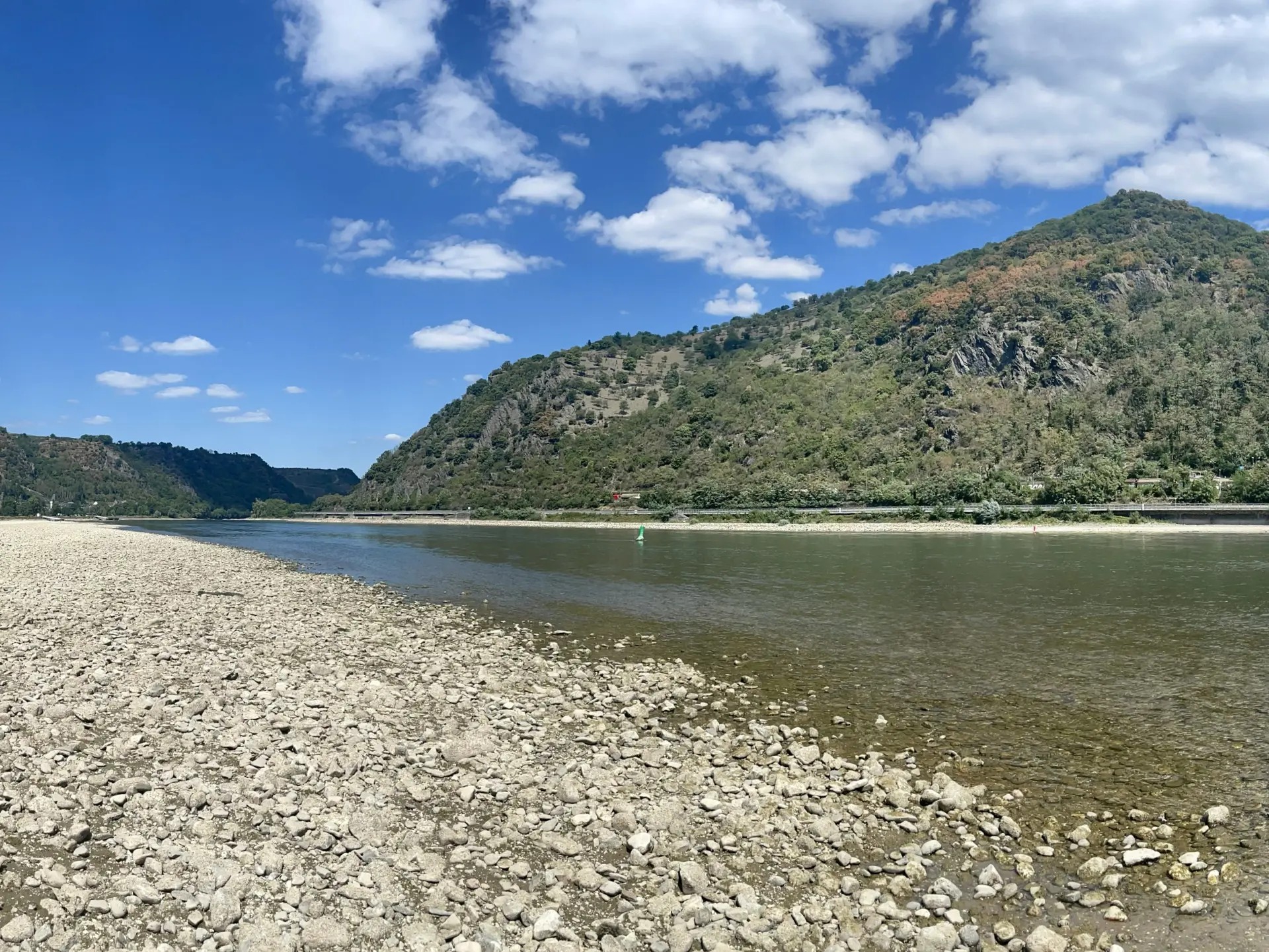
The Drying Continent

Data, causes and consequences from Central, Eastern and Southern Europe – the true face of a drying continent.

The New Age of the Electric Motor
The electric motor was not invented yesterday – but it has never been reinvented as radically as now: rethinking magnetic flux, the dual-rotor principle and the rare earth question are together rewriting the future of electric propulsion.

China's Water Industry Boom, Up Close
Zsolt Eszes, CEO of Water4All, visited IE expo 2026 in Shanghai, China's second-largest water industry trade fair, with his colleagues. We asked him about his experiences.
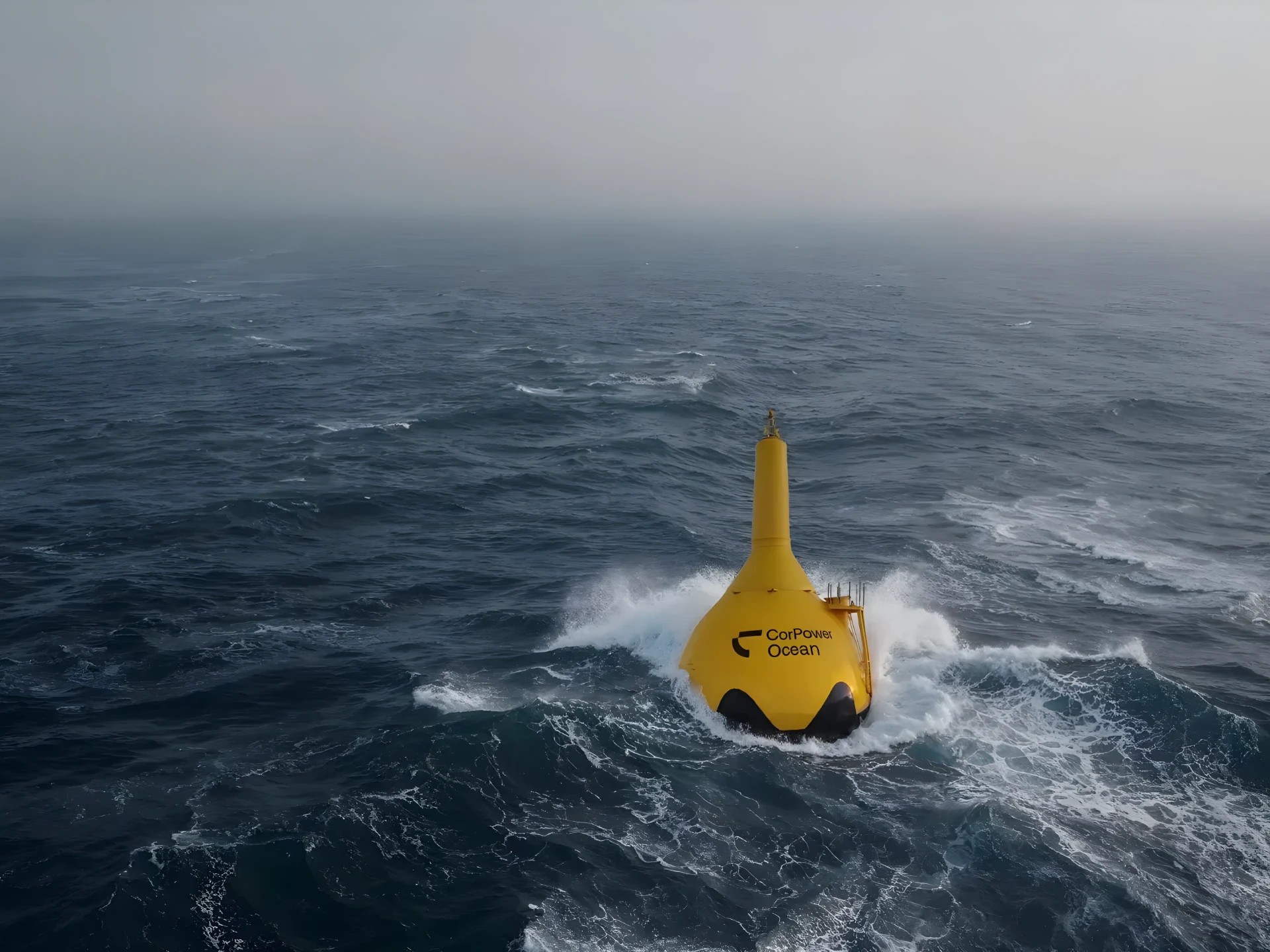
The Ocean's Hidden Energies
While offshore wind is already a proven industrial reality, two emerging technologies – wave energy and tidal stream energy – are just now moving from the laboratory to the open sea.
Nano-Cages Against Forever Chemicals
Australian researchers have developed a reusable adsorbent made of nanoscale molecular cages that removes up to 98% of PFAS pollutants from water – including the hardest-to-treat short-chain variants.
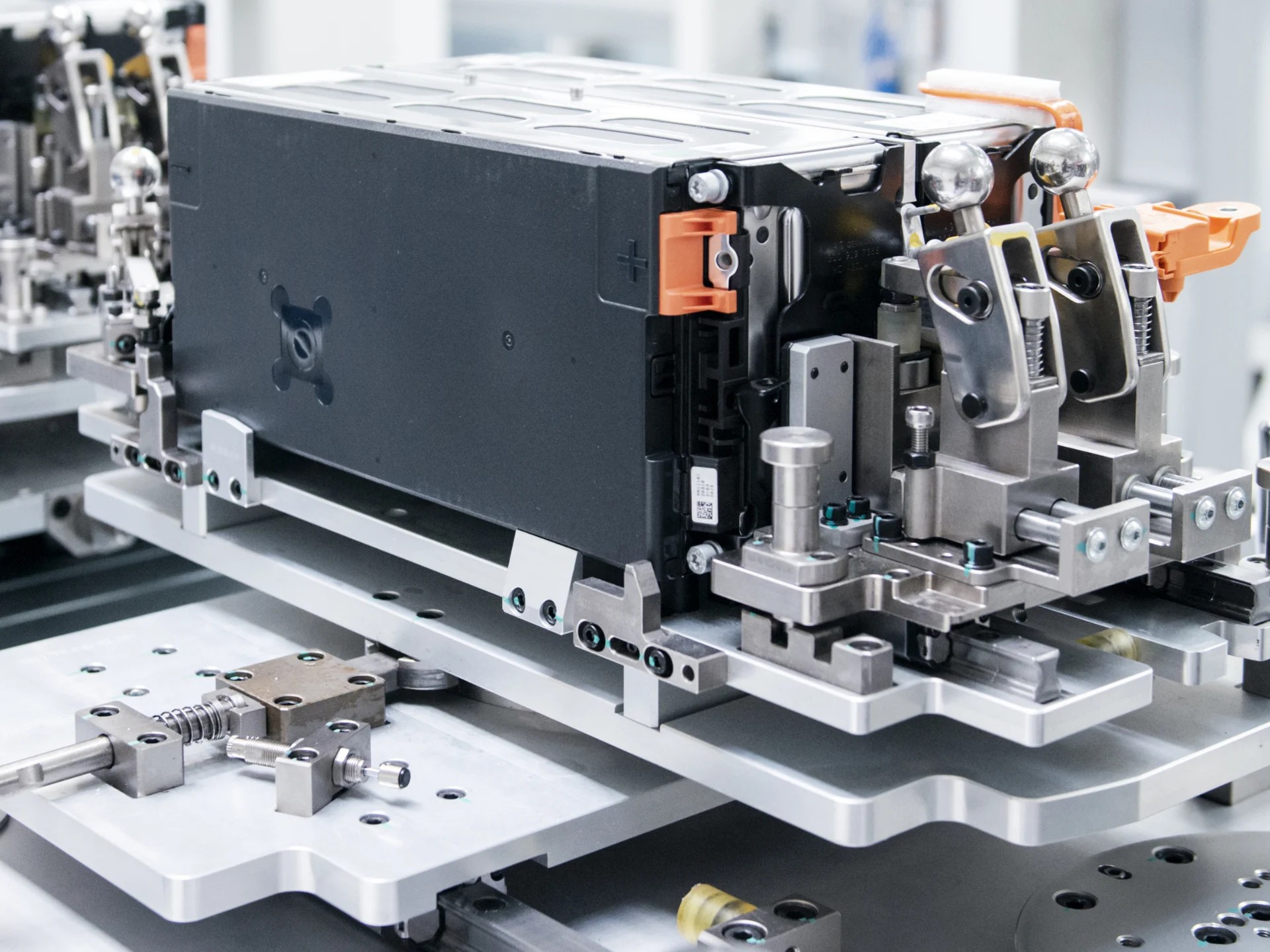
Fifty Years of the Battery – and What Comes Next
From the lithium-ion revolution to solid-state batteries: where does energy storage technology stand today, and where is it heading in the next decade?
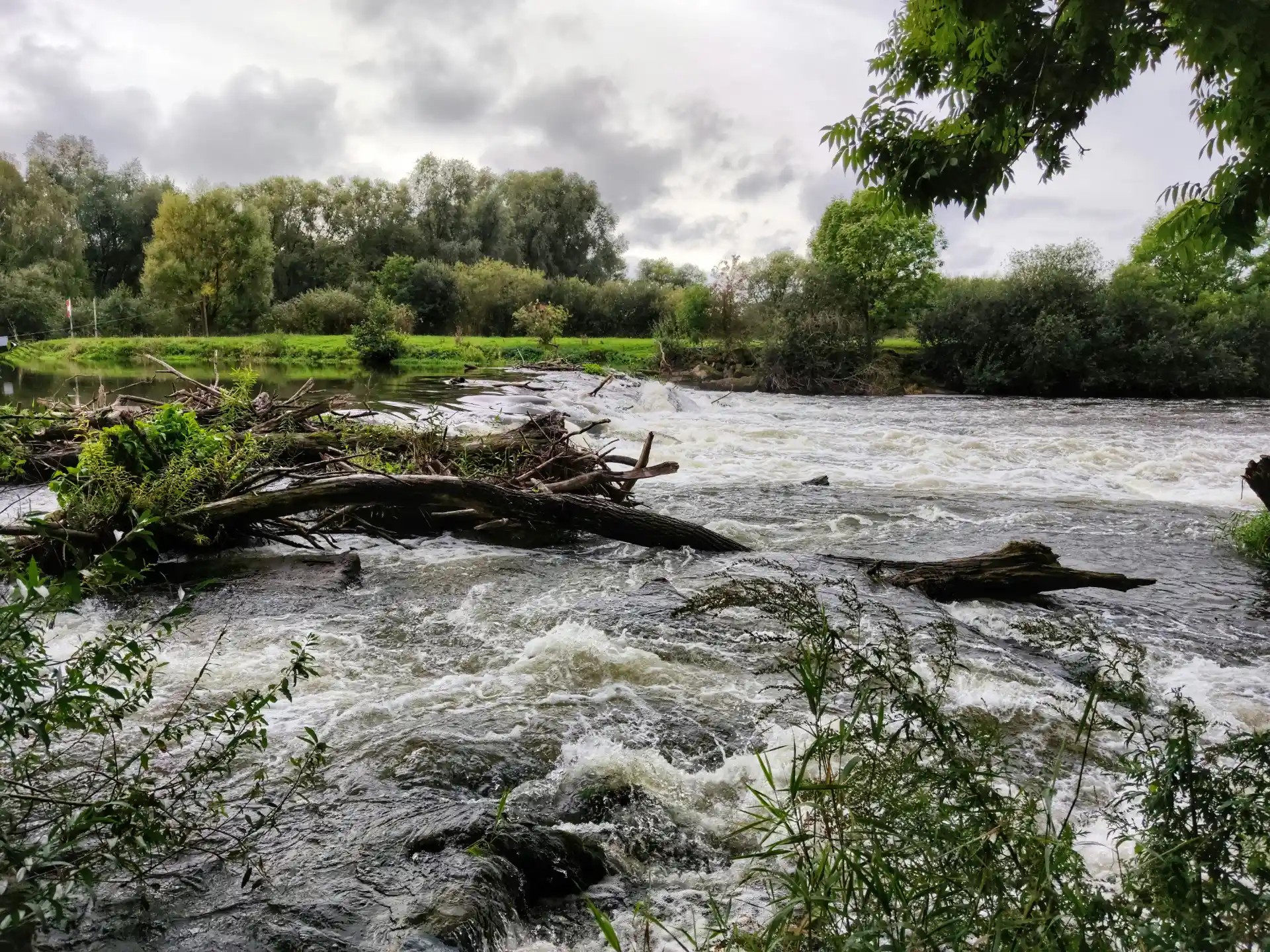
Europe's Managed Retreat
A new analysis shows that managed retreat is more common in Europe than previously thought, but most projects remain small, reactive and disconnected from wider climate adaptation strategies.
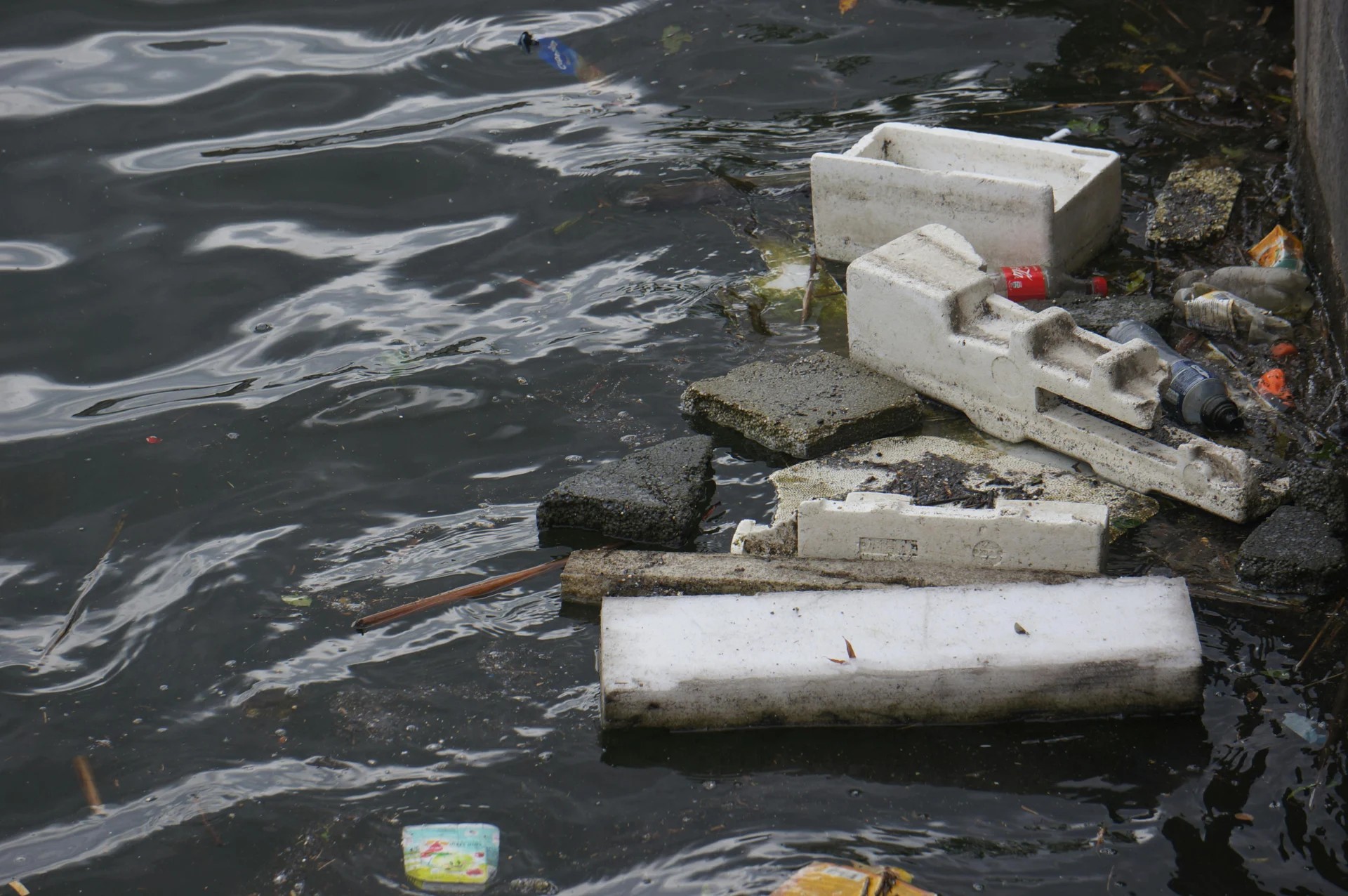
Microplastics in Wastewater – Poison Accumulating in Sewage Sludge
Wastewater is one of the most important collection points for microplastics. In conventional wastewater treatment, 80–99% of microplastics end up in sewage sludge.
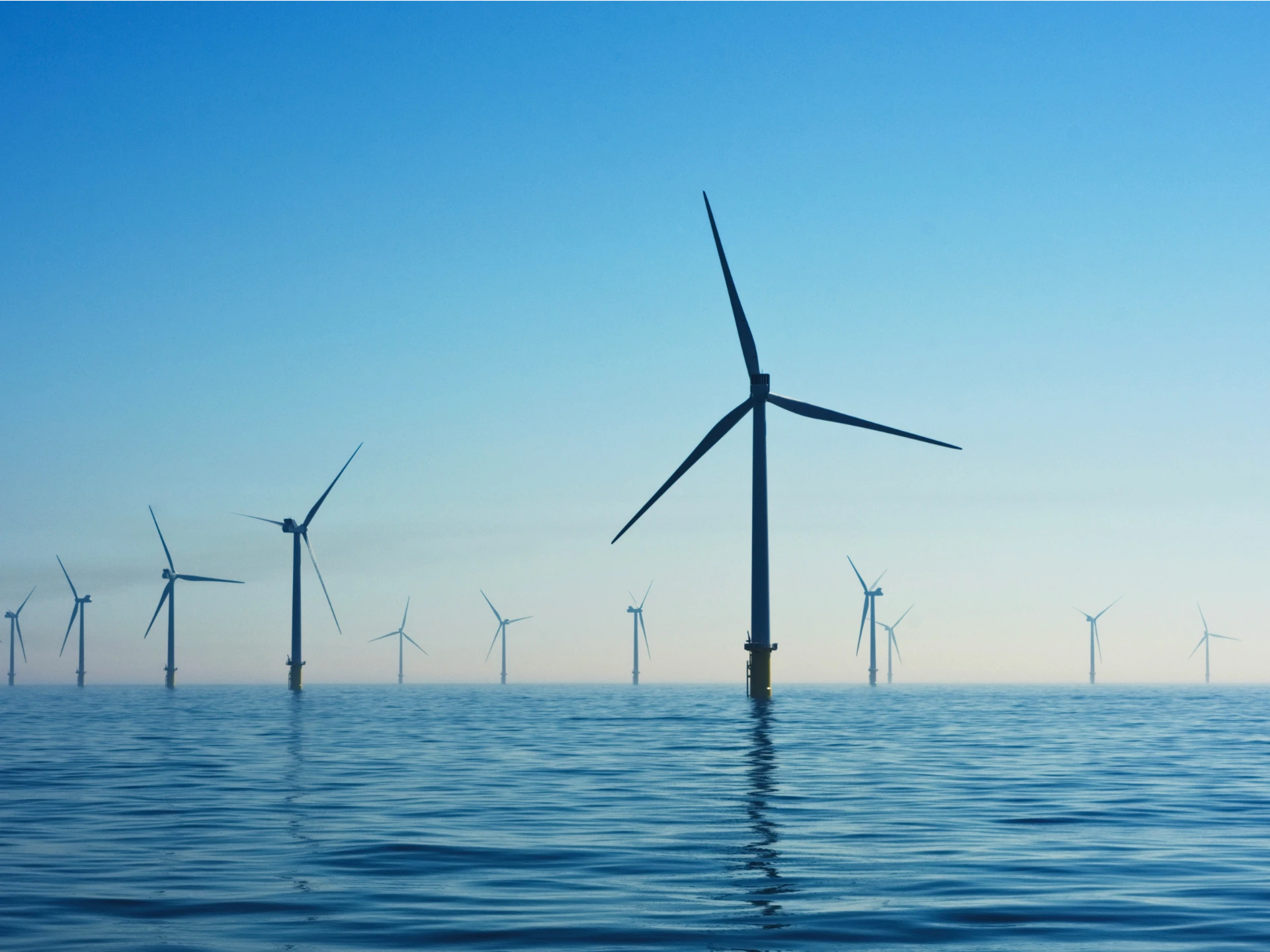
Wind at Sea – the Decade of Offshore Energy
Wind farms built at sea are not only one of the fastest-growing segments of the energy sector – they could become a critical pillar of the entire renewable energy mix.
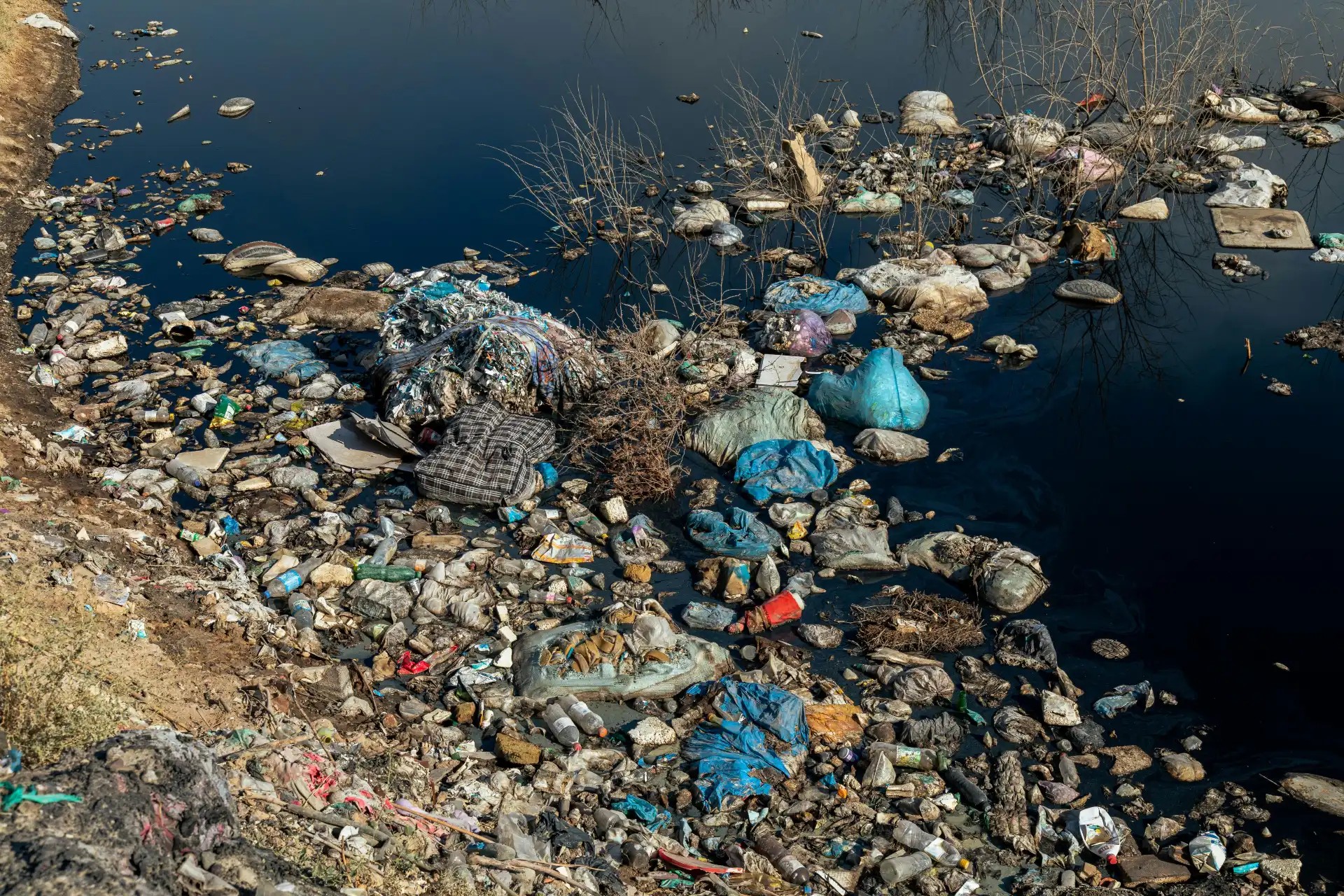
Microplastics in Hungarian Tap Water: How Bad Is It?

We already know how harmful micro- and nanoplastics are to human health, so the question comes up more and more often: how worried should we be about the drinking water that reaches us through the pipes?