Archive
Activated Carbon Against PFAS

New research shows that above 500 °C the surface of activated carbon acts as a catalyst in breaking down PFAS – but the environmental cost of the process is not negligible.
Biogas Is Getting Cooler in Europe
From Denmark to Spain, more and more signs show that biomethane is not a promise for the future – it is today's reality.
Nano- and Microplastics – How Much Is Around Us?
Scientific data on the scale of microplastic pollution: how these particles get into our bodies from air, water and food – and what we can do about it.
Plastics That Penetrate Our Cells
Plastic is an integral part of modern industry and the economy, but it has a powerful impact on us and our environment. In the first part of our new series, we examine the causes and consequences of plastic production.
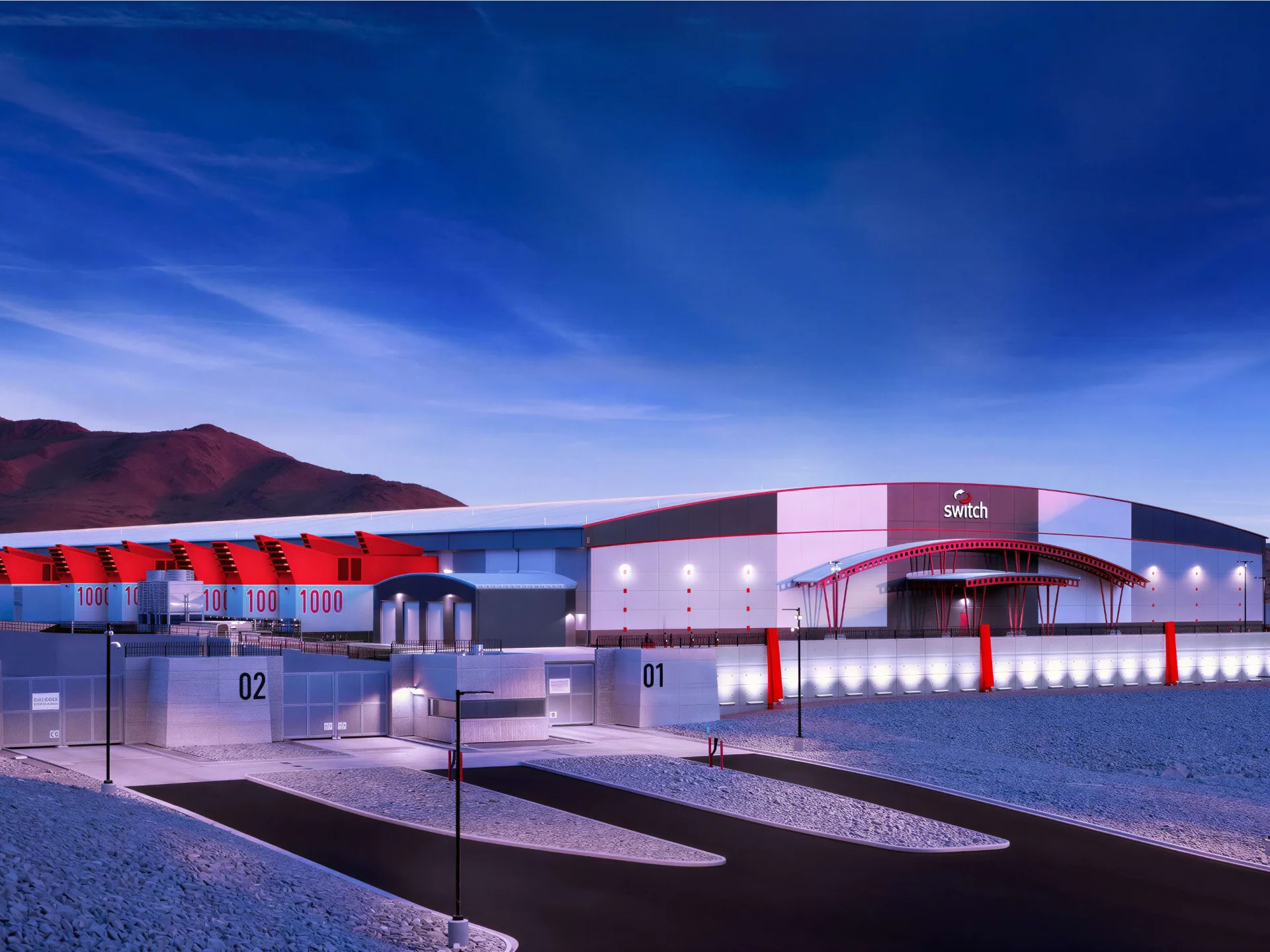
AI's Thirst for Water: Data Centres and Public Water Systems
According to a 2026 US study, American data centres could need new water capacity equal to New York City's entire daily supply by 2030 – with lessons that Europe cannot ignore.

The Battery Wall, Blooming Wastewater and the Power-Generating Window
Researchers offer three eco-friendly innovations that, if widely adopted, could significantly improve the efficiency of energy generation and wastewater treatment.
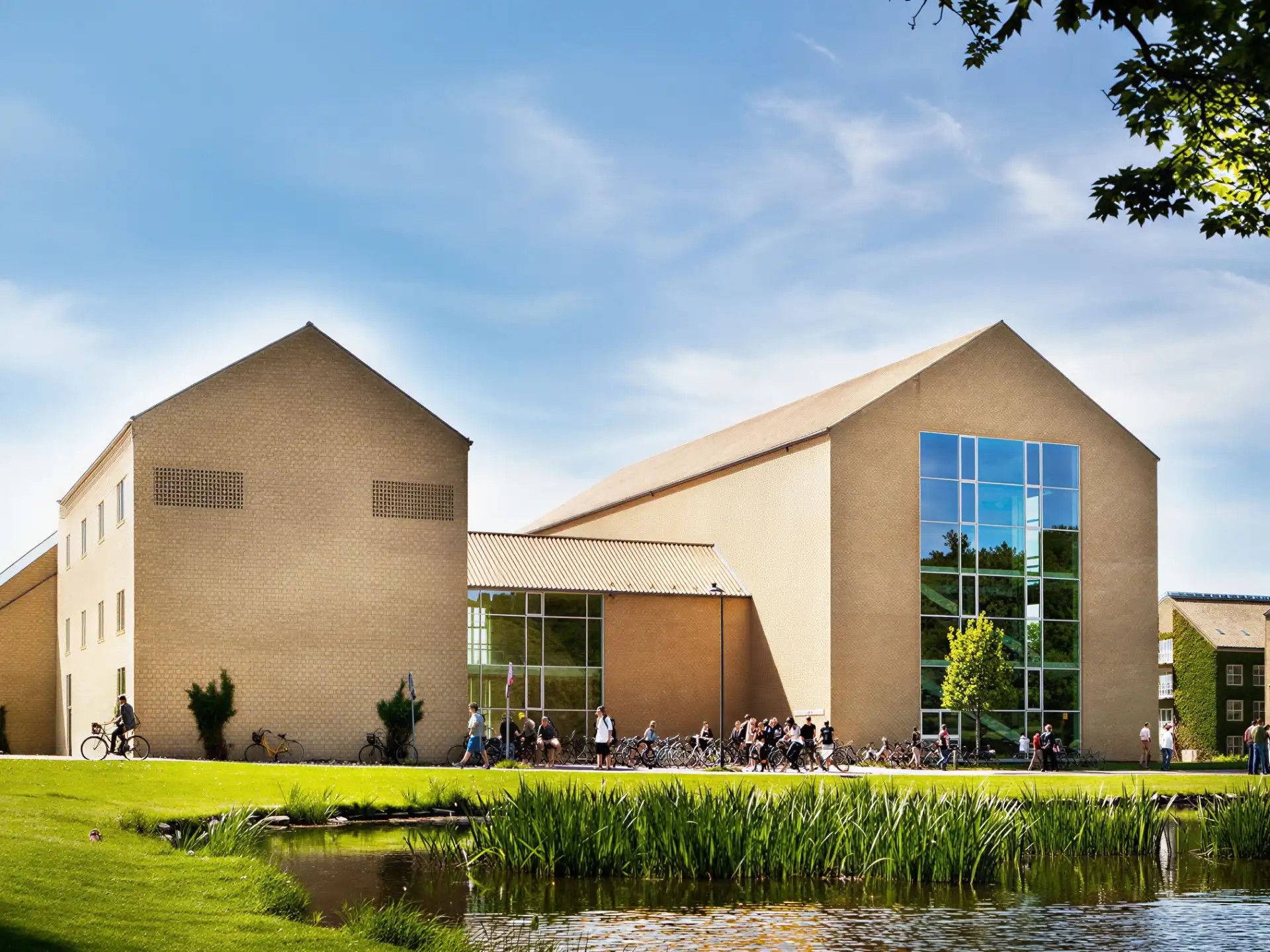
New Water Knowledge Centres in Europe
EIT Water links Europe's innovation ecosystems through nine regional co-location centres (CLCs).
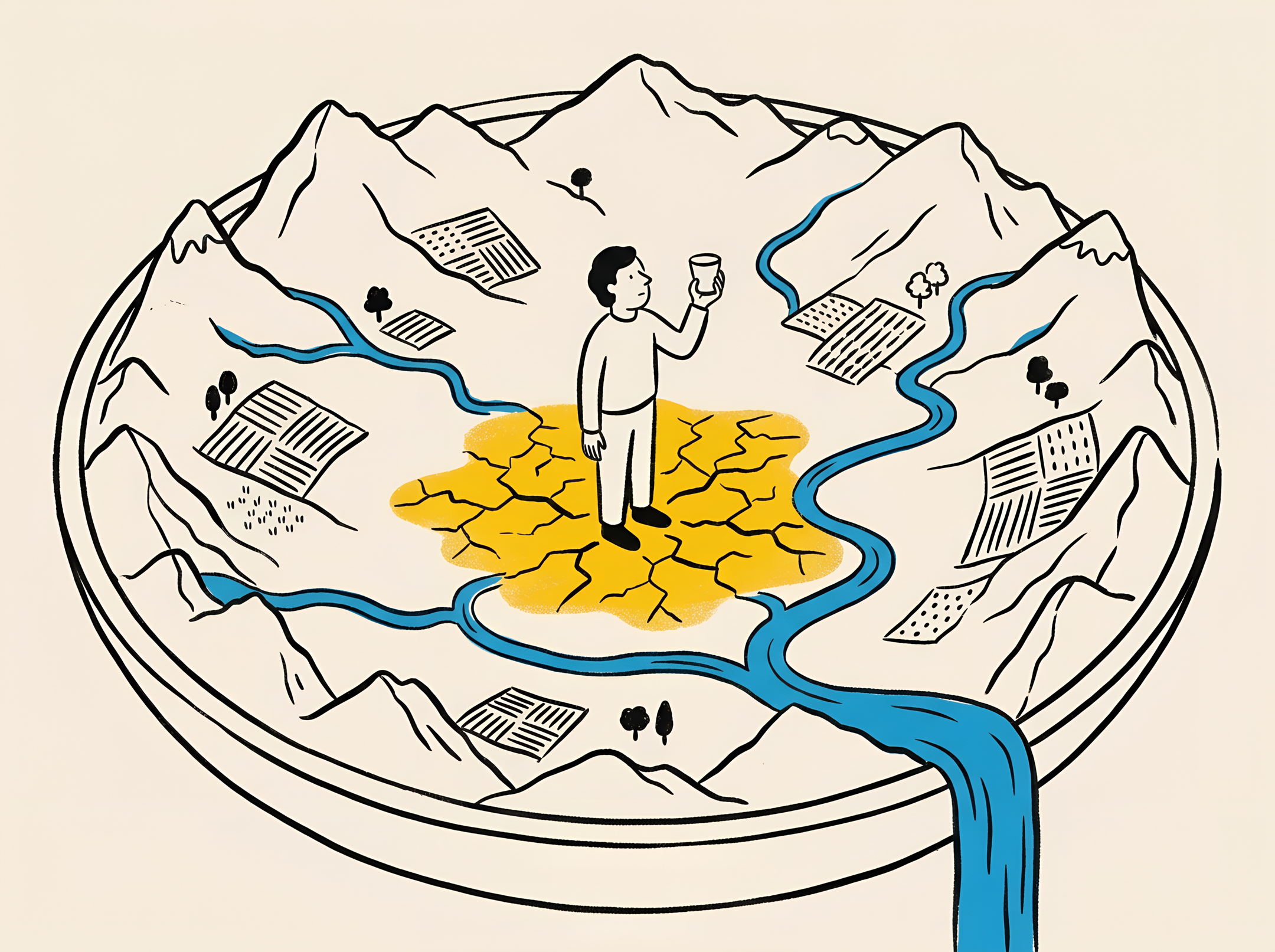
The Carpathian Basin's Water: Source and Future

From the Carpathians to the Homokhátság sand ridge, the water systems of the Carpathian Basin and Hungary rest on an ever more fragile balance – and the way forward lies in a change of mindset and in innovation.
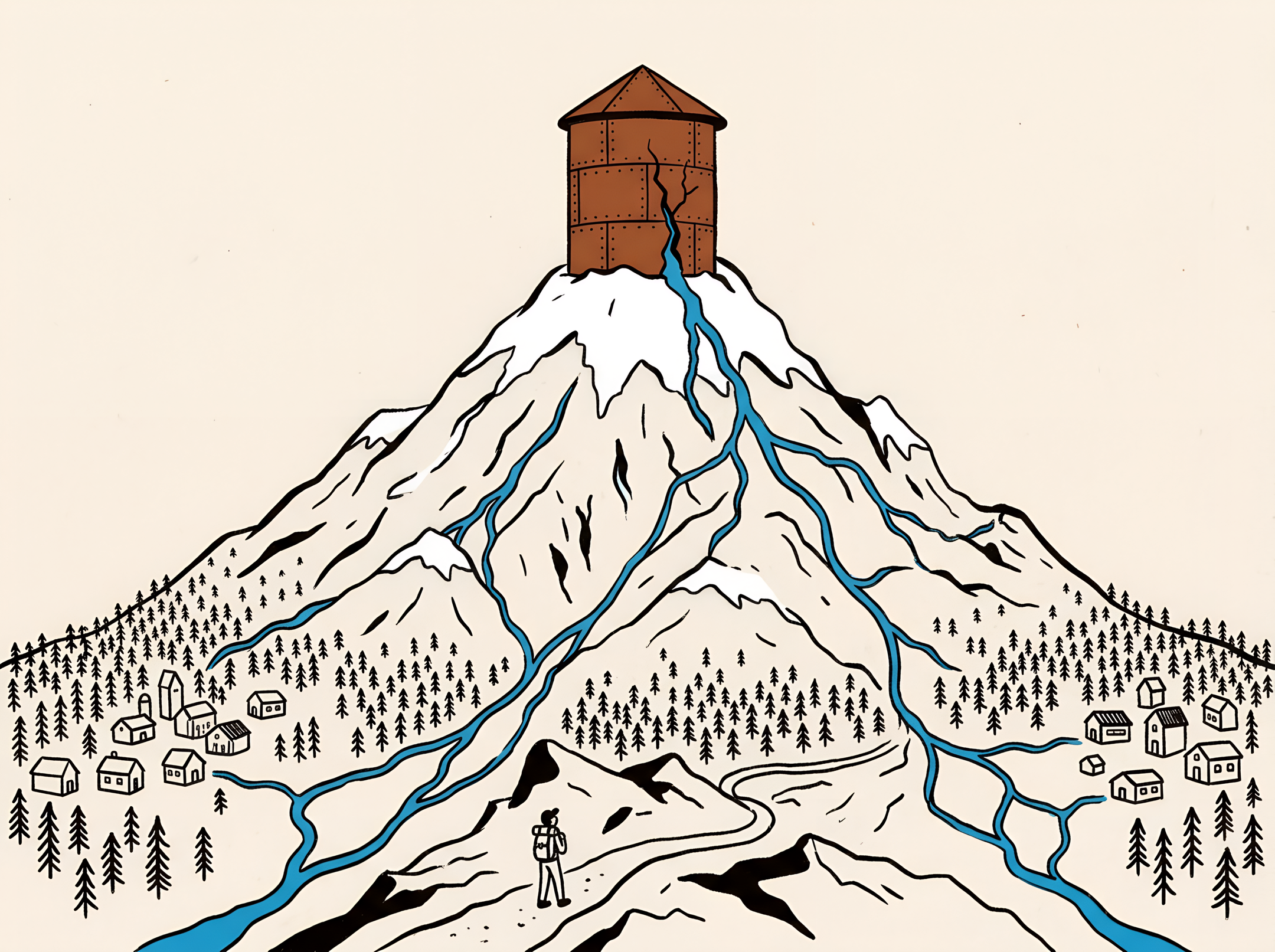
Europe's Water Systems on the Brink of Change
From the Alps to the Mediterranean, Europe's water systems are under growing pressure – floods, droughts and weakening legal protection together threaten the continent's freshwater.
Our Planet's Waters: Where Do We Stand Now?
According to the latest UN report, the world's water systems have reached a critical turning point – but change is still possible.