Professional articles
In-depth analysis, technology comparisons and interviews.
Professional content is free to read with a W4 account.Create an accountSign in
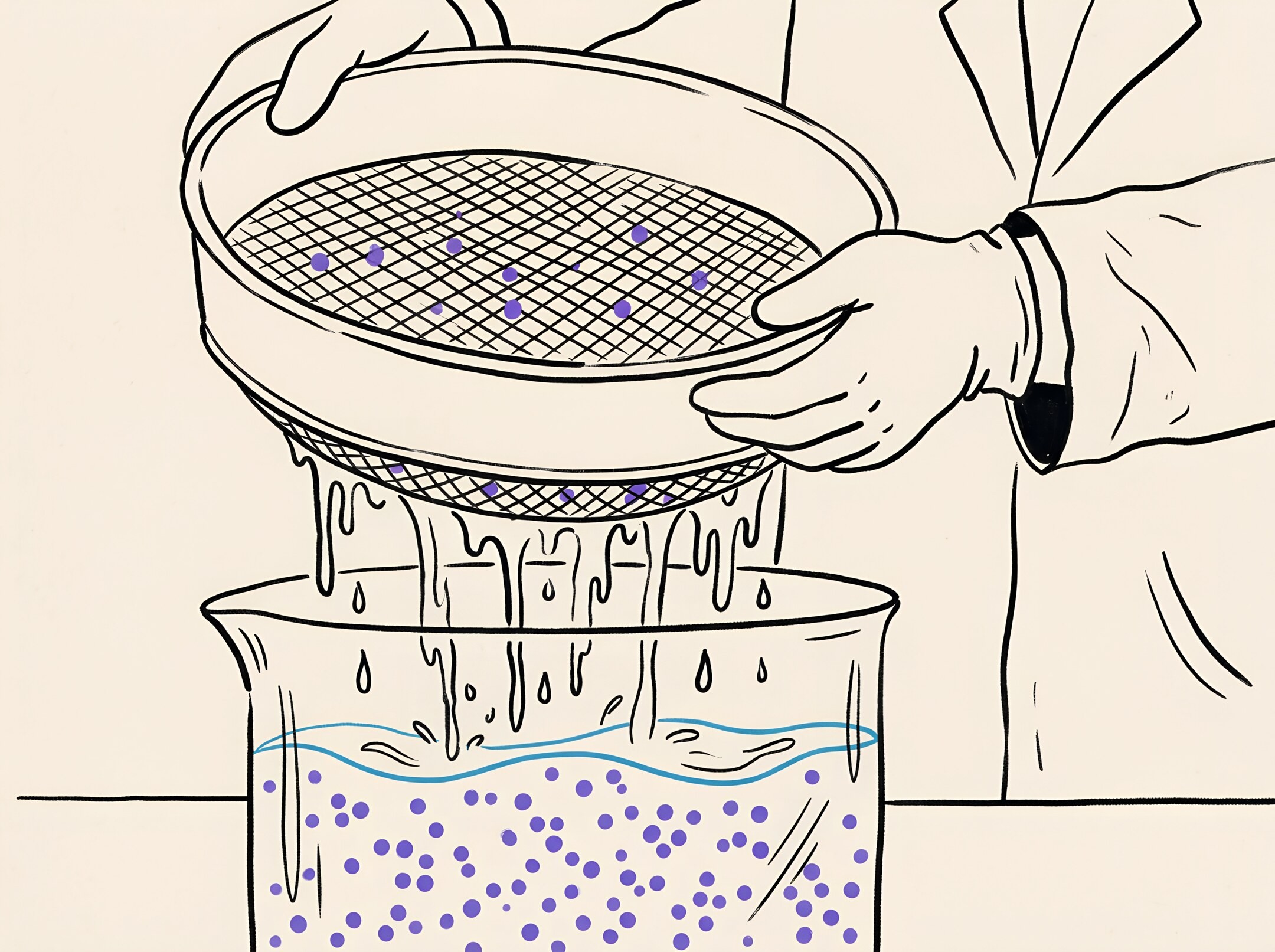

A national Swiss campaign has run every PFAS method in the Commission's guidelines side by side, and none of them can name most of the organic fluorine in wastewater.

A meta-analysis of 455 datasets finds that fertilisers made from separated urine and faeces perform as well as mineral fertiliser, so the open questions are now quality assurance and regulation.

Prague's draft law transposing the recast EU wastewater directive puts the investment bill at up to CZK 176 billion and gives a detailed view of what the rules mean for a central European member state.
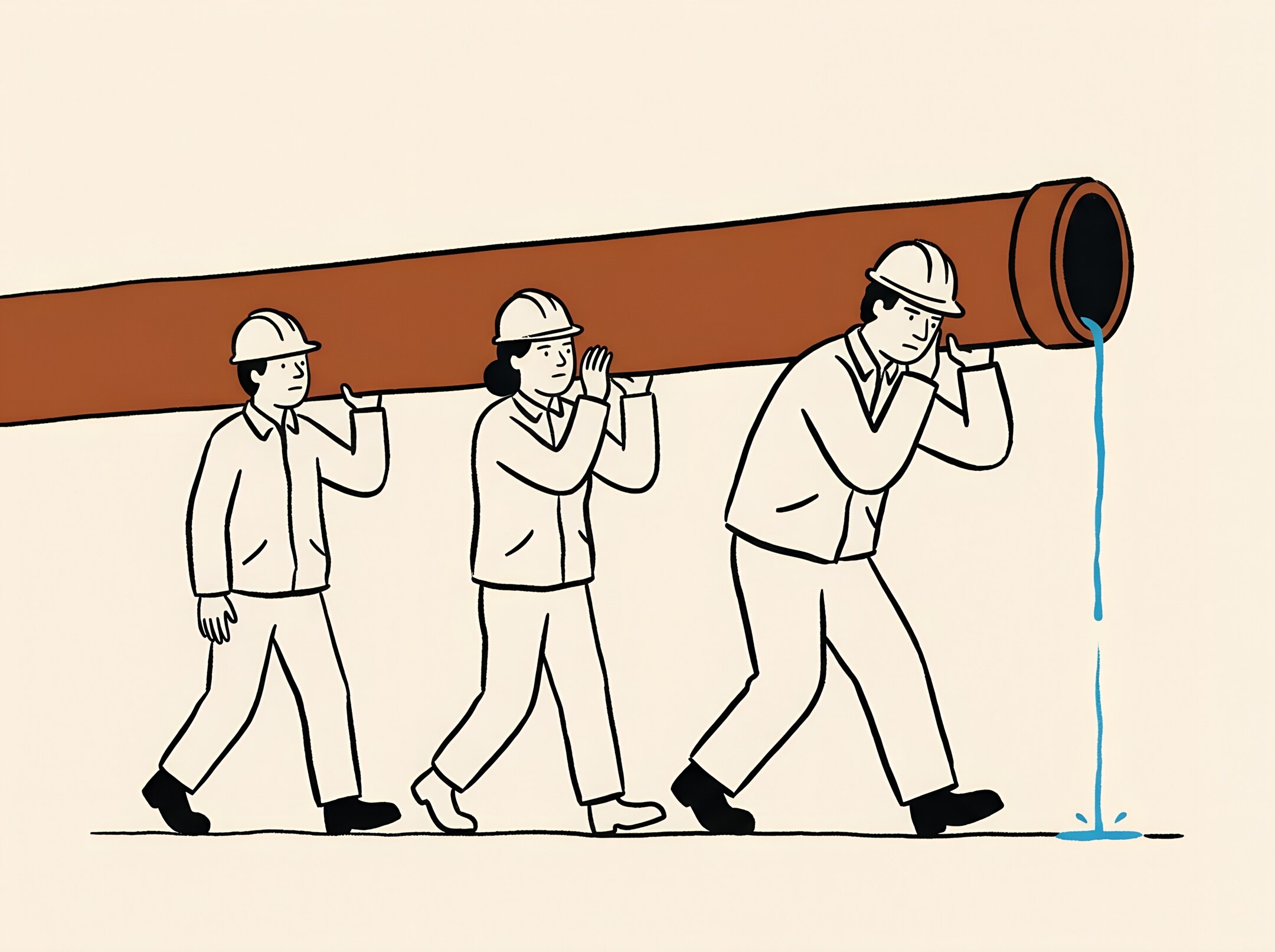
A Stanford model shows that if neighbouring wastewater plants plan their nutrient removal upgrades together, capital and operating costs can fall by almost half.
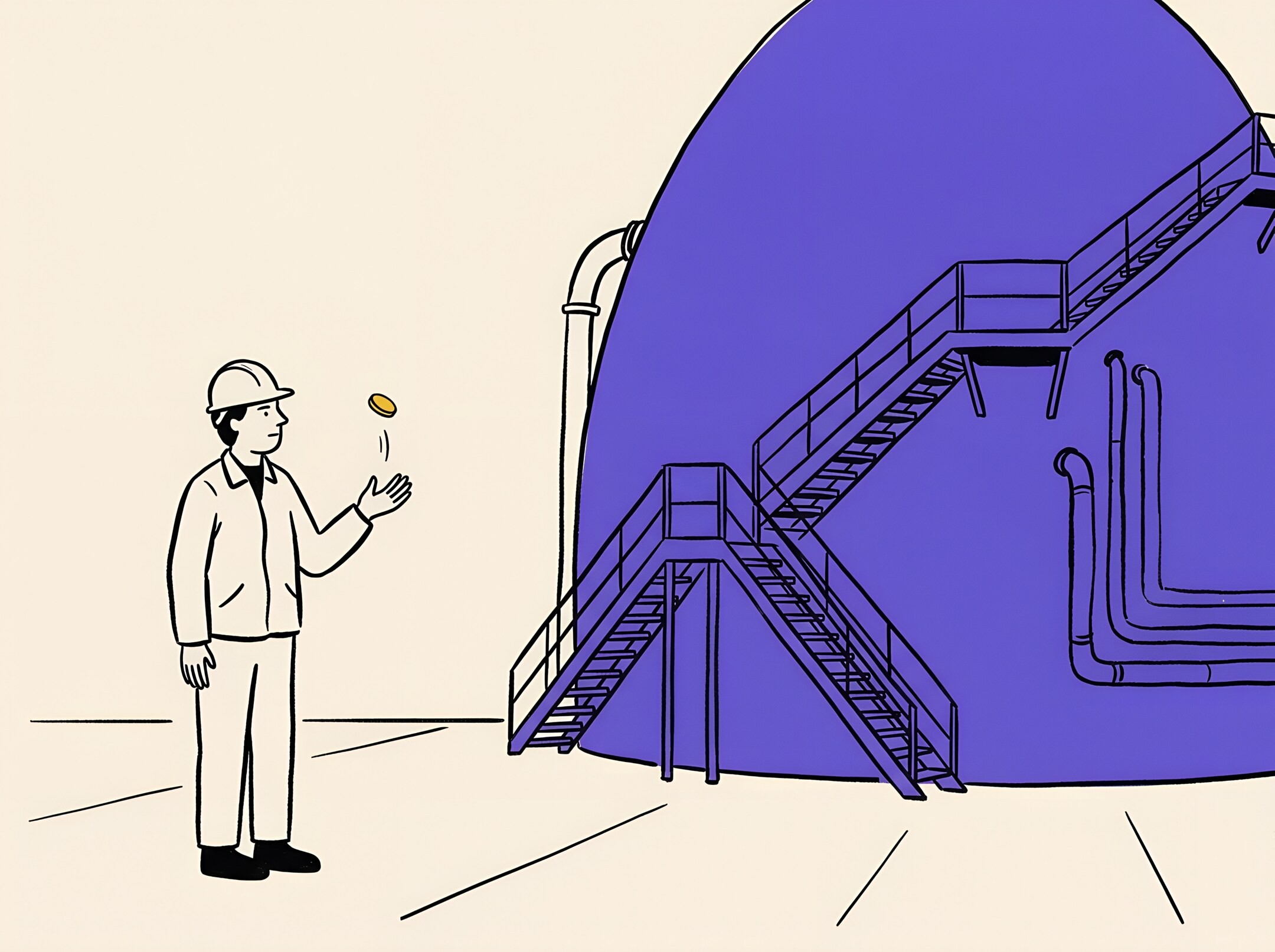
Two new studies on artificial intelligence in anaerobic digestion reach the same sober conclusion: so far, AI predicts and advises, but nobody has yet shown it delivering more methane on a live plant.
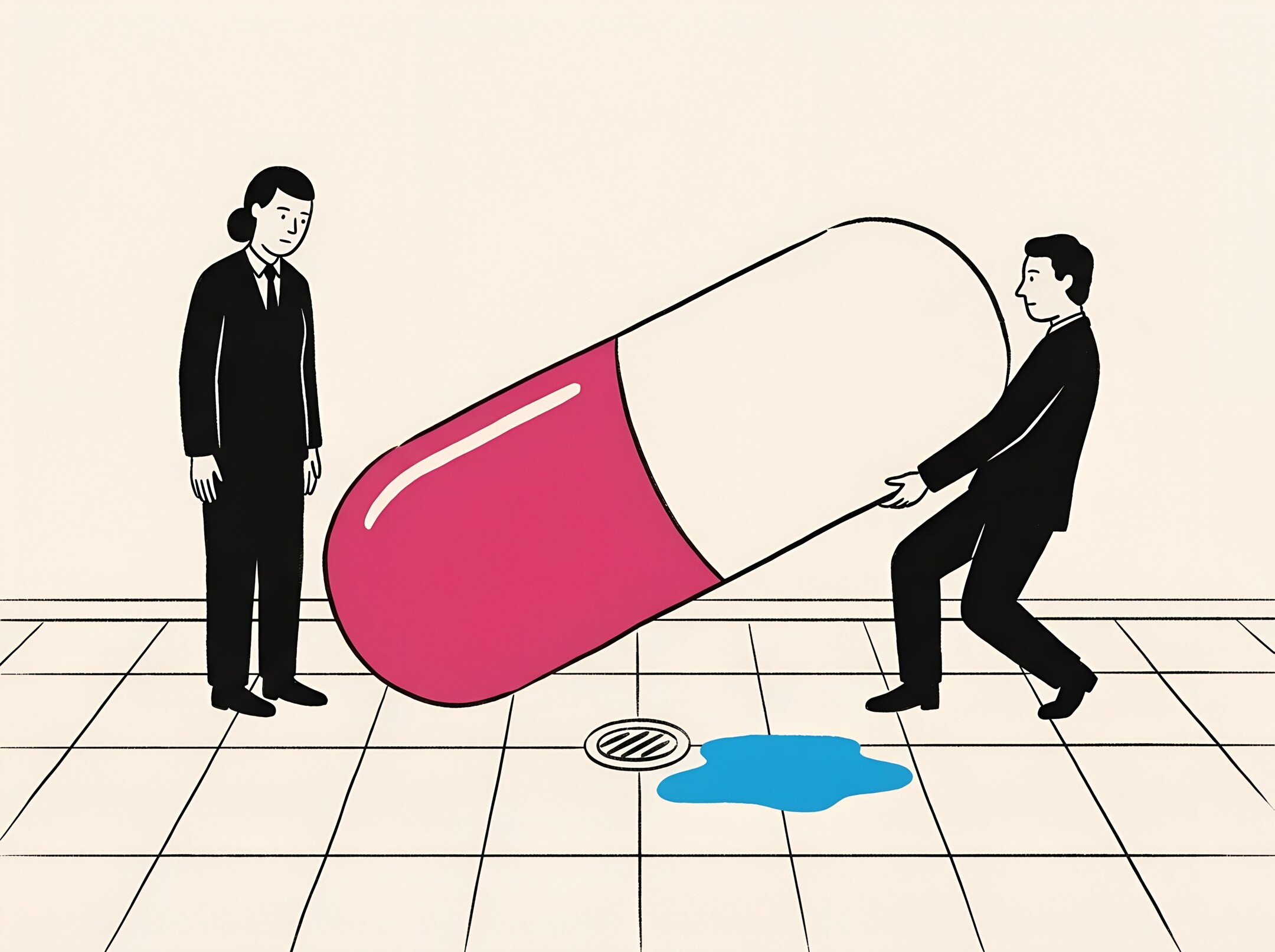
The EU's wastewater directive makes producers of medicines and cosmetics pay at least 80% of the cost of removing micropollutants, but an Advocate General's Opinion has thrown the whole financing model into doubt.
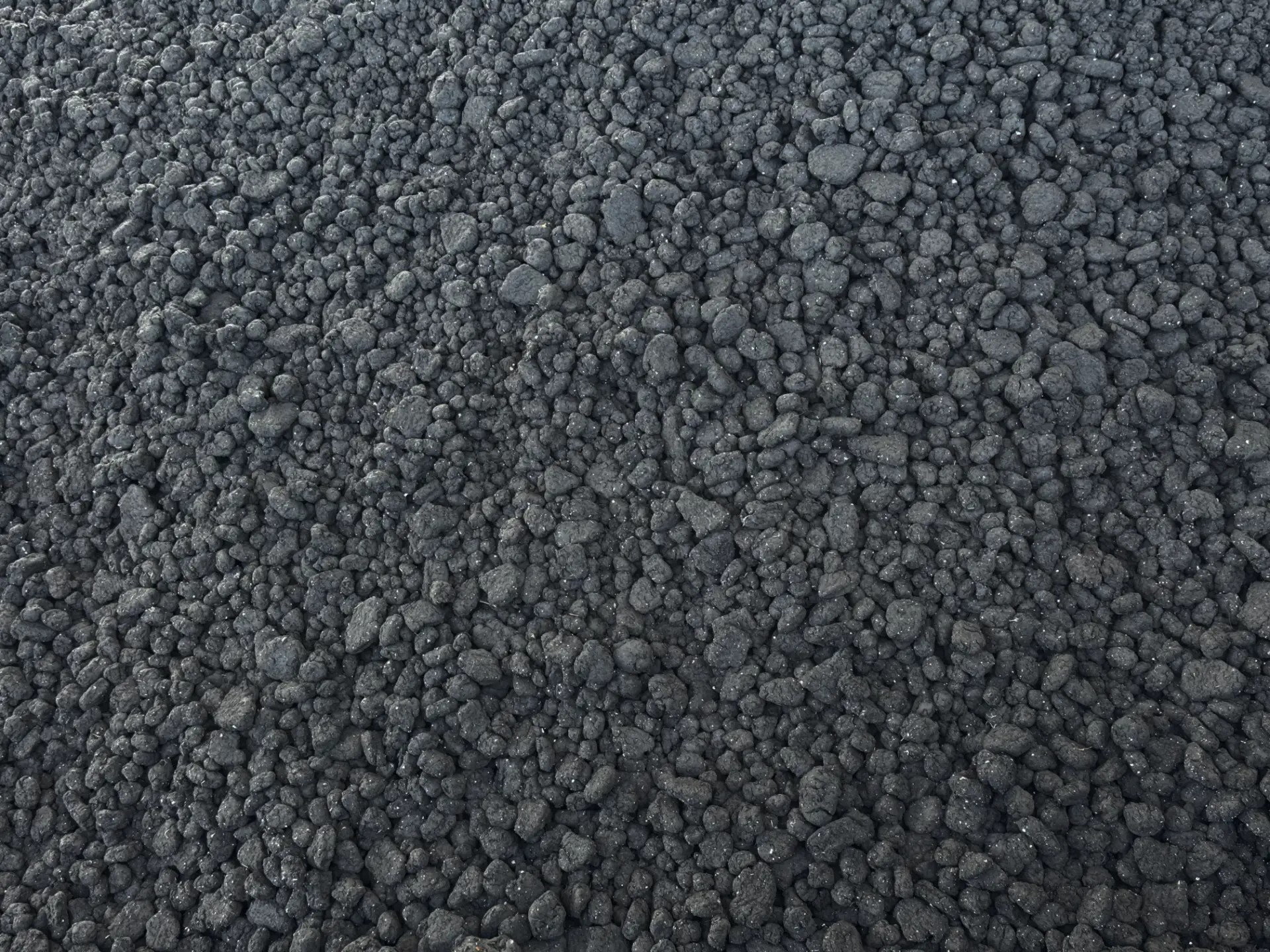
A few ways in which sewage sludge, the by-product of wastewater treatment, can be turned into a valuable raw material – though most are still at the experimental stage.
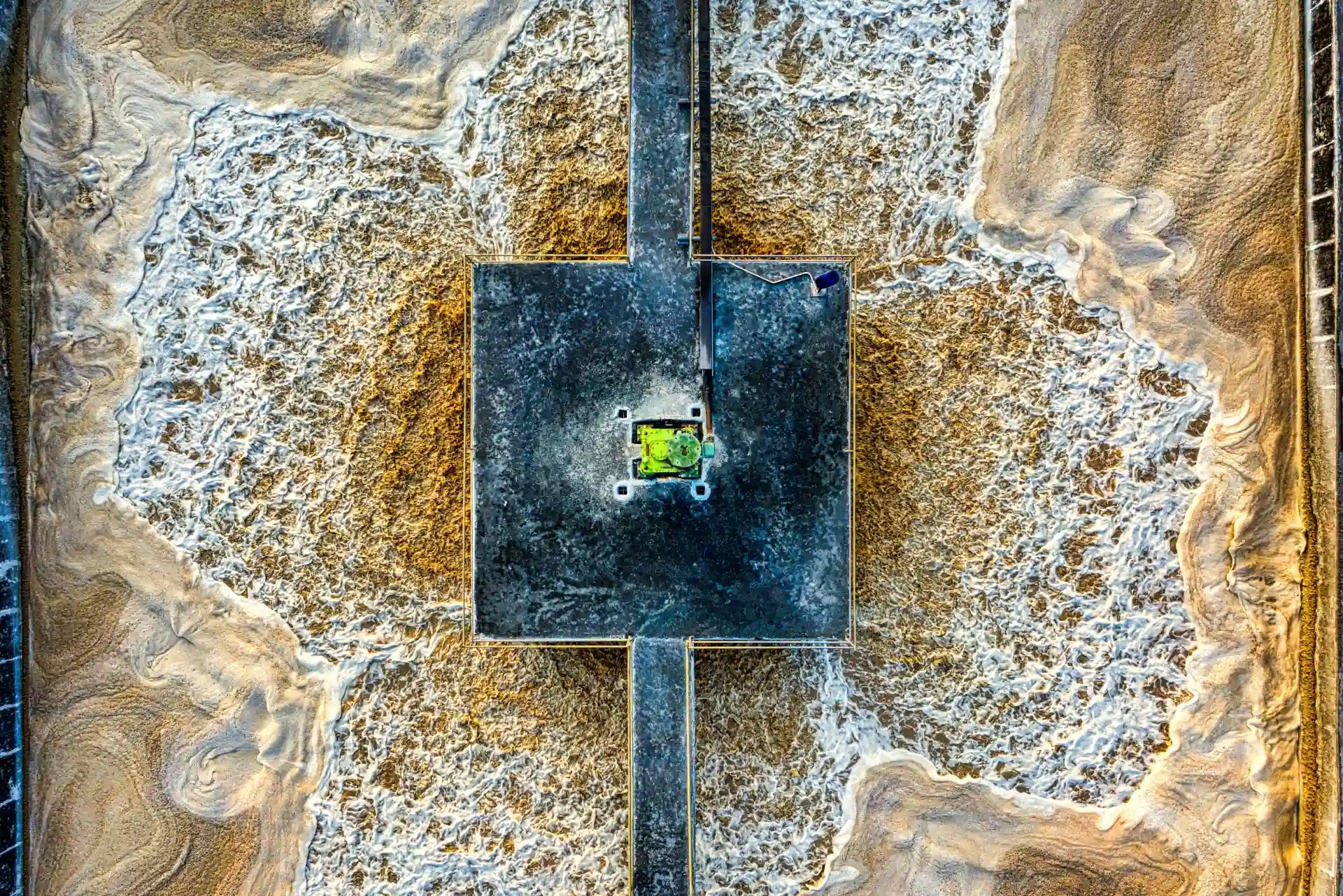
Aeration in activated sludge tanks accounts for 50–65% of the total energy use of conventional biological treatment plants, the most common type worldwide. The efficiency of membrane diffusers is directly linked to a plant's operating costs.
A new study commissioned by the European Commission puts a figure, for the first time, on the social and economic price Europe pays for PFAS pollution – and on the difference between acting and doing nothing.
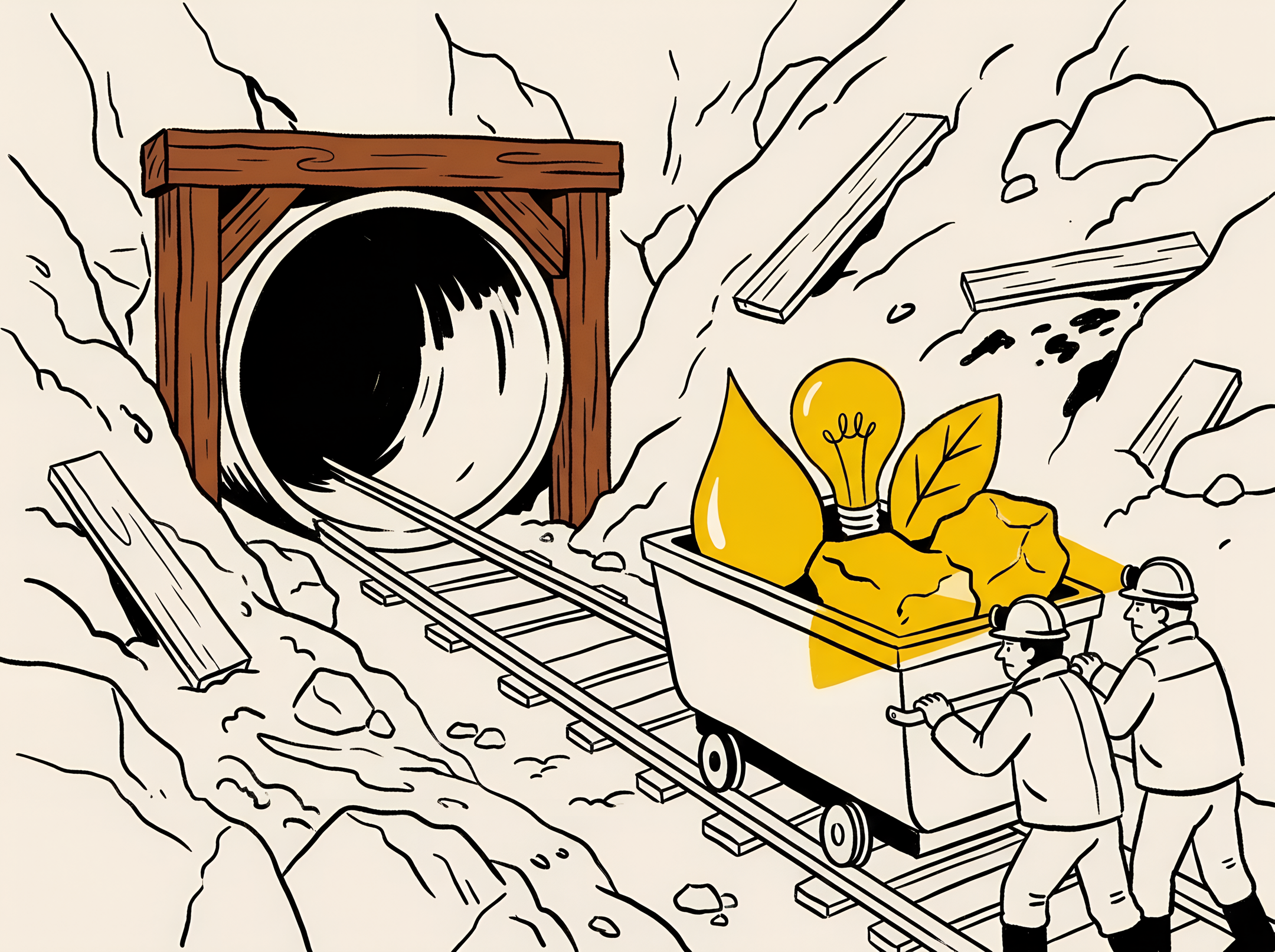
An international study on the resource recovery potential of wastewater: water, energy, nutrients, critical trace materials and carbon in one integrated system.

A comparative study of Chinese and European wastewater treatment plants shows that indirect emissions and energy use are the critical obstacles to cutting their carbon footprint.