Professional articles
In-depth analysis, technology comparisons and interviews.
Professional content is free to read with a W4 account.Create an accountSign in
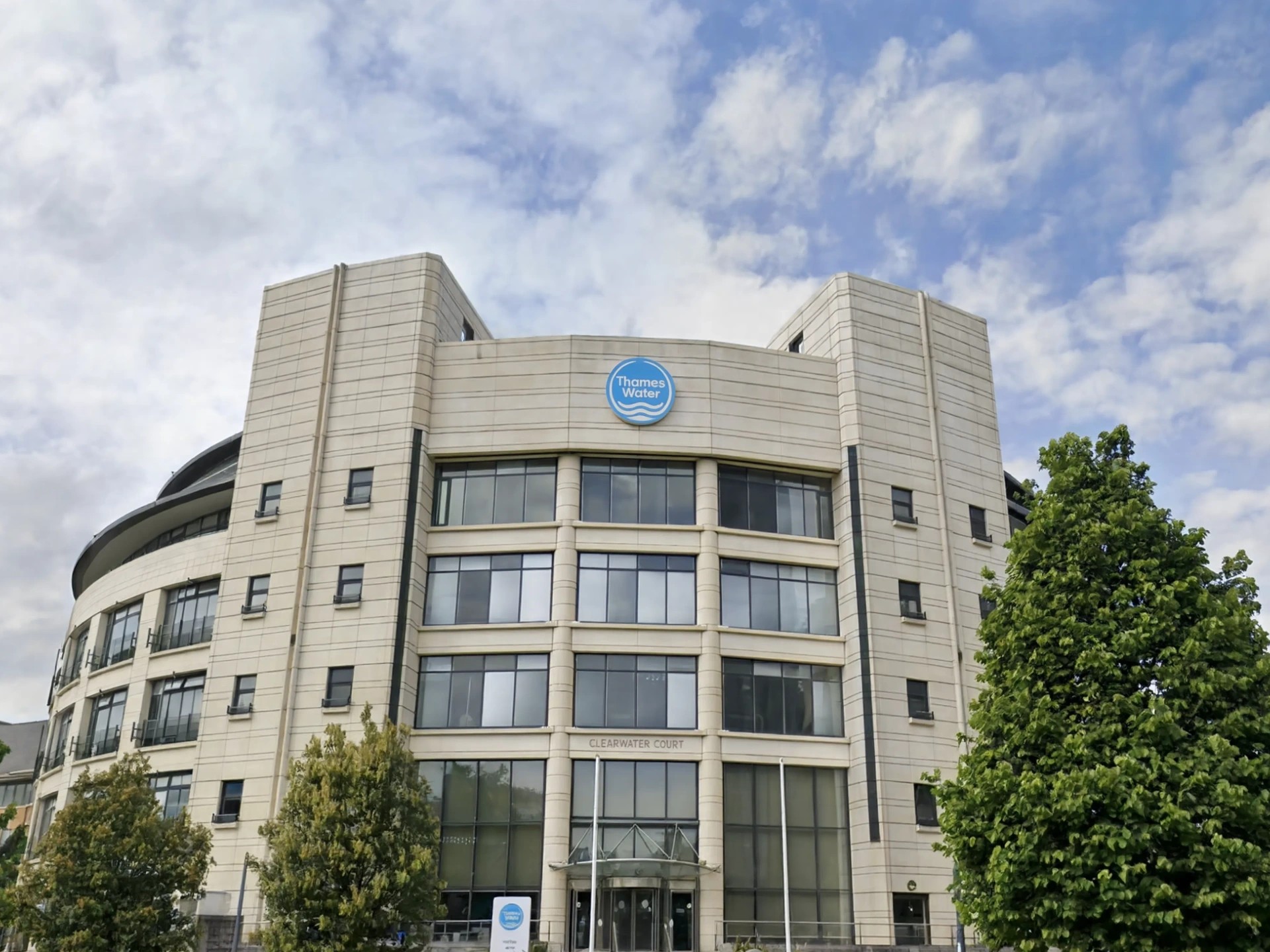

The UK regulator has approved additional funding for infrastructure improvements at 13 water companies, but only five of them can raise customer bills between 2027 and 2030.
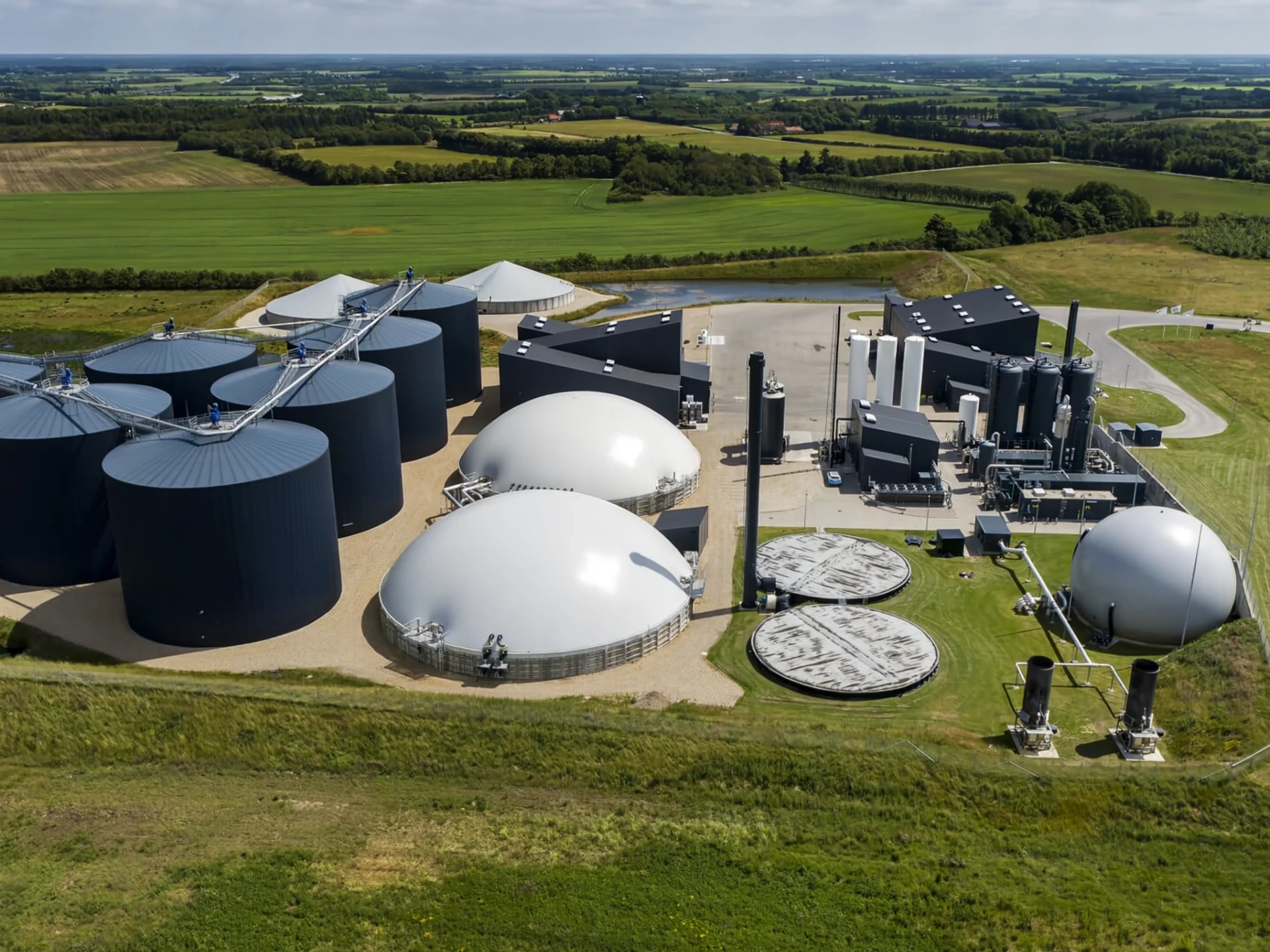
According to the latest map from EBA and GIE, the continent's biomethane production grew by 17% in a year, but 95% of capacity is still concentrated in just five countries.
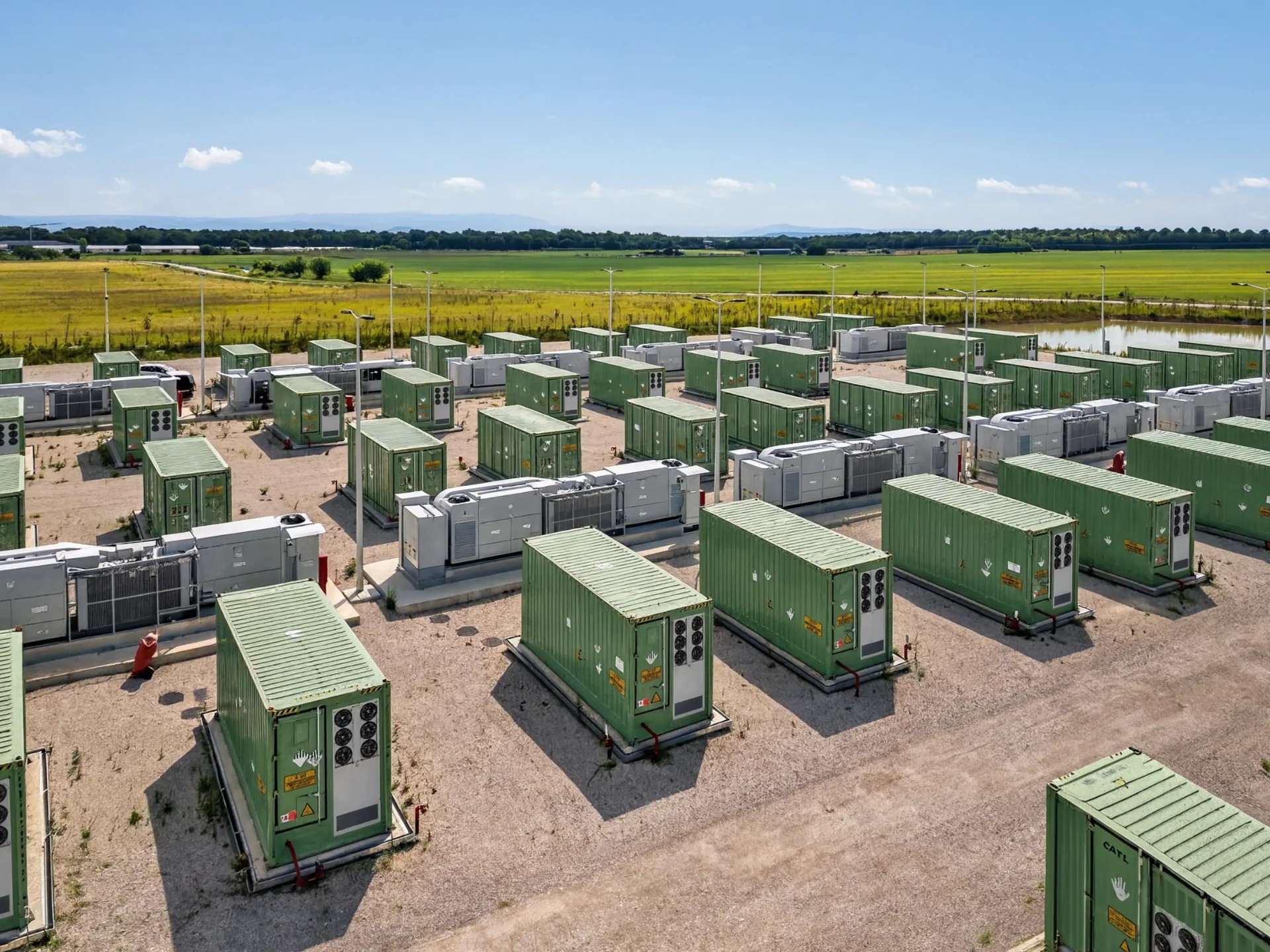
The European Commission has confirmed that 200 GW of storage capacity is needed by 2030, while EU power markets have already seen twice as many negative-price hours this year as before.
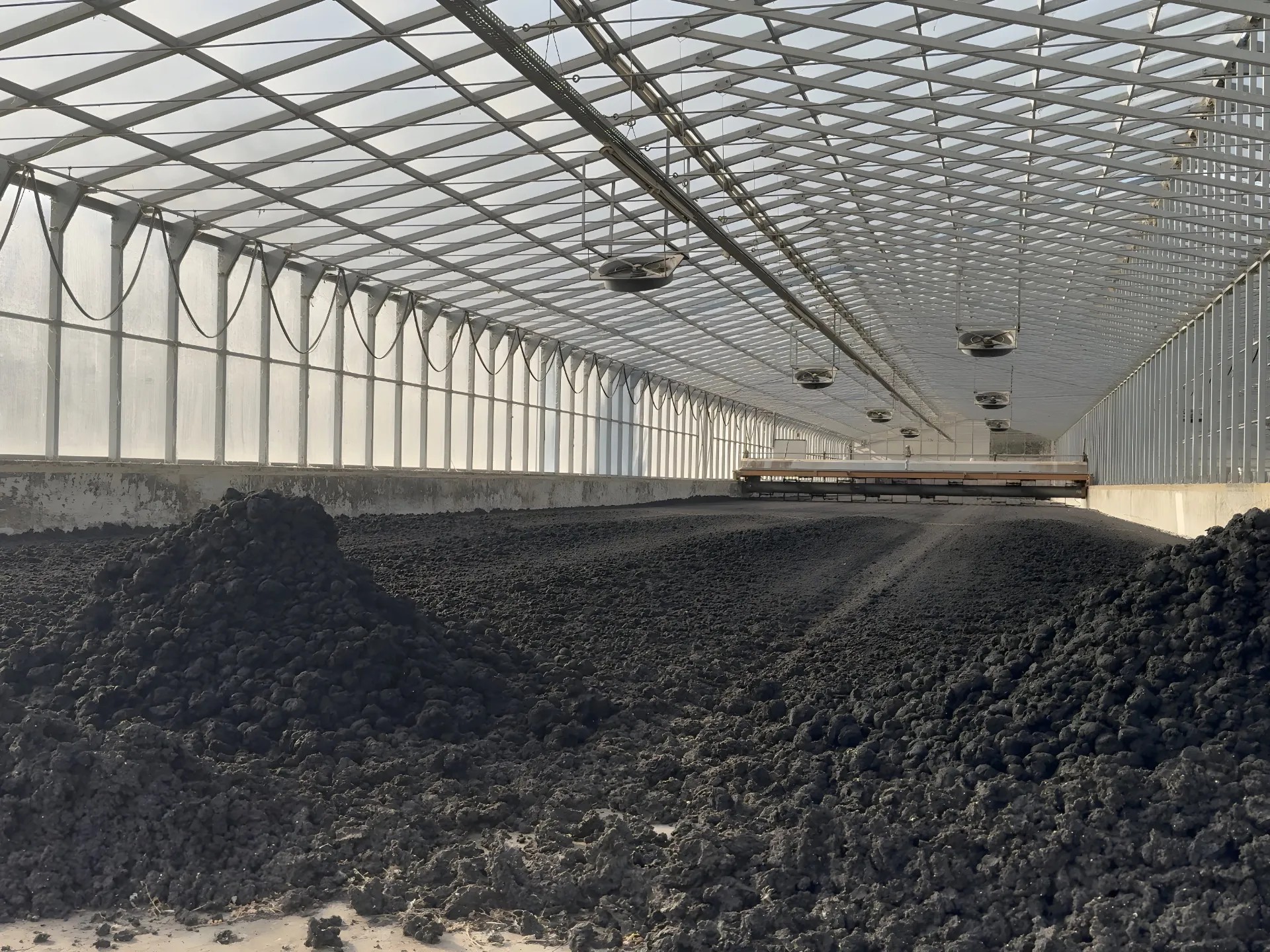
A significant share of biogas systems at US wastewater treatment plants leak so much methane that the climate benefit of the renewable energy they produce disappears entirely, according to a new study in Nature Sustainability.
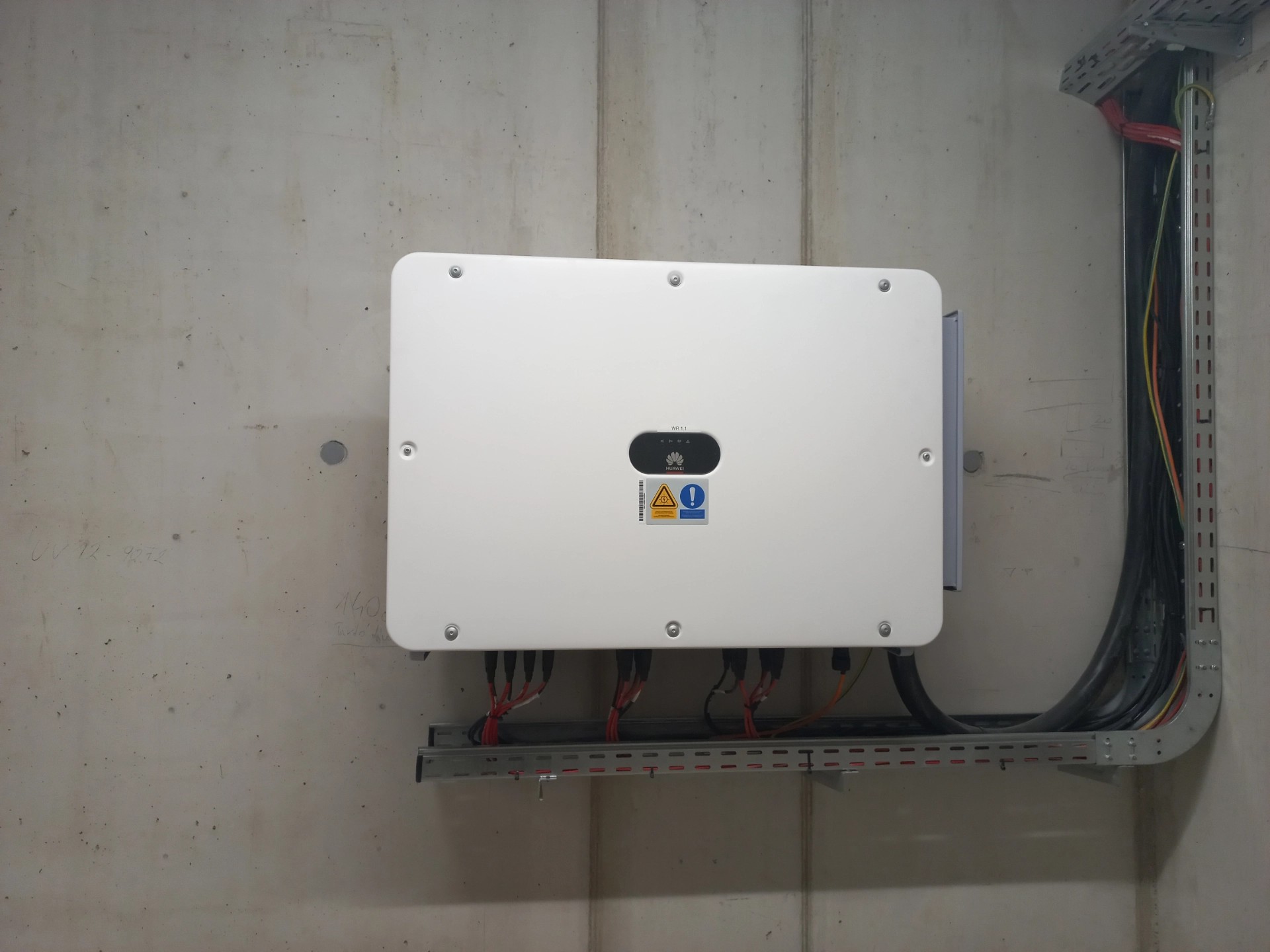
Citing cybersecurity, the European Commission is excluding solar inverters from high-risk countries – mainly China – from EU funding; according to Fluence's head of regulatory affairs, the decision is already actively shaping buyer behaviour.
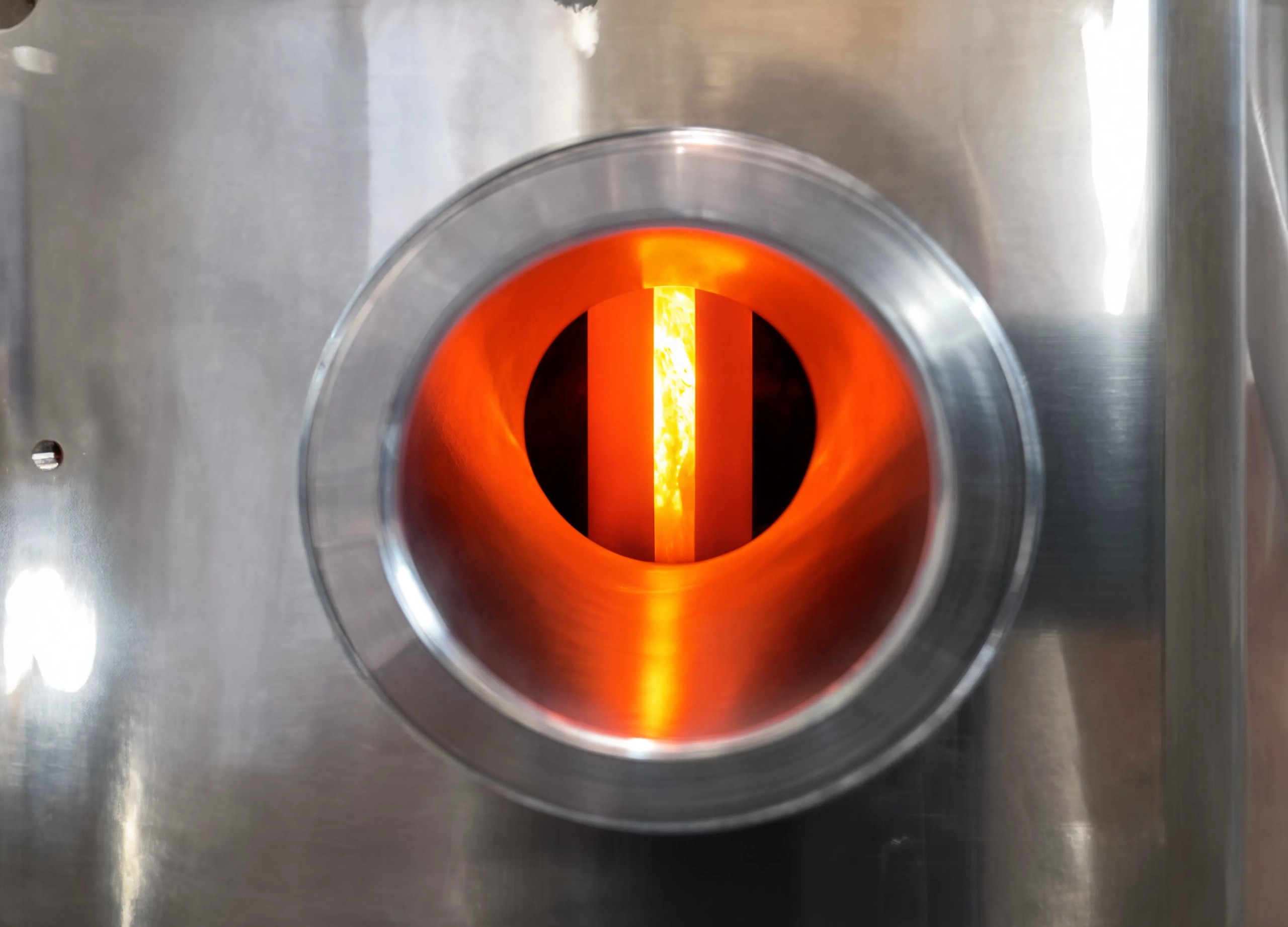
The TITAN project, funded by the EU's Horizon Europe programme, has shown that a microwave-heated fluidised reactor can produce hydrogen from raw biogas almost three times more efficiently than electrolysis – while the solid carbon by-product can be locked away in soil for the long term.

Using a two-step technology, researchers at Washington State University turn 83% of the carbon in sewage sludge into valuable, pipeline-quality renewable natural gas, while cutting treatment costs almost in half.
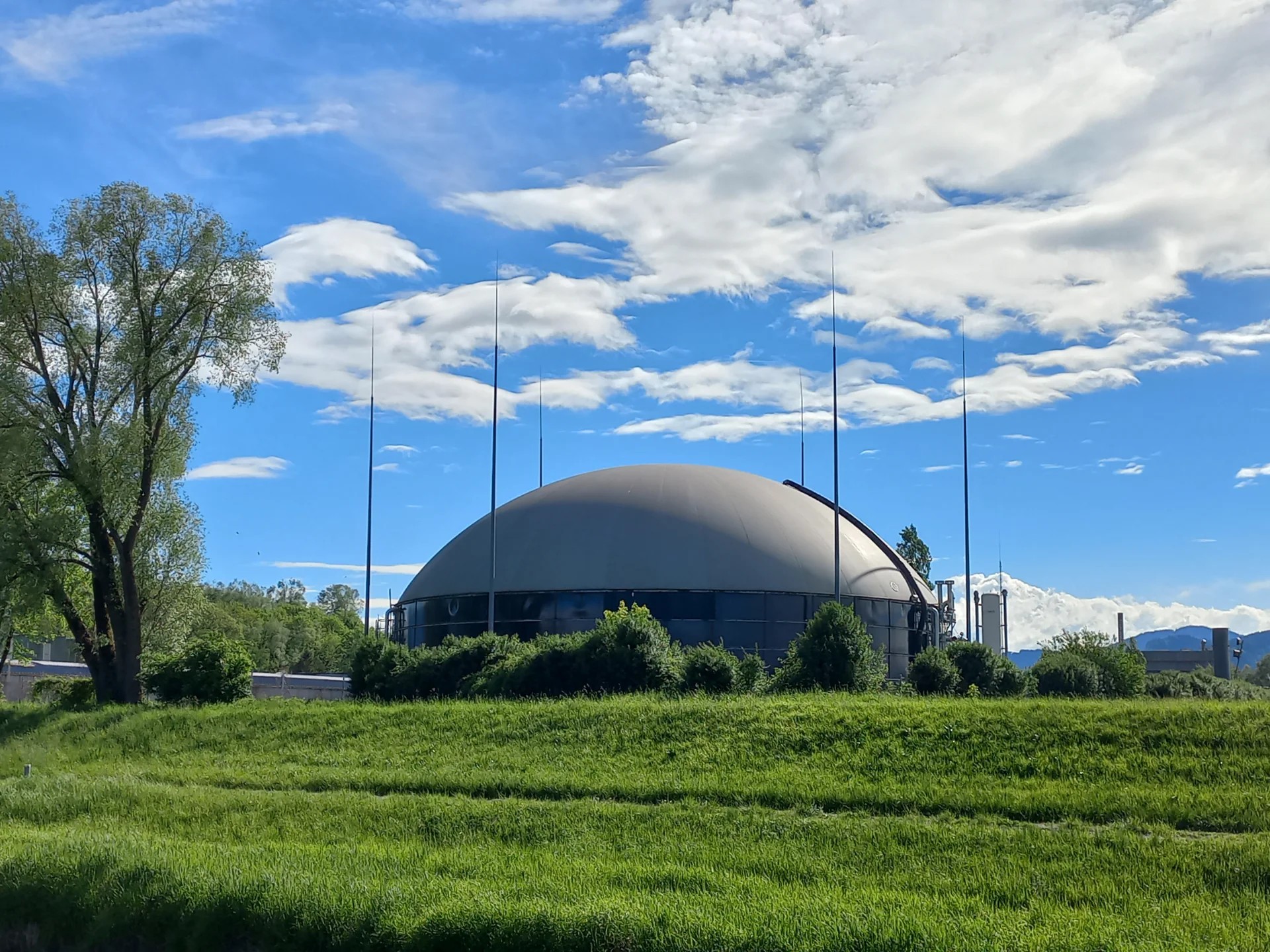
Within a single week, the European Investment Fund launched one of Europe's largest biomethane infrastructure funds with a €200 million investment, while the EU's Fertiliser Action Plan declared digestate a key resource for circular agriculture.
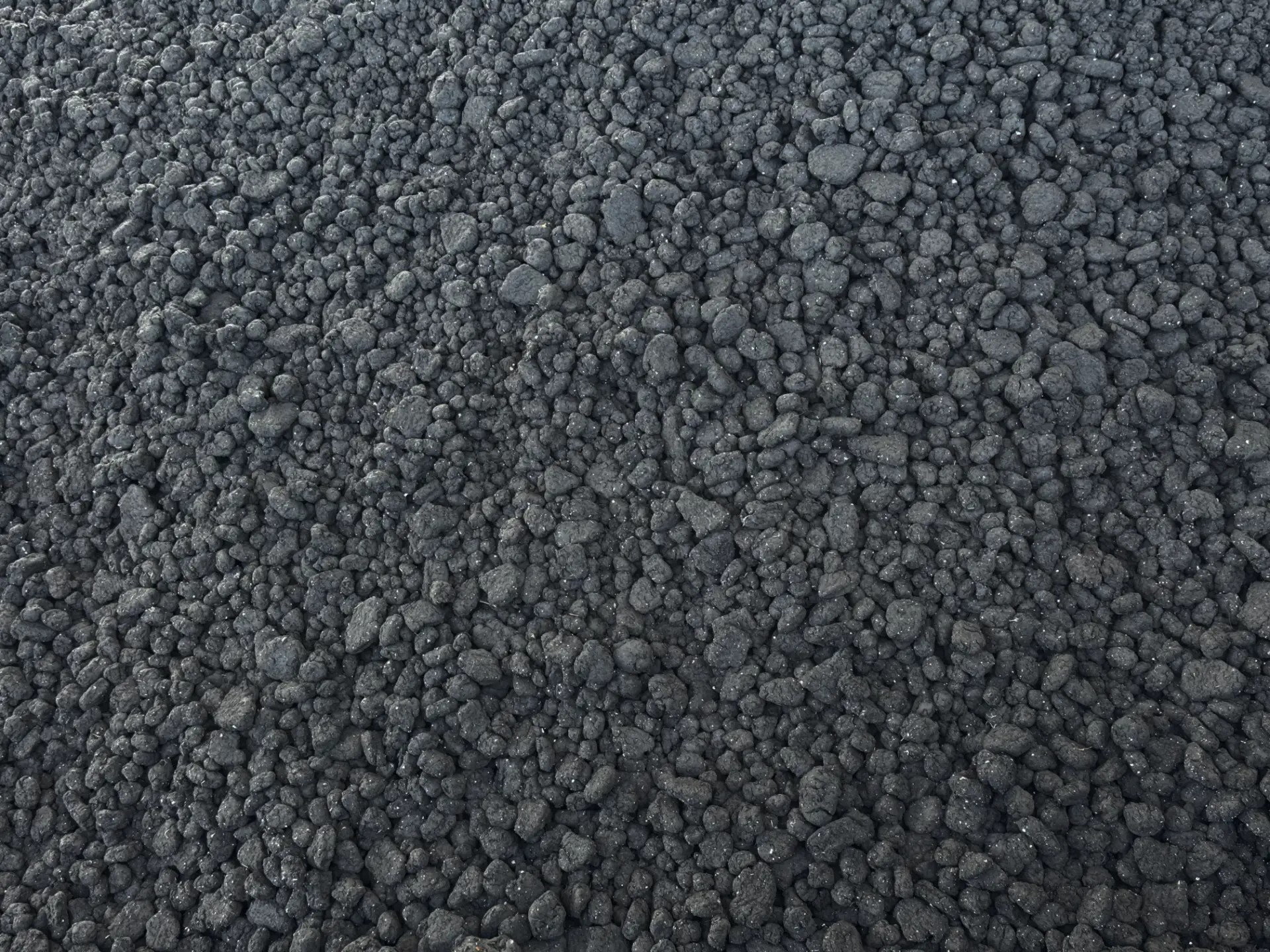
A few ways in which sewage sludge, the by-product of wastewater treatment, can be turned into a valuable raw material – though most are still at the experimental stage.
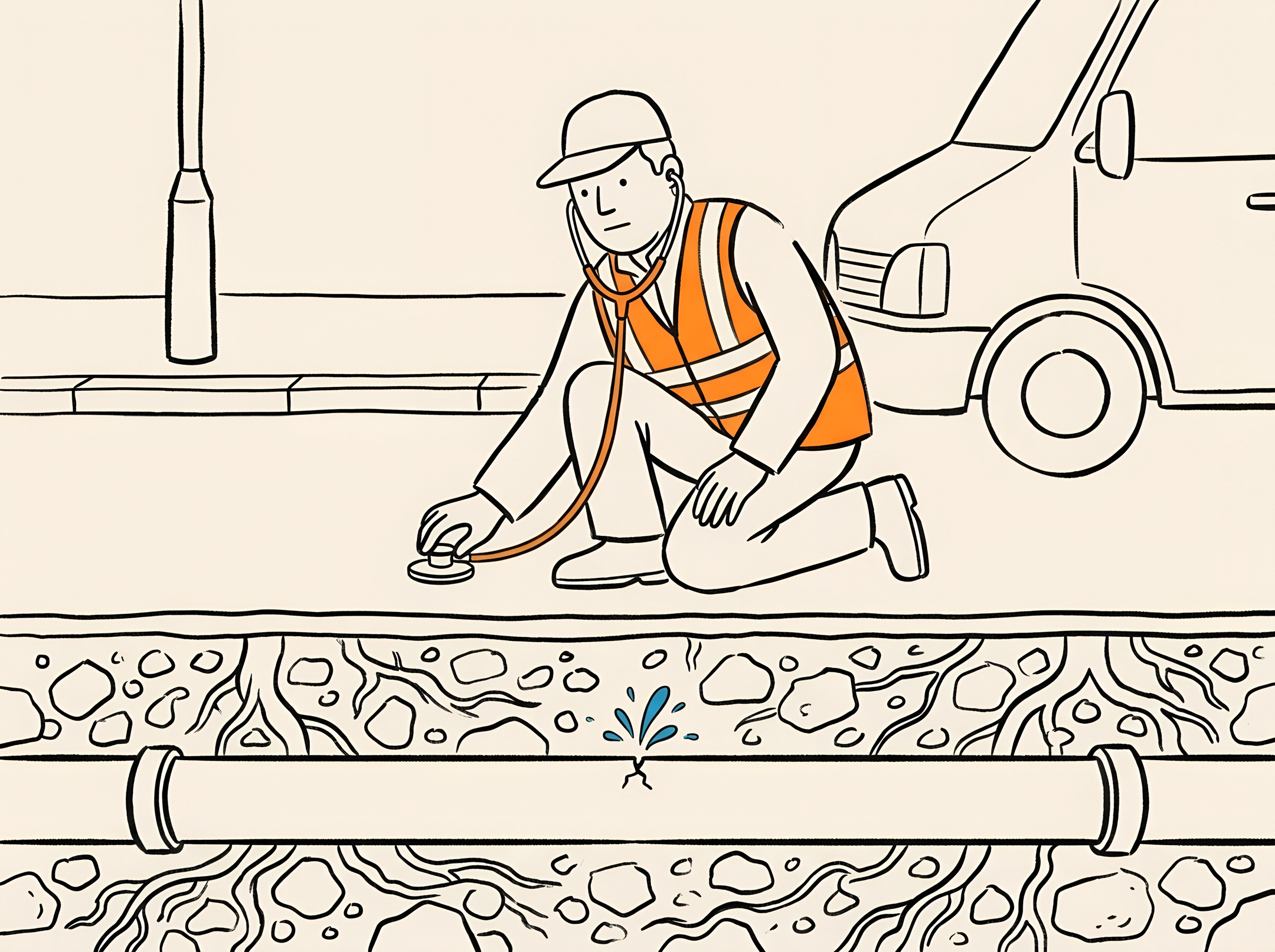
Together, artificial intelligence and IoT sensors can predict pipe bursts, optimise network pressure and cut distribution losses in real time.
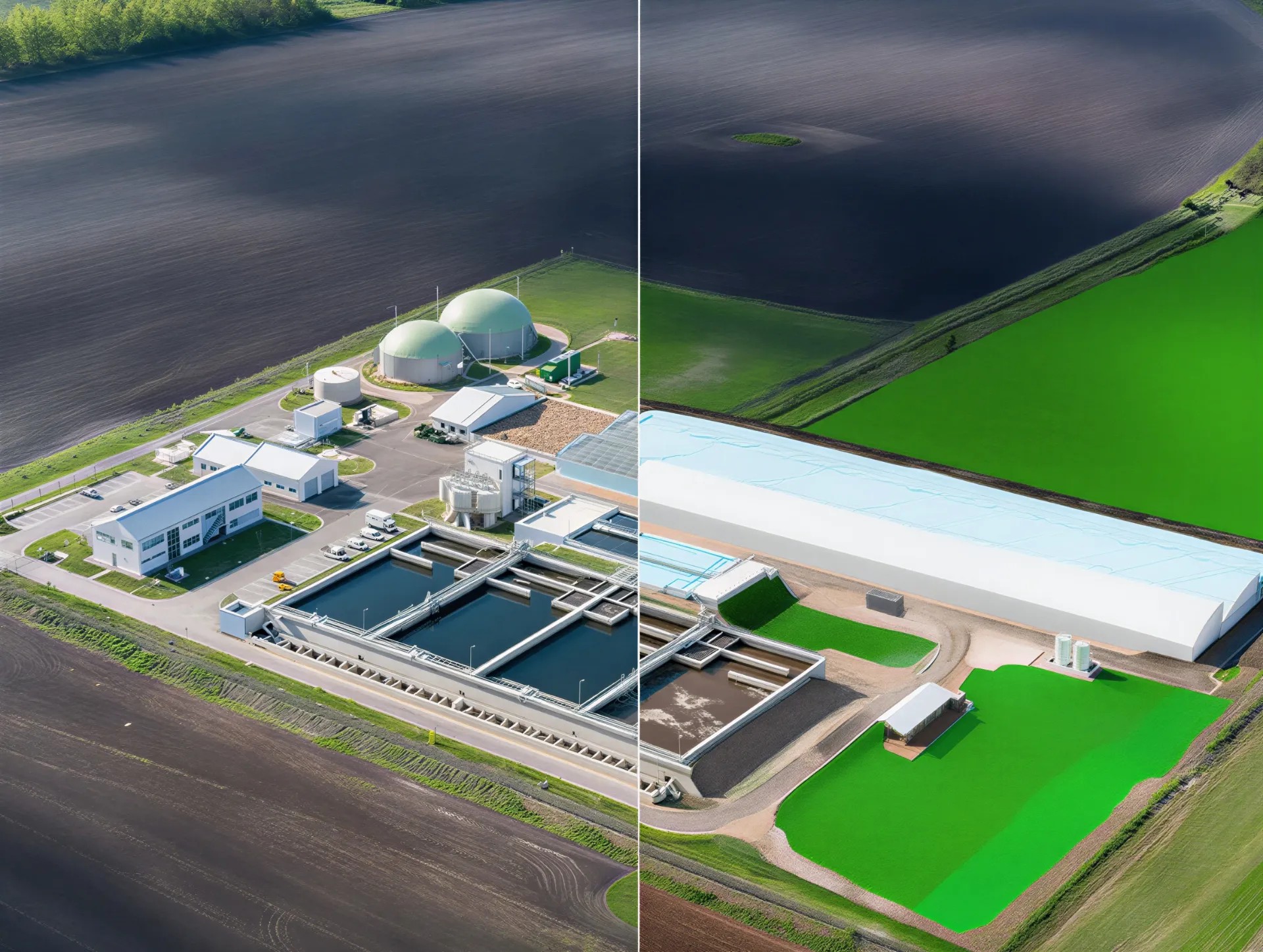
Research from Kazakhstan shows how a wastewater treatment plant can learn to think with the help of IoT sensors, hydraulic simulation and artificial intelligence.
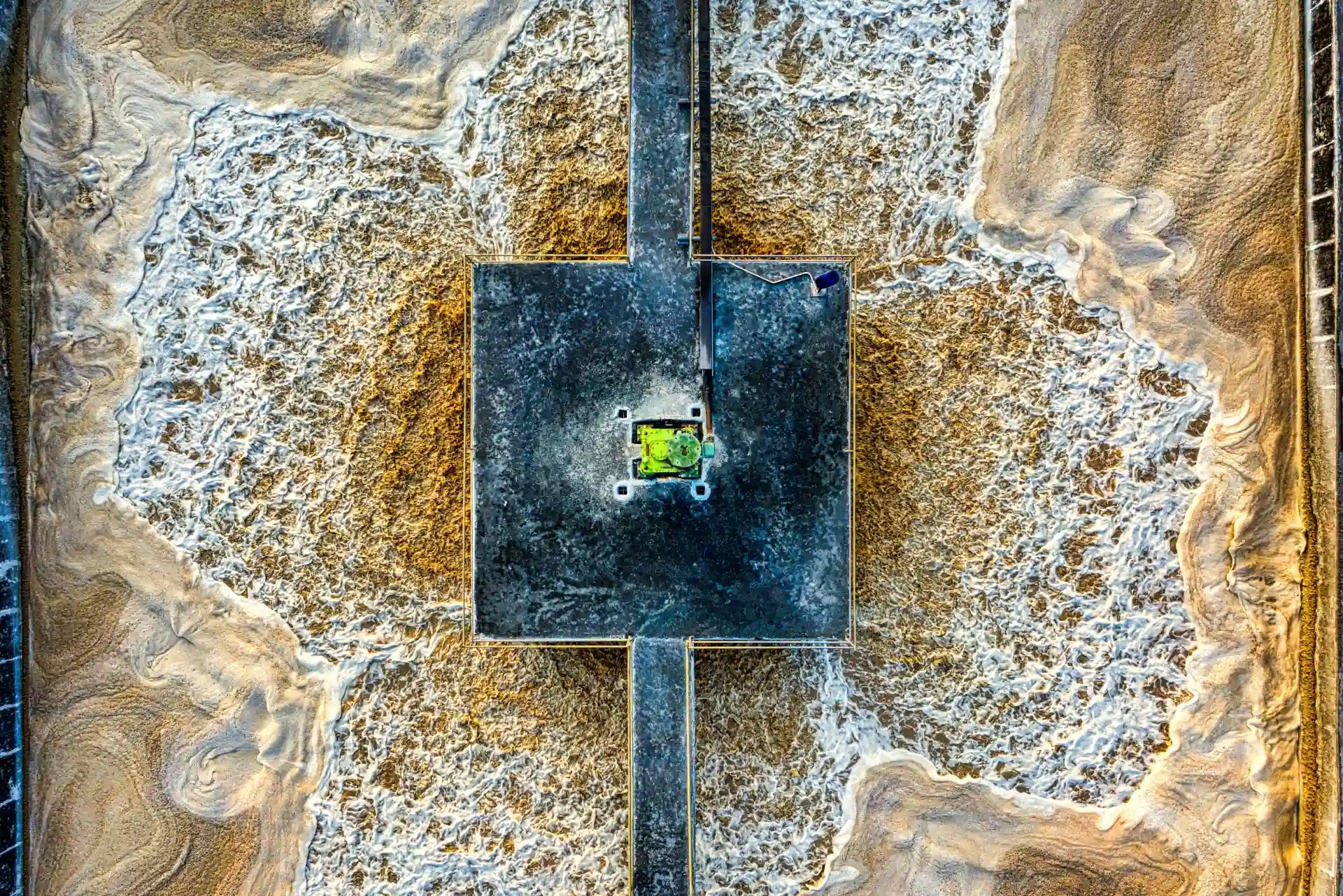
Aeration in activated sludge tanks accounts for 50–65% of the total energy use of conventional biological treatment plants, the most common type worldwide. The efficiency of membrane diffusers is directly linked to a plant's operating costs.